Felodipine: Managing High Blood Pressure
Discover how felodipine, a powerful calcium channel blocker, effectively controls hypertension and supports heart health with once-daily dosing.
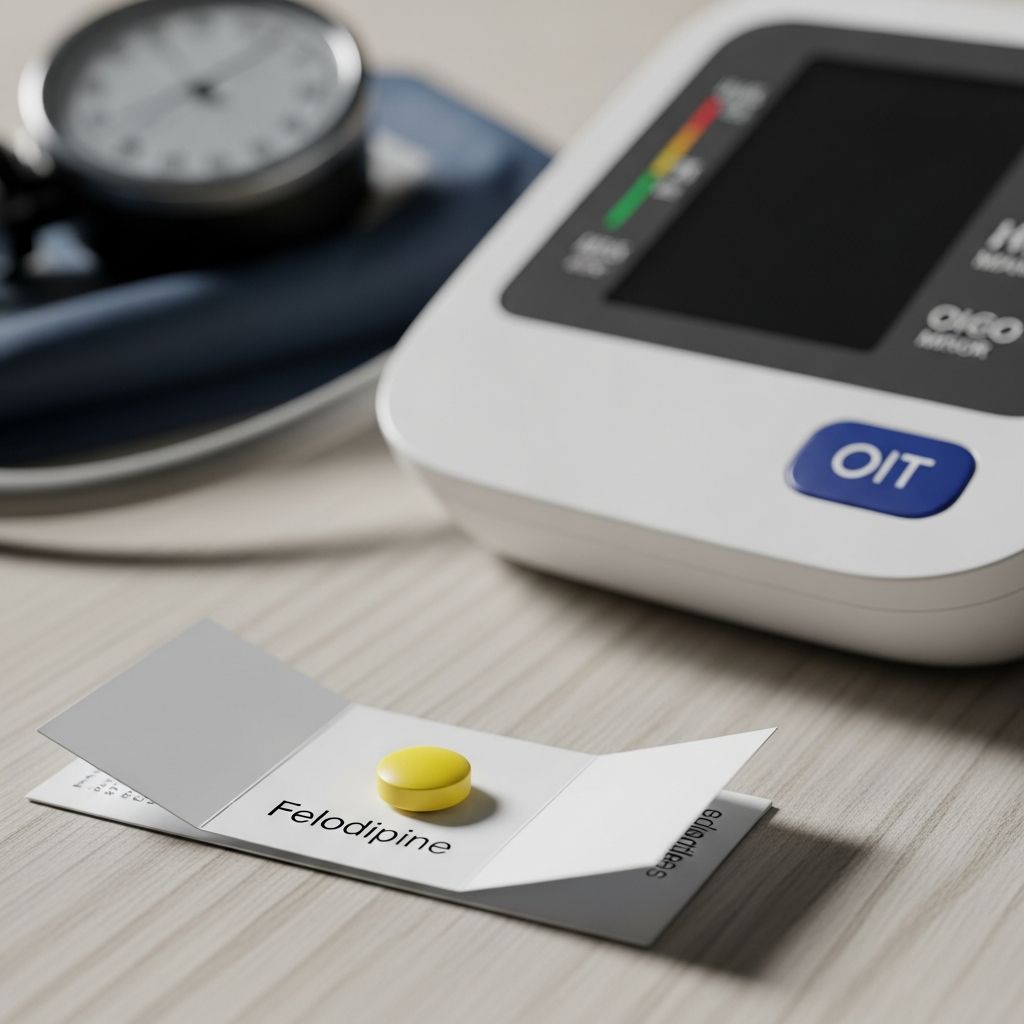
Felodipine stands out as a key medication in the fight against high blood pressure, offering reliable blood pressure reduction through targeted vascular relaxation. As a member of the dihydropyridine calcium channel blockers, it provides a convenient once-daily option for patients seeking consistent control over hypertension.
Understanding the Role of Felodipine in Cardiovascular Care
High blood pressure, or hypertension, affects millions worldwide, silently increasing the risk of heart attacks, strokes, and kidney damage. Felodipine addresses this by selectively targeting blood vessels to lower pressure without significantly impacting the heart’s pumping action. Approved by the FDA specifically for essential hypertension, it helps diminish overall cardiovascular risks, particularly by lowering stroke incidence.
Unlike some other antihypertensives, felodipine’s extended-release formulation ensures steady drug levels throughout the day, promoting better adherence and sustained efficacy. Clinical studies highlight its equivalence to beta-blockers, diuretics, and ACE inhibitors in mild-to-moderate cases, making it a versatile first-line choice.
How Felodipine Works: The Science Behind Vascular Relaxation
At its core, felodipine inhibits the influx of calcium ions through L-type calcium channels in vascular smooth muscle cells. This blockade prevents the contraction of these muscles, leading to arteriolar dilation and reduced peripheral resistance. The result is lower blood pressure as the heart faces less opposition to blood flow.
- Calcium Channel Inhibition: Blocks voltage-dependent channels, reducing cytosolic calcium and myosin activation.
- Selective Arteriolar Action: Primarily affects small arteries, sparing veins and minimizing postural effects.
- Reflex Responses: May trigger mild tachycardia due to baroreceptor activation, but this is generally well-tolerated.
This mechanism not only controls pressure but also supports regression of left ventricular hypertrophy in long-term use, benefiting heart structure.
Primary Uses: From Monotherapy to Combination Therapy
Felodipine shines in treating essential hypertension across severities. For mild-to-moderate cases, it serves as effective monotherapy, often matching or outperforming peers in blood pressure reduction.
| Hypertension Severity | Felodipine Role | Comparable Agents |
|---|---|---|
| Mild-Moderate | Monotherapy | Beta-blockers, ACEIs, Diuretics |
| Severe | Add-on Therapy | Nifedipine, Nitrenderpine |
In severe hypertension unresponsive to baseline therapies, adding felodipine significantly enhances control. It’s also paired successfully with metoprolol or enalapril for synergistic effects.
Off-Label Applications and Emerging Roles
Beyond FDA approval, felodipine shows promise in renovascular and pulmonary hypertension, stable angina, and heart failure management. It may protect renal function in transplant patients on calcineurin inhibitors and has preclinical potential against pulmonary fibrosis.
Starting and Adjusting Your Felodipine Dosage
Dosing begins conservatively, especially for older adults or those with sensitivities. Typical initiation is 5 mg once daily for hypertension and angina, with adjustments up to 10 mg based on response.
- Standard Adult Dose: 5 mg ER once daily, titrate as needed.
- Elderly or Hepatic Impairment: Start at 2.5 mg.
- Maximum Dose: 10 mg daily; avoid exceeding without monitoring.
Related Stories



Extended-release tablets should be swallowed whole, not crushed, to maintain therapeutic release. Food, particularly grapefruit juice, can amplify levels, so timing with meals requires guidance.
Common Side Effects and Management Strategies
Most effects stem from vasodilation, appearing early and often resolving with time. Peripheral edema tops the list, affecting ankles and feet due to capillary pressure shifts.
| Frequency | Side Effect | Management Tip |
|---|---|---|
| Common (>10%) | Edema, Headache, Flushing | Elevate legs, hydration, time |
| Less Common | Tachycardia, Fatigue, Dizziness | Monitor BP, dose adjustment |
| Rare | Gingival Hyperplasia, Rash | Report to provider promptly |
Combining with ACE inhibitors can mitigate edema. Serious issues like severe hypotension warrant immediate care.
Precautions: Who Should Avoid Felodipine?
Certain conditions heighten risks. Avoid in acute heart failure exacerbation or severe aortic stenosis due to dependency on afterload. Caution prevails in hepatic impairment, where metabolism slows.
- Pregnancy: Limited data; use only if benefits outweigh risks (Category C).
- Breastfeeding: Excreted in milk; weigh alternatives.
- Hypotension: Monitor closely to prevent excessive drops.
Drug Interactions: What to Watch For
Felodipine, metabolized by CYP3A4, interacts with inhibitors like ketoconazole or inducers like rifampin. Grapefruit juice notably boosts levels.
- Potentiators: Azole antifungals, macrolides—increase felodipine exposure.
- Reducers: Carbamazepine, phenytoin—may necessitate dose hikes.
- Beta-Blockers: Safe combo, but watch for bradycardia.
Monitoring and Long-Term Success
Regular blood pressure checks, renal function tests, and electrolyte panels ensure safety. Aim for targets per ACC/AHA guidelines, adjusting as lifestyle factors evolve.
Patient education on adherence boosts outcomes. Lifestyle synergies—diet, exercise, weight control—amplify felodipine’s benefits.
Frequently Asked Questions (FAQs)
Can felodipine be taken with food?
Yes, but avoid grapefruit products, as they raise drug levels significantly.
How quickly does felodipine lower blood pressure?
Effects start within hours, peaking at 2-5 mg doses, with full control over 24 hours via ER form.
Is felodipine safe for diabetics?
Yes, it suits patients with diabetes, renal issues, or asthma without worsening these.
What if I miss a dose?
Take as soon as remembered unless near next dose; never double up.
Does felodipine cause weight gain?
Edema may mimic gain; report rapid changes to rule out issues.
Overdose Response and Emergency Care
Mild overdose prompts hypotension and tachycardia; severe cases risk collapse. Activate charcoal for recent ingestion, use fluids/vasopressors for support. Calcium gluconate counters blockade.
Felodipine empowers hypertension management with proven efficacy, safety profile, and ease of use. Consult healthcare providers for personalized plans integrating this valuable tool.
References
- Felodipine. A review of the pharmacology and therapeutic use of a new calcium antagonist in the treatment of essential hypertension — PubMed. 1992. https://pubmed.ncbi.nlm.nih.gov/1382018/
- Felodipine – StatPearls — NCBI Bookshelf – NIH. 2023-10-30. https://www.ncbi.nlm.nih.gov/books/NBK542163/
- Felodipine ER (Plendil): Uses, Side Effects, Dosage & More — GoodRx. 2023. https://www.goodrx.com/felodipine-er/what-is
- Consumer Information for: APO-FELODIPINE — Health Canada. 2023. https://dhpp.hpfb-dgpsa.ca/dhpp/resource/93875/consumer-information
- Felodipine: MedlinePlus Drug Information — MedlinePlus. 2023. https://medlineplus.gov/druginfo/meds/a692016.html
Similar Articles








Read full bio of Sneha Tete