Female Pattern Baldness: Causes, Symptoms & Treatment
Understanding female pattern baldness: symptoms, stages, causes, and effective treatment options for women.
Understanding Female Pattern Baldness
Female pattern baldness is one of the most common types of hair loss affecting women today. It is a condition that causes gradual hair loss on the scalp, characterized by thinning hair rather than complete baldness in most cases. Unlike temporary hair shedding, female pattern baldness requires treatment to prevent further hair loss and potentially regrow lost hair. Approximately 30 million women in the United States experience this condition, making it the most significant cause of hair loss in women. The condition typically becomes more noticeable after menopause, though it can affect women at any age, including those in their 20s and 30s.
What is Female Pattern Baldness?
Female pattern baldness, medically known as androgenetic alopecia or female pattern hair loss (FPHL), is a non-scarring form of alopecia that leads to progressive hair loss. This condition causes the small, tube-like structures in your scalp that grow hair, called hair follicles, to shrink gradually over time. As your hair follicles shrink, the individual hairs become thinner and shorter, eventually stopping their growth altogether. Unlike scarring alopecia, female pattern baldness does not destroy hair follicles, which means hair regrowth is possible with appropriate treatment.
The condition is characterized by a progressive thinning of hair on the scalp rather than complete baldness. Without treatment, female pattern baldness is permanent and will continue to worsen over time. However, the good news is that hair loss can be slowed or reversed with proper medical intervention and treatment strategies.
Symptoms and Stages of Female Pattern Baldness
Recognizing the symptoms of female pattern baldness early can help you seek treatment sooner. The condition typically progresses through distinct stages, with hair loss becoming more noticeable as it advances.
Common Symptoms
The primary symptom of female pattern baldness is visible hair loss on the scalp. Common signs include:
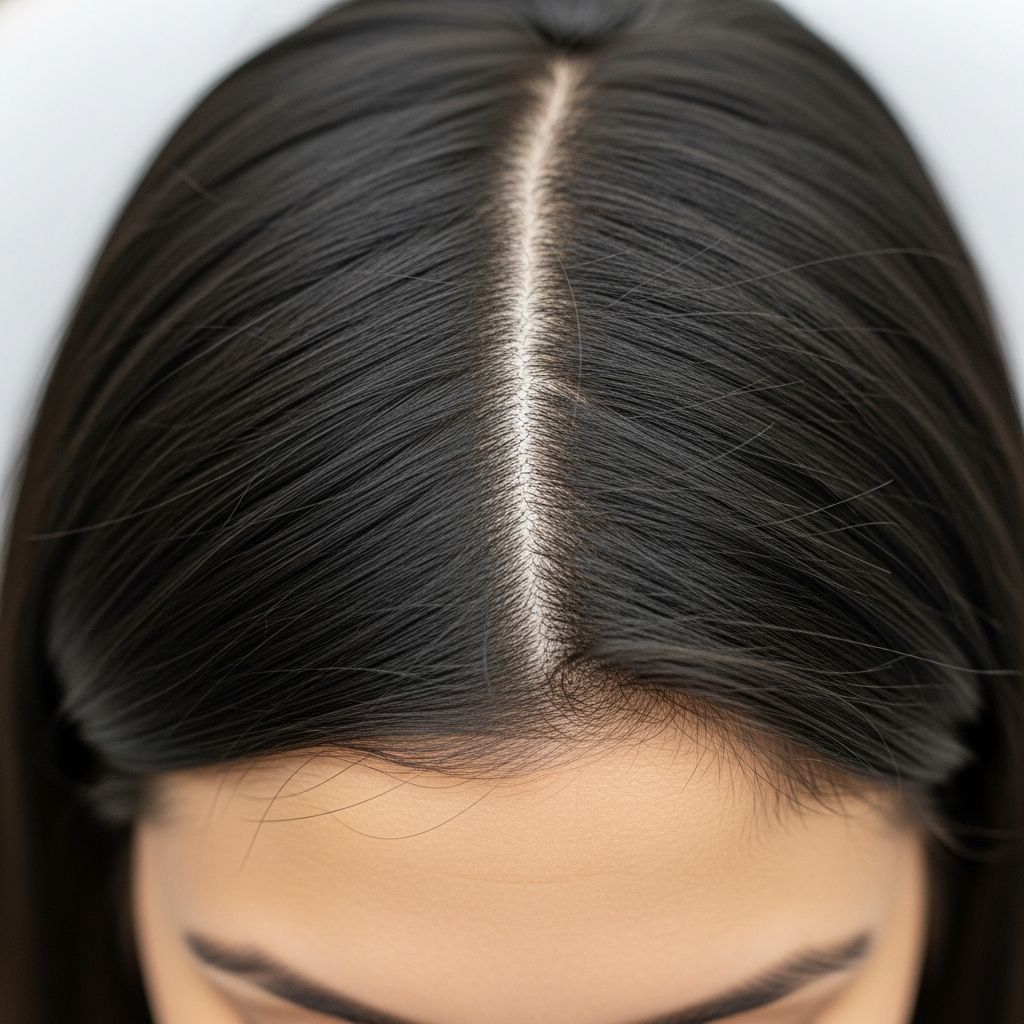
- Hair loss that usually starts to appear near your center part
- Thinning hair on either side of your part as the condition progresses
- Hair loss toward the front of your scalp in later stages
- Changes in hair texture indicating female pattern baldness
- Widening of your center part line
- Decreased hair density across the scalp
Stages of Female Pattern Baldness
Female pattern baldness progresses through stages that help healthcare providers assess severity. The condition typically begins in the top-middle portion of your head around your center part, which is the natural line between the right and left sides of your hair. If you style your hair with a side part, you may not notice the early stages immediately, but changes in hair texture near the center will become apparent.
The Ludwig scale is commonly used to characterize female pattern hair loss in three grades. In the early stages, hair loss is minimal and may only be noticeable upon close inspection. In middle stages, hair loss becomes more apparent on either side of the center part and toward the front of the scalp. In later stages, the thinning becomes more pronounced, though complete baldness is rare in female pattern baldness.
Causes and Contributing Factors
The exact cause of female pattern baldness is not completely understood, but research has identified several contributing factors that increase the risk of developing this condition.
Related Stories



Genetic Factors
Family history plays a significant role in the development of female pattern baldness. If your mother, grandmother, or other female relatives experienced hair loss, you have a higher likelihood of developing the condition yourself. Genetic research has identified that an allelic variant of CYP19A1 is associated with a predisposition to female pattern baldness. However, genetic research into female pattern baldness is less extensive than research into male pattern baldness.
Hormonal Factors
The relationship between hormones and female pattern baldness is complex and not entirely clear. Unlike male pattern baldness, which has a well-established link to androgens, the hormonal relationship in women is more complicated. While some women with elevated androgen levels develop female pattern baldness, the condition has also been documented in women with complete androgen insensitivity syndrome. Interestingly, most women with female pattern baldness have normal testosterone levels and do not show clinical signs of excess androgens.
Age and Menopause
Female pattern baldness usually starts to appear after menopause, making age a significant contributing factor. However, the condition can affect women at any age. The hormonal changes associated with menopause may contribute to hair loss in susceptible women, though the exact mechanism remains unclear.
Other Contributing Factors
Several other conditions can worsen hair loss and should be considered when evaluating female pattern baldness:
- Iron deficiency
- Thyroid dysfunction
- Nutritional deficiencies
- Polycystic ovarian syndrome (PCOS)
- Metabolic syndromes such as diabetes mellitus
- Certain medications
Diagnosis of Female Pattern Baldness
Female pattern baldness is relatively easy to recognize and diagnose. You may not necessarily need a healthcare provider to identify it, but professional confirmation can ensure proper treatment.
Clinical Diagnosis
A healthcare provider can confirm female pattern baldness through a physical examination of your scalp. During this evaluation, your provider will assess the pattern and extent of hair loss to determine if it matches the characteristic distribution of female pattern baldness. The diagnosis is typically clinical, based on visual inspection rather than laboratory tests.
Medical History Assessment
Your healthcare provider will gather detailed information during the diagnostic process, including:
- When you first noticed hair loss
- How quickly the hair loss has progressed
- Whether you have a family history of hair loss or baldness
- Your menstrual and menopausal history
- Current medications and medical conditions
- Any symptoms of hyperandrogenism or polycystic ovarian syndrome
Physical Examination
During the physical exam, your provider will note the width of your center part and examine areas of your scalp showing signs of thinning or balding. This examination helps confirm the diagnosis and establish a baseline for measuring treatment response.
Psychological and Social Impact
While female pattern baldness does not affect your physical health, it can have significant psychological and social effects. The condition can impact how society and social groups influence your thoughts and emotions, as well as how you perceive yourself. Many women experience emotional stress, anxiety, and depression related to hair loss. These psychological effects are legitimate concerns that should be addressed alongside medical treatment.
It’s important to recognize that hair loss can affect your quality of life and mental well-being. If female pattern baldness causes you significant distress, reaching out to a healthcare provider is crucial, as treatments are available that can help both stop hair loss and improve your emotional well-being.
Treatment Options for Female Pattern Baldness
Female pattern baldness is a treatable condition, and early recognition and intervention can help halt progression and promote hair regrowth. Treatment approaches vary, and what works for one person may not work for another, so your healthcare provider will help you find the right option for your situation.
Medications
Pharmaceutical treatments are available that can slow hair loss and help regrow hair. These medications work by addressing the underlying mechanisms of hair follicle shrinkage and promoting healthier hair growth. Your healthcare provider can determine which medications are most appropriate based on your individual circumstances.
Red Light Therapy
Red light therapy is an emerging treatment option for female pattern baldness. This non-invasive therapy uses specific wavelengths of light to stimulate hair follicles and promote hair growth. Some studies suggest that red light therapy can be effective when used alone or in combination with other treatments.
Styling Techniques
While not a permanent solution, certain styling techniques can help manage the appearance of hair loss while you pursue other treatments. These techniques can help you feel more confident as you work toward hair regrowth.
Combination Therapy
Research supports the use of combination therapy approaches for female pattern baldness, which may include multiple medications or combining medications with other treatments like red light therapy. This multi-faceted approach often provides better results than single treatments alone.
Prognosis and Long-Term Outlook
Without treatment, female pattern baldness is permanent and will progressively worsen. However, with proper treatment, many women can stop hair loss and experience some degree of hair regrowth. The earlier treatment is initiated, the better the chances of preventing further hair loss and promoting regeneration.
Many women with female pattern baldness accept the condition as part of the aging process and do not seek treatment. This is a valid personal choice; however, if hair loss causes you emotional distress, anxiety, or depression, treatment is available and worth pursuing. Your healthcare provider can help you weigh the benefits and risks of various treatment options to determine the best approach for your needs.
Frequently Asked Questions
Q: At what age does female pattern baldness typically start?
A: Female pattern baldness usually becomes noticeable after menopause, though it can affect women at any age, including women in their 20s and 30s. The condition is more common with increasing age and after hormonal changes associated with menopause.
Q: Is female pattern baldness reversible?
A: Yes, female pattern baldness is reversible with appropriate treatment. Without treatment, hair loss is permanent. However, medications, red light therapy, and other treatments can stop hair loss and help regrow some of the lost hair.
Q: Will my hair grow back without treatment?
A: No, if you have female pattern baldness, your hair will not grow back without treatment. Proper medical intervention is necessary to stop hair loss and promote regrowth.
Q: Can female pattern baldness lead to complete baldness?
A: Female pattern baldness rarely advances to complete baldness. Unlike male pattern baldness, which can result in complete hair loss in affected areas, female pattern baldness typically results in thinning rather than total baldness.
Q: Should I see a doctor if I notice hair loss?
A: Yes, it is recommended to reach out to a healthcare provider as soon as you notice signs of female pattern baldness, especially if it causes emotional stress, anxiety, or depression. Early intervention can help prevent further hair loss and improve treatment outcomes.
Q: What conditions can worsen female pattern baldness?
A: Several conditions can worsen hair loss, including iron deficiency, thyroid dysfunction, nutritional deficiencies, and polycystic ovarian syndrome. Managing these underlying conditions can improve treatment results.
References
- Female Pattern Baldness: Symptoms, Stages, Causes & Treatment — Cleveland Clinic. 2024. https://my.clevelandclinic.org/health/diseases/24943-female-pattern-baldness
- Male and Female Pattern Hair Loss: A Guide to Clinical Presentations and Diagnosis — Cleveland Clinic Consult QD. 2024. https://consultqd.clevelandclinic.org/male-and-female-pattern-hair-loss-a-guide-to-clinical-presentations-and-diagnosis
- Male and Female Pattern Hair Loss: Treatable and Worth Treating — Cleveland Clinic Journal of Medicine. 2020. https://www.ccjm.org/content/88/3/173
Similar Articles








Read full bio of medha deb