Female Pattern Hair Loss: Causes, Diagnosis And Treatment Guide
Understanding the causes, diagnosis, and effective treatments for female pattern hair loss, the most common cause of hair thinning in women.
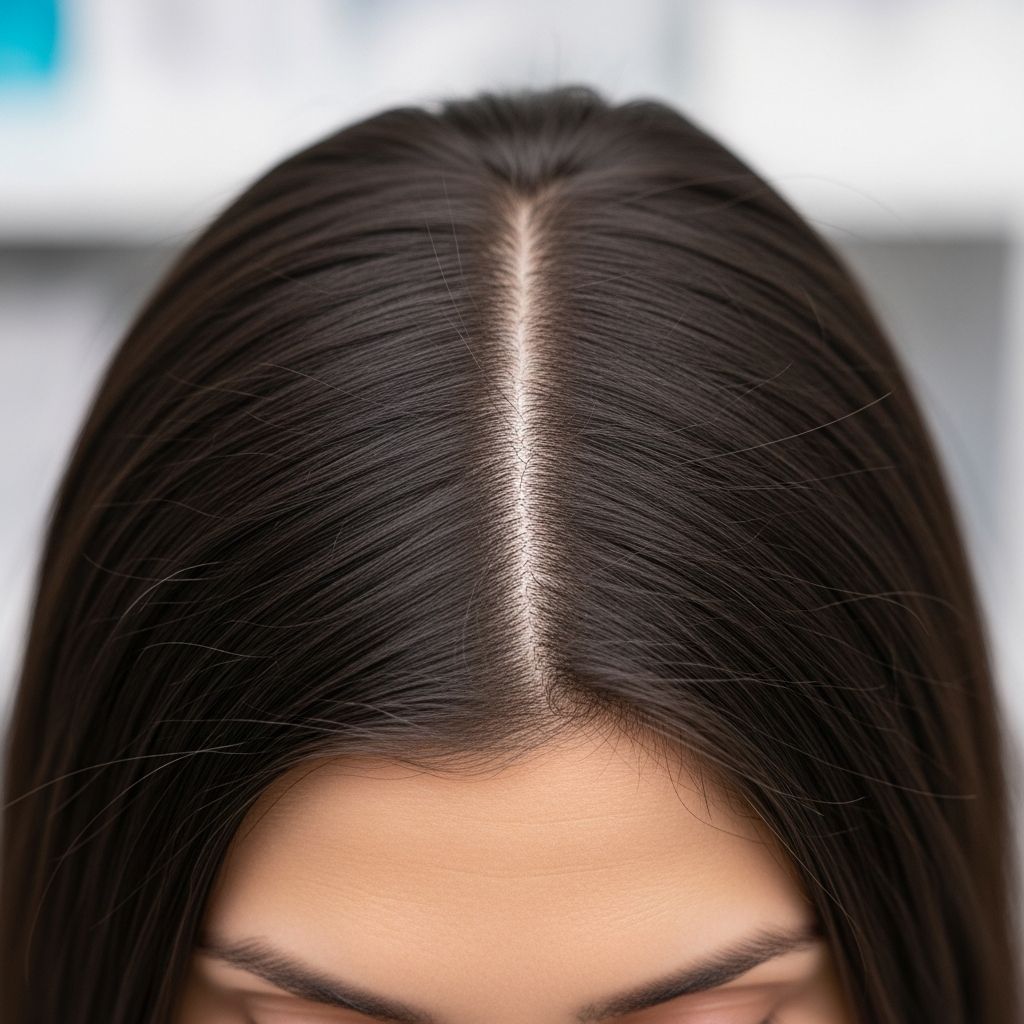
Female pattern hair loss (FPHL), also known as androgenetic alopecia in women, is the most common form of hair loss affecting approximately 40% of women by age 70. It presents as diffuse thinning over the crown with preservation of the frontal hairline, distinguishing it from male pattern baldness. This progressive condition involves miniaturization of hair follicles, leading to shorter, finer hairs and eventual scalp visibility if untreated. Prevalence increases with age, impacting fewer than 45% of women lifelong with a full head of hair, and causes psychological distress including reduced self-esteem and social withdrawal.
What is the cause of female pattern hair loss?
The precise aetiology of FPHL remains incompletely understood but involves genetic predisposition and androgen sensitivity. Hair follicles on the scalp possess androgen receptors activated primarily by dihydrotestosterone (DHT), which binds more avidly than testosterone, shortening the anagen (growth) phase and inducing miniaturization. Unlike male pattern hair loss, overt hyperandrogenism is rare in FPHL; most cases occur with normal serum androgen levels, suggesting heightened follicle sensitivity. Genetic factors are inherited from either parent, with studies showing familial patterns in up to two-thirds of postmenopausal women.
Hormonal fluctuations exacerbate FPHL: estrogen decline during menopause reduces protective effects on follicles, while progesterone changes post-pregnancy or with oral contraceptives can trigger shedding. Aging compounds these effects, as follicular stem cell function declines. Other contributors include iron deficiency (without anemia not causative), thyroid dysfunction, and chronic telogen effluvium overlap, though FPHL is primarily androgen-dependent.
Who gets female pattern hair loss?
FPHL affects women across all ages but peaks post-menopause, with 12% prevalence by age 30, 38% by 70, and up to 66% in those over 80. Risk factors include family history (both maternal and paternal), early menarche, polycystic ovary syndrome (PCOS), obesity, smoking, and hypertension. Caucasian women are most affected, followed by Asians; incidence is lower in Africans. Hormonal events like pregnancy, lactation, and menopause often unmask genetic susceptibility.
What are the clinical features of female pattern hair loss?
Patients typically report gradual hair thinning over the crown and vertex, with increased shedding (over 100 hairs/day) in early stages. The frontal hairline remains intact, unlike in men; instead, a ‘Christmas tree’ pattern emerges on parting, with reduced density widening the midline. Scalp shows increased visibility, shorter anagen duration (from 3 years to months), and vellus-like replacement hairs. Advanced cases reveal near-bald crown with retained frontal fringe. Pruritus or pain is uncommon unless comorbid seborrheic dermatitis exists. Psychological impact is profound: 50% experience anxiety, 30% depression.
How is female pattern hair loss diagnosed?
Diagnosis is clinical, based on history and examination using the Ludwig scale (grades I-III for crown thinning severity) or Sinclair scale (stages 1-5 for frontal accentuation). Part-width assessment compares midline to occipital density; >50% reduction confirms FPHL. Trichoscopy reveals reduced hair density (<180/cm²), increased yellow dots, perifollicular arborizing vessels, and vellus hairs >10%. Frontal scalp biopsy (4mm punch) shows reduced terminal:vellus ratio (<4:1), increased telogen follicles (>12%), and fibrous streamers. Blood tests rule out differentials: ferritin, thyroid function, androgens (if hirsutism/acne present).
Differentials include telogen effluvium (diffuse shedding without miniaturization), alopecia areata (patchy), frontal fibrosing alopecia (receding hairline with scarring), and anagen effluvium (post-chemotherapy). Chronic telogen effluvium mimics early FPHL but lacks miniaturization.
What is the treatment for female pattern hair loss?
Treatment arrests progression more effectively than regrowth; early intervention yields best results, with response in 12-24 months. Maintenance is lifelong.
Topical treatments
Minoxidil 5% foam/liquid (Rogaine) is first-line, applied twice daily; vasodilates follicles, prolongs anagen. 40% show moderate regrowth at 48 weeks; side effects: scalp irritation (5%). Low-level laser therapy (LLLT) devices stimulate mitochondria; moderate evidence for density increase.
Oral treatments
- Antiandrogens: Spironolactone 100-200mg/day (diuretic/aldosterone antagonist) reduces androgens; 50% stabilization at 12 months. Monitor potassium.
- Cyproterone acetate (Diane-35) 100mg days 1-10/cycle with ethinylestradiol; effective in hyperandrogenism, reduces shedding.
- Finasteride 2.5-5mg/off-label; inhibits 5α-reductase, ↓DHT 60%; 62% no progression at 2 years.
- Dutasteride 0.5mg; more potent, emerging use.
Related Stories



Other treatments
Platelet-rich plasma (PRP) injections: growth factors promote anagen; 3 sessions yield 25% density increase. Microneedling enhances minoxidil absorption. Hair transplantation (FUE/FUT) for advanced Norwood-Ludwig III; 1500-3000 grafts. Scalp micropigmentation simulates follicles cosmetically.
What is the outcome for female pattern hair loss?
Untreated FPHL progresses to extensive thinning; treatments stabilize 60-80%, with 30-40% partial regrowth. Minoxidil/antiandrogens maintenance prevents reversal. Transplantation offers permanent density in donor areas. Patient satisfaction correlates with early therapy and counseling.
Patient support groups for female pattern hair loss
Groups like Alopecia UK, Hair Loss UK provide forums, wigs, and counseling. Online communities (Reddit r/FemaleHairLoss) offer peer support.
Frequently Asked Questions (FAQs)
Is female pattern hair loss permanent?
Without treatment, yes; early pharmacotherapy halts progression and promotes regrowth in many.
Can stress cause female pattern hair loss?
Stress triggers telogen effluvium, which may unmask FPHL, but is not primary cause.
Does minoxidil work for women?
Yes, 5% solution stabilizes and regrows hair in 40-60%; apply consistently.
Can hairstyles worsen FPHL?
Tight ponytails cause traction alopecia; loose styles recommended.
Is FPHL hereditary?
Yes, polygenic from both parents; family history increases risk 8-fold.
References
- Hair Loss in Women: Symptoms, Causes & Treatments — Rogaine. 2023. https://www.rogaine.com/blogs/blog/hair-loss-in-women-symptoms-causes-treatments
- Female pattern hair loss: Current treatment concepts — PubMed Central (PMC). 2009-03-11. https://pmc.ncbi.nlm.nih.gov/articles/PMC2684510/
- Female Hair Loss: Causes, Diagnosis, Treatment, and Tips — International Society of Hair Restoration Surgery (ISHRS). 2024. https://ishrs.org/female-hair-loss-guide/
- Female Pattern Baldness: Symptoms, Stages, Causes & Treatment — Cleveland Clinic. 2023-10-11. https://my.clevelandclinic.org/health/diseases/24943-female-pattern-baldness
- Hair loss – Symptoms and causes — Mayo Clinic. 2023-07-14. https://www.mayoclinic.org/diseases-conditions/hair-loss/symptoms-causes/syc-20372926
- Female pattern baldness — MedlinePlus (U.S. National Library of Medicine). 2023. https://medlineplus.gov/ency/article/001173.htm
Similar Articles








Read full bio of medha deb