Female Reproductive System: Structure & Function
Explore the anatomy, functions, and health of the female reproductive system.
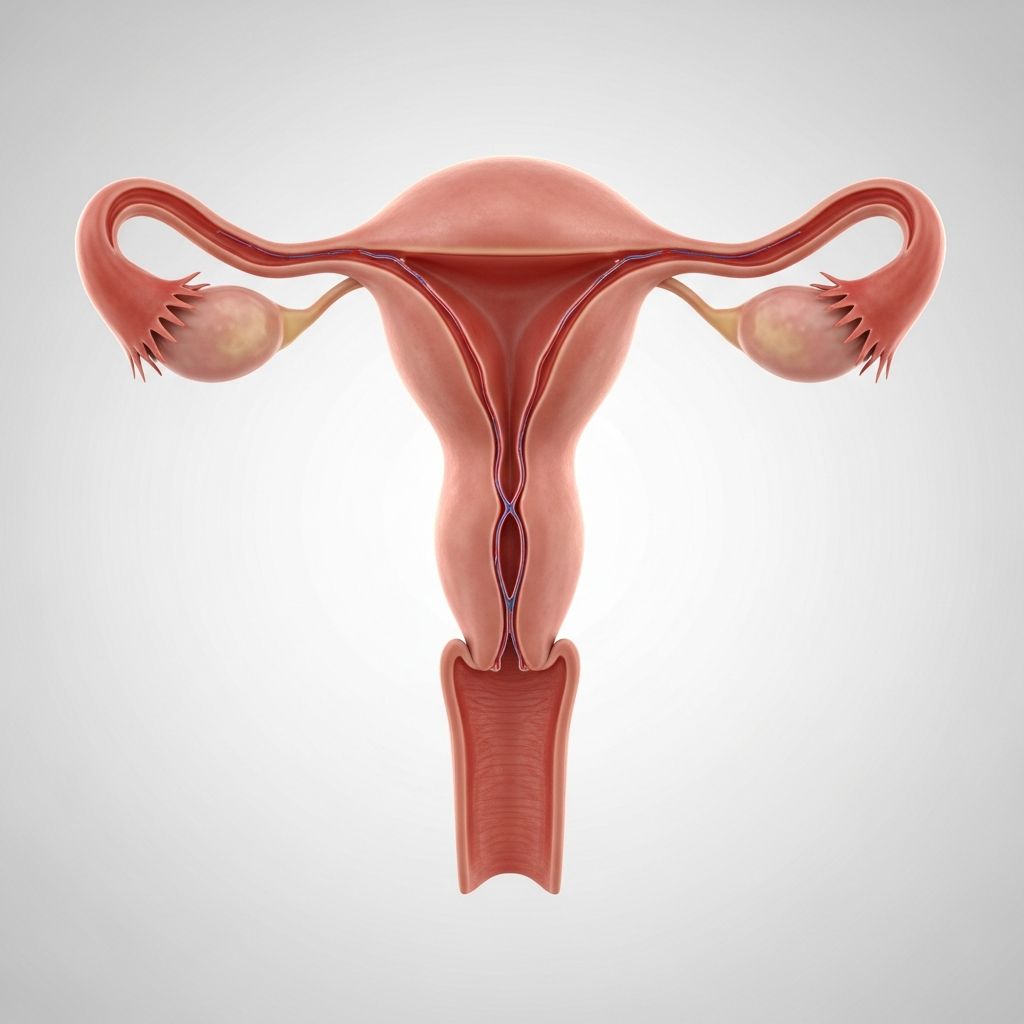
The female reproductive system is a complex network of internal and external organs that play vital roles in fertility, menstruation, sexual activity, and hormone production. This system is responsible for the creation and release of eggs, the regulation of the menstrual cycle, and the support of pregnancy. Understanding its structure and function is essential for maintaining reproductive health and overall well-being.
External Anatomy: The Vulva
The external parts of the female reproductive system are collectively known as the vulva. Many people mistakenly use the term “vagina” to describe all female reproductive parts, but the vagina is just one structure within the system. The vulva includes several key components:
- Labia majora and labia minora: These are the outer and inner folds of skin that protect the vaginal and urethral openings.
- Clitoris: A sensitive organ located at the top of the vulva, involved in sexual pleasure.
- Vaginal opening: The entrance to the vagina, through which menstrual blood exits and sexual intercourse occurs.
- Urethral opening: The opening through which urine exits the body.
The primary functions of the vulva are to protect the internal reproductive organs from infection and to allow sperm to enter the vagina during sexual activity.
Internal Anatomy: Key Organs
The internal organs of the female reproductive system include the vagina, uterus, fallopian tubes, and ovaries. Each organ has a specific role in reproduction and hormone regulation.
Vagina
The vagina is a muscular, stretchy tube that connects the external genitalia to the cervix and uterus. It plays a crucial role in:
- Sexual intercourse
- Menstruation (the passage of menstrual blood)
- Childbirth (the birth canal)
The vagina is positioned between the bladder and the rectum and is supported by pelvic floor muscles and uterine ligaments. Its cells are highly responsive to estrogen, which influences its health and function throughout life.
Uterus
The uterus is a pear-shaped, hollow, muscular organ located between the bladder and the rectum. It is essential for:
- Menstruation
- Fertility
- Pregnancy
During the menstrual cycle, the lining of the uterus (endometrium) thickens in preparation for a potential pregnancy. If fertilization does not occur, the lining is shed as menstrual blood. If an egg is fertilized, it implants into the uterine lining and develops into a fetus.
Fallopian Tubes
The fallopian tubes are two narrow tubes that connect the ovaries to the uterus. They are responsible for:
- Transporting eggs from the ovaries to the uterus
- Providing the site for fertilization (when sperm meets egg)
After ovulation, the egg travels through the fallopian tube, where it may be fertilized by sperm. If fertilization occurs, the fertilized egg moves to the uterus for implantation.
Ovaries
The ovaries are small, oval-shaped glands located on either side of the uterus. They are responsible for:
- Producing eggs (ova)
- Releasing hormones (estrogen and progesterone)
Each month, one ovary releases an egg during ovulation. The hormones produced by the ovaries regulate the menstrual cycle and support pregnancy. Ovarian health is crucial for fertility and overall reproductive function.
Related Stories



Functions of the Female Reproductive System
The female reproductive system performs several key functions:
- Fertility and reproduction: The system enables the production and release of eggs, fertilization, and the development of a fetus.
- Menstruation: The system regulates the menstrual cycle, including the periodic shedding of the uterine lining.
- Sexual activity: The system supports sexual pleasure and intercourse.
- Hormone production: The ovaries produce hormones that regulate the menstrual cycle and support pregnancy.
The Menstrual Cycle
The menstrual cycle is a monthly process that prepares the body for a potential pregnancy. It typically lasts between 21 and 35 days and involves several phases:
- Follicular phase: The ovaries prepare an egg for release.
- Ovulation: An egg is released from the ovary.
- Luteal phase: The uterine lining thickens in preparation for pregnancy.
- Menstruation: If pregnancy does not occur, the uterine lining is shed as menstrual blood.
Menstrual cycles can vary in length and regularity, and changes may occur with age, stress, or medical conditions.
Reproductive Health and Common Conditions
Reproductive health is influenced by various factors, including genetics, lifestyle, and medical conditions. Some common issues include:
- Infertility: Difficulty conceiving due to factors such as ovarian reserve, tubal disease, or hormonal imbalances.
- Menstrual disorders: Irregular, heavy, or painful periods.
- Infections: Bacterial or viral infections affecting the reproductive organs.
- Endometriosis: A condition where uterine tissue grows outside the uterus, causing pain and infertility.
- Polycystic ovary syndrome (PCOS): A hormonal disorder affecting ovulation and fertility.
Regular check-ups with a gynecologist can help detect and manage these conditions.
Menopause and Aging
Menopause is the natural end of the reproductive years, typically occurring between ages 45 and 55. During menopause, the ovaries gradually stop producing hormones, leading to the cessation of menstrual cycles. Symptoms may include hot flashes, mood changes, and vaginal dryness. Hormone therapy and lifestyle changes can help manage these symptoms.
When to Seek Medical Advice
Contact a healthcare provider if you experience:
- Irregular or painful periods
- Unusual vaginal bleeding
- Pelvic pain
- Difficulty conceiving
- Symptoms of infection (e.g., itching, discharge)
Early diagnosis and treatment can prevent complications and improve quality of life.
FAQs
What is the difference between the vulva and the vagina?
The vulva refers to all the external genital organs, while the vagina is the internal muscular tube connecting the vulva to the cervix and uterus.
How does the menstrual cycle work?
The menstrual cycle involves the preparation and release of an egg, thickening of the uterine lining, and shedding of the lining if pregnancy does not occur.
What causes infertility?
Infertility can result from factors such as ovarian reserve, tubal disease, hormonal imbalances, or medical conditions.
What is menopause?
Menopause is the natural end of the reproductive years, marked by the cessation of menstrual cycles and hormonal changes.
How can I maintain reproductive health?
Regular check-ups, a healthy lifestyle, and prompt attention to symptoms can help maintain reproductive health.
References
- Female Reproductive System: Structure & Function — Cleveland Clinic. 2022-11-28. https://my.clevelandclinic.org/health/articles/9118-female-reproductive-system
- Vagina: Anatomy, Function, Conditions & Care — Cleveland Clinic. 2022-11-28. https://my.clevelandclinic.org/health/body/22469-vagina
- Ovaries: Anatomy, Function, Location & Conditions — Cleveland Clinic. 2022-11-28. https://my.clevelandclinic.org/health/body/22999-ovaries
- Uterus: Anatomy, Function, Size, Position & Conditions — Cleveland Clinic. 2022-11-28. https://my.clevelandclinic.org/health/body/22467-uterus
- Menstrual Cycle (Normal Menstruation): Overview & Phases — Cleveland Clinic. 2022-11-28. https://my.clevelandclinic.org/health/articles/10132-menstrual-cycle
Similar Articles








Read full bio of Sneha Tete