Fennel Benefits: 7 Science-Backed Ways It Boosts Health
Discover the impressive health benefits of fennel, from digestive support to antioxidant protection and beyond.
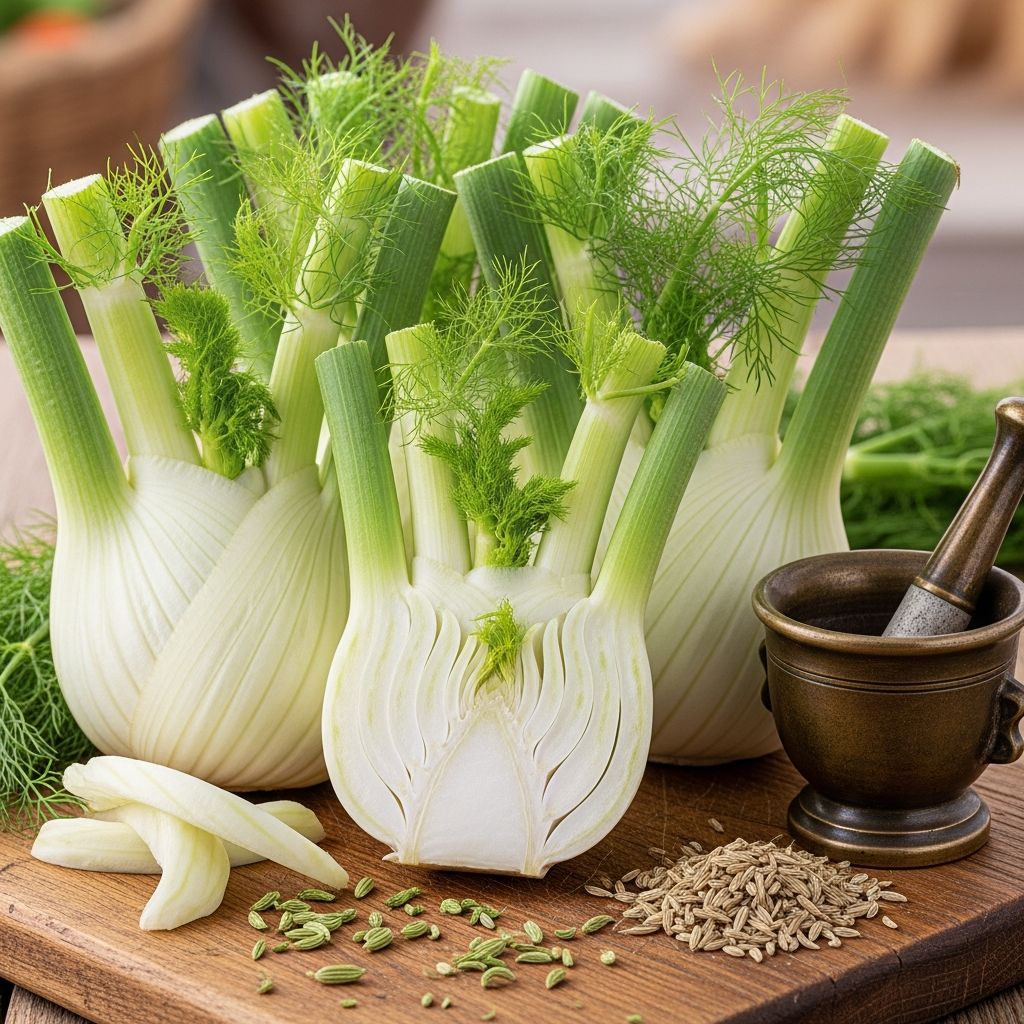
Fennel (Foeniculum vulgare) is a versatile aromatic herb with a licorice-like flavor, used for centuries in culinary and medicinal practices. Rich in fiber, vitamins, minerals, and bioactive compounds like anethole, rosmarinic acid, and quercetin, fennel supports multiple aspects of health from digestion to immunity.
What Is Fennel?
Fennel is a flowering plant in the carrot family, native to the Mediterranean but now grown worldwide. It features a bulbous base, feathery fronds, and small yellow flowers, with all parts—bulb, seeds, leaves, and stalks—being edible. The bulb is crisp and mildly sweet, while seeds deliver a concentrated anise flavor ideal for teas and spices.
Nutritionally, one cup of sliced fennel bulb (87g) provides about 27 calories, 3g fiber (11% DV), vitamin C (12% DV), potassium, and folate. Seeds are denser in antioxidants and volatile oils like fenchone and limonene.
Fennel Nutrition Facts
Fennel stands out for its low-calorie density paired with high nutrient content. Key components include:
- Fiber: Promotes digestive regularity and satiety.
- Vitamin C: Boosts immunity and iron absorption.
- Potassium and Folate: Support heart health by regulating homocysteine.
- Selenium: Aids detoxification and immune modulation.
- Antioxidants: Including polyphenols, flavonoids, and phenolic acids that combat oxidative stress.
| Nutrient | Amount per 1 Cup (87g) Bulb | % Daily Value |
|---|---|---|
| Calories | 27 | 1% |
| Fiber | 3g | 11% |
| Vitamin C | 10.6mg | 12% |
| Potassium | 360mg | 8% |
| Folate | 21mcg | 5% |
This profile makes fennel a heart-healthy, weight-management-friendly food.
7 Science-Backed Health Benefits of Fennel
1. Highly Nutritious
Fennel delivers essential nutrients with minimal calories, making it ideal for nutrient-dense diets. Its fiber content supports gut health, while vitamins like C and K contribute to bone strength and immunity. Minerals such as calcium, iron, and manganese aid collagen production and bone matrix formation.
2. Contain Antioxidants and Anti-Inflammatory Compounds
Fennel is packed with rosmarinic acid, chlorogenic acid, quercetin, and apigenin, which neutralize free radicals and curb inflammation. These compounds protect cells, support graceful aging, and may reduce chronic disease risk like cancer and heart disease.
Polyphenols and anethole further promote normal inflammatory responses and intestinal integrity.
3. May Benefit Heart Health
Fiber in fennel binds cholesterol, while potassium balances sodium to lower blood pressure. B6 and folate convert homocysteine to methionine, preventing arterial damage. Antioxidants reduce oxidative stress linked to cardiovascular disease.
Studies associate regular fennel intake with improved cholesterol profiles and reduced heart attack risk.
4. May Promote Digestive Health and Relieve Constipation
Fennel’s fiber prevents constipation and eases bloating, gas, and indigestion. Anethole supports gut microbiome diversity and reduces bowel inflammation. It’s traditionally used post-meal for digestion, with research confirming relief from IBS symptoms.
Fennel tea soothes colic in infants and heartburn in adults.
5. May Relieve Menstrual Cramps
Fennel rivals ibuprofen for period pain relief by inhibiting oxytocin and prostaglandin production. Its estrogenic compounds like anethole balance hormones, easing cramps and PMS symptoms.
6. May Support Weight Management
As a low-calorie, high-fiber food, fennel promotes fullness and reduces appetite. Studies show it controls food efficiency and supports metabolism via B6, which breaks down carbs and proteins for energy. Phytoestrogens may influence fat distribution.
Related Stories



7. May Have Cancer-Fighting Properties
Selenium in fennel detoxifies carcinogens and boosts T-cell production. Antioxidants like vitamin C and beta-carotene shield DNA from free radical damage. Fiber lowers colorectal cancer risk.
Other Potential Fennel Benefits
Beyond core benefits, fennel supports:
- Respiratory Function: Volatile oils enhance ciliary motility and tracheal contraction for clearer airways.
- Immune Function: Coumarins and flavonoids modulate immunity via anti-inflammatory effects.
- Lactation: Anethole polymers boost prolactin for breast milk production.
- Bone Health: Calcium, phosphate, and vitamin K strengthen bones.
- Metabolism: B6 aids energy production from macronutrients.
How to Add Fennel to Your Diet
Incorporate fennel creatively:
- Raw: Slice bulbs into salads for crunch.
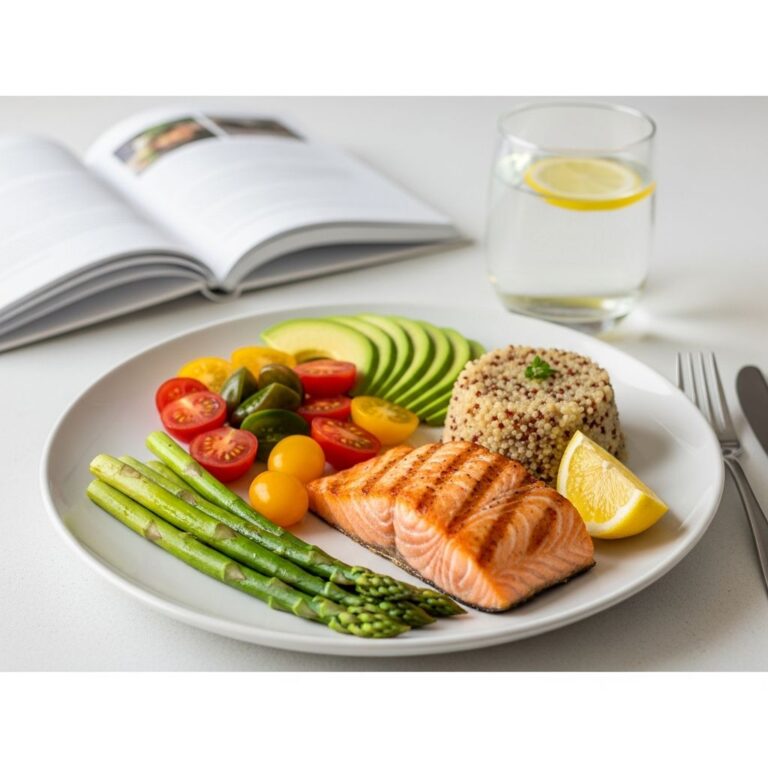
- Cooked: Roast, grill, or sauté with fish, veggies, or meats.
- Seeds: Toast for spice blends or chew post-meal.
- Tea: Steep 1 tsp crushed seeds in hot water for digestion aid.
- Recipes: Use in soups, stews, or as a garnish.
Start with small amounts to assess tolerance.
Fennel Dosage
No standard dose exists, but:
- Culinary: 1-2 tsp seeds or 1 cup bulb daily.
- Tea: 1-3 cups/day.
- Supplements: 480-1200mg extract; consult a doctor.
Side Effects and Precautions
Fennel is safe in food amounts but may cause allergies (skin rash, breathing issues). Estrogenic effects warrant caution in hormone-sensitive conditions like breast cancer. Avoid large doses if pregnant, epileptic, or on blood thinners. Interact with CYP3A4 drugs like statins.
Frequently Asked Questions (FAQs)
Is fennel good for digestion?
Yes, its fiber and anethole relieve gas, bloating, and constipation.
Does fennel help with weight loss?
It promotes satiety and metabolism but works best in a calorie-controlled diet.
Can fennel reduce menstrual cramps?
Studies show it’s as effective as painkillers for cramps.
Is fennel safe during pregnancy?
Limited use in food is okay, but avoid supplements due to estrogenic effects.
What’s the best way to eat fennel?
Raw in salads, roasted, or as tea for maximum benefits.
References
- 9+ Benefits of Fennel Seed — Gaia Herbs. 2023. https://www.gaiaherbs.com/blogs/seeds-of-knowledge/fennel-benefits
- Fennel: Health Benefits, Recipes, Forms, Nutrition and More — Medical News Today. 2023-10-20. https://www.medicalnewstoday.com/articles/284096
- Fennel: Health Benefits, Nutrients, and Recipes — WebMD. 2024. https://www.webmd.com/food-recipes/health-benefits-fennel
- The Effect of Foeniculum Vulgare (Fennel) on Body Composition — PMC (PubMed Central). 2018-01-12. https://pmc.ncbi.nlm.nih.gov/articles/PMC5770526/
- Fennel and Fennel Seeds: Nutrition and Benefits — Healthline. 2023. https://www.healthline.com/nutrition/fennel-and-fennel-seed-benefits
Similar Articles








Read full bio of Sneha Tete