Fentanyl Injection: Uses, Dosage, Side Effects & Safety
Complete guide to fentanyl injection: uses, dosing, side effects, and important safety information.
Fentanyl Injection: A Comprehensive Overview
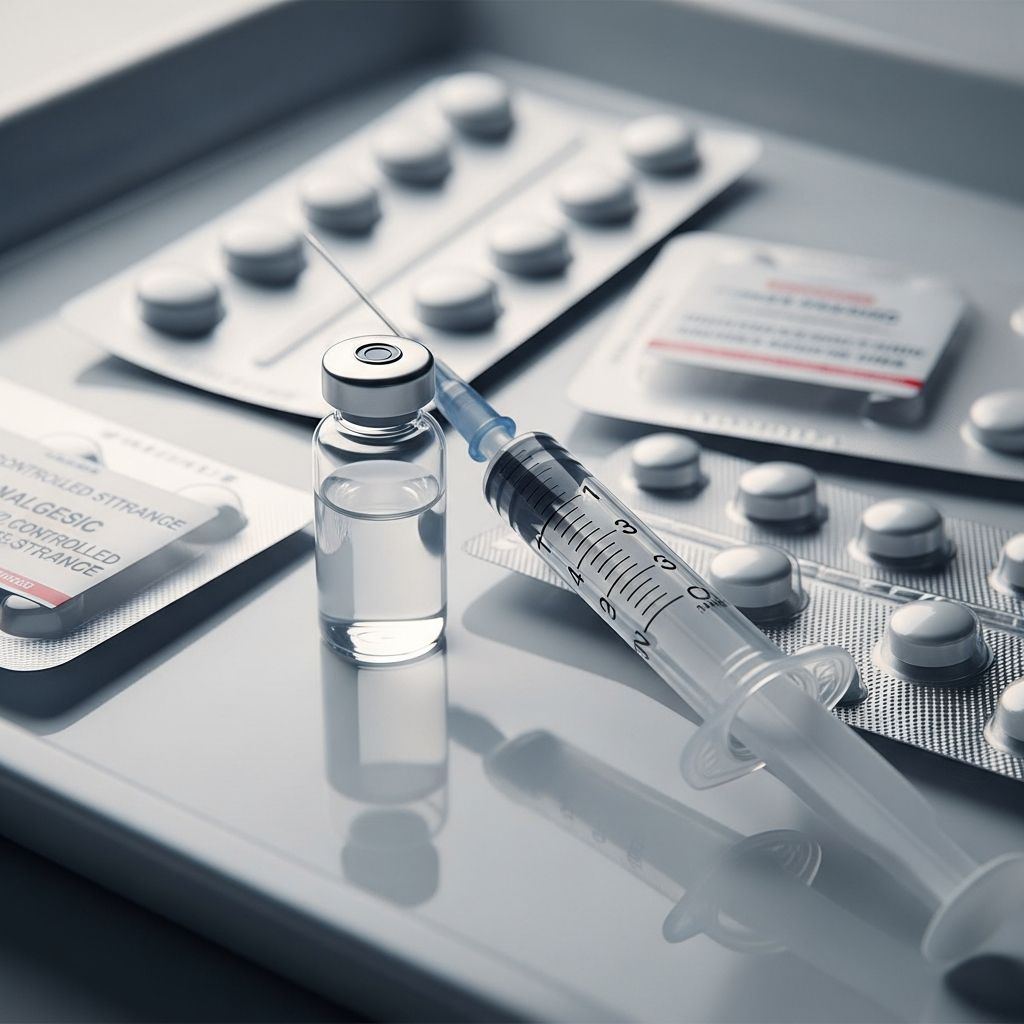
Fentanyl injection is a potent synthetic opioid medication used primarily for pain management and anesthesia in clinical settings. As a Schedule II controlled substance, fentanyl is significantly stronger than morphine and other traditional opioids, making it essential for patients and healthcare providers to understand its proper use, risks, and benefits. This guide provides detailed information about fentanyl injection, including its medical applications, dosing guidelines, potential side effects, and critical safety considerations.
What is Fentanyl Injection?
Fentanyl is a synthetic opioid that works by binding to opioid receptors in the brain and spinal cord, altering the body’s perception and response to pain. Available in injectable form, fentanyl is administered intravenously or intramuscularly in controlled medical environments. The medication is known for its rapid onset of action and potent analgesic properties, making it an important tool in managing severe pain and maintaining anesthesia during surgical procedures.
Medical Uses and Indications
Fentanyl injection serves multiple clinical purposes across various medical specialties. Healthcare providers administer fentanyl for several key indications:
- Management of acute severe pain in hospitalized patients
- Anesthesia induction and maintenance during surgical procedures
- Pain control in emergency departments and critical care settings
- Preoperative medication to reduce anxiety and pain
- Management of breakthrough pain in patients with chronic conditions
- Sedation in mechanically ventilated patients in intensive care units
Dosage and Administration
Standard Dosing Guidelines
Fentanyl dosing varies significantly based on the patient’s age, weight, medical condition, and previous opioid exposure. Healthcare providers carefully calculate doses to achieve adequate pain control while minimizing risks. For intravenous administration, typical doses range from 50 to 100 micrograms, with additional doses administered as needed. The medication typically begins working within minutes of injection, with peak effects occurring within 5-15 minutes depending on the route of administration.
Important Dosing Considerations
- Opioid-tolerant patients may require higher doses than opioid-naive individuals
- Dose adjustments are necessary for elderly patients and those with hepatic or renal impairment
- Healthcare providers must account for concurrent medications that may interact with fentanyl
- Redosing intervals typically range from 30 minutes to 2 hours depending on clinical response
How Fentanyl Works
Fentanyl exerts its effects by acting as a mu-opioid receptor agonist in the central nervous system. The medication crosses the blood-brain barrier readily due to its lipophilic properties, allowing for rapid central nervous system penetration. Once bound to mu-opioid receptors, fentanyl modulates pain signal transmission and enhances descending inhibitory pain pathways. The drug’s high lipid solubility and receptor affinity make it approximately 50-100 times more potent than morphine, requiring careful dose management to prevent adverse effects.
Side Effects and Adverse Reactions
Common Side Effects
Patients receiving fentanyl may experience various side effects, particularly during initial administration or dose increases. Common adverse effects include:
Related Stories



- Drowsiness and sedation
- Dizziness and lightheadedness
- Nausea and vomiting
- Constipation
- Headache
- Itching or rash at injection site
Serious and Life-Threatening Complications
Fentanyl can cause severe complications that require immediate medical attention. Fentanyl-induced muscle rigidity (FIMR), also known as wooden chest syndrome, represents one of the most dangerous potential complications. This condition involves rigid contraction of skeletal muscles, particularly affecting the chest wall, abdominal muscles, and facial muscles. The mechanism involves activation of opioid receptors in the locus coeruleus and subsequent adrenergic signaling, resulting in sustained muscle contraction that can impede ventilation and compromise respiratory function.
Recent research has identified that fentanyl affects not only respiratory function but also circulatory dynamics. The drug’s impact on cardiovascular function can reduce oxygen delivery throughout the body, potentially limiting the effectiveness of rescue medications such as naloxone. Severe oxygen depletion in arterial blood (hypoxemia) becomes a critical concern when fentanyl is combined with other cardiovascular depressants like xylazine or cocaine, dramatically increasing overdose fatality risk.
Respiratory Depression
Respiratory depression represents the most common serious adverse effect of fentanyl. The medication suppresses the central respiratory drive and can cause complete cessation of breathing (apnea). Studies have demonstrated that intravenous fentanyl injection produces apnea in nearly all cases, with spontaneous breathing resuming after 2-3 minutes in most patients. However, without intervention, prolonged apnea can lead to severe hypoxemia and potentially fatal outcomes.
Drug Interactions and Contraindications
Significant Drug Interactions
Fentanyl interacts with numerous medications, potentially resulting in dangerous effects. Healthcare providers must screen for interactions with:
- Other central nervous system depressants (benzodiazepines, alcohol, sedatives)
- Monoamine oxidase inhibitors (MAOIs)
- Anticholinergic medications
- Certain antifungal agents and antibiotics
- Other opioid medications
Concurrent use with central nervous system depressants significantly increases the risk of excessive sedation, respiratory depression, and overdose.
Contraindications
Fentanyl injection should not be administered to patients with:
- Known hypersensitivity to fentanyl or other opioids
- Acute respiratory depression or severe asthma
- Paralytic ileus
- Significant respiratory compromise unrelated to pain or anesthesia requirements
Overdose and Emergency Management
Fentanyl overdose constitutes a medical emergency requiring immediate intervention. The potency and widespread use of fentanyl in illicit drug supplies have contributed to record overdose deaths across the United States, with more than 107,500 overdose deaths recorded in 2023. The increased affinity of fentanyl for mu-opioid receptors combined with its lipid solubility means that significantly higher concentrations of naloxone may be required to reverse overdose effects compared to other opioids.
Emerging Treatment Approaches
Recent research from Cleveland Clinic’s Integrated Hospital Care Institute has identified promising new therapeutic approaches for managing fentanyl-induced complications. Studies have demonstrated that nalfurafine, a kappa-opioid receptor agonist, can effectively reverse fentanyl-induced muscle rigidity and respiratory depression without interfering with analgesia or sedation. This discovery represents a significant advancement in treating severe fentanyl overdose, as it allows for reversal of life-threatening respiratory and muscular complications while maintaining the medication’s pain-relieving properties.
Safety Precautions and Risk Reduction
For Healthcare Providers
Medical professionals administering fentanyl must implement strict safety protocols:
- Verify patient identity and confirm indication for medication
- Assess baseline respiratory rate, oxygen saturation, and blood pressure
- Have resuscitation equipment and naloxone readily available
- Monitor patients continuously during and after administration
- Document dosages and patient responses accurately
- Screen for drug interactions before administration
Preventing Illicit Fentanyl Exposure
The addition of fentanyl to illicit drug supplies has created a public health crisis. Individuals at risk for substance use can reduce overdose risk through several strategies. Fentanyl test strips, while not definitive, may help identify the presence of fentanyl in substances. However, more evidence is needed to confirm their efficacy, particularly as illicit fentanyl becomes increasingly prevalent. Supervised injection facilities, syringe and needle access programs, and access to medications for opioid use disorder represent evidence-based harm reduction strategies.
Special Populations and Considerations
Elderly Patients
Older adults demonstrate increased sensitivity to fentanyl and require dose reductions to prevent excessive sedation and respiratory depression. Aging-related changes in hepatic metabolism and reduced glomerular filtration rate necessitate careful dose adjustment.
Patients with Hepatic or Renal Impairment
Fentanyl undergoes hepatic metabolism and renal clearance. Patients with compromised liver or kidney function require dose reduction and extended dosing intervals to prevent drug accumulation and toxicity.
Opioid-Tolerant Patients
Individuals with chronic opioid exposure require significantly higher fentanyl doses to achieve therapeutic effects compared to opioid-naive patients. Conversely, abrupt discontinuation in opioid-dependent patients may precipitate withdrawal symptoms.
Storage and Handling
Fentanyl injection requires secure storage in a locked container to prevent unauthorized access and diversion. The medication should be stored at controlled room temperature, protected from light and moisture. Expired or unused fentanyl should be disposed of according to controlled substance protocols, never flushed down drains or discarded in regular trash.
Frequently Asked Questions
Q: How long does fentanyl injection remain in the system?
A: Fentanyl’s effects typically last 30 minutes to 2 hours following intravenous injection. However, due to its lipophilic nature, the drug accumulates in fatty tissue and may be detected in blood and urine for longer periods after administration, potentially days to weeks depending on dosing frequency and individual factors.
Q: Can fentanyl be used for chronic pain management?
A: While fentanyl injection is primarily used in acute care settings, fentanyl transdermal patches are available for chronic pain management in opioid-tolerant patients. Injectable fentanyl is generally reserved for acute pain episodes and hospital-based care.
Q: What are the signs of fentanyl overdose?
A: Overdose signs include severe respiratory depression or apnea, pinpoint pupils, loss of consciousness, unresponsiveness to stimuli, extreme drowsiness, and potentially fatal cardiovascular collapse. Immediate emergency care including naloxone administration and respiratory support is necessary.
Q: Is fentanyl addictive?
A: Yes, fentanyl carries significant addiction risk due to its potency and rapid onset of action. Patients using fentanyl in medical settings should receive careful monitoring and education about dependency risks. Medical supervision is essential for safe use.
Q: Why is fentanyl increasingly found in illicit drugs?
A: Illicit manufacturers add fentanyl to drugs like heroin and cocaine because its extreme potency allows them to create highly addictive products with minimal quantity. However, this dramatically increases overdose risk for users unaware of fentanyl’s presence in their substances.
Conclusion
Fentanyl injection represents a critical medication for managing severe acute pain and maintaining anesthesia in medical settings. However, its extreme potency necessitates careful dose calculation, vigilant monitoring, and comprehensive understanding of its risks and benefits. Healthcare providers must implement strict safety protocols, screen for drug interactions, and remain prepared for potential complications including respiratory depression and fentanyl-induced muscle rigidity. Emerging research into treatments like nalfurafine offers new hope for improving outcomes in patients experiencing fentanyl-related complications. For individuals at risk of fentanyl exposure through illicit drug use, harm reduction strategies including supervised injection facilities and access to medications for opioid use disorder represent essential public health interventions.
References
- Nalfurafine reverses fentanyl-induced muscle rigidity and respiratory depression without affecting sedation — National Center for Biotechnology Information (NCBI/PubMed Central). 2024. https://pmc.ncbi.nlm.nih.gov/articles/PMC12118345/
- This research is redefining how we think about fentanyl overdose — Cleveland Clinic Newsroom. 2025-07-14. https://www.lerner.ccf.org/news/article/?title=This+research+is+redefining+how+we+think+about+fentanyl+overdose
- Progress and Challenges: The Community Burden of Opioids in the US — Cleveland Clinic ConsultQD. 2024. https://consultqd.clevelandclinic.org/progress-and-challenges-the-community-burden-of-opioids-in-the-us
- University Hospitals and Cleveland Clinic Partner for National Overdose Awareness Day — University Hospitals Newsroom. 2024-08-01. https://news.uhhospitals.org/news-releases/articles/2024/08/university-hospitals-and-cleveland-clinic-partner-for-national-overdose-awareness-day
Similar Articles








Read full bio of medha deb