Fenugreek Benefits: Health Uses and Scientific Evidence
Discover the science-backed health benefits of fenugreek, from blood sugar control to muscle performance.
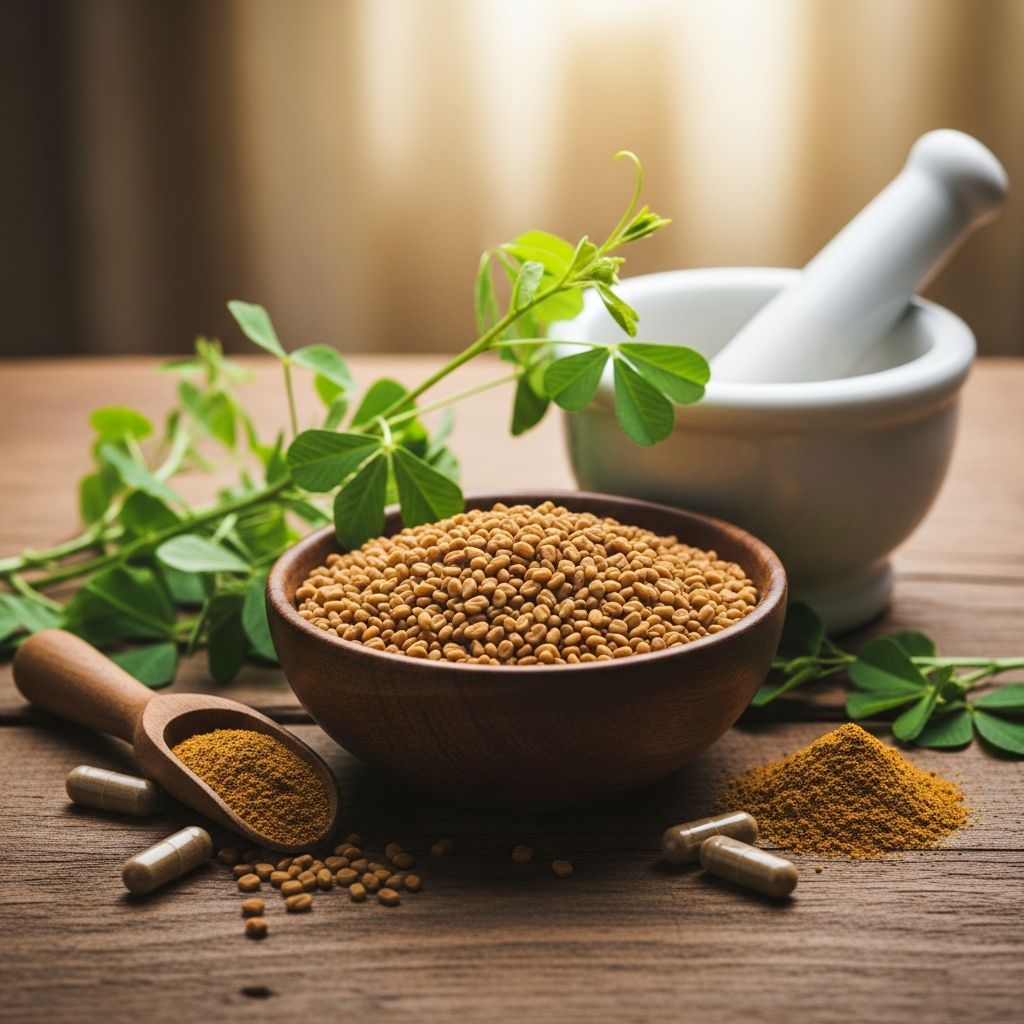
What Is Fenugreek?
Fenugreek is an herb native to the Mediterranean, Europe, and Asia that has been used in traditional medicine and cooking for centuries. The herb is a common ingredient in Indian dishes and is increasingly popular as a dietary supplement. Fenugreek seeds contain numerous bioactive compounds, including galactomannans, flavonoids, coumarins, saponins, and alkaloids that contribute to its therapeutic properties. These plant compounds work synergistically to produce various health benefits that have attracted scientific attention and clinical research.
Blood Sugar Control and Diabetes Management
One of the most well-researched benefits of fenugreek is its ability to help manage blood sugar levels in people with diabetes. The herb works through multiple mechanisms: it appears to slow sugar absorption in the stomach and stimulate insulin secretion, both of which contribute to lowering blood glucose.
Clinical evidence supports these effects. In one study, people with type 2 diabetes who took 5 grams of fenugreek seed powder twice daily for two months experienced significant reductions in fasting blood sugar levels, belly fat, body mass index, and hemoglobin A1c, a key marker of long-term blood sugar control. These improvements occurred without adverse effects, making fenugreek a potentially safe complementary approach to diabetes management.
Testosterone Enhancement and Sexual Function
Fenugreek has gained popularity among men seeking to naturally boost testosterone levels and improve sexual function. Research suggests the herb may help improve levels of testosterone and estrogen, thereby enhancing sexual interest and performance.
In one clinical trial, men taking 300 milligrams of fenugreek twice daily for eight weeks combined with resistance training experienced significant increases in testosterone levels. These participants also showed a notable reduction in body fat compared to the control group, without any decrease in muscle strength. A more recent 2020 study involving 138 male participants found that those taking 600 milligrams of a fenugreek-derived supplement (Testofen) showed decreased body mass and body fat but increased lean mass, along with measurable increases in testosterone concentration. While initial research is promising, scientists note that more studies are needed to fully establish fenugreek’s effectiveness for testosterone enhancement.
Muscle Performance and Strength Development
Athletes and fitness enthusiasts are increasingly turning to fenugreek for its potential to enhance muscle performance and body composition. Scientific reviews have demonstrated that fenugreek supplementation significantly improved muscle strength, muscle endurance (repetitions to failure), and lean body mass while reducing body fat.
In one eight-week human trial, participants taking 500 milligrams of fenugreek extract showed significant improvements in both upper and lower body strength, lean body mass, and body fat reduction compared to placebo, with no reported side effects. Another clinical trial found positive effects of fenugreek extract in enhancing body composition, endurance capacity, muscle strength, and muscle mass (hypertrophy) when used alongside an eight-week calisthenic training program for males. The benefits appear to stem from fenugreek’s ability to increase anabolic and androgenic activity, enhance the rate of glycogen resynthesis following glycogen depletion, and increase muscle creatine uptake.
Related Stories



Aerobic Performance and Fatigue Reduction
Beyond strength gains, fenugreek may also improve aerobic capacity. In a randomized, double-blind, placebo-controlled trial involving 45 untrained women and men, participants who ingested 300 milligrams of fenugreek daily improved aerobic performance and experienced delayed fatigue during exercise. The herb appears to work as an ergogenic aid—a substance that enhances physical performance—by providing nitrogen-containing amino acids, carbohydrates, and other bionutrients essential for exercise performance and muscle function recovery.
Lactation Support for Breastfeeding Mothers
Fenugreek has a long history of traditional use to support milk production in lactating women, and modern research is beginning to validate these claims. In a 2020 case-control study, mothers with newborns who had insufficient milk production were given water soaked with fenugreek seeds. The results showed an associated increase in milk production, as documented by increased frequency of urination and higher weight gain among the newborns whose mothers used fenugreek compared to the control group. This makes fenugreek a potentially valuable natural option for mothers struggling with lactation challenges.
Cholesterol and Lipid Management
Beyond blood sugar control, fenugreek has demonstrated benefits for cardiovascular health. Some evidence indicates that fenugreek can lower both cholesterol and triglyceride levels, important markers of heart disease risk. Additionally, broad spectrum systematic reviews and scientific data have demonstrated that fenugreek and its extracts improve lipid profiles overall.
Appetite Control and Weight Management
For individuals working to manage their weight, fenugreek may offer additional support through appetite suppression. Research has shown reductions in fat intake and appetite with fenugreek supplementation. An older 2009 study found that participants spontaneously reduced their total fat intake by 17% when using fenugreek, suggesting the herb may naturally promote healthier eating patterns. A six-week dietary supplement study combining fenugreek with chitosan, glucomannan, vitamin C, and gymnema sylvestre significantly reduced body weight and fat in obese adults.
Gastrointestinal and Anti-Inflammatory Benefits
Fenugreek possesses notable anti-inflammatory properties, making it potentially useful for various inflammatory conditions. The herb contains 4-hydroxyisoleucine (a nonproteinergic amino acid), apigenins, saponins, and alkaloids that contribute to its anti-inflammatory activity. These effects could help treat exercise-induced injuries and may reduce inflammation throughout the body.
Additionally, an older two-week pilot study of people with frequent heartburn found that fenugreek reduced their symptoms, with effects matching those of antacid medications. The herb has also demonstrated gastroprotective properties in scientific research, making it potentially beneficial for digestive health.
Additional Health Properties
Beyond the primary benefits discussed, fenugreek demonstrates a broad spectrum of health-promoting properties. Scientific evidence indicates that fenugreek has antioxidant, anti-carcinogenic, antimicrobial, immunological, and antiobesity effects. The herb also shows hepatoprotective properties, supporting liver health, and benefits for women’s health generally.
Emerging research suggests that fenugreek may improve cognitive functions and help manage Parkinson’s symptoms. Additionally, the herb has demonstrated antianxiety and antidepressant properties, along with neuroprotective effects that may benefit brain health. Some reviews and anecdotal reports from traditional medicine suggest that fenugreek can improve metabolism and ease digestive issues, though more research is needed to confirm these applications.
How to Use Fenugreek
Fenugreek is available in multiple forms to suit different preferences and needs:
- Seed powder: The traditional form used in cooking and as a supplement, typically consumed at doses ranging from 5 grams daily for diabetes management to higher amounts for other benefits.
- Supplements and extracts: Concentrated forms such as Testofen are used in clinical research and are available as capsules or tablets, with typical doses ranging from 300 to 600 milligrams daily.
- Culinary use: Fenugreek seeds are a common ingredient in Indian cuisine and can be incorporated into soups, curries, and other dishes.
- Water-soaked form: For lactation support, fenugreek seeds can be soaked in water to create a traditional preparation.
Safety and Side Effects
Clinical trials examining fenugreek supplementation have generally reported minimal side effects when used at recommended doses. Eight-week resistance training studies with fenugreek supplementation occurred without any clinical adverse effects. Most users tolerate the herb well, though individual responses may vary. As with any supplement, individuals should consult with healthcare providers before beginning fenugreek supplementation, particularly those taking medications for blood sugar control, hormone-sensitive conditions, or who are pregnant or breastfeeding.
Key Takeaways
Fenugreek is a versatile herb with multiple scientifically-supported health benefits:
- Helps lower blood sugar levels and improve long-term glucose control in people with diabetes
- May enhance testosterone levels and sexual function in men when combined with resistance training
- Improves muscle strength, lean body mass, and exercise performance in resistance training
- Supports milk production in breastfeeding mothers
- May help manage cholesterol and triglyceride levels
- Aids in appetite control and weight management
- Provides anti-inflammatory and digestive benefits
Frequently Asked Questions
Q: How long does it take to see results from fenugreek supplementation?
A: Results vary by health goal and individual factors. For testosterone enhancement and muscle performance, clinical improvements were observed within 8 weeks of consistent use combined with resistance training. For blood sugar management, benefits can appear within 2 months of daily supplementation. Lactation support may show results within days to weeks of use.
Q: Is fenugreek safe for long-term use?
A: Clinical trials have demonstrated safety when fenugreek is used at recommended doses for several weeks to months. However, long-term safety studies are limited, and individuals should consult healthcare providers for guidance on extended use, particularly those with existing medical conditions or taking medications.
Q: Can fenugreek interact with medications?
A: Fenugreek may interact with blood sugar-lowering medications, hormone treatments, and other drugs. Its blood sugar-lowering effects could potentiate diabetes medications, while its hormone-modulating properties might interact with hormone therapies. Consultation with a healthcare provider is essential before combining fenugreek with medications.
Q: What dose of fenugreek is recommended?
A: Effective doses vary by application. For blood sugar management, studies used 5 grams of seed powder twice daily. For testosterone enhancement, 300 milligrams taken twice daily or 600 milligrams of concentrated extract daily showed benefits. For muscle performance, 500 milligrams of extract daily was effective. Always follow product label instructions and consult healthcare providers for personalized dosing.
Q: Is fenugreek appropriate for vegetarians and vegans?
A: Yes, fenugreek is a plant-based herb suitable for vegetarians and vegans. It provides protein and amino acids, making it an attractive supplement for plant-based dieters seeking to support muscle development and overall health.
References
- Fenugreek and Its Effects on Muscle Performance — National Institutes of Health, National Center for Biotechnology Information. 2023. https://pmc.ncbi.nlm.nih.gov/articles/PMC10054907/
- Fenugreek: Uses, Benefits, Side Effects, and More — Healthline Media. 2024. https://www.healthline.com/nutrition/fenugreek
- Fenugreek – Uses, Side Effects, and More — WebMD, LLC. 2024. https://www.webmd.com/vitamins/ai/ingredientmono-733/fenugreek
- The multifaceted potential of fenugreek seeds: From health benefits to food applications — National Institutes of Health, National Center for Biotechnology Information. 2024. https://pmc.ncbi.nlm.nih.gov/articles/PMC11016425/
- Current perspectives on fenugreek bioactive compounds and their applications — Institute of Food Technologists. 2024. https://ift.onlinelibrary.wiley.com/doi/10.1111/1750-3841.16970
- Medicinal Properties of Fenugreek: A Review — The Open Biology Journal. 2023. https://openbiologyjournal.com/VOLUME/11/ELOCATOR/e187503622302220/FULLTEXT/
Similar Articles








Read full bio of medha deb