Fenugreek: Evidence-Based Benefits, Uses, Dosage
Comprehensive guide to fenugreek: traditional herb with modern scientific research on health benefits and safety considerations.
What Is Fenugreek?
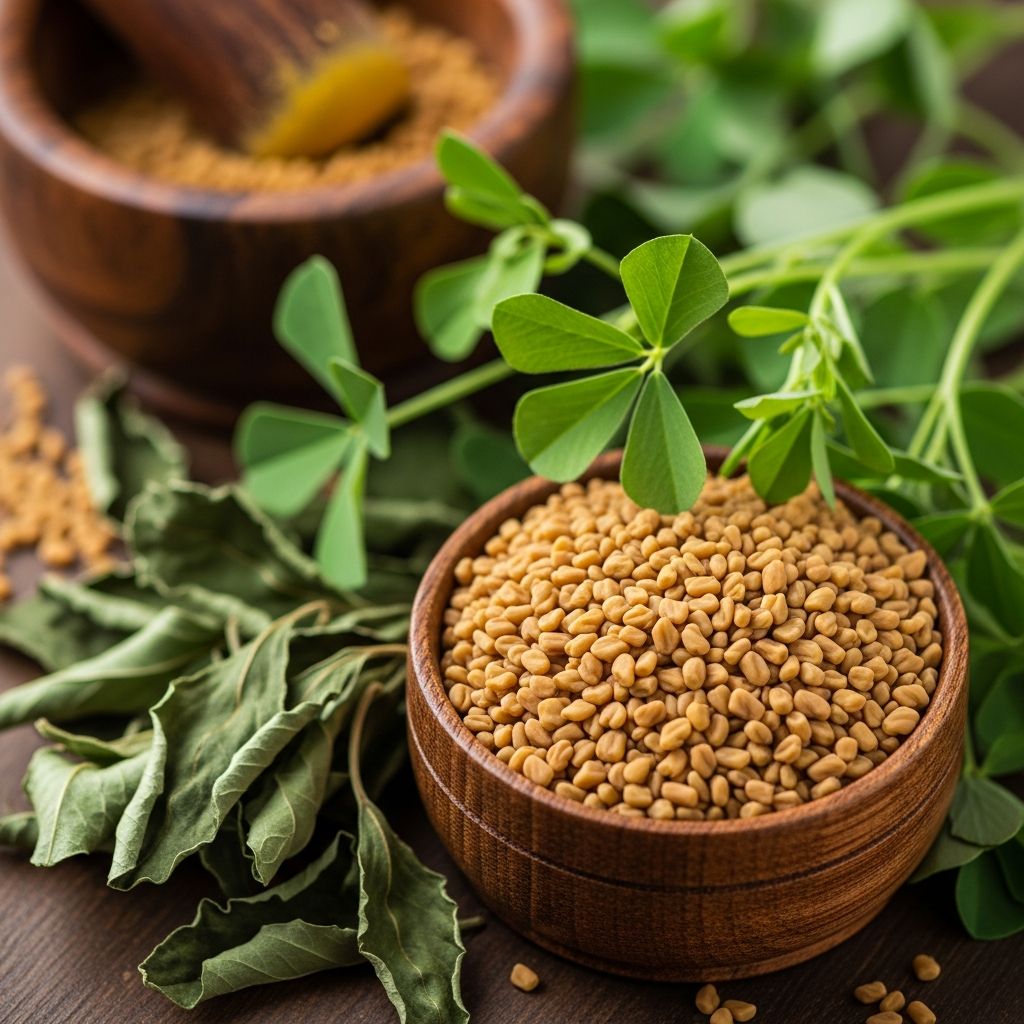
Fenugreek, scientifically known as Trigonella foenum-graecum, is an herb that has been used for centuries in traditional medicine systems, particularly in Ayurvedic and Middle Eastern practices. The plant belongs to the legume family and is native to the Mediterranean region and South Asia. While the leaves of the fenugreek plant are used fresh or dried as an herb, the seeds are the most commonly utilized part for medicinal and nutritional purposes. Fenugreek seeds contain a variety of bioactive compounds, including alkaloids, flavonoids, and saponins, which contribute to their therapeutic potential. Today, fenugreek is available in multiple forms, including seeds, powders, extracts, and dietary supplements, making it accessible to consumers worldwide seeking natural health solutions.
Traditional Uses and Historical Background
Fenugreek has a rich history spanning thousands of years across various cultures. In traditional Indian medicine, fenugreek was used to support digestion, enhance lactation in nursing mothers, and address various inflammatory conditions. Ancient Egyptian and Greek physicians also documented the use of fenugreek for its purported therapeutic benefits. In traditional Chinese medicine, the herb was incorporated into formulations designed to support metabolic function and overall wellness. The widespread use of fenugreek across different continents and cultures speaks to its long-standing reputation as a beneficial herbal remedy. Many traditional uses have now become the subject of modern scientific investigation, with researchers seeking to validate these historical claims through rigorous clinical trials and laboratory studies.
Active Compounds and Mechanisms of Action
The health benefits of fenugreek are attributed to its complex composition of bioactive molecules. The seeds contain 4-hydroxyisoleucine, an amino acid derivative that has shown particular promise in supporting healthy glucose metabolism. Additionally, fenugreek contains galactomannan, a type of soluble fiber that can influence digestive processes and nutrient absorption. The herb also provides various polyphenols and alkaloids with antioxidant and anti-inflammatory properties. Research indicates that fenugreek works through multiple pathways in the body, including effects on carnitine biosynthesis, cholesterol and bile acid metabolism, and arginine biosynthesis. These mechanisms suggest that fenugreek’s benefits may extend beyond single-target interventions, instead offering multifaceted physiological support through several interconnected biological pathways.
Blood Sugar Management and Diabetes
Evidence for Glycemic Control
One of the most extensively studied applications of fenugreek is its potential role in blood sugar management. Numerous clinical trials have demonstrated that fenugreek supplementation can help individuals with diabetes or prediabetes maintain healthier glucose levels. A 2023 systematic review and meta-analysis found that fenugreek can help manage blood sugar levels and improve overall glycemic control by reducing fasting blood sugar (FBS) and HbA1c levels, which are key markers of long-term glucose management. In one clinical trial, fenugreek seed powder improved glucose tolerance by more than 20 percent after just two weeks of treatment in non-diabetic participants. Another trial involving 24 diabetic patients who consumed water-soaked fenugreek seeds for eight weeks showed significant reductions in fasting blood glucose, triglycerides, and VLDL-cholesterol.
Mechanisms for Blood Sugar Regulation
The ability of fenugreek to support healthy blood sugar levels appears to involve multiple mechanisms. The soluble fiber content in fenugreek seeds slows gastric emptying and reduces the rate of carbohydrate absorption, which helps prevent rapid spikes in blood glucose after meals. Additionally, compounds within fenugreek may enhance insulin sensitivity and promote more efficient glucose utilization by peripheral tissues. The herb has also been shown to support healthy pancreatic function, which is essential for proper insulin production and secretion. Recent meta-analyses have confirmed that fenugreek supplementation significantly enhances insulin sensitivity, supporting weight loss efforts and improving lipid profiles—benefits that collectively contribute to better metabolic health in individuals at risk for or managing type 2 diabetes.
Related Stories



Cholesterol and Cardiovascular Health
Beyond its effects on blood sugar, fenugreek has demonstrated significant potential for supporting cardiovascular health through cholesterol management. Systematic reviews and scientific data have shown that fenugreek and its extracts improve both glycemic and lipid profiles. Research indicates that fenugreek supplementation can decrease circulating low-density lipoprotein (LDL) cholesterol while increasing high-density lipoprotein (HDL) cholesterol in individuals consuming high-fat diets. The herb also supports healthy triglyceride levels, another important marker of cardiovascular risk. In animal studies, fenugreek supplementation increased adiponectin expression in subcutaneous adipose tissue, a hormone that plays protective roles in cardiovascular and metabolic health. These effects on lipid metabolism appear to be mediated through changes in intestinal microbiota composition and improvements in cholesterol and bile acid metabolism pathways.
Muscle Performance and Athletic Benefits
Strength and Lean Body Mass
Emerging research has highlighted fenugreek’s potential benefits for individuals engaged in resistance training and strength development. In human trials, fenugreek extract (500 mg) demonstrated significant improvements in upper and lower body strength, lean body mass, and reduction in body fat. A clinical trial found positive effects of fenugreek extract in enhancing body composition, endurance capacity, and muscle strength in males when used alongside an eight-week calisthenic regimen. The supplementation was also associated with improvements in testosterone levels and muscle mass (hypertrophy) from baseline measurements. These findings suggest that fenugreek may be a valuable addition to training protocols designed to optimize muscular development and performance.
Endurance and Fatigue Resistance
Beyond strength gains, fenugreek appears to support aerobic performance and fatigue resilience. In a randomized, double-blind, placebo-controlled trial involving 45 untrained women and men, ingestion of fenugreek (300 mg/day) improved aerobic performance and delayed the onset of fatigue in healthy participants. Studies have also shown that an increase in submaximal fatigue threshold was observed in both fenugreek soluble fiber groups and curcumin plus fenugreek supplementation groups, without alterations in maximal endurance performance (VO2 peak). The presence of fenugreek improved the submaximal performance index in both groups studied. These results suggest that fenugreek may help athletes maintain performance during sustained moderate-intensity exercise, making it a potential ergogenic aid for endurance activities.
Additional Health Benefits
Broad-Spectrum Therapeutic Potential
Research has identified numerous other health-supporting properties of fenugreek beyond its primary applications in glucose and cholesterol management. The herb exhibits antioxidant, anti-carcinogenic, gastroprotective, anti-inflammatory, antimicrobial, and hepatoprotective effects. These diverse properties suggest that fenugreek may play supportive roles in overall health maintenance and disease prevention. Furthermore, studies have reported that fenugreek improved cognitive functions and showed neuroprotective properties, with some evidence suggesting antianxiety and antidepressant effects. These neurological benefits open new avenues for investigating fenugreek’s potential applications in cognitive health and mental wellness.
Women’s Health and Lactation
Fenugreek has gained particular recognition for its potential to support women’s health, particularly regarding lactation. The herb functions as a galactagogue—an agent that promotes milk production in lactating women. This traditional use has made fenugreek one of the most sought-after herbal supplements among breastfeeding mothers seeking to enhance milk supply naturally. The mechanism behind this effect involves the herb’s phytoestrogens and saponins, which may stimulate mammary gland tissue. Beyond lactation support, fenugreek has shown beneficial effects on various hormonal-related statuses in women. However, women considering fenugreek supplementation should consult healthcare providers to ensure appropriateness for their individual circumstances.
Weight Management and Metabolism
Fenugreek seeds have demonstrated appetite-suppressing properties and can help control hunger and reduce food intake. A six-week dietary supplement comprising chitosan, fenugreek, glucomannan, vitamin C, and gymnema sylvestre significantly reduced body weight and fat in obese adults. The appetite-suppressant effects combined with enhanced glucose utilization and fatty acid oxidation in peripheral tissues make fenugreek a potentially valuable tool for individuals seeking natural weight management support. The herb appears to work synergistically with lifestyle modifications to promote sustainable weight loss and metabolic health.
Safety, Side Effects, and Precautions
General Safety Profile
A 2023 systematic review and meta-analysis concluded that fenugreek has no severe side effects and is a safe and beneficial treatment for type 2 diabetes. Clinical trials examining fenugreek’s effects on muscle performance showed it was beneficial during eight weeks of resistance training without any clinical side effects. These findings provide reassurance for consumers considering fenugreek supplementation. However, safety does not mean the absence of all adverse effects; rather, it indicates that serious or life-threatening complications are not typically associated with fenugreek use at recommended dosages.
Potential Side Effects
While generally well-tolerated, some individuals may experience mild gastrointestinal symptoms when taking fenugreek, including digestive upset, diarrhea, or constipation. Some people report a maple syrup-like odor in their urine or sweat, which is harmless but can be noticeable. Allergic reactions are rare but possible, particularly in individuals with legume allergies, as fenugreek belongs to the legume family. Pregnant women should exercise caution with fenugreek supplementation, as some animal studies suggest potential uterotonic effects, though human evidence remains limited. Individuals taking blood-thinning medications or managing blood sugar disorders should consult healthcare providers before starting fenugreek supplementation due to potential interactions.
Drug Interactions and Contraindications
Fenugreek may interact with certain medications, particularly those affecting blood glucose levels or blood clotting. Individuals taking diabetes medications should monitor their blood sugar closely when adding fenugreek supplementation, as the combined effect may result in excessively low blood glucose levels. Similarly, those on anticoagulant or antiplatelet medications should discuss fenugreek use with their healthcare provider. Individuals with hormone-sensitive conditions, such as certain cancers or reproductive health concerns, should consult medical professionals before use.
Current Research Limitations and Future Directions
Despite promising findings, researchers have identified several limitations in current fenugreek research. A 2023 systematic review raised concerns about the quality and variation of studies examining fenugreek’s effects on diabetes management, calling for more rigorous trials to investigate its therapeutic potential. Many studies have been conducted in animal models, and the translation of these findings to humans requires careful interpretation. Additionally, most clinical trials have enrolled relatively small participant numbers, and many have examined only male subjects, limiting the generalizability of findings to diverse populations. Future research should include larger, well-controlled trials involving both men and women across diverse demographic groups to establish optimal dosages, identify responder populations, and clarify mechanisms of action in human physiology.
Dosage and Forms of Fenugreek
Fenugreek is available in multiple forms, each with different concentrations and bioavailability profiles. Whole fenugreek seeds can be consumed directly or brewed as a tea, typically using one to two teaspoons of seeds per cup of hot water. Powdered fenugreek provides a more concentrated form and is often incorporated into capsules or taken mixed with food. Standardized extracts offer consistent amounts of active compounds and are commonly used in clinical research. Dosages in clinical trials have ranged from 300 to 500 mg daily, though optimal dosing may vary depending on individual factors and health status. Most studies examining fenugreek’s benefits have utilized supplementation periods ranging from two weeks to sixteen weeks, suggesting that consistent use over extended periods may be necessary to achieve maximal benefits.
Frequently Asked Questions
Q: How long does it take to see results from fenugreek supplementation?
A: Some studies have shown improvements in blood glucose tolerance within two weeks of fenugreek seed powder consumption, while other benefits such as lean muscle gain typically require six to eight weeks of consistent supplementation combined with appropriate training.
Q: Can fenugreek interact with diabetes medications?
A: Yes, fenugreek may enhance the blood sugar-lowering effects of diabetes medications, potentially leading to hypoglycemia. Individuals taking diabetes medications should consult their healthcare provider and monitor blood glucose levels closely when adding fenugreek.
Q: Is fenugreek safe for pregnant women?
A: Pregnant women should avoid fenugreek supplementation, as some animal studies suggest potential uterotonic effects. However, fenugreek may be appropriate for lactating women seeking to enhance milk production; consultation with a healthcare provider is recommended.
Q: What is the maple syrup smell associated with fenugreek?
A: Some individuals report a maple syrup-like odor in their urine or sweat after consuming fenugreek. This is a harmless side effect caused by metabolic breakdown of fenugreek compounds and typically resolves after discontinuing supplementation.
Q: Can fenugreek replace prescription diabetes medications?
A: No. While fenugreek shows promise in supporting blood sugar management, it should not replace prescribed diabetes medications. It may be used as a complementary therapy alongside conventional treatment, but only under medical supervision.
References
- Fenugreek and Its Effects on Muscle Performance — National Institutes of Health, National Center for Complementary and Integrative Health. 2023-02-15. https://pmc.ncbi.nlm.nih.gov/articles/PMC10054907/
- Cross-Omics Analysis of Fenugreek Supplementation Reveals Metabolic and Microbiome Effects — National Institutes of Health, National Center for Complementary and Integrative Health. 2023-04-12. https://pmc.ncbi.nlm.nih.gov/articles/PMC8998956/
- Fenugreek supplementation during high-fat feeding improves metabolic markers in mice — Nature. 2017-09-28. https://www.nature.com/articles/s41598-017-12846-x
- Fenugreek: Benefits and effects — Medical News Today. 2024-11-20. https://www.medicalnewstoday.com/articles/324334
- Impact of Fenugreek Supplementation on Obesity and Metabolic Disorders — National Institutes of Health, Clinical Trials Database. 2024-10-15. https://clinicaltrials.gov/study/NCT07038577
- The multifaceted potential of fenugreek seeds: From health benefits to mechanisms of action — National Institutes of Health, National Center for Complementary and Integrative Health. 2024-06-18. https://pmc.ncbi.nlm.nih.gov/articles/PMC11016425/
- Fenugreek: Science and Safety — National Institutes of Health, National Center for Complementary and Integrative Health. 2024-08-10. https://www.nccih.nih.gov/
Similar Articles








Read full bio of Sneha Tete