Fermented Foods For Better Gut Health: 7 Mistakes To Avoid
Unlock digestive wellness with fermented foods: probiotics, prebiotics, and gut-friendly nutrition.
Fermented Foods for Better Gut Health
The human gut microbiome plays a crucial role in digestion, immune function, and overall well-being. What you consume directly impacts the balance and diversity of beneficial bacteria in your digestive system. In recent years, fermented foods have emerged as powerful allies in maintaining optimal gut health. These foods contain live microorganisms and beneficial compounds that can transform your digestive wellness and enhance your quality of life.
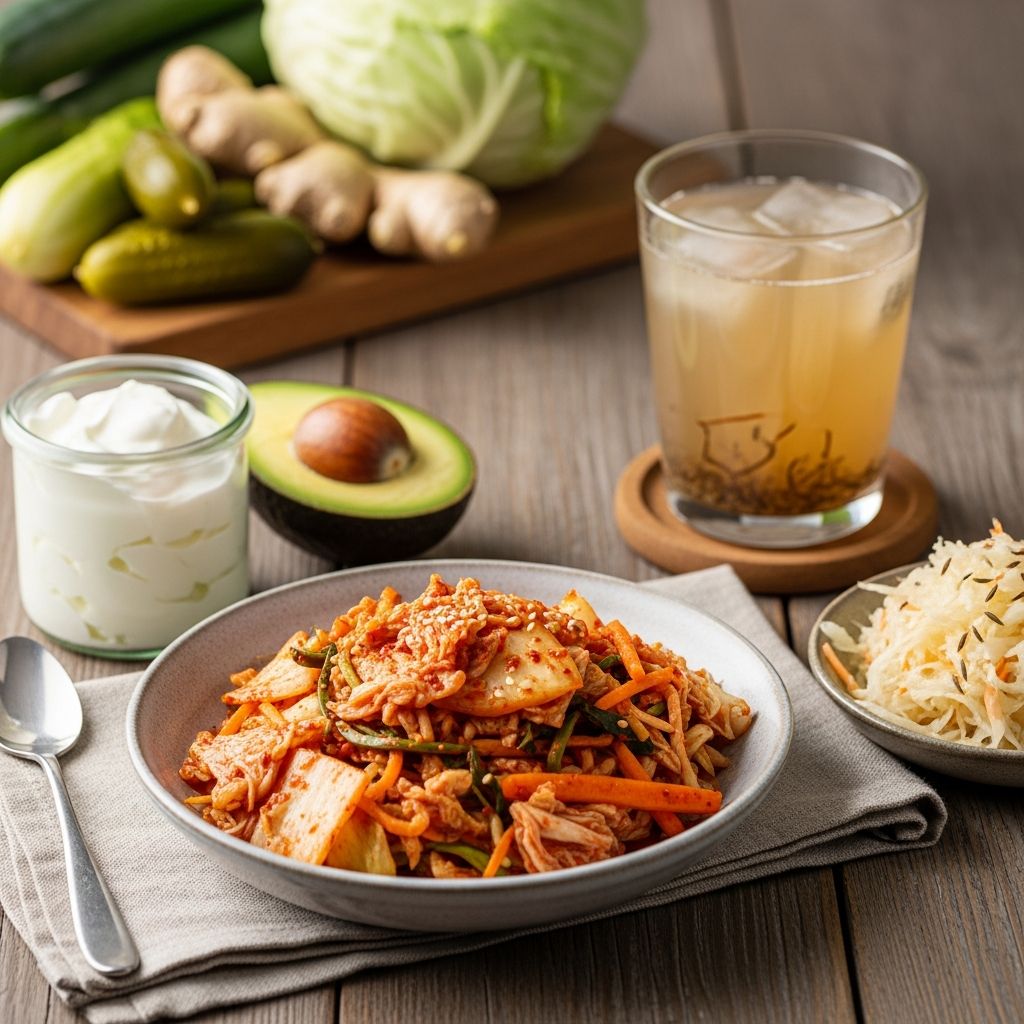
Fermented foods are nutritional powerhouses that have been part of human diets for thousands of years. From traditional yogurt to modern kombucha, these foods offer more than just tangy flavors—they deliver active probiotics and prebiotics that support your digestive system. Understanding how to properly consume fermented foods and avoid common pitfalls can help you maximize their health benefits.
Understanding Fermented Foods and Probiotics
Fermented foods are created through a natural process where beneficial bacteria break down sugars and other compounds in food, creating an environment rich with live cultures. This fermentation process doesn’t just preserve food; it transforms it into a probiotic delivery system that can significantly enhance your gut microbiome.
Probiotics are living microorganisms that provide health benefits when consumed in adequate amounts. These beneficial bacteria help maintain the delicate balance of your gut flora, which is essential for proper digestion and immune function. When you consume fermented foods containing live and active cultures, you’re introducing these beneficial microorganisms directly into your digestive system, where they can flourish and support your health.
Research from Stanford School of Medicine demonstrates that a diet rich in fermented foods enhances the diversity of gut microbes and decreases molecular signs of inflammation. In a clinical trial involving 36 healthy adults, those who followed a 10-week diet high in fermented foods showed increased overall microbial diversity, with stronger effects from larger servings. Additionally, four types of immune cells showed less activation in the fermented-food group, and the levels of 19 inflammatory proteins measured in blood samples decreased significantly.
Common Fermented Foods and Their Benefits
A variety of fermented foods can contribute to your gut health regimen. Each offers unique probiotic strains and nutritional profiles that benefit your digestive system in different ways.
Yogurt and Kefir
Among the most accessible fermented foods, yogurt and kefir are dairy-based products rich in beneficial bacteria. Plain, unsweetened yogurt offers the most benefits, as flavored varieties often contain excessive sugar that can harm gut balance. Kefir, a fermented milk beverage, provides diverse probiotic strains and is particularly effective for those seeking enhanced microbial diversity in their gut microbiome.
Kimchi and Sauerkraut
These fermented vegetable products are cultural staples that deliver powerful probiotic benefits. Kimchi, a spicy fermented cabbage dish, and sauerkraut, its milder European counterpart, both contain multiple strains of beneficial bacteria. These foods not only support digestion but also provide dietary fiber and essential nutrients that feed beneficial bacteria.
Related Stories



Kombucha and Other Beverages
Kombucha, a fermented tea beverage, offers a refreshing way to introduce probiotics into your diet. This drink contains beneficial bacteria and acids that support digestive health. Other fermented beverages like vegetable brine drinks and traditional lassi also provide probiotic benefits in convenient, drinkable forms.
Miso, Tempeh, and Other Fermented Products
Beyond the commonly known options, fermented miso paste, tempeh, and other traditional fermented foods provide additional probiotic strains and unique nutritional benefits. These foods deserve recognition as valuable contributors to a comprehensive gut health strategy.
Critical Mistakes That Undermine Fermented Food Benefits
While fermented foods offer tremendous health potential, consuming them incorrectly can significantly reduce their benefits. Understanding and avoiding these common mistakes is essential for maximizing their probiotic power.
Mistake 1: Not All Fermented Foods Contain Probiotics
One of the biggest misconceptions is that every fermented food automatically contains live probiotics. In reality, most store-bought pickles and processed items do not have beneficial bacteria. Many commercial products use vinegar or preservatives that eliminate live cultures during processing. If your goal is to support gut health, focus on foods that naturally retain probiotics, such as kefir, fresh yogurt, buttermilk, kimchi, and sauerkraut. Homemade dahi is also a reliable source of active cultures.
Mistake 2: Heat Destroys Beneficial Bacteria
Another critical error is consuming fermented foods in ways that kill their probiotics. Heat is the enemy of live bacteria—when sauerkraut, kimchi, or other fermented foods are cooked or fried, the healthy cultures do not survive. For example, while fermented batters in idli, dosa, or dhokla improve digestibility, steaming or frying kills most of the live bacteria. To make the most of live cultures, eat fermented foods raw whenever possible, whether it’s fresh kimchi with rice or a spoonful of sauerkraut on the side.
Mistake 3: Excessive Sugar Content
Flavored yogurts present a deceptive challenge—some contain more sugar than a can of soda with only a few live cultures. If you want genuine gut benefits, always check the packaging for the words “live and active cultures.” Unsweetened, plain yogurt or homemade dahi are better options, providing probiotics without excess sugar that can harm gut balance and feed harmful bacteria rather than beneficial ones.
Mistake 4: Relying on a Single Fermented Food
Gut health thrives on diversity. Eating the same type of yogurt every day, while healthy, won’t be enough to support a wide variety of beneficial bacteria in your gut. Different fermented foods provide different strains of probiotics, which improve digestion, immunity, and even mood regulation. Rotate between options like kefir, miso, kimchi, sauerkraut, kanji, and kombucha to broaden your microbiome.
Mistake 5: Neglecting Overall Nutrition
Probiotics cannot replace the role of fiber, protein, vitamins, and minerals. Relying solely on fermented foods while neglecting vegetables, whole grains, and balanced nutrition won’t deliver the results you want. Think of fermented foods as one part of a bigger picture—supportive tools that enhance digestion but work best alongside a varied, nutrient-rich diet.
Mistake 6: Introducing Fermented Foods Too Quickly
Starting too fast with fermented foods can cause bloating and discomfort. Because probiotics change the balance of gut bacteria, a sudden increase can cause side effects like bloating, gas, and cramps. Start with just a spoonful or two of yogurt, sauerkraut, or kimchi each day and gradually increase the amount. This allows your digestive system to adapt without discomfort, and over time, your body will adjust and you’ll experience the benefits more smoothly.
Mistake 7: Improper Storage
The way fermented foods are stored determines whether they still contain live cultures. Shelf-stable pickles, sauces, or chutneys that sit at room temperature usually contain no probiotics, as they are processed for long-term storage. For real benefits, choose refrigerated options such as fresh sauerkraut, kimchi, yogurt, or homemade lassi and kanji. These retain live bacteria that actively support gut health.
The Science Behind Fermented Foods and Inflammation
Beyond basic digestive support, fermented foods demonstrate impressive anti-inflammatory properties. Interleukin 6, one of the inflammatory proteins that decreases with increased fermented food consumption, has been linked to conditions such as rheumatoid arthritis, Type 2 diabetes, and chronic stress. By incorporating fermented foods into your diet, you’re not just supporting digestion—you’re potentially reducing systemic inflammation that contributes to numerous chronic health conditions.
Microbiota-targeted diets can change immune status, providing a promising avenue for decreasing inflammation in healthy adults. This finding was consistent across all participants who increased their fermented food intake, suggesting a reliable and reproducible health benefit.
Fermented Foods vs. High-Fiber Foods
While both fermented and high-fiber foods support gut health, they work through different mechanisms. Fermented foods directly introduce beneficial microorganisms, while high-fiber foods feed existing beneficial bacteria. Research indicates that fermented foods produce more immediate and consistent improvements in microbiome diversity. However, the most effective approach combines both strategies—consuming fermented foods while maintaining adequate fiber intake from vegetables, whole grains, and legumes.
Building Your Fermented Food Strategy
Starting Your Journey
Begin by selecting one or two fermented foods you enjoy. Start with small portions—perhaps a quarter cup of yogurt or a tablespoon of sauerkraut daily. Observe how your digestive system responds over one to two weeks before increasing portions or adding additional fermented foods to your routine.
Creating Variety
Once your body adapts, gradually introduce different fermented foods. This rotation ensures you’re consuming diverse probiotic strains. A simple weekly rotation might include yogurt three days, sauerkraut two days, kimchi once, and miso soup once.
Choosing Quality Products
When shopping, prioritize refrigerated products and always check labels for “live and active cultures” or “contains probiotics.” Support local producers when possible, as artisanal fermented foods often contain more robust live cultures than mass-produced alternatives.
Frequently Asked Questions
Q: How much fermented food should I consume daily for optimal gut health?
A: Start with small portions—about one-quarter to one-half cup of yogurt or a tablespoon of sauerkraut daily. As your body adapts, you can gradually increase to one to two servings daily. Listen to your body and adjust based on how you feel.
Q: Can I get probiotics from cooked fermented foods?
A: No. Heat destroys live bacteria, so cooked fermented foods won’t provide probiotic benefits. Consume fermented foods raw whenever possible to maximize their beneficial bacteria content.
Q: Are fermented foods safe for everyone?
A: While generally safe for most healthy individuals, those with compromised immune systems, severe digestive disorders, or specific allergies should consult healthcare providers. Start slowly and monitor your response.
Q: What’s the difference between probiotics and prebiotics?
A: Probiotics are live beneficial bacteria, while prebiotics are types of fiber that feed good bacteria. Fermented foods contain both, making them complete gut-health solutions.
Q: How long does it take to notice benefits from fermented foods?
A: Many people notice improvements in digestion within one to two weeks. Broader benefits like enhanced immunity or reduced inflammation may take four to six weeks of consistent consumption.
Q: Can fermented foods replace supplements?
A: Fermented foods provide natural probiotics superior to many supplements because they contain living cultures in their natural matrix. However, specific health conditions may require targeted supplementation alongside dietary fermented foods.
Q: Are homemade fermented foods better than store-bought?
A: Homemade fermented foods often contain more active cultures and allow you to control ingredients and sugar content. However, high-quality store-bought refrigerated options with live cultures are also beneficial.
Conclusion: Making Fermented Foods Part of Your Wellness Journey
Fermented foods represent one of nature’s most effective tools for supporting digestive health and overall wellness. By understanding how to properly select, store, and consume these foods, you can harness their full potential. Avoid common mistakes, prioritize diversity in your fermented food choices, and combine them with balanced nutrition for optimal results. Whether you’re addressing specific digestive concerns or simply seeking to enhance your health, fermented foods offer a delicious and scientifically-supported path to better gut health. Start small, be patient, and allow your microbiome to gradually adapt to these beneficial foods. Your digestive system—and your entire body—will thank you.
References
- Fermented-food diet increases microbiome diversity, decreases inflammation — Stanford School of Medicine. 2021-07-13. https://med.stanford.edu/news/all-news/2021/07/fermented-food-diet-increases-microbiome-diversity-lowers-inflammation.html
- Fiber and fermented foods may aid microbiome, overall health — Harvard School of Public Health. 2024. https://hsph.harvard.edu/news/fiber-fermented-food-microbiome/
- 7 common fermented food mistakes harming your gut and how to fix them — Times of India. 2024-12-01. https://timesofindia.indiatimes.com/life-style/health-fitness/health-news/7-common-fermented-food-mistakes-harming-your-gut-and-how-to-fix-them-says-harvard-and-aiims-gastroenterologist/articleshow/124039673.cms
- AIIMS, Harvard gastroenterologist ranks 6 common foods for gut health — Hindustan Times. 2024. https://www.hindustantimes.com/lifestyle/health/aiims-harvard-gastroenterologist-ranks-6-common-foods-for-gut-health-fermented-foods-score-highest-101749382883038.html
Similar Articles








Read full bio of Sneha Tete