Fermented Pickles: Probiotic Benefits And How To Make
Discover why fermented pickles boost gut health, immunity, and nutrition—unlike vinegar pickles. Learn to spot the real probiotic powerhouses.
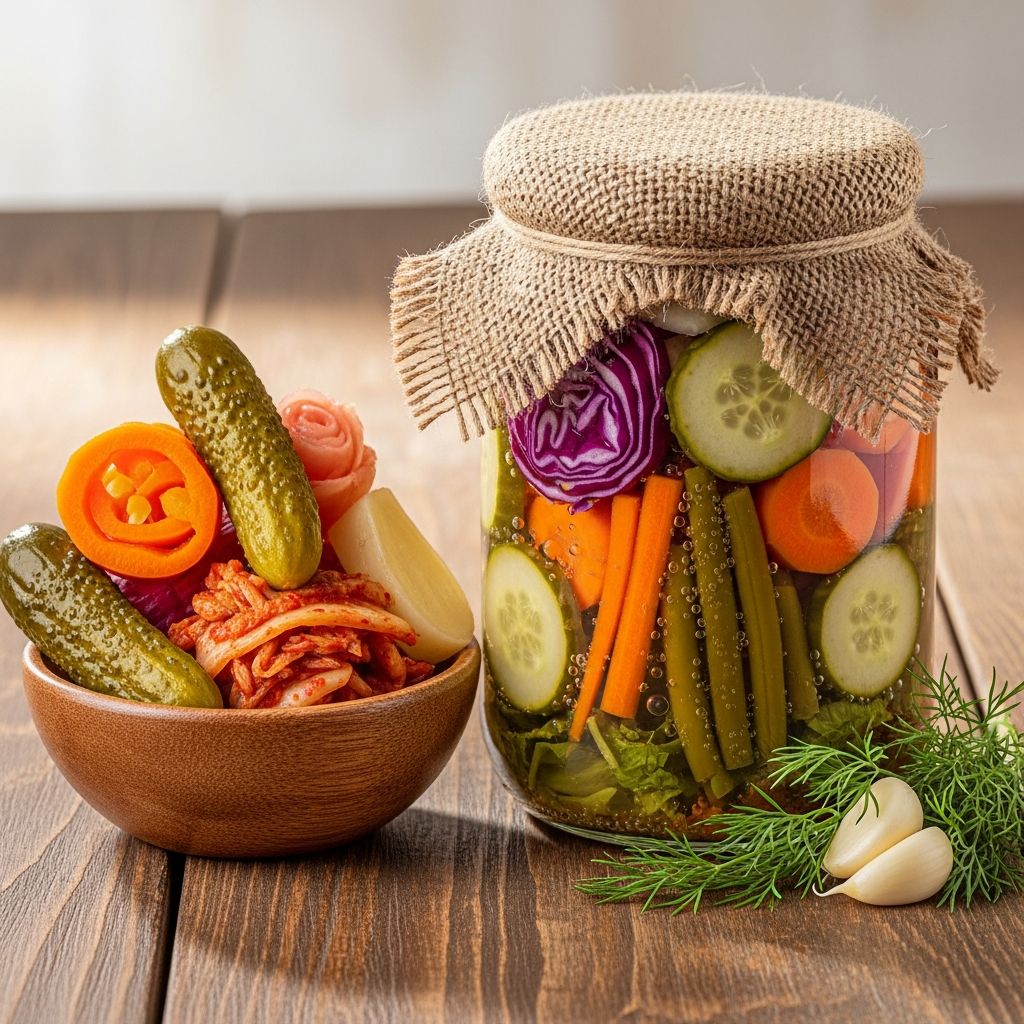
Fermented pickles, made through natural lacto-fermentation, offer significant health advantages over vinegar-pickled varieties, primarily due to their live probiotics that support gut microbiome diversity, digestion, immunity, and nutrient absorption.
Unlike shelf-stable vinegar pickles, which are sterilized and lack beneficial bacteria, fermented pickles undergo a process where naturally occurring Lactobacillus bacteria convert sugars into lactic acid in a brine environment, creating an anaerobic setting ideal for probiotic growth. This results in tangy, crunchy snacks packed with live cultures that research links to reduced inflammation, better blood sugar control, and enhanced overall wellness.
What Are Fermented Pickles?
Fermented pickles are cucumbers (or other vegetables) preserved through lacto-fermentation, a traditional method using salt brine to encourage beneficial bacteria. These bacteria, inherent to the produce, produce lactic acid that preserves the food while generating probiotics.
The process begins with fresh cucumbers submerged in a saltwater brine (typically 3-5% salt). Over days to weeks at room temperature, lactic acid bacteria like Lactiplantibacillus plantarum ferment sugars into lactic acid, lowering pH to inhibit pathogens. Bubbles in the brine signal active fermentation—a sign of live probiotics at work.
Key distinction: Fermentation creates acid naturally via bacteria, while vinegar pickling adds acetic acid directly, killing all microbes and eliminating probiotic benefits. Fermented varieties must remain refrigerated and unpasteurized to retain live cultures.
Fermented vs. Vinegar Pickles: Key Differences
Not all pickles are created equal. Most store-bought “dill pickles” are vinegar-based, heat-pasteurized for shelf stability, and devoid of probiotics. Here’s a breakdown:
| Aspect | Fermented Pickles | Vinegar Pickles |
|---|---|---|
| Process | Lacto-fermentation with brine and natural bacteria | Acidified with vinegar, often pasteurized |
| Probiotics | Live cultures (e.g., Lactobacillus) | None—heat/vinegar kills bacteria |
| Storage | Refrigerated (live fermentation continues slowly) | Shelf-stable at room temperature |
| Labels to Look For | “Fermented,” “live cultures,” “unpasteurized,” bubbles in jar | “Pickled,” “pasteurized,” vinegar listed first |
| Health Edge | Gut-supporting probiotics, enhanced nutrients | Basic preservation, low sodium options available |
Fermented pickles support a diverse microbiome, while vinegar ones offer crunch but little beyond flavor and minor antioxidants.
Health Benefits of Fermented Pickles
Fermented pickles shine due to probiotics, bioactive compounds, and improved nutrient profiles from fermentation. Studies highlight benefits across gut, immune, and metabolic health.
Probiotics for Gut Health
The star feature: live probiotics that populate the gut microbiome. These “good” bacteria aid digestion, nutrient absorption, vitamin synthesis (like B and K), and immune regulation. A diverse microbiome correlates with lower chronic inflammation, better weight management, and disease prevention.
Fermented foods feed colon bacteria, providing fiber and phenolic compounds from spices. Probiotics like those in pickles produce antibacterial peptides (e.g., nisin, FDA-approved), combating pathogens. Research shows regular intake regulates intestinal flora, reducing issues like IBS and bloating.
Nutritional Boost
Fermentation enhances bioavailability: proteins break into free amino acids, vitamins (C, A, K) increase or stabilize, and antioxidants like flavonoids and phenols rise. Pickles deliver potassium, calcium, and fermented compounds fighting oxidative stress.
Unlike fresh veggies, fermentation concentrates polyphenols, making fermented chayote (similar process) outperform fresh in protecting liver cells from damage.
Immune System Support
Alkyl catechols from fermentation activate defense pathways against oxidative stress, cancer, and neurodegeneration. Probiotics modulate immunity, reducing chronic disease risk. Fermented veggies lower nitrite levels via organic acids, improving safety and flavor.
Blood Sugar and Anti-Inflammatory Effects
Probiotics may stabilize blood sugar by improving insulin sensitivity. Antioxidants combat inflammation linked to diabetes and heart disease.
Related Stories



How to Spot Real Fermented Pickles
- Refrigerated Section: Live pickles aren’t shelf-stable—head to the fridge aisle, often near cheeses or artisanal foods.
- Label Check: Seek “fermented,” “raw,” “unpasteurized,” “live cultures,” or “probiotic.” Avoid “pasteurized” or vinegar as primary ingredient.
- Visual Cues: Bubbles or cloudiness indicate active bacteria. Crunchy texture from proper fermentation.
- Ingredients: Salt, water, cucumbers, spices—no vinegar or preservatives.
Brands like Bubbies, Real Pickles, or Cleveland Kraut offer verified fermented options.
How to Make Fermented Pickles at Home
DIY fermentation is simple, cost-effective, and ensures probiotic purity. Basic recipe for 1 quart jar:
- Wash 4-6 small cucumbers; trim ends. Pack into sterilized jar with dill, garlic, spices.
- Brine: Dissolve 2 Tbsp non-iodized sea salt in 2 cups filtered water (3-5% salinity).
- Pour brine over cukes, leaving 1-inch headspace. Use weight to submerge.
- Cover loosely; ferment at 65-75°F for 3-14 days. Taste daily—bubbles mean success.
- Refrigerate when tangy to slow fermentation. Lasts months.
Tips: Use oak leaves or grape leaves for crunch; avoid chlorinated tap water.
Potential Downsides and Safety
High sodium (reduce intake or rinse). Rare risks: improper fermentation can allow pathogens—use fresh produce, proper salt, hygiene. High-pressure processing (HPP) in commercial products inactivates spoilers while preserving probiotics, but check labels.
Nitrite concerns minimal in mixed-strain ferments. Start slow to avoid digestive upset from sudden probiotic surge.
Frequently Asked Questions (FAQs)
Are all pickles fermented?
No. Most are vinegar-pickled and lack probiotics. Look for refrigerated, unpasteurized labels.
Can fermented pickles help with digestion?
Yes, probiotics support microbiome balance, easing bloating and improving regularity.
Are fermented pickles safe during pregnancy?
Homemade ones carry botulism risk if mishandled; opt for commercial refrigerated brands.
How long do fermented pickles last?
Refrigerated: 4-6 months. Continue fermenting slowly for evolving flavor.
Do fermented pickles have calories?
Low: ~12 per spear, mostly from cucumbers. Sodium is the main watchpoint.
Incorporate Fermented Pickles Into Your Diet
Enjoy as snacks, sandwich toppers, salads, or charcuterie. Pair with meals for probiotic boost. Aim for 1-2 servings daily alongside diverse ferments like kimchi, sauerkraut.
Fermented pickles exemplify how simple foods can profoundly impact health via the gut-brain axis.
References
- In a Pickle? Unveiling Gut-Friendly Pickles for Your Health — Stanford Lifestyle Medicine. 2023. https://lifestylemedicine.stanford.edu/in-a-pickle-unveiling-gut-friendly-pickles-for-your-health/
- The Truth About Pickles: Are They Healthy or Harmful? — Food Revolution Network. 2023. https://foodrevolution.org/blog/are-pickles-healthy/
- Fermented Vegetables: Health Benefits, Defects, and Current… — National Institutes of Health (PMC). 2023-12-22. https://pmc.ncbi.nlm.nih.gov/articles/PMC10777956/
Similar Articles








Read full bio of medha deb