Ferritin Blood Test: Ranges, Causes, Symptoms, And Next Steps
Unlock insights into your iron reserves with the ferritin blood test: detect deficiencies, overloads, and monitor chronic health effectively.
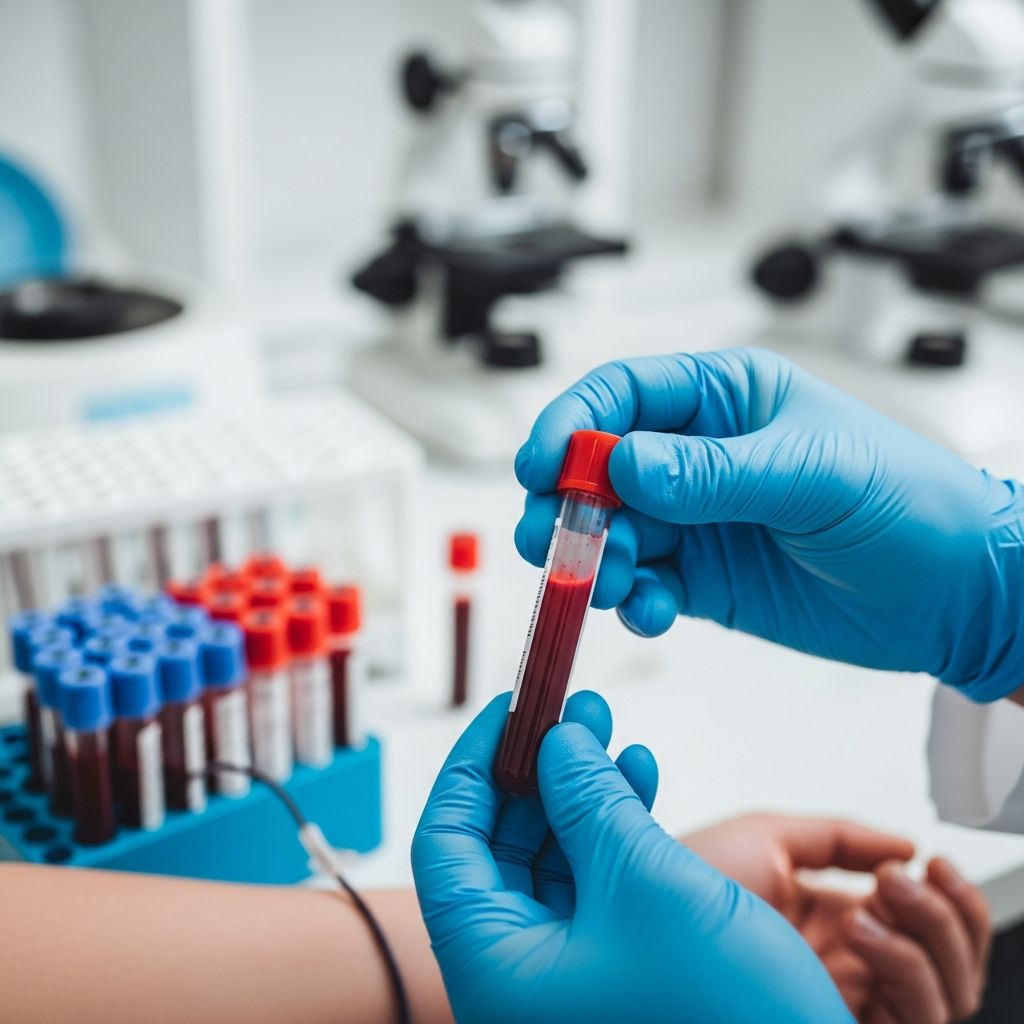
The ferritin blood test is a key diagnostic measure that evaluates the amount of ferritin, a crucial protein responsible for storing iron in the body’s cells. This test provides vital information about iron reserves, helping to identify deficiencies that lead to anemia or excesses that signal potential overload disorders.
Understanding Ferritin and Its Vital Role
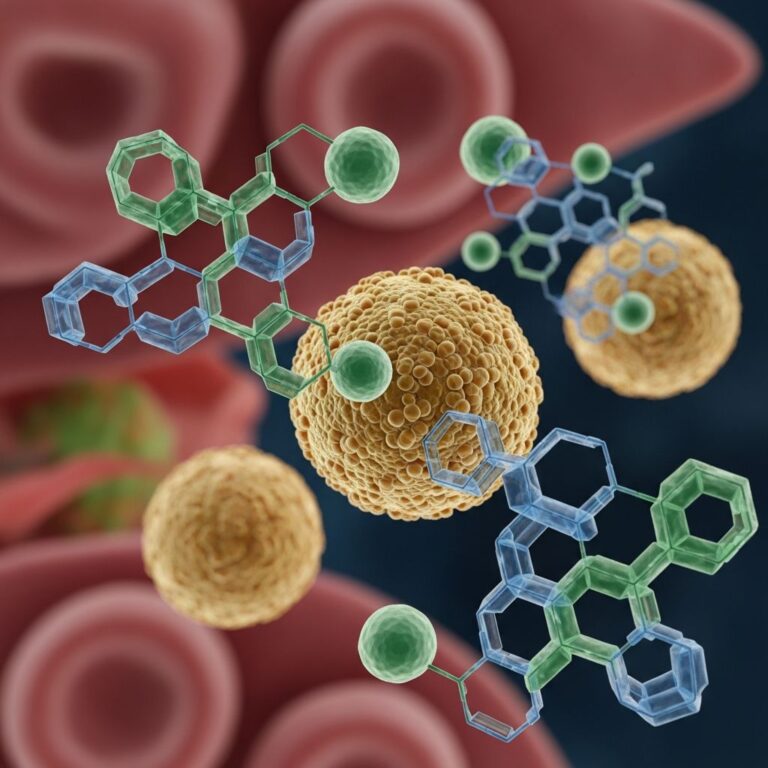
Ferritin acts as the body’s primary iron reservoir, binding and holding iron until it is needed for essential functions like red blood cell production and oxygen transport. Stored mainly in the liver, spleen, and bone marrow, ferritin ensures a steady supply for hemoglobin synthesis, muscle function, and overall cellular health. Without adequate ferritin, the body struggles to maintain energy levels and tissue repair.
Iron from dietary sources or recycled red blood cells is packaged into ferritin molecules. When iron demand rises—such as during growth spurts, pregnancy, or blood loss—ferritin releases it efficiently. This dynamic storage system prevents both scarcity and toxic buildup, making ferritin levels a reliable indicator of iron status.
Purposes of the Ferritin Test
Healthcare providers order ferritin tests primarily to assess iron storage and diagnose related disorders. It is often part of a broader iron panel, including serum iron and total iron-binding capacity (TIBC), for a complete picture.
- Diagnosing iron deficiency anemia, the most common nutritional deficiency worldwide, especially in women, children, and those with poor diets.
- Detecting iron overload conditions like hemochromatosis, where excess iron accumulates in organs, causing damage.
- Monitoring chronic illnesses such as kidney disease, cancer, or autoimmune disorders that disrupt iron metabolism.
- Evaluating liver health, as ferritin is released into the blood during inflammation or damage.
- Investigating symptoms like restless legs syndrome linked to low iron stores.
Who Benefits from This Test?
Certain groups face higher risks for iron imbalances, making regular ferritin testing advisable. Women with heavy menstrual cycles, pregnant individuals, vegetarians, and endurance athletes often have depleted stores due to increased demands or limited absorption.
Patients with gastrointestinal issues like celiac or Crohn’s disease may absorb iron poorly. Those on dialysis, with frequent blood donations, or undergoing treatments like chemotherapy also require monitoring. Children, particularly if underweight or recently transfused, benefit from checks to rule out anemia impacts on development.
| Risk Group | Reason for Testing |
|---|---|
| Women of reproductive age | Heavy periods, pregnancy |
| Vegetarians/vegans | Lower heme iron intake |
| Chronic disease patients | Kidney, liver, cancer issues |
| Athletes/children | High demands, growth needs |
Signs Prompting a Ferritin Test
Low iron symptoms often develop gradually, mimicking other conditions. Common indicators include persistent fatigue, weakness, pale skin, shortness of breath, dizziness, and cold intolerance. Heart palpitations or pica (craving non-food items like ice) may also appear.
Related Stories



Conversely, high ferritin signals include joint pain, abdominal discomfort, fatigue despite rest, skin discoloration (bronze or gray tones), and loss of libido. These warrant prompt testing to prevent organ damage from iron deposition.
Normal Ferritin Ranges Explained
Ferritin levels vary by age, sex, and lab standards, measured in nanograms per milliliter (ng/mL). Generally:
- Men: 20-250 ng/mL
- Women: 10-120 ng/mL
- Children: 7-140 ng/mL (varies by age)
Levels below 30 ng/mL suggest depletion, while over 300 ng/mL (men) or 200 ng/mL (women) indicate potential overload. Inflammation can elevate readings, so context is key.
Preparing for Your Test
Minimal preparation is needed for most ferritin tests. Fasting for 8-12 hours may be required if combined with other blood work, but confirm with your provider. Avoid iron supplements, vitamin C, or alcohol 24 hours prior, as they can skew results. Inform your doctor of recent transfusions, infections, or medications like antacids.
The Testing Process Step-by-Step
Performed in a clinic or lab, the procedure is quick and low-risk. A phlebotomist cleans the arm, applies a tourniquet, and draws blood from a vein using a needle. Pressure stops bleeding, and the sample is analyzed via immunoassay for ferritin concentration. Results typically arrive in 1-3 days.
Immunoassays use antibodies to detect ferritin precisely, offering high sensitivity even at low levels. No special post-test care is needed beyond monitoring the puncture site.
Interpreting Your Results
Low ferritin (<30 ng/mL) points to iron deficiency, often from blood loss, poor diet, or malabsorption. Treatment involves iron-rich foods, supplements, and addressing root causes.
High ferritin (>300 ng/mL) may reflect overload, inflammation, liver issues, or malignancy. Further tests like genetic screening for hemochromatosis or imaging follow.
Always review results with a healthcare professional, as ferritin alone doesn’t diagnose—it’s interpreted alongside symptoms and other labs.
Low Ferritin: Causes and Solutions
Primary causes include chronic blood loss (e.g., ulcers, menstruation), inadequate intake, or absorption problems. Solutions: dietary boosts (red meat, spinach, lentils), oral iron therapy, and treating underlying conditions. Retest after 3 months to track improvement.
High Ferritin: Risks and Management
Excess can damage the heart, liver, and pancreas. Phlebotomy (blood removal) or chelation therapy manages hereditary overload. Lifestyle changes like limiting alcohol and iron supplements help.
Ferritin in Chronic Disease Monitoring
In conditions like rheumatoid arthritis or cancer, ferritin rises as an acute-phase reactant. Serial testing tracks disease activity and treatment response, aiding prognosis.
Frequently Asked Questions (FAQs)
What if my ferritin is low but hemoglobin is normal?
This indicates early iron deficiency before anemia develops. Address it promptly to prevent progression.
Can ferritin levels fluctuate daily?
Minor variations occur, but trends over time are more reliable. Avoid testing during acute illness.
Is the test safe for children?
Yes, with smaller needles; it helps diagnose growth-related anemias.
How often should I test?
Depends on risk: annually for at-risk groups, more frequently during treatment.
Does pregnancy affect results?
Yes, demands increase; routine screening is recommended.
Advancing Ferritin Research
Recent studies highlight ferritin’s prognostic value in severe diseases, correlating high levels with worse outcomes in infections or inflammation. It serves as a biomarker beyond iron status.
References
- Ferritin Test – Riverside Medical Care, Urgent Care — PromiseCare. 2023. https://promisecare.com/tests-procedures/ferritin-test/
- Ferritin Blood Test: MedlinePlus Medical Test — MedlinePlus (U.S. National Library of Medicine). 2024-02-12. https://medlineplus.gov/lab-tests/ferritin-blood-test/
- Blood Test: Ferritin (Iron) — Rady Children’s Health. 2023. https://www.rchsd.org/health-article/blood-test-ferritin-iron/
- Ferritin Blood Test: High vs. Low Levels — WebMD. 2024-01-15. https://www.webmd.com/a-to-z-guides/ferritin-blood-test
- Ferritin Test: Levels & Test Results — Cleveland Clinic. 2024. https://my.clevelandclinic.org/health/diagnostics/17820-ferritin-test
- Ferritin blood test: Understand iron levels, anemia & results — Labcorp OnDemand. 2024. https://www.ondemand.labcorp.com/lab-tests/ferritin-test
- The Role of Ferritin in Health and Disease: Recent Advances — PMC (PubMed Central). 2022-07-20. https://pmc.ncbi.nlm.nih.gov/articles/PMC9320524/
Similar Articles








Read full bio of medha deb