Fertility and Diet: Is There a Connection?
Discover how dietary choices impact fertility in both men and women with science-backed insights.
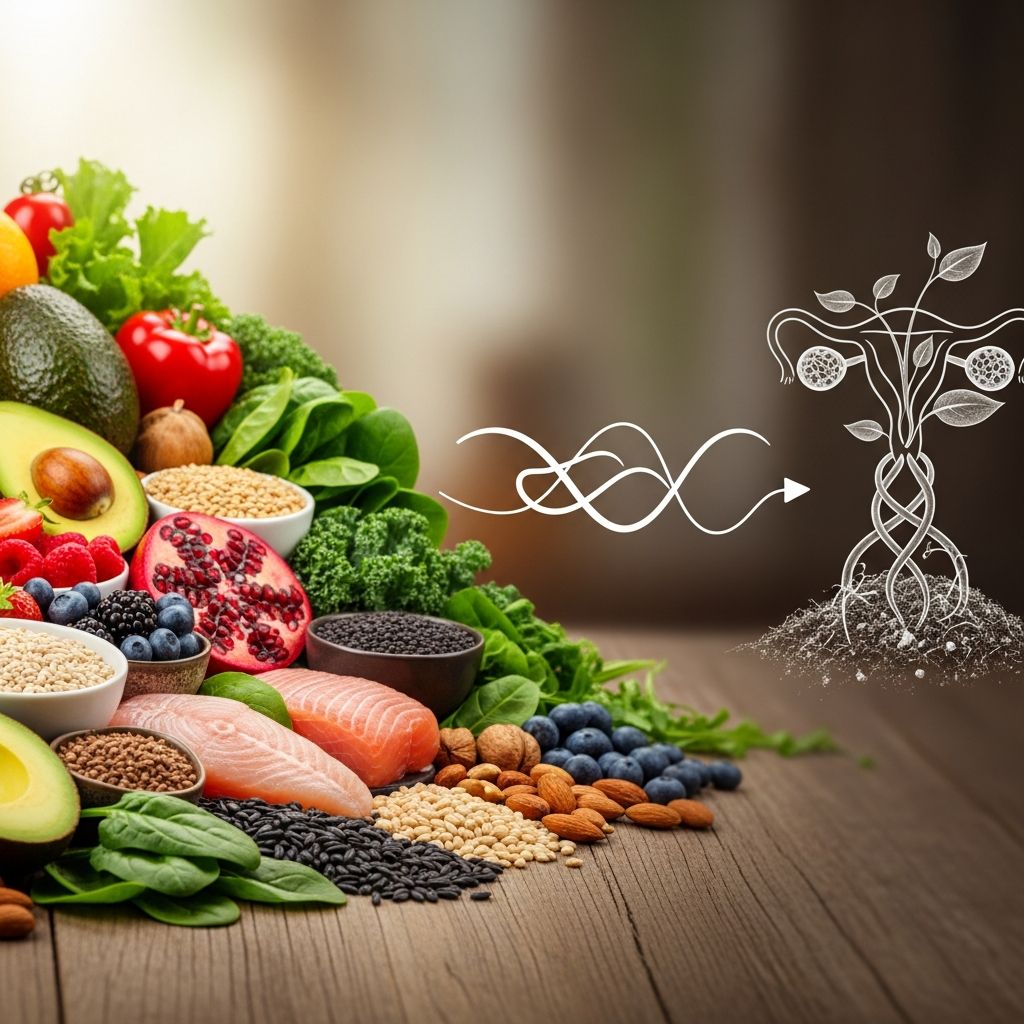
For couples planning to conceive, questions about lifestyle modifications often take center stage. Among the most pressing inquiries is whether diet plays a meaningful role in fertility. Emerging research from leading academic institutions suggests that the answer is a resounding yes. Nutritional choices can significantly influence reproductive health in both women and men, making dietary optimization an evidence-based strategy for those seeking to enhance their chances of conception.
The relationship between nutrition and fertility has become increasingly clear through rigorous scientific investigation. Researchers at Harvard T.H. Chan School of Public Health and Harvard Medical School have conducted extensive analyses of existing studies, identifying patterns that illuminate which dietary components support reproductive function and which may hinder it. This research provides practical, actionable guidance for couples navigating the preconception period.
The Science Behind Diet and Fertility
Over the past decade, the scientific literature examining the connection between diet and human fertility has expanded substantially. A comprehensive review published in the American Journal of Obstetrics and Gynecology analyzed decades of research to identify clear, evidence-based patterns. The findings reveal that dietary patterns established before conception can influence both the likelihood of achieving pregnancy and the success rates of fertility treatments.
One of the most significant studies informing current understanding is the Nurses’ Health Study (NHS) II, a large prospective cohort that followed thousands of women over many years. This landmark research identified specific dietary patterns associated with improved fertility outcomes, providing the foundation for what experts now call the “fertility diet.”
The mechanisms by which diet influences fertility are multifaceted. Nutrients affect hormone regulation, ovulation quality, egg health, sperm production, and the uterine environment necessary for implantation and pregnancy maintenance. Additionally, diet influences body weight and metabolic health, both of which have direct implications for reproductive function.
Key Nutrients That Support Fertility
Research has identified several specific nutrients and vitamins that demonstrate consistent, positive associations with fertility outcomes in women attempting to conceive without assisted reproductive technologies.
Folic Acid and B Vitamins
Folic acid stands out as one of the most thoroughly studied nutrients in fertility research. Supplemental folic acid intake, particularly at doses higher than those recommended for neural tube defect prevention, has been consistently associated with lower frequency of infertility, reduced risk of pregnancy loss, and greater success in infertility treatment. Vitamin B12 works synergistically with folic acid to support reproductive health, making B-complex vitamins particularly important during the preconception period.
Omega-3 Fatty Acids
Omega-3 polyunsaturated fatty acids have demonstrated positive effects on fertility outcomes. These essential fats support cardiovascular health, reduce inflammation, and may improve egg quality and uterine blood flow. Research recommends approximately two servings per week or higher of omega-3-rich foods for optimal fertility benefits.
Iron and Plant-Based Proteins
Iron from plant sources has been identified as a component of the “fertility diet.” Additionally, protein from vegetable sources shows a beneficial relationship with fertility, whereas excessive intake of animal-based protein has been associated with increased infertility risk. Plant-based proteins, including legumes, nuts, and seeds, support reproductive health while providing additional beneficial nutrients.
Healthy Fats and Monounsaturated Oils
Diets high in monounsaturated and polyunsaturated fats, as opposed to trans fats and saturated fats, have been associated with improved fertility. Healthy fat sources like olive oil, avocados, and nuts should form the foundation of a fertility-supporting diet.
Overall Dietary Patterns That Enhance Fertility
Beyond individual nutrients, overall dietary patterns significantly influence fertility outcomes. Several evidence-based dietary approaches have demonstrated benefits for reproductive health.
The Mediterranean Diet
A dietary pattern consistent with Mediterranean nutrition recommendations—featuring high consumption of whole grains, monounsaturated or polyunsaturated oils, vegetables, fruits, and fish—has been associated with improved fertility in women and higher semen quality in men. This dietary approach emphasizes whole foods, minimizes processed products, and prioritizes plant-based nutrition.
The “Fertility Diet”
Developed by researchers at Harvard Chan School of Public Health, the “fertility diet” includes specific components: plant protein from vegetable sources, full-fat dairy foods, iron, and monounsaturated fats. Women who consumed the highest amounts of this fertility-promoting dietary pattern during the preconception period had a 66% lower risk of ovulatory infertility compared to those adhering least to this pattern.
General Healthy Eating Guidelines
A dietary pattern aligned with U.S. Dietary Guidelines for Americans—emphasizing whole grains, vegetables, fruits, legumes, nuts, and fish while limiting processed foods—promotes both general health and reproductive function. This approach prioritizes nutrient density and minimizes empty calories.
Foods to Limit or Avoid
While certain foods support fertility, others may compromise reproductive outcomes. Research has identified specific dietary components negatively associated with fertility in both women and men.
Refined Carbohydrates and High Glycemic Load
Foods with high glycemic load—including white bread, white rice, refined cereals, and processed snacks—have been associated with increased infertility risk. These foods cause rapid blood sugar spikes and may interfere with ovulation and hormone regulation.
Red and Processed Meats
Diets rich in red and processed meats have been linked to reduced fertility in women and poorer semen quality in men. These foods often contain high levels of saturated fats and may contain compounds that negatively affect reproductive health.
Trans Fats and Saturated Fats
Trans fats and excessive saturated fats have demonstrated negative associations with fertility outcomes. For men, diets high in trans or saturated fats were associated with reduced semen quality. Women consuming high amounts of these fats showed increased infertility risk.
Sugar-Sweetened Beverages
Research published in the journal Epidemiology found that both women and men who consumed sugar-sweetened beverages experienced lower fertility rates. Notably, drinking diet soda or fruit juice had no negative impact on fertility. The high sugar content and metabolic effects of these beverages may interfere with reproductive function.
Fast Food and Processed Foods
Women who consumed high quantities of fast food and limited fruit needed longer periods to conceive compared to those following healthier dietary patterns. Fast food typically contains high levels of sodium, added sugars, and unhealthy fats while lacking micronutrient density.
Nutrients with Unclear or Minimal Effects
Some nutrients once hypothesized to affect fertility show inconsistent or negligible effects in research. Understanding these helps distinguish between evidence-based recommendations and unsupported claims.
Dairy Products
Once proposed as potential reproductive toxicants, dairy products have not been consistently associated with poor fertility. In fact, full-fat dairy consumption has been identified as a component of the fertility diet, and some research suggests potential benefits for reproductive health.
Soy and Soy Products
Similarly, soy was once theorized to harm fertility. However, research indicates that soy and soy supplements appear to exert beneficial effects, particularly among women undergoing infertility treatment. Moderate soy consumption does not appear detrimental to fertility.
Caffeine and Alcohol
Research on caffeine and alcohol shows inconsistent or negligible effects on fertility for both women and men. While moderation remains advisable as part of general healthy living, these substances do not appear to significantly impair reproductive function at moderate intake levels.
Vitamin D and Antioxidants
While some have proposed that vitamin D and antioxidants support fertility, current research has not identified clear, consistent relationships between these nutrients and improved fertility outcomes.
Emerging Research on Seafood and Fertility
Recent studies have highlighted the potential importance of seafood consumption for fertility. Research published in The Journal of Clinical Endocrinology & Metabolism indicates that couples who consumed greater amounts of seafood achieved pregnancy sooner than those who rarely ate seafood. Fish and shellfish provide omega-3 fatty acids, selenium, and other nutrients supporting reproductive health.
However, many pregnant women consume far less than the recommended 2 to 3 weekly servings of low-mercury fish such as shrimp, scallops, and salmon. Incorporating seafood during the preconception period may enhance fertility while establishing healthy patterns for pregnancy nutrition.
Weight Management and Fertility
Body weight significantly influences fertility outcomes in both women and men. Women and men with obesity (BMI ≥ 30 kg/m²) face higher infertility risk. Additionally, underweight individuals may experience fertility challenges.
Research on weight loss interventions demonstrates clear benefits. Among women, those randomized to active diet and exercise interventions were significantly more likely to become pregnant compared to control participants. Among subfertile men, diet and exercise interventions yielded improvements in sperm DNA fragmentation.
Importantly, sustainable weight management requires attention to caloric intake. As noted by obesity medicine specialists, achieving and maintaining a healthy weight requires mindfulness about calorie consumption, as individuals tend to underestimate their actual intake. When planning an exercise regimen to optimize fertility, both men and women should consider the specific effects of dietary modifications and caloric balance.
Sex-Specific Dietary Considerations
For Women
Women attempting conception benefit particularly from diets emphasizing folic acid, vitamin B12, plant-based proteins, healthy fats, iron, and the Mediterranean dietary pattern. The “fertility diet” specifically targets ovulation quality and reproductive hormone balance.
For Men
For men, dietary habits influence semen quality, with healthy diets supporting improved sperm production and function. Men benefit from similar healthy dietary patterns as women, including emphasis on fish, poultry, whole grains, fruits, and vegetables. However, it’s important to note that semen quality, while important, does not perfectly predict fertility, and most studies examining paternal diet have not directly measured impact on pregnancy achievement rates.
Assisted Reproductive Technologies and Diet
For couples pursuing assisted reproductive technologies such as IVF, dietary optimization remains important. Recent research outlines potential benefits of a “pro-fertility diet” including high levels of folic acid, vitamin B12, vitamin D, dairy, soy, and low-pesticide produce in conjunction with fertility treatments. Dietary support during the IVF cycle may enhance outcomes alongside medical interventions.
Practical Implementation Strategies
Translating fertility research into daily practice involves several actionable steps:
– Increase consumption of fruits, vegetables, whole grains, legumes, nuts, and seeds- Choose fish and seafood two or more times weekly, selecting low-mercury options- Replace refined grains with whole grains- Select healthy fats from sources like olive oil, avocados, and nuts- Incorporate plant-based proteins alongside or instead of animal proteins- Limit red and processed meats- Avoid sugar-sweetened beverages and fast food- Maintain a healthy body weight through balanced nutrition and regular physical activity- Consider folic acid supplementation, particularly at preconception doses- Reduce intake of trans fats and excessive saturated fats
Important Cautions and Considerations
While evidence supports the connection between diet and fertility, important limitations and cautions merit mention. Research findings should not be misinterpreted as birth control methods. An unhealthy diet and avoidance of supplemental vitamins or omega-3 fatty acids does not constitute effective contraception.
Additionally, most fertility studies examine associations rather than direct causation. While dietary patterns show clear associations with fertility outcomes, other factors including genetics, age, medical conditions, and stress also significantly influence reproductive function. Diet represents one modifiable component of overall reproductive health.
Individuals with specific medical conditions, food allergies, or dietary restrictions should consult healthcare providers or registered dietitians to develop personalized fertility-focused nutrition plans.
Future Research Directions
While current evidence provides valuable guidance, researchers identify important gaps requiring further investigation. Future research should employ randomized controlled trials, examine combined effects of both partners’ diets on fertility outcomes, and clarify roles of various nutrients still showing inconsistent associations. As the scientific foundation grows, recommendations will become increasingly precise and personalized.
Frequently Asked Questions (FAQs)
Q: How long before conception should I start following a fertility diet?
A: Beginning dietary modifications three to six months before attempting conception allows time for nutritional status to improve and for beneficial effects to develop. However, starting earlier provides additional benefits for overall health and establishes sustainable eating patterns.
Q: Can diet alone improve fertility without medical treatment?
A: Diet can enhance fertility, particularly for those with ovulatory issues or those attempting conception naturally. However, for couples with certain diagnosed conditions such as tubal blockage or male factor infertility, medical treatment may be necessary alongside dietary optimization.
Q: Is the fertility diet expensive to follow?
A: No. The fertility diet emphasizes whole foods including seasonal produce, legumes, and affordable proteins like eggs and beans. Many fertility-supporting foods are budget-friendly staples available at most grocery stores.
Q: Should I take fertility supplements in addition to dietary changes?
A: Folic acid supplementation is particularly recommended for women attempting conception. Other supplements should be discussed with healthcare providers, as individual needs vary based on existing nutrient status and health conditions.
Q: Does my partner’s diet affect our fertility too?
A: Yes. Men’s dietary patterns influence sperm quality and production. Partners benefit from coordinating dietary changes, as healthy eating patterns support both partners’ reproductive health.
Q: How quickly might dietary changes improve fertility?
A: While some improvements in sperm or ovulatory function may occur within several months, conception itself depends on numerous factors. Consistency with dietary changes for three to six months typically represents a reasonable timeframe to assess potential benefits.
References
- Diet and fertility: a review — PubMed Central, U.S. National Library of Medicine. 2018-05-31. https://pubmed.ncbi.nlm.nih.gov/28844822/
- The Influence of Diet on Fertility and the Implications for Public Health — Frontiers in Public Health. 2018-09-03. https://www.frontiersin.org/journals/public-health/articles/10.3389/fpubh.2018.00211/full
- Healthy eating can boost fertility — Harvard T.H. Chan School of Public Health. 2019-03-13. https://hsph.harvard.edu/news/healthy-eating-can-boost-fertility/
- Exercise and Fertility: 4 of 4 Harvard Study on Diet and Fertility — Give Legacy. 2020-03-17. https://www.givelegacy.com/resources/exercise-and-fertility-4-of-4-harvard-study-on-diet-and-fertility/
- Foods to eat and skip to increase chances for pregnancy — ABC News. 2018-04-27. https://abcnews.go.com/GMA/Wellness/foods-eat-skip-increase-chances-pregnancy/story?id=54776113
- The Relationship Between Food and Fertility with Dr. Jorge Chavarro — Reproductive Medicine Associates of New York. https://www.rmany.com/podcast/fertility-forward-episode-25
Similar Articles







Read full bio of Sneha Tete