Fertility Foods: Evidence-Based Guide For Conception
Discover how the right foods can boost fertility for women and men trying to conceive with science-backed nutrition tips.
Fertility Foods
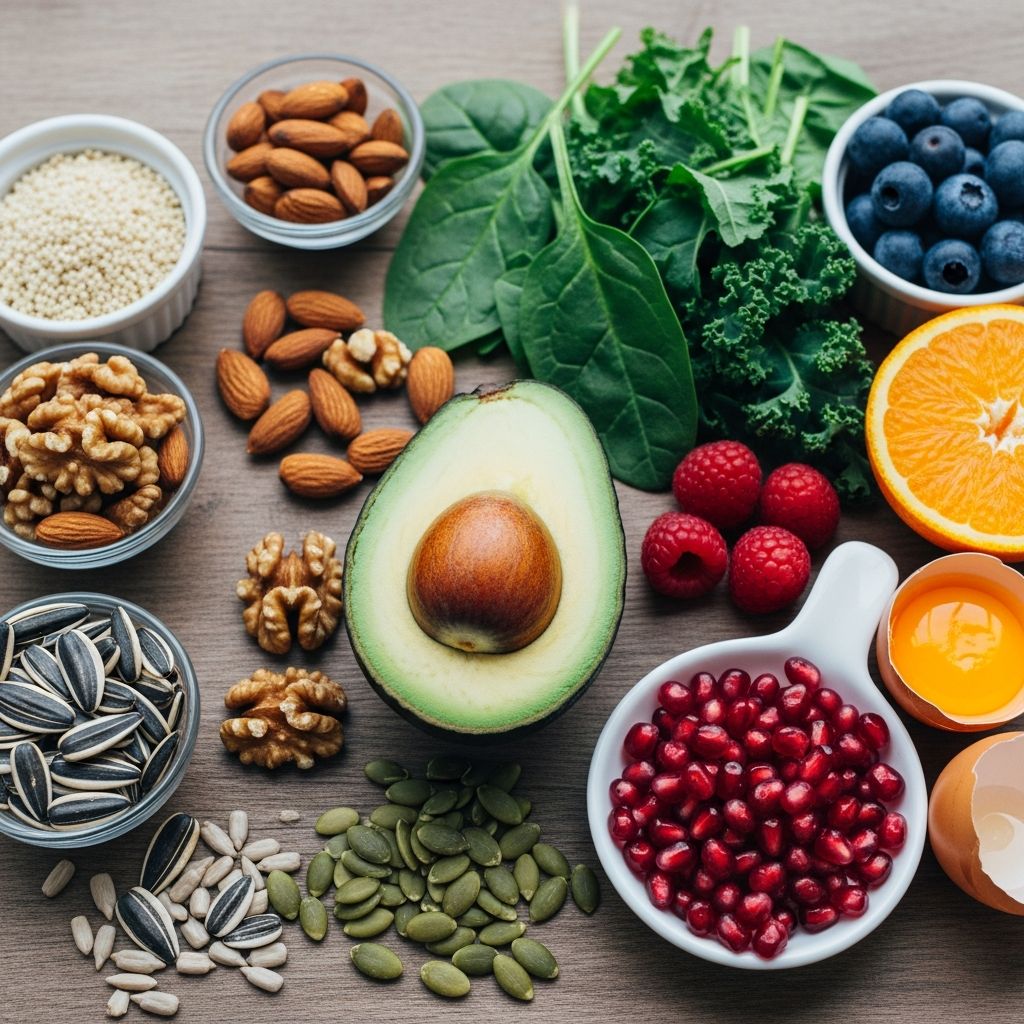
Nutrition plays a pivotal role in reproductive health, influencing hormone balance, ovulation, sperm quality, and overall fertility for both women and men. Research from large-scale studies, including the Nurses’ Health Study II and Harvard’s Fertility Diet, demonstrates that specific dietary patterns can significantly reduce infertility risk. A pro-fertility diet emphasizes whole foods, healthy fats, plant-based proteins, and essential micronutrients while limiting trans fats, refined sugars, and excessive animal proteins. This article covers evidence-based strategies to optimize fertility through food choices, drawing from peer-reviewed research and expert guidelines.
Women and Fertility
Maintaining a healthy weight is crucial for women preparing for pregnancy, as both underweight and overweight conditions can disrupt ovulation and hormone levels. Obesity in women is linked to ovulatory infertility due to altered insulin sensitivity and inflammation. A balanced diet rich in folic acid, iron, and antioxidants creates a supportive environment for conception and early fetal development. The Nurses’ Health Study II, involving over 18,000 women, found that diets high in nonheme iron from plants reduced ovulatory infertility risk by up to 40%. Focus on nutrient-dense foods to enhance egg quality and regulate menstrual cycles.
- Key nutrients for women: Folic acid prevents neural tube defects; iron supports ovulation; omega-3s reduce inflammation.
- Vegetables, fruits, whole grains, and full-fat dairy provide vitamins, minerals, and healthy fats essential for reproductive health.
Women trying to conceive should aim for a BMI between 18.5 and 24.9, as extremes impair fertility. Incorporating colorful produce daily supplies antioxidants like vitamin C, which aids iron absorption and protects gametes from oxidative stress.
Men and Fertility
Male fertility is equally influenced by diet, with obesity associated with low sperm count, reduced motility, and altered hormone levels such as lower testosterone. Antioxidants from fruits and vegetables combat oxidative damage to sperm DNA, improving semen quality. Studies show men following diets high in produce, nuts, and fish have better sperm parameters. Load up on berries, leafy greens, tomatoes, and nuts to boost sperm production and vitality.
- Zinc-rich foods like oysters, poultry, and seeds support testosterone and sperm formation.
- Omega-3 fatty acids from fish enhance sperm membrane fluidity and motility.
- Avoid excessive saturated fats and sugars, which correlate with poorer semen quality.
Maintaining a healthy body weight through balanced eating prevents hormonal disruptions. Men should prioritize variety: at least 2-3 servings of fruits/vegetables daily, lean proteins, and whole grains to optimize fertility outcomes.
Include Adequate Amounts of Iron
Iron is vital for preventing ovulatory infertility, a common cause affecting up to 30% of infertility cases. The Nurses’ Health Study II revealed women consuming high amounts of plant-based (nonheme) iron had a 40% lower risk of ovulatory issues compared to low consumers. Pair iron sources with vitamin C to boost absorption by up to 6-fold.
| Iron-Rich Foods | Type | Serving Suggestions |
|---|---|---|
| Beans, lentils | Nonheme | In salads, soups; pair with bell peppers |
| Spinach, kale | Nonheme | Sautéed with citrus; smoothies |
| Fortified cereals, whole grains | Nonheme | Breakfast with strawberries |
| Poultry, fish (moderate) | Heme | Grilled with veggies |
Vegetarians should emphasize nonheme sources and absorption enhancers. Supplements may be needed if deficient, but consult a healthcare provider. High iron intake from plants, not red meat, aligns with fertility benefits observed in studies.
The “Fertility Diet” Pattern
Harvard researchers published the landmark “Fertility Diet” in 2007, analyzing data from 17,544 women in the Nurses’ Health Study II. Adherents had a 66% lower risk of ovulatory infertility and 27% reduced overall infertility risk. This pattern mirrors the Mediterranean diet: high in fiber, unsaturated fats, plant proteins, and low-glycemic carbs.
- Less trans fat, more monounsaturated fat: Swap processed foods for avocados, olive oil, nuts. Trans fats impair ovulation; MUFAs support hormone balance.
- Less animal protein, more vegetable protein: Plant proteins lower insulin/IGF-1 spikes linked to anovulation. Beans, nuts over red meat.
- High-fiber, low-glycemic carbs: Whole grains, legumes stabilize blood sugar, aiding ovulation.
- More vegetarian iron: As detailed above.
- Multivitamins: Especially B vitamins, folic acid; taken 3+ times/week.
- High-fat dairy: Full-fat yogurt, milk over low-fat; linked to better fecundity due to estrogens, vitamins.
This pattern also includes moderate coffee, alcohol, and physical activity. A 2021 review confirms Mediterranean-style diets boost ART success rates.
Don’t Forget Folic Acid
Folic acid is non-negotiable for women trying to conceive, preventing neural tube defects that form before most know they’re pregnant. USPSTF recommends 400-800 mcg daily from supplements plus food sources. Folate supports DNA synthesis and reduces anovulation risk.
- Food sources: Dark leafy greens, citrus, lentils, avocados, fortified grains, bell peppers.
- Synthetic folic acid raises progesterone, lowers homocysteine.
- Multivitamin use (with folate) correlates with higher fertility.
While not directly boosting fertility, adequate intake is crucial. Excess from fortification hasn’t increased multiples via fertility drugs alone.
Frequently Asked Questions (FAQs)
Can diet really improve fertility?
Yes, studies like the Fertility Diet show up to 66% reduced ovulatory infertility risk with specific patterns high in plants, healthy fats.
Is full-fat dairy better for fertility?
Evidence suggests yes; high-fat dairy links to better outcomes vs. low-fat, possibly due to fats, vitamins, trans-palmitoleic acid improving insulin sensitivity.
Should men follow the Fertility Diet too?
Absolutely; diets rich in fruits, veggies, unsaturated fats improve sperm quality and count.
How much iron do I need for fertility?
Aim for 18 mg/day for women; focus on plant sources with vitamin C for best absorption and fertility benefits.
Does soy affect fertility?
Phytoestrogens in soy may benefit women in ART; limited evidence of sperm reduction in high intake, but moderate soy is safe.
What about caffeine and alcohol?
Fertility Diet adherents had moderate intake without harm; limit to <200mg caffeine, 1 drink/day.
In summary, adopting a Fertility Diet—prioritizing whole foods, plant proteins, healthy fats, iron, and folic acid—optimizes reproductive health. Consult a registered dietitian for personalized advice, especially with conditions like PCOS. Lifestyle factors like exercise and weight management amplify benefits. With consistent application, many couples see improved conception rates backed by robust evidence.
References
- Female Fertility and the Nutritional Approach: The Most Essential Aspects — Vujkovic M et al. PMC. 2021-11-24. https://pmc.ncbi.nlm.nih.gov/articles/PMC8634384/
- Fertility diet: What to eat when you’re trying to conceive — Baylor Scott & White Health. 2023-05-10. https://www.bswhealth.com/blog/fertility-diet-what-to-eat-when-youre-trying-to-conceive
- What is the Fertility Diet? — International Food Information Council (IFIC). 2023-08-15. https://ific.org/resources/articles/what-is-the-fertility-diet/
- Foods That Can Affect Fertility — Academy of Nutrition and Dietetics. 2024-02-12. https://www.eatright.org/health/pregnancy/fertility-and-reproduction/fertility-foods
Similar Articles








Read full bio of Sneha Tete