Festive Foods That Feed Your Brain: Essential Holiday Guide
Boost your brain health this holiday season with these nutrient-packed festive foods that support memory, cognition, and long-term neurological wellness.
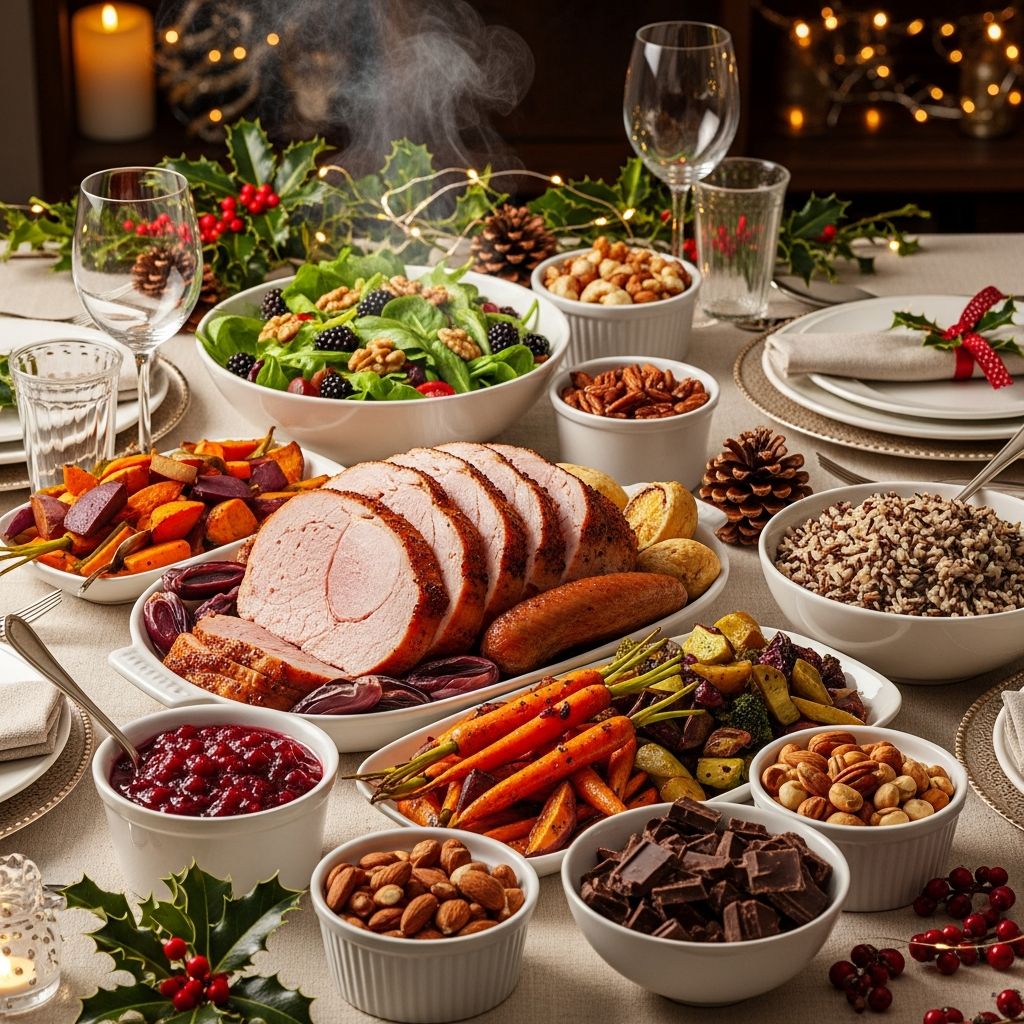
Holiday celebrations often revolve around indulgent feasts, but many traditional festive foods double as powerhouse ingredients for brain health. Rich in omega-3 fatty acids, antioxidants, polyphenols, and vitamins, these nutrient-dense options can enhance cognitive function, protect against age-related decline, and support memory. By incorporating them mindfully, you can savor the season while fueling your brain for optimal performance.
Research highlights how diets abundant in healthy fats, flavonoids, and anti-inflammatory compounds benefit neural plasticity, blood flow, and synaptic health. This guide covers key festive foods, their brain-boosting mechanisms, and practical ways to enjoy them during holidays like Christmas, Thanksgiving, and New Year gatherings.
Why Festive Foods Matter for Brain Health
The brain, with its high metabolic demands and lipid-rich membranes, is vulnerable to oxidative stress and inflammation. Festive staples often provide protective nutrients: omega-3s from fatty fish improve cerebral blood flow and cognitive abilities, while polyphenols in berries combat free radicals to enhance learning and memory. Studies link higher intake of these foods to reduced dementia risk and better brain plasticity, making holiday meals an opportunity for neurological wellness.
During busy festive periods, social eating aligns with brain benefits from family time and nutrient-rich foods. Aerobic activity post-meal, like family walks, further amplifies effects by boosting hippocampal function.
Salmon: Omega-3 Powerhouse for Memory and Blood Flow
Salmon, a staple in some historical Thanksgiving feasts and modern holiday spreads, delivers omega-3 fatty acids like DHA and EPA. These essential fats support synaptic function, reduce inflammation, and enhance brain blood flow. A 2017 study in the Journal of Alzheimer’s Disease found higher omega-3 levels correlated with improved thinking abilities and cerebral perfusion.
Omega-3s upregulate genes for synaptic plasticity, crucial for learning and memory. Regular consumption may lower cognitive decline risk, with one review associating Mediterranean-style fish intake with reduced mild cognitive impairment.
- Bake with herbs: Season salmon fillets with rosemary, lemon, and garlic for a festive roast that serves 6-8.
- Smoked side: Pair cold-smoked salmon with crackers and capers as an elegant appetizer.
- Portion tip: Aim for 3-4 oz per serving, 2-3 times weekly for brain benefits without excess calories.
Pro tip: Choose wild-caught for higher omega-3 content. Combine with veggies for a complete brain meal.
Cranberries: Antioxidant Boosters Against Memory Loss
Cranberries’ vibrant red hue signals potent flavonoids and anti-inflammatory compounds. Research from Tufts University shows these antioxidants enhance brain signaling and protect from age-related memory loss. A Neural Regeneration Research study confirms they promote neural plasticity, aiding new brain cell connections for better learning.
Polyphenols in cranberries maintain metabolic homeostasis, shielding membranes from peroxidation. Ideal for holiday sauces, salads, or baking, they add tang without refined sugars.
- Relish recipe: Simmer 12 oz fresh cranberries with orange zest, ginger, and a touch of honey.
- Salad mix: Toss with spinach, walnuts, and feta for a brain-supportive starter.
- Daily dose: 1/2 cup provides ample antioxidants; freeze extras for year-round use.
Related Stories



Pecans and Nuts: Vitamin E for Oxidative Protection
Pecans, pumpkin seeds, and walnuts bring crunch and vitamin E, a fat-soluble antioxidant that guards neurons from free radical damage. The Journal of Nutrition, Health and Aging linked higher nut intake to superior brain function in older adults.
Vitamin E supports mitochondrial function and synaptic plasticity, extending neurological performance. Festive pies, stuffings, and charcuterie boards make nuts easy to incorporate.
- Roast method: Toss pecans in olive oil, cinnamon, and sea salt; bake at 350°F for 10 minutes.
- Pie upgrade: Mix into pecan or pumpkin pie for added crunch and nutrients.
- Serving size: 1 oz (about 20 halves) daily meets vitamin E needs.
Broccoli and Brussels Sprouts: Sulforaphane for Dementia Defense
Cruciferous veggies like broccoli and Brussels sprouts contain glucosinolates, converting to isothiocyanates that reduce oxidative stress and dementia risk. Vitamin C and flavonoids further bolster brain health. Alpha-lipoic acid in these greens aids mitochondrial energy homeostasis.
Roast them for holiday sides; their earthy flavors pair with turkey or ham.
- Roasted Brussels: Halve, toss with oil, balsamic, and bacon bits; roast 25 minutes.
- Broccoli slaw: Steam lightly and dress with yogurt-lemon sauce.
- Nutrient hack: Eat raw or lightly cooked to preserve compounds.
Dark Chocolate: Flavonoids for Plasticity and Mood
Indulge guilt-free in dark chocolate (70%+ cocoa), rich in flavonoids that improve brain plasticity and learning. A 2018 FASEB Journal study via brain imaging showed enhanced activity post-consumption.
Polyphenols increase hippocampal factors like HSP70 and IGF1, benefiting memory. Use in desserts or as a post-meal treat.
- Melt for fondue: Dip fruits and nuts for interactive dessert.
- Bark creation: Spread melted chocolate with cranberries and pecans; chill.
- Moderation: 1 oz daily maximizes benefits without sugar overload.
Other Brain-Boosting Festive Picks
Red Cabbage and Kale: Polyphenol-rich for roast veggie medleys; protect against kainate damage.
Berries (beyond cranberries): Blueberries and strawberries amplify antioxidant effects.
Red Wine (sparingly): Resveratrol supports vascular health; limit to 1 glass.
Holiday Tips: Balance Indulgence with Brain Care
Pair meals with activity: Post-dinner walks boost blood flow. Prioritize 7-8 hours sleep for dementia prevention. Engage in games like chess to build cognitive reserve.
| Food | Key Nutrient | Brain Benefit | Holiday Use |
|---|---|---|---|
| Salmon | Omega-3s | Memory, blood flow | Main, appetizer |
| Cranberries | Flavonoids | Plasticity, antioxidants | Sauce, salad |
| Pecans | Vitamin E | Cell protection | Pie, snack |
| Broccoli | Glucosinolates | Dementia risk reduction | Side dish |
| Dark Chocolate | Flavonoids | Learning enhancement | Dessert |
Frequently Asked Questions (FAQs)
How do omega-3s in salmon benefit the brain during holidays?
Omega-3s enhance blood flow and synaptic plasticity, supporting cognition amid festive stress.
Can cranberries really prevent memory loss?
Their antioxidants boost signaling and neural connections, per Tufts research, reducing age-related decline.
What’s the best amount of nuts for brain health?
1 oz daily of pecans or walnuts provides vitamin E protection without excess calories.
Are roasted veggies like Brussels sprouts still nutritious?
Yes, light roasting preserves isothiocyanates for anti-dementia effects.
Is dark chocolate healthy in holiday desserts?
70%+ cocoa varieties improve plasticity; limit to 1 oz for optimal benefits.
How to make festive meals more brain-friendly?
Swap saturated fats for olive oil, add polyphenol veggies, and balance with exercise/sleep.
References
- Five ways Christmas and the festive season can be good for brain health — Brain Health. 2021-12-30. https://brain.health/blog/articles/five-ways-christmas-and-the-festive-season-can-be-good-for-brain-health/
- 6 Thanksgiving Foods that Support Memory — Encompass Health. 2023-11-01. https://www.encompasshealth.com/health-resources/articles/6-thanksgiving-foods-that-support-memory-2
- Brain foods: the effects of nutrients on brain function — PMC (National Library of Medicine). 2008-07-16. https://pmc.ncbi.nlm.nih.gov/articles/PMC2805706/
Similar Articles








Read full bio of medha deb