Fetal Alcohol Syndrome: What You Need To Know
Understand fetal alcohol syndrome (FAS): causes, symptoms, diagnosis, lifelong effects, and proven prevention strategies for expecting mothers.
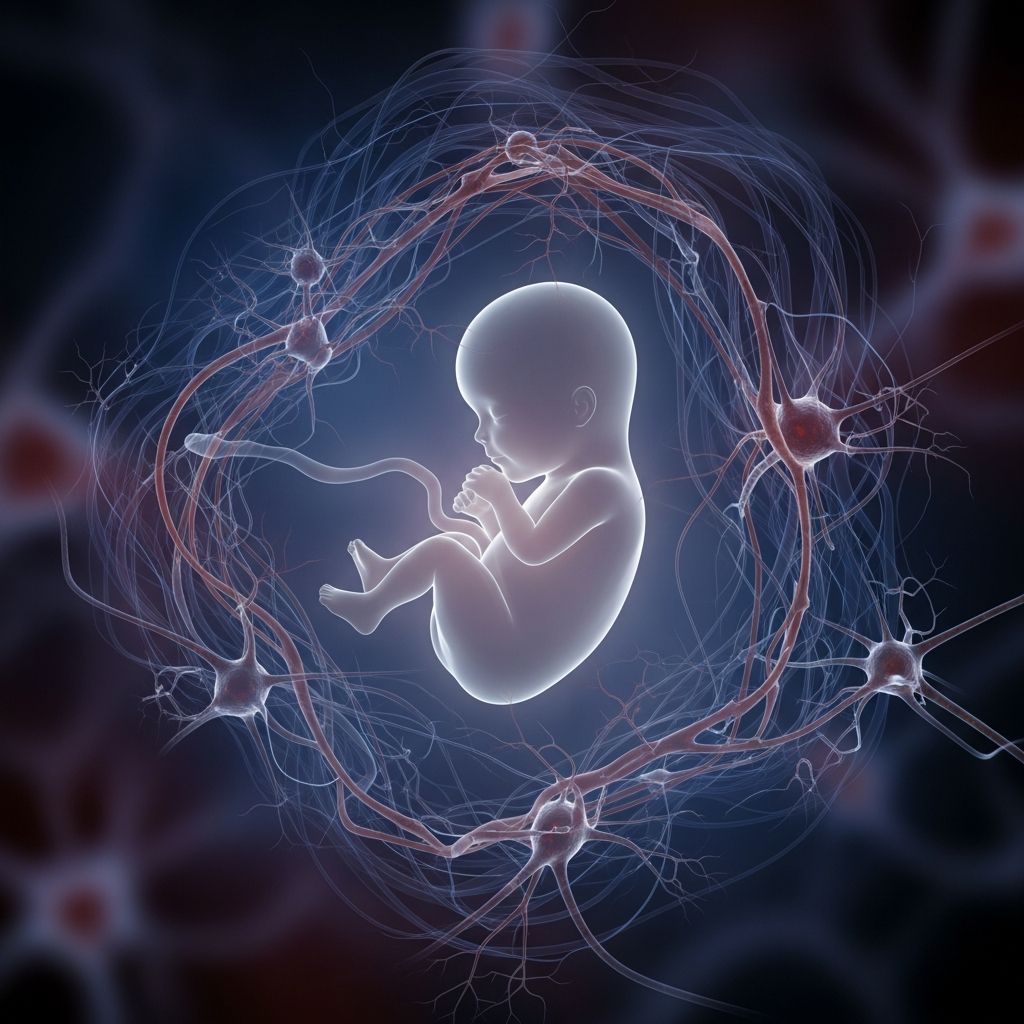
Fetal alcohol syndrome (FAS) represents the most severe form of fetal alcohol spectrum disorders (FASD), resulting from alcohol exposure during pregnancy. This preventable condition causes lifelong physical, cognitive, and behavioral impairments in affected children.
What Is Fetal Alcohol Syndrome?
Fetal alcohol syndrome (FAS) occurs when a pregnant person consumes alcohol, which passes through the placenta to the developing fetus via the umbilical cord. Unlike adults, fetuses metabolize alcohol slowly, leading to prolonged exposure that disrupts cell growth, particularly in the brain and central nervous system.
FAS is the most extreme manifestation within the FASD umbrella, which includes partial FAS (pFAS), alcohol-related neurodevelopmental disorder (ARND), neurobehavioral disorder associated with prenatal alcohol exposure (ND-PAE), and alcohol-related birth defects (ARBD). These conditions vary in severity but all stem from prenatal alcohol teratogenicity—alcohol’s toxic effects on fetal development.
Alcohol interferes with fetal development at any stage, from organ formation in the first trimester to brain growth in the third. No trimester is safe, and even preconception drinking poses risks since many pregnancies go undetected for 4-6 weeks.
Symptoms and Characteristics of FAS
Children with FAS exhibit a triad of hallmark features: distinctive facial abnormalities, growth deficiencies, and central nervous system problems. These manifest prenatally, at birth, and persist lifelong.
Physical Features
- Distinctive facial traits: Smooth philtrum (groove between nose and upper lip), thin upper lip, and small eye openings (short palpebral fissures). These are most evident in early childhood but may fade with age.
- Growth retardation: Low birth weight, height, and weight percentiles that fail to catch up, leading to microcephaly (small head size).
- Other birth defects: Heart septal defects, kidney malformations, skeletal issues, and vision/hearing impairments.
Neurodevelopmental and Behavioral Symptoms
- Poor coordination, tremors, and motor skill delays.
- Intellectual disabilities, with IQ often below 70.
- Hyperactivity, attention deficits (similar to ADHD), and impulse control issues.
- Learning difficulties in math, memory, and abstract thinking.
- Social challenges, including poor judgment and inability to grasp consequences.
Secondary conditions in adulthood include mental health disorders (depression, anxiety), substance abuse, homelessness, and trouble with the law—up to 90% of untreated individuals experience these.
Causes and Risk Factors
The sole cause of FAS is maternal alcohol consumption during pregnancy. All beverages—beer, wine, liquor, ciders—carry equal risk; no amount or type is safe.
- Binge drinking (4+ drinks in one sitting) heightens severity, but even occasional use suffices.
- Timing: First trimester risks facial/organ defects; later trimesters affect brain volume and neurobehavior.
- Maternal factors: Genetics, nutrition, smoking, and age influence outcomes, but alcohol is the direct toxin.
Alcohol kills fetal cells or halts division, especially in the CNS, causing irreversible damage. Animal studies confirm deficits across cognition, motor function, and behavior from varied exposure levels.
Diagnosis of Fetal Alcohol Syndrome
No single lab test exists for FAS; diagnosis relies on clinical criteria, maternal history, and ruling out mimics. Pediatricians assess post-birth, often by age 6 when features peak.
Diagnostic Criteria
| Feature | Requirements for FAS Diagnosis |
|---|---|
| Growth | Prenatal/postnatal height/weight <10th percentile |
| Facial Abnormalities | ≥2 of: short palpebral fissures, smooth philtrum, thin vermilion |
| CNS Issues | Structural (e.g., microcephaly) or functional (IQ <70, motor delays) |
| Alcohol Exposure | Confirmed prenatal exposure (history or biomarkers) |
Related Stories



Challenges include incomplete maternal disclosure and symptom overlap with genetic syndromes.
Differential Diagnosis
- Dubowitz syndrome (growth delay, facial traits)
- Fetal toluene embryopathy
- Maternal PKU
- 22q11 deletion
- Aarskog syndrome
Treatment and Management
FAS lacks a cure; management targets symptoms to improve quality of life. Early intervention (before age 6) curbs secondary issues.
- Medical: Surgery for heart/skeletal defects; medications for ADHD/seizures.
- Therapies: Speech, occupational, physical therapy; special education.
- Behavioral: Parent training, social skills programs.
- Support: Advocacy for school/work accommodations.
Multidisciplinary teams—including pediatricians, neurologists, psychologists—coordinate care. Prognosis improves with stability, but lifelong support is essential.
Prevention Strategies
FAS is 100% preventable by abstaining from alcohol during pregnancy and preconception. Public health campaigns emphasize: no safe amount, no safe time, no safe beverage.
- Avoid alcohol if sexually active without contraception.
- Stop immediately if pregnant and drinking; consult providers.
- Screening at prenatal visits identifies at-risk mothers.
Despite awareness, ~7.6% of U.S. women drink during known pregnancy, underscoring education needs.
Frequently Asked Questions (FAQs)
What is the difference between FAS and FASD?
FAS is the most severe FASD form with full diagnostic triad; FASD encompasses milder variants like pFAS and ARND without all features.
Is there a safe amount of alcohol during pregnancy?
No—any amount at any stage risks harm. CDC and experts confirm zero tolerance.
Can FAS be reversed or outgrown?
No, brain damage is permanent, but early therapies mitigate effects.
How common is FAS?
Affects 1-5 per 1,000 U.S. births; FASD up to 5%. Underreported due to diagnostic hurdles.
What if I drank before knowing I was pregnant?
Inform your doctor for monitoring; stopping reduces further risk. Early ultrasounds aid assessment.
Long-Term Outlook and Support
Affected individuals face heightened risks for unemployment, incarceration, and dependency. Yet, with nurturing environments and interventions, many achieve independence. Families benefit from support groups like FASD Network.
Research into chick embryo models hints at future brain repair therapies, but prevention remains paramount.
References
- Fetal Alcohol Syndrome (FAS): Symptoms, Causes & Treatment — Cleveland Clinic. 2023. https://my.clevelandclinic.org/health/diseases/15677-fetal-alcohol-syndrome
- Fetal Alcohol Syndrome – StatPearls — NCBI Bookshelf. 2023-10-01. https://www.ncbi.nlm.nih.gov/books/NBK448178/
- Fetal alcohol syndrome – Symptoms and causes — Mayo Clinic. 2023. https://www.mayoclinic.org/diseases-conditions/fetal-alcohol-syndrome/symptoms-causes/syc-20352901
- About Fetal Alcohol Spectrum Disorders (FASDs) — CDC. 2024. https://www.cdc.gov/fasd/about/index.html
- Fetal Alcohol Spectrum Disorders — IU Health. 2023. https://iuhealth.org/find-medical-services/fetal-alcohol-spectrum-disorders
Similar Articles








Read full bio of medha deb