Fetal Alcohol Syndrome: Symptoms, Causes & Treatment
Understanding FAS: A preventable condition causing lifelong physical and mental defects from prenatal alcohol exposure.
Understanding Fetal Alcohol Syndrome
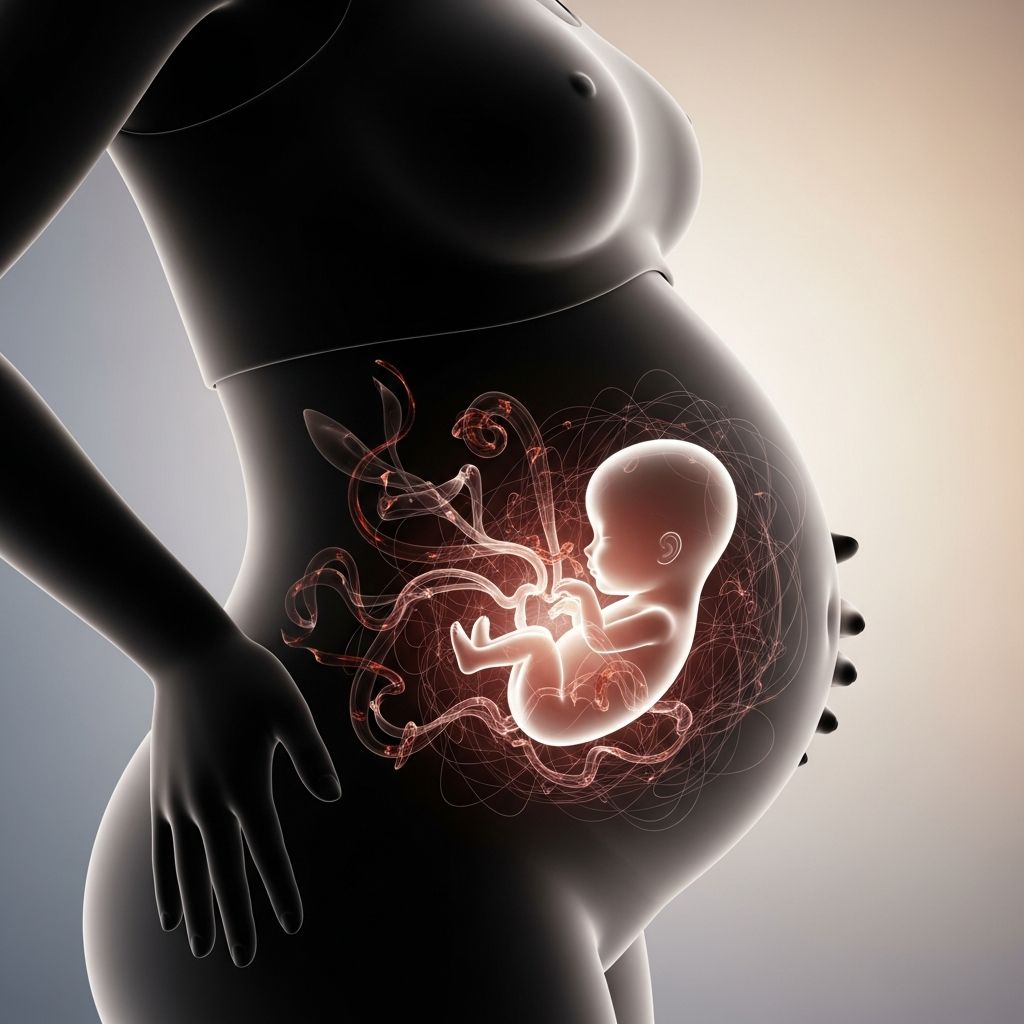
Fetal alcohol syndrome (FAS) is a permanent condition that develops when a pregnant woman consumes alcohol during pregnancy. This serious health condition causes a range of physical and mental defects in the developing fetus, with effects that can persist throughout an individual’s lifetime. FAS is the most severe condition within a broader group of conditions known as fetal alcohol spectrum disorders (FASDs), which encompass a range of conditions caused by prenatal alcohol exposure that impact child development in various ways.
When a fetus is exposed to alcohol before birth, the baby’s development can be affected in multiple ways, creating effects that range from mild to severe. The impact depends on various factors, including the timing of exposure, the amount of alcohol consumed, and individual genetic susceptibility. Understanding FAS is crucial for healthcare providers, expectant mothers, and families affected by this preventable condition.
What Are Fetal Alcohol Spectrum Disorders?
Fetal alcohol spectrum disorders (FASD) represent the leading preventable cause of birth defects and intellectual and neurodevelopmental disabilities. FASD is a group of physical, mental, and social problems that are caused by alcohol exposure in the womb. When a mother drinks alcohol during her pregnancy, it passes from the mother’s blood through the placenta to the fetus, directly affecting the baby’s growth and brain development.
FASD exists on a spectrum, with fetal alcohol syndrome representing the most severe end of the continuum. Other conditions under the FASD umbrella include:
- Alcohol-Related Neurodevelopmental Disorder (ARND) – typically results in intellectual disabilities, problems with behavior and learning, and impairments in memory, attention, judgment, and impulse control
- Alcohol-Related Birth Defects (ARBD) – lead to congenital abnormalities that can include problems with the heart, kidneys, skeleton, vision, or hearing
- Neurobehavioral Disorder Associated with Prenatal Alcohol Exposure (ND-PAE) – generally involves cognitive and memory impairment, behavior problems like severe tantrums or mood issues, difficulty with transitions, social problems, and impairment in daily living skills
Children and teens with these alcohol-related conditions usually do not have the physical characteristics associated with fetal alcohol syndrome, but do display learning problems and behavioral difficulties that significantly impact home and school life and social relationships.
How Does Alcohol Cause Fetal Alcohol Syndrome?
The development of FAS stems from the direct toxic effects of alcohol on the developing fetus. When a pregnant woman drinks alcohol, the substance crosses the placental barrier and enters the fetus’s bloodstream. Unlike adults, babies cannot metabolize alcohol efficiently, meaning it stays in their bodies for a longer period of time, causing prolonged exposure to its harmful effects.
Alcohol interferes with the normal development of the fetus, particularly affecting the brain and central nervous system. This interference occurs through multiple mechanisms and can happen at any point during pregnancy. The beginning of fetal development is the most critical for the whole body, but organs like the brain continue to develop throughout pregnancy. The brain development that occurs in the first trimester is especially crucial, making early pregnancy alcohol exposure particularly dangerous. It is impossible to pinpoint exactly all of the development during pregnancy, making it risky to drink alcohol at any time prior to birth.
Related Stories



The teratogenic effects of alcohol on the growing fetus, combined with genetic, environmental, and maternal variables, all play important roles in the complex development of FAS. Any amount of alcohol during pregnancy can cause fetal alcohol syndrome. There is no safe amount that can be consumed. All alcohol, including beer, wine, ciders, and hard liquor, can all cause FAS.
Causes and Risk Factors
The primary cause of fetal alcohol syndrome is straightforward: alcohol consumption during pregnancy. However, several factors influence the severity and likelihood of FAS development. The timing of alcohol exposure is particularly significant, as the most critical period is during the first trimester when the brain and other vital organs are forming. Even though many women may not recognize they are pregnant until four to six weeks after conception, alcohol consumed before this recognition can still cause damage.
Additional risk factors include:
- The amount and frequency of alcohol consumption during pregnancy
- The specific stage of fetal development during exposure
- Maternal age and overall health status
- Genetic predisposition and individual susceptibility
- Nutritional status during pregnancy
- Concurrent use of other substances or medications
It is recommended that women not drink alcohol if they are sexually active and not using effective birth control, given that pregnancy can develop before a woman realizes she is pregnant.
Symptoms and Physical Characteristics of FAS
Fetal alcohol syndrome is characterized by a distinctive combination of physical, cognitive, and behavioral symptoms. The physical features are often recognizable and can help pediatric providers make an initial diagnosis.
Facial and Physical Features
Children with fetal alcohol syndrome have recognizable facial structure abnormalities, which may include:
- Small eyes or eye openings
- Smooth philtrum (the area between the nose and upper lip)
- Thin upper lip
- Flattened midface
- Short nose
- Micrognathia (small jaw)
- Ear abnormalities
Beyond facial features, children with FAS often experience growth retardation, being smaller than typical for their age. Height, weight, and head circumference may all be below average.
Neurodevelopmental Effects
Children with fetal alcohol syndrome are significantly affected in their neurodevelopment and may experience impaired fine motor skills, poor eye-hand coordination, and sensitivities to light or sound. The intellectual and cognitive impacts are particularly profound and long-lasting. Neurodevelopmental effects may include:
- Intellectual disability or significant learning difficulties
- Poor memory and attention span
- Difficulty with impulse control and judgment
- Behavioral problems and emotional dysregulation
- Social difficulties and poor social skills
- Poor executive functioning
- Sensory processing issues
Diagnosing Fetal Alcohol Syndrome
Diagnosing fetal alcohol syndrome can be challenging. There is no simple blood test or medical screening to identify fetal alcohol spectrum disorders definitively. Healthcare providers rely on a combination of clinical observation, medical history, and developmental assessment to make a diagnosis.
Pediatric providers can often make a diagnosis of FAS based on:
- The size and growth patterns of a child
- Specific physical signs and symptoms that develop through childhood
- Documented maternal alcohol use during pregnancy
- Neurodevelopmental and behavioral assessments
- Exclusion of other genetic or metabolic disorders with similar presentations
During a comprehensive diagnostic evaluation, healthcare teams gather information on the child’s medical history, development, and behaviors from the family, pediatrician, and child’s school. A full medical screening and thorough neurodevelopmental assessment are conducted. Testing may be performed to rule out genetic disorders with similar symptoms and behaviors.
It can be difficult to diagnose fetal alcohol syndrome because pregnant women may not give a complete history of all alcohol intake during pregnancy. Some women may not recall all instances of alcohol consumption, while others may be reluctant to disclose such information. This makes establishing a clear history of prenatal alcohol exposure challenging, though it is essential for accurate diagnosis.
Treatment and Management
Fetal alcohol syndrome is not curable, and the symptoms will impact an individual throughout life. However, early treatment of some symptoms can lessen the severity and improve a child’s development. The focus of management is on addressing specific symptoms and helping the child reach their potential.
Early Intervention Strategies
Early recognition and diagnosis of FAS is critical for optimal outcomes. When identified early in childhood, interventions can significantly improve both short-term and long-term outcomes for affected children. Treatment may include:
- Special education services and academic support
- Speech and language therapy
- Occupational therapy for fine and gross motor skill development
- Physical therapy when needed
- Behavioral therapy and counseling
- Social skills training
- Sensory integration therapy
- Medication management for specific symptoms like ADHD or mood disorders
A multidisciplinary approach to treatment, involving pediatricians, developmental psychologists, speech therapists, occupational therapists, and educators, tends to be most effective in addressing the complex needs of children with FAS.
Secondary Effects and Long-Term Outcomes
Possible secondary effects of FAS that people may experience into adulthood can include:
- Mental health disorders such as depression and anxiety
- Substance abuse and addiction issues
- Criminal behavior and legal problems
- Employment difficulties and job instability
- Social isolation and relationship problems
- Inappropriate sexual behavior
- School dropout and academic failure
Receiving treatment as soon as possible in childhood can help decrease the likelihood of developing these secondary effects in life. Proper support, education, and intervention during formative years can significantly improve life outcomes for individuals with FAS.
Prevention of Fetal Alcohol Syndrome
Using alcohol during pregnancy is the leading cause of preventable birth defects, developmental disabilities, and learning disabilities. Fetal alcohol syndrome is a preventable condition, and the only way to prevent FAS is to avoid drinking beverages containing alcohol during pregnancy.
Prevention strategies include:
- Complete abstinence from alcohol during pregnancy
- Avoiding alcohol if sexually active and not using effective birth control
- Immediate cessation of alcohol consumption upon learning of pregnancy
- Seeking healthcare provider support for alcohol cessation if needed
- Education about the risks of alcohol during pregnancy for all women of childbearing age
When to Seek Medical Help
If you consumed alcohol during pregnancy, it is important to inform your healthcare provider and your baby’s pediatrician to help plan for your child’s future. Early diagnosis of fetal alcohol syndrome is critical for optimal outcomes. If you are currently pregnant and drinking alcohol, stop immediately to try to lower the risk of FAS and talk to your healthcare provider to get help with cessation.
Frequently Asked Questions
Q: Is there any amount of alcohol that is safe during pregnancy?
A: No. Any amount of alcohol during pregnancy can cause fetal alcohol syndrome. There is no safe threshold, and all types of alcohol—including beer, wine, ciders, and hard liquor—pose risks to fetal development.
Q: Can fetal alcohol syndrome be cured?
A: No, fetal alcohol syndrome is not curable. However, early diagnosis and intervention can lessen the severity of symptoms and improve a child’s developmental outcomes and quality of life.
Q: What is the difference between FAS and other FASDs?
A: FAS is the most severe form of fetal alcohol spectrum disorders and includes specific facial features, growth deficiency, and significant neurodevelopmental problems. Other FASDs (ARND, ARBD, ND-PAE) may not have the characteristic facial features but still involve learning and behavioral difficulties.
Q: How is fetal alcohol syndrome diagnosed?
A: Diagnosis involves a combination of physical examination, medical history review, developmental assessment, and sometimes genetic testing to rule out other conditions. There is no single blood test for FAS.
Q: What should I do if I drank alcohol before realizing I was pregnant?
A: Contact your healthcare provider immediately. They can assess your specific situation, provide support, and help you plan for appropriate monitoring and care of your baby.
Q: Are there support services available for families affected by FAS?
A: Yes. Many hospitals and clinics offer comprehensive multidisciplinary services including developmental pediatrics, behavioral psychology, special education coordination, and family support programs specifically designed for children with FAS.
References
- Fetal Alcohol Syndrome (FAS): Symptoms, Causes & Treatment — Cleveland Clinic. 2024. https://my.clevelandclinic.org/health/diseases/15677-fetal-alcohol-syndrome
- Fetal Alcohol Spectrum Disorder — University Hospitals Rainbow Babies & Children’s Hospital. 2024. https://www.uhhospitals.org/rainbow/services/pediatric-developmental-and-behavioral-issues/conditions-and-treatments/fetal-alcohol-spectrum-disorder
- Fetal Alcohol Syndrome and Its Effects on Brain Development — Saint Elizabeth University Physician’s Assistant Program. 2022. https://touroscholar.touro.edu/cgi/viewcontent.cgi?article=1334&context=sjlcas
- Fetal Alcohol Spectrum Disorders (FASD) Screening — MedlinePlus, National Library of Medicine. 2024. https://medlineplus.gov/lab-tests/fetal-alcohol-spectrum-disorders-fasd-screening/
- 1 in 9 U.S. Women Report Drinking Alcohol While Pregnant — Cleveland Clinic. 2023. https://health.clevelandclinic.org/1-in-9-us-women-report-drinking-alcohol-while-pregnant
- A Comprehensive Overview of Fetal Alcohol Syndrome — Port Alfred Medical Centre. March 2025. https://www.pamc.co.za/
Similar Articles








Read full bio of Sneha Tete