Fetal Anticonvulsant Syndrome: Comprehensive Guide For Parents
Understanding risks of prenatal exposure to anti-seizure medications and lifelong impacts on child development.
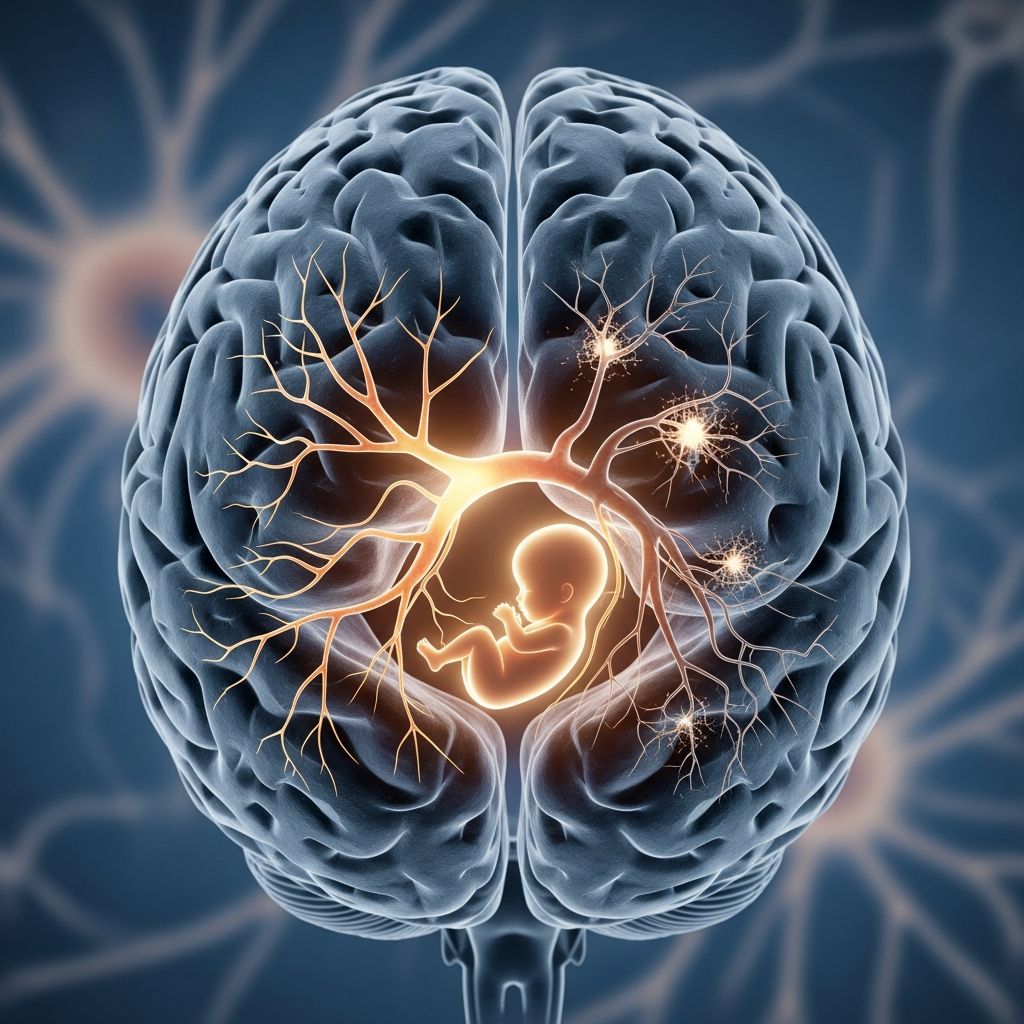
Fetal anticonvulsant syndrome (FACS) refers to a spectrum of birth defects and developmental challenges arising from a fetus’s exposure to certain anti-seizure medications during pregnancy. These drugs, essential for managing maternal epilepsy or other conditions, can cross the placenta and disrupt normal embryonic growth, leading to physical anomalies, cognitive delays, and behavioral issues in the child.
Understanding the Origins of FACS
The roots of FACS trace back to the 1970s when researchers first noted patterns of malformations in children born to mothers treated with phenytoin for epilepsy. Over time, studies expanded to include other antiseizure medications (ASMs), revealing that no single drug causes identical effects, but overlaps exist across exposures. Unlike genetic disorders, FACS stems from environmental teratogens—specifically, these pharmaceuticals—altering fetal development during critical windows, particularly the first trimester when organs form.
Key factors influencing risk include the specific ASM, dosage, timing of exposure, polytherapy versus monotherapy, and maternal genetics affecting drug metabolism. For instance, valproic acid stands out as a high-risk agent, with exposure elevating malformation rates 3-5 times above baseline. Polytherapy, especially combining valproate with lamotrigine, can push risks to 10% or higher.
Physical Manifestations in Affected Children
Children with FACS often exhibit a range of structural anomalies, categorized as major or minor. Major malformations, which require surgical intervention or significantly impair function, develop early in gestation (up to 10 weeks). These include:
- Neural tube defects like spina bifida.
- Cardiovascular anomalies such as septal defects.
- Orofacial clefts (cleft lip/palate).
- Genitourinary issues, including hypospadias.
- Limb defects and kidney abnormalities.
Minor dysmorphisms, subtler and arising later in development, contribute to a characteristic “fetal anticonvulsant face.” Common features encompass:
- Hypertelorism (wide-set eyes).
- Flat or broad nasal bridge, short nose.
- Low-set or malformed ears.
- Microcephaly and short neck.
- Digital hypoplasia (underdeveloped nails or distal phalanges).
These traits overlap with normal variation but cluster more frequently in exposed infants. Intrauterine growth restriction is also prevalent, resulting in low birth weight and persistent growth delays.
Neurodevelopmental and Behavioral Consequences
Beyond physical traits, FACS profoundly affects brain development, leading to lifelong cognitive and behavioral challenges. Exposed children face heightened risks of:
- Intellectual disability, with IQ reductions averaging 10-15 points.
- Autism spectrum disorder (ASD), particularly with valproate.
- Attention-deficit/hyperactivity disorder (ADHD).
- Learning disabilities in language, math, and executive function.
- Behavioral issues like aggression or social withdrawal.
Valproate exposure correlates most strongly with neurodevelopmental harm, surpassing other ASMs. Mechanisms may involve disrupted neuronal migration, synaptic formation, and folate metabolism. Long-term studies show these effects persist into adulthood, impacting education, employment, and independence.
Risk Comparison Across Anti-Seizure Medications
| Medication | Major Malformation Risk | Neurodevelopmental Risk | Notes |
|---|---|---|---|
| Valproate | 3-5x baseline (up to 10% polytherapy) | High (ASD, IQ loss) | Dose-dependent; avoid in pregnancy. |
| Phenytoin | Elevated | Moderate | Classic “fetal hydantoin syndrome.” |
| Carbamazepine | Moderate | Moderate | Neural tube risks; folic acid mitigates. |
| Lamotrigine | Low-moderate | Lower | Safer option; risk rises in polytherapy. |
| Topiramate | Moderate-high | Moderate | Cleft palate association. |
Related Stories



This table summarizes relative risks based on cohort studies; individual outcomes vary.
Mechanisms Behind Teratogenic Effects
ASMs interfere with fetal development through multiple pathways. Valproate, for example, inhibits histone deacetylases, altering gene expression crucial for neural crest cell migration—key to face, heart, and neural tube formation. Other drugs disrupt folate absorption, ion channels, or angiogenesis. Maternal seizures themselves may contribute via hypoxia, but evidence points primarily to medications. Genetic polymorphisms in drug-metabolizing enzymes (e.g., CYP450) can amplify susceptibility in some families.
Confounders like socioeconomic status, genetics, and smoking complicate attribution, but prospective studies confirm drug-specific patterns.
Diagnosis and Identification Strategies
Diagnosing FACS relies on clinical history of prenatal ASM exposure combined with characteristic features. No single test exists; evaluation involves:
- Prenatal ultrasound for major anomalies.
- Newborn exams for dysmorphisms and growth parameters.
- Neurodevelopmental assessments (e.g., Bayley scales) at 1-2 years.
- Genetic testing to rule out syndromes like Fragile X.
- Multidisciplinary input from genetics, neurology, and developmental pediatrics.
Differential diagnoses include other teratogen exposures (alcohol, cocaine) or chromosomal issues. Early flagging via maternal history is vital for interventions.
Management and Support for Affected Individuals
There is no cure for FACS; management focuses on symptom mitigation:
- Surgical corrections: For clefts, heart defects, or spina bifida.
- Therapies: Speech, occupational, physical, and behavioral interventions.
- Educational support: IEPs, special education for learning needs.
- Medical monitoring: For growth, seizures, renal function.
- Family resources: Support groups like INFACT UK or OACS Charity.
Outcomes improve with early, intensive therapy; many achieve functional independence despite challenges.
Prevention: Critical Steps for Women on ASMs
Preventing FACS begins preconceptionally. Guidelines emphasize:
- Medication review: Switch to low-risk ASMs like lamotrigine or levetiracetam before pregnancy.
- Folic acid: 4-5 mg daily, starting preconception, reduces neural tube defects.
- Seizure control: Optimize monotherapy at lowest effective dose.
- Contraception and planning: Reliable birth control for those on high-risk drugs like valproate.
- Prenatal monitoring: High-resolution ultrasounds, cell-free DNA testing.
Never discontinue ASMs abruptly due to seizure risks. Specialist consultation (epileptologist, teratogen expert) is essential.
Frequently Asked Questions (FAQs)
What causes fetal anticonvulsant syndrome?
FACS results from in-utero exposure to anti-seizure drugs like valproate, phenytoin, or carbamazepine, which act as teratogens disrupting fetal organ formation.
Is valproate safe during pregnancy?
No; it carries the highest risk of major malformations and autism. Alternatives are strongly recommended.
Can folic acid prevent all FACS effects?
It significantly lowers neural tube defect risk but does not eliminate cognitive or facial anomalies.
Are all children exposed affected?
No; risk is 5-10% overall, higher with valproate (up to 10-20% for neuro issues). Dose and genetics influence outcomes.
What support exists for FACS families?
Organizations like NORD, patient advocacy groups, and multidisciplinary clinics provide resources, therapy referrals, and policy advocacy.
Long-Term Implications and Research Directions
Survivors of FACS navigate compounded challenges: medical costs, educational barriers, and mental health strains on families. Emerging research explores biomarkers for susceptibility, safer ASMs, and neuroprotective agents. Regulatory actions, like EU valproate pregnancy prevention programs, highlight progress. Continued surveillance via registries (e.g., EURAP) refines risks and informs counseling.
FACS underscores the delicate balance in maternal treatment: uncontrolled epilepsy endangers both mother and fetus, yet teratogenic drugs pose their own threats. Informed preconception planning empowers better outcomes.
References
- Fetal anticonvulsant syndrome – MedLink Neurology — MedLink Neurology. 2023. https://www.medlink.com/articles/fetal-anticonvulsant-syndrome
- Fetal Anti-Convulsant Syndrome | Conditions | ASD clinic.co.uk — ASD Clinic. 2024. https://www.asdclinic.co.uk/conditions/fetal-anti-convulsant-syndrome/index.php
- Fetal Valproate Syndrome – Symptoms, Causes, Treatment | NORD — National Organization for Rare Disorders (NORD). 2023-10-27. https://rarediseases.org/rare-diseases/fetal-valproate-syndrome/
- What Is Fetal Valproate Spectrum Disorder & Fetal Anti Convulsant Syndrome — INFACT UK. 2024. https://infactuk.com/home/what-is-fetal-valproate-spectrum-disorder-fetal-anti-convulsant-syndrome/
- Epilepsy drugs and effects on fetal development: Potential mechanisms — PMC (NCBI). 2013-06-20. https://pmc.ncbi.nlm.nih.gov/articles/PMC3697215/
Similar Articles








Read full bio of Sneha Tete