Fever And Rash: Guide To Causes, Diagnosis & Treatment
Comprehensive guide to identifying, diagnosing, and managing fever accompanied by skin rashes in children and adults.
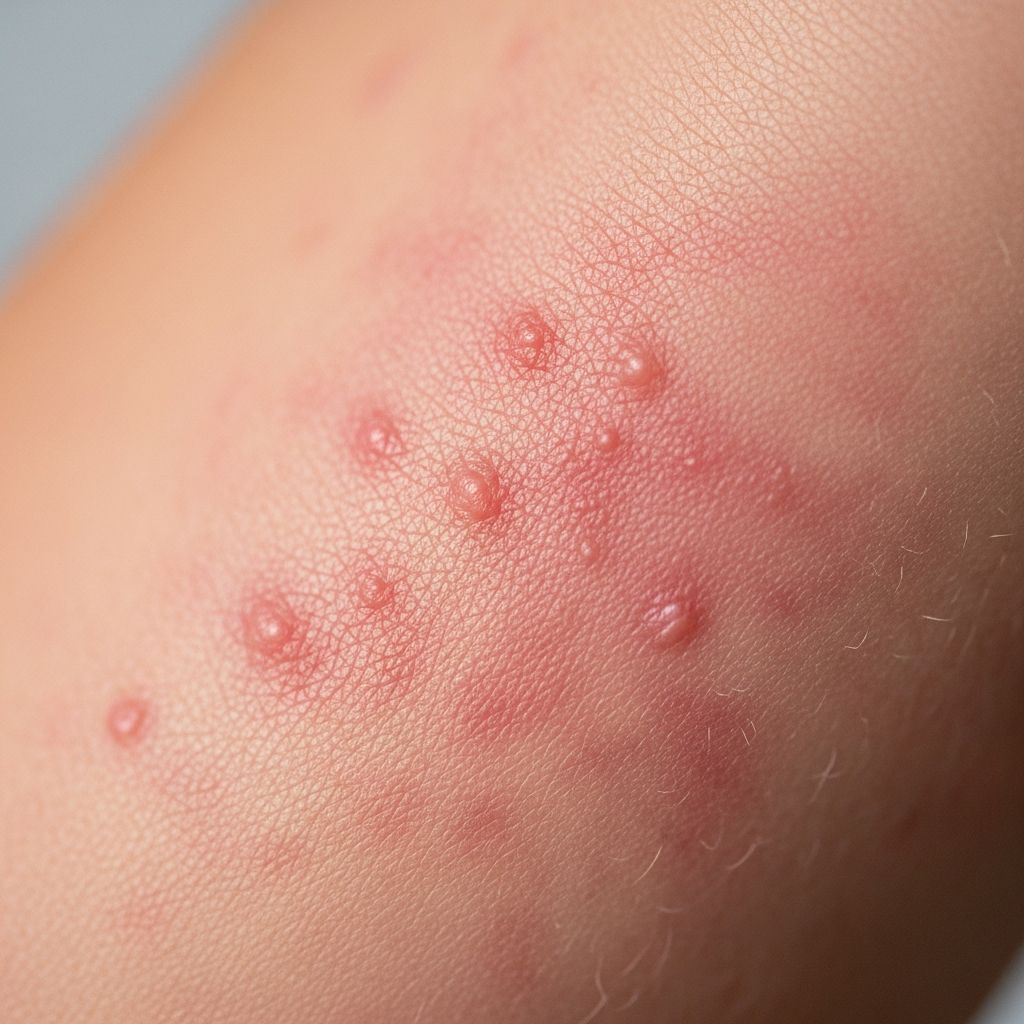
Fever accompanied by a rash is a common presentation in both children and adults, often signaling an infectious process but sometimes indicating more serious conditions. Viral infections account for most cases in children, typically self-limiting, while bacterial causes or hypersensitivity reactions require prompt differentiation for appropriate management.
What is the concern with fever and rash?
The combination of
fever
andrash
raises concern because it can indicate benign viral illnesses or life-threatening infections like meningococcemia. In children, over 90% of cases stem from viruses such as roseola or measles, but bacterial etiologies like scarlet fever or severe sepsis must be excluded, especially if the rash is petechial or purpuric. Early recognition of rash morphology—maculopapular, urticarial, vesicular, or hemorrhagic—guides diagnosis and urgency.Who gets fever and rash?
Fever with rash predominantly affects
children under 5 years
, where viral exanthems are prevalent due to immature immunity and exposure in daycare settings. Adults may experience it from similar viruses, drugs, or autoimmune flares, though less commonly. Immunocompromised individuals face higher risks of severe outcomes from opportunistic infections.What causes fever and rash?
Causes are broadly infectious (viral, bacterial, other) or non-infectious. Viral agents dominate, causing exanthems via direct viral effects or immune responses.
Infections
- Viral: Most common; includes enteroviruses, parvovirus B19 (fifth disease), HHV-6 (roseola), measles, rubella.
- Bacterial: Scarlet fever (group A Streptococcus), meningococcemia, typhoid.
- Other: Rickettsial (e.g., Rocky Mountain spotted fever), fungal in immunocompromised.
Non-infectious
- Drugs: Antibiotics (e.g., penicillin with EBV), NSAIDs.
- Autoimmune: Juvenile idiopathic arthritis, lupus.
- Other: Kawasaki disease, malignancy.
Clinical features and rash morphology
Rash appearance is key to diagnosis. Fever often precedes or coincides with rash onset.
| Rash Type | Description | Common Causes |
|---|---|---|
| Maculopapular | Flat red spots or bumps, blanching | Enterovirus, roseola, scarlet fever |
| Urticarial | Hives, itchy wheals | Mycoplasma, drug allergy, viral |
| Vesicular | Blisters | Chickenpox, HSV, coxsackie |
| Petechial/Purpuric | Non-blanching spots, bruises | Meningococcemia, viral hemorrhagic fevers |
Associated symptoms: irritability, cough, conjunctivitis suggest viral; strawberry tongue points to scarlet fever.
Diagnosis of fever and rash
Diagnosis relies on history, exam, and targeted tests. Monitor clinical course as early tests may be inconclusive.
- History: Exposure, vaccination status, travel, drugs.
- Exam: Rash distribution (centrifugal vs. centripetal), vital signs.
- Tests: CBC (lymphocytosis for viral), blood culture, PCR for viruses, serology. Reactive lymphocytosis suggests viral exanthem; eosinophilia hints at hypersensitivity.
Specific conditions
Exanthem subitum (roseola, sixth disease)
Caused by
HHV-6/7
, high fever for 3-5 days in infants, followed by pink maculopapular rash on trunk spreading outward as fever resolves. Self-limited[10].Pityriasis rosea
Herald patch followed by oval salmon plaques; possible HHV-6/7 link. Pruritic, resolves in weeks.
Related Stories



Scarlet fever
Group A Strep toxin causes sandpaper rash starting in flexures, strawberry tongue, circumoral pallor. Pharyngitis precedes.
Erythema multiforme
Target lesions from infections (HSV, Mycoplasma) or drugs; fever, mucosal involvement.
Management of fever and rash
Treatment is supportive for viral cases; antibiotics for bacterial. Avoid aspirin in children due to Reye’s risk.
- Symptomatic: Acetaminophen/ibuprofen for fever, hydration, rest.
- Specific: Antibiotics for scarlet fever (penicillin), antivirals for severe varicella.
- Skin care: Emollients, topical steroids for itch; calamine for chickenpox.
Urgent features
Seek immediate care for:
- Non-blanching rash (meningitis risk).
- High fever >3 days, lethargy, neck stiffness.
- Breathing difficulty, blisters/peeling (SJS).
- Purple rash suggesting sepsis.
Frequently Asked Questions
Q: Is fever with rash always viral?
A: No, while viral in most children, bacterial (scarlet fever) or other causes occur; petechial rashes need urgent evaluation.
Q: When does roseola rash appear?
A: Typically after 3-5 days of high fever resolves, starting on trunk.
Q: Can medications cause it?
A: Yes, antibiotics, NSAIDs; especially with concurrent viral illness like EBV.
Q: How to treat scarlet fever?
A: Antibiotics (penicillin 10 days); supportive care.
Q: Is it contagious?
A: Depends; viral exanthems yes until rash fades; isolate if bacterial suspected.
Prevention
Vaccines for measles, rubella, varicella prevent many cases. Hand hygiene, avoid sick contacts.
This guide synthesizes clinical patterns; consult a physician for personalized advice. Rash evolution and systemic signs dictate management.
References
- Febrile Illness with Skin Rashes — PMC – PubMed Central – NIH. 2015-10-29. https://pmc.ncbi.nlm.nih.gov/articles/PMC4607768/
- Fever and Rash — Infectious Disease Advisor. Accessed 2026. https://www.infectiousdiseaseadvisor.com/ddi/fever-and-rash/
- Viral Exanthem Rash: Symptoms, Causes & Treatment — Cleveland Clinic. Accessed 2026. https://my.clevelandclinic.org/health/diseases/22510-viral-exanthem-rash
- Roseola – Symptoms & causes — Mayo Clinic. Accessed 2026. https://www.mayoclinic.org/diseases-conditions/roseola/symptoms-causes/syc-20377283
- Scarlet fever — NHS. Accessed 2026. https://www.nhs.uk/conditions/scarlet-fever/
Similar Articles








Read full bio of medha deb