Fever in Adults: When to Worry and How to Treat
Understanding adult fever: causes, treatment options, and when to seek medical care.
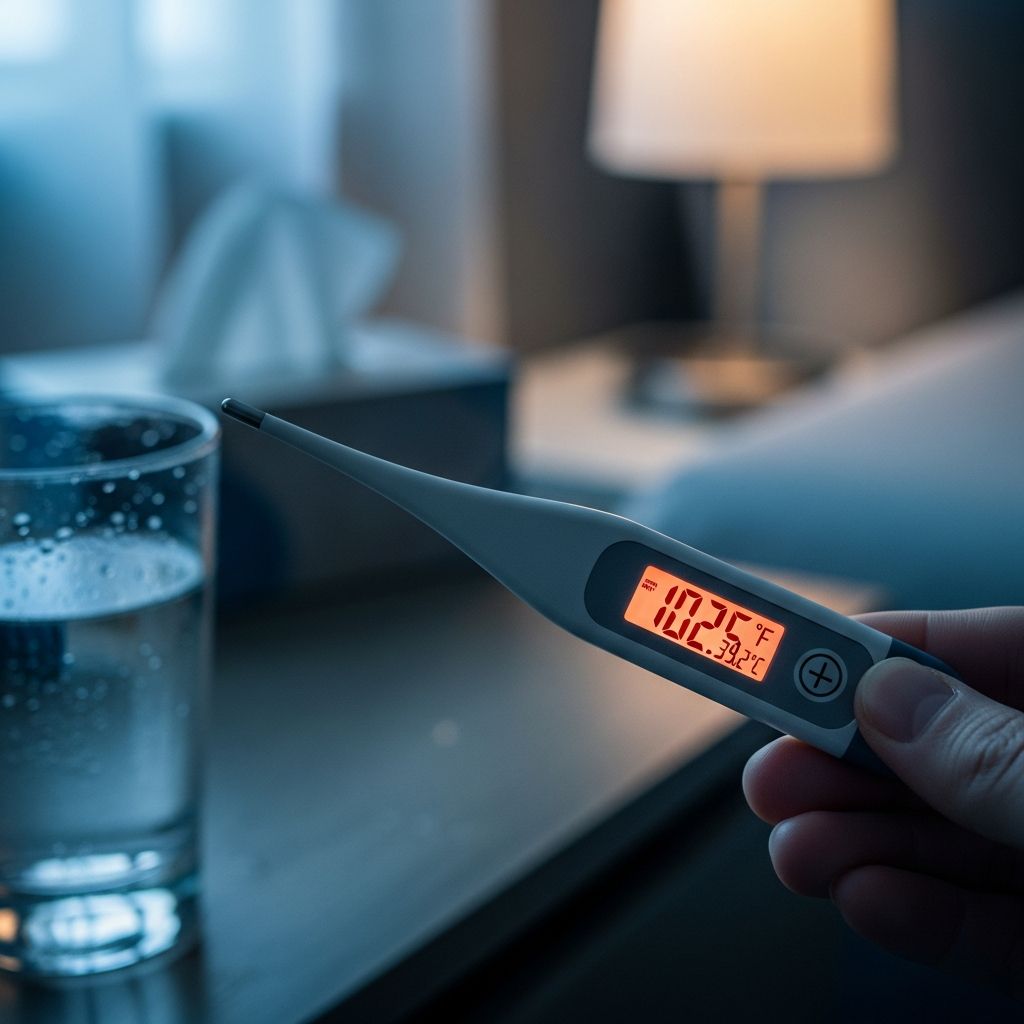
A fever is your body’s natural response to infection and illness, typically indicating that your immune system is actively fighting against harmful invaders. While most fevers resolve on their own as the underlying condition improves, understanding when fever becomes concerning and how to manage it appropriately is essential for your health and well-being.
Understanding Fever Temperature Ranges
The definition of fever in adults begins with understanding normal body temperature. Normal body temperature typically ranges between 97°F and 99°F (36.1°C to 37.2°C), though this can vary slightly from person to person and throughout the day.
Medical professionals classify fevers into distinct categories based on temperature severity:
| Fever Classification | Temperature Range | Fahrenheit (°F) | Celsius (°C) |
|---|---|---|---|
| Low-grade fever | Just above normal | 100.4°F – 102.2°F | 38°C – 39°C |
| Moderate fever | Elevated | 102.3°F – 103°F | 39.1°C – 39.4°C |
| High fever | Significantly elevated | 103°F and above | 39.4°C and above |
A temperature reading of 100.4°F (38°C) or higher is generally considered a fever in adults. However, it’s important to recognize that individual variations exist, and context matters when evaluating fever severity.
Common Causes of Fever in Adults
Fevers develop when your body’s thermostat is reset to a higher set point, typically in response to specific triggers. Understanding the underlying cause helps determine the appropriate course of action.
The most common causes of fever include:
- Viral infections (influenza, common cold, COVID-19)
- Bacterial infections (strep throat, urinary tract infections, pneumonia)
- Fungal infections
- Parasitic infections
- Inflammatory conditions
- Malignancy or cancer
- Medication side effects
- Autoimmune diseases
- Heat exhaustion or heat stroke
Recognizing Fever Symptoms
While elevated body temperature is the defining characteristic of fever, accompanying symptoms often help identify the severity and underlying cause. Common symptoms experienced during fever include:
- Sweating and chills: Your body alternates between feeling too hot and too cold
- Headaches: Often one of the first symptoms to appear
- Muscle aches: General body pain and discomfort
- Fatigue and weakness: Reduced energy and motivation
- Loss of appetite: Decreased interest in eating
- General malaise: Overall feeling of illness and discomfort
When fever reaches 103°F (39.4°C) or higher, patients typically appear visibly ill and may experience more pronounced symptoms.
When Fever Becomes Serious: Red Flags and Warning Signs
While many fevers resolve without intervention, certain situations require prompt medical attention. Recognizing these red flags can prevent complications and ensure appropriate care.
Temperature-Based Concerns
You should contact your doctor immediately if you experience a fever of 104°F (40°C) or higher, as this represents a significant elevation that requires professional evaluation. Additionally, any fever persisting beyond three days warrants medical assessment, even if the temperature remains relatively modest.
Dangerous Symptom Combinations
Seek immediate medical attention if fever is accompanied by any of the following symptoms:
Related Stories



- Severe headache or stiff neck
- Sensitivity to light or hallucinations
- Difficulty breathing or chest pain
- Severe sore throat or throat swelling
- Confusion or altered mental status
- Unusual rash that doesn’t blanch with pressure
- Abdominal pain or persistent vomiting
- Pain or burning with urination
- Seizures or convulsions
- Fainting or loss of consciousness
Special Populations at Higher Risk
Certain groups require more aggressive evaluation and monitoring. Elderly individuals and immunocompromised patients should be evaluated immediately for any fever above 100.4°F (38°C), as they face heightened risk for serious complications including sepsis. Those with chronic medical conditions such as diabetes, heart disease, kidney disease, asthma, or sickle cell disease should inform their healthcare provider of fever symptoms, as these conditions may complicate the clinical picture.
Home Treatment Strategies for Managing Fever
For most adults with uncomplicated fevers, supportive home care provides adequate management. The primary goal of fever treatment is to enhance comfort and allow adequate rest, not necessarily to normalize temperature.
Over-the-Counter Medications
Several safe and effective medications can help reduce fever and associated discomfort. The most commonly recommended options include:
Acetaminophen (Tylenol): This medication is typically recommended as a first-line agent for fever management in adults. It effectively reduces fever and alleviates pain and headache. Follow the package directions carefully and do not exceed the maximum daily dose.
Ibuprofen (Advil, Motrin): A nonsteroidal anti-inflammatory drug (NSAID) that reduces fever while also decreasing inflammation and pain. Ibuprofen may be particularly helpful for fevers accompanied by muscle aches or headache. However, certain populations should avoid NSAIDs, including those taking blood thinners, steroids, or lithium, as well as individuals with a history of bleeding ulcers or kidney problems.
Naproxen (Aleve, Naprosyn): Another NSAID option, though typically used for longer-lasting fever management. Follow dosing guidelines carefully to avoid complications.
Non-Medication Comfort Measures
Beyond medications, several practical strategies enhance comfort during fever:
The “Feed a Cold, Starve a Fever” Myth
This centuries-old adage, dating back to at least 1574, suggests withholding food during fever. However, modern medical evidence does not support this practice. Contemporary medical guidance recommends maintaining adequate nutrition and hydration regardless of whether you have a cold or fever. Your body requires energy and nutrients to mount an effective immune response, so consuming nourishing foods when appetite permits supports recovery. The key principle is listening to your body’s signals and ensuring adequate overall nutrition and fluid intake.
When to Contact Your Healthcare Provider
Understanding when fever warrants professional evaluation helps prevent unnecessary visits while ensuring serious conditions receive appropriate attention.
Call Your Doctor If:
- Fever reaches 104°F (40°C) or higher
- Fever persists beyond three days despite home treatment
- Fever keeps returning after initially improving
- Temperature doesn’t decrease after taking over-the-counter medication
- Fever is accompanied by severe symptoms (see red flags section)
- You belong to a high-risk group (elderly, immunocompromised, or chronic illness)
Seek Emergency Care (Call 911 or Go to the ER):
- Fever accompanied by altered mental status or severe confusion
- Severe difficulty breathing or chest pain
- Neck stiffness with headache and fever (possible meningitis)
- Seizures or convulsions
- Loss of consciousness or fainting
- Severe rash that doesn’t blanch with pressure
- Signs of severe infection or sepsis
Fever Diagnosis and Evaluation
When you visit your healthcare provider for fever evaluation, they conduct a systematic assessment to identify the underlying cause. This typically includes taking your temperature with an appropriate thermometer, performing a physical examination, reviewing your medical history, and asking detailed questions about symptom onset, duration, and associated complaints. Depending on the clinical presentation, your doctor may order laboratory tests such as blood cultures, urinalysis, chest X-ray, or other imaging to identify specific infections or conditions requiring targeted treatment.
Duration and Resolution of Fever
Most fevers associated with common viral infections resolve within one to three days as the immune system successfully combats the infection. However, some fevers may persist or recur, lasting up to fourteen days or longer. A persistent or recurrent fever, even if relatively mild, may indicate a more serious underlying condition and warrants medical evaluation. Your healthcare provider can help determine whether extended fever duration suggests a need for additional diagnostic testing or specialized treatment.
Important Medication Precautions
Before taking over-the-counter fever medications, review important safety considerations. Individuals with liver disease should use acetaminophen cautiously and in lower doses. Those with kidney disease, history of gastrointestinal bleeding, or cardiovascular disease should avoid NSAIDs. Always read medication labels carefully, follow dosing instructions precisely, and consult your healthcare provider or pharmacist if you have questions about drug interactions or suitability based on your medical conditions.
Frequently Asked Questions
Q: Is fever always harmful?
A: No. Fever is your body’s beneficial defense mechanism against infection. In most cases, fever helps your immune system fight illness more effectively. The primary reason to treat fever is to relieve discomfort, not to eliminate fever itself.
Q: How do I know if my fever is serious?
A: Temperature alone doesn’t determine severity. A high fever does not necessarily indicate a more serious illness than a lower fever. Instead, focus on accompanying symptoms. Fever with severe headache, neck stiffness, difficulty breathing, confusion, or unusual rash requires immediate medical evaluation.
Q: Can I alternate between acetaminophen and ibuprofen?
A: This practice is not recommended without specific medical guidance. Alternating medications increases complexity and risk of exceeding safe daily doses. Choose one medication and follow its dosing instructions, or consult your healthcare provider about the best approach for your situation.
Q: How should I measure fever accurately?
A: Digital thermometers provide the most accurate readings. Oral temperature is most common, though rectal readings are most accurate. Follow your thermometer’s instructions for proper placement and duration. Avoid measuring temperature immediately after consuming hot or cold beverages.
Q: Should I go to work with a fever?
A: Generally, you should stay home with fever to allow your body to heal and prevent spreading illness to others. Most employers and public health guidance recommend remaining home for at least 24 hours after fever resolves without medication.
Q: What’s the difference between a thermometer reading and how I feel?
A: Temperature readings don’t always correlate with symptom severity. Some people feel extremely ill with modest fevers, while others feel relatively well despite higher temperatures. Both the thermometer reading and how you feel should inform your assessment of illness severity.
References
- How to Reduce Fever in Adults, According to a Doctor — HealthDay. 2024. https://www.healthday.com/a-to-z-health/infectious-disease/fever-in-adults-645156.html
- Fever in Adults: Characteristics, Types, and When It’s Serious — Healthline. 2024. https://www.healthline.com/health/cold-flu/fever-in-adults
- How to Treat a Fever — Theraflu. 2024. https://www.theraflu.com/treating-cold-flu/how-to-treat-fever/
- Fever: Causes, Symptoms, and Treatment — WebMD. 2024. https://www.webmd.com/first-aid/fevers-causes-symptoms-treatments
Similar Articles








Read full bio of Sneha Tete