Fever: Symptoms, Causes, and When to Seek Care
Understanding fevers: Learn what causes them, recognize symptoms, and know when to seek medical help.
Understanding Fever
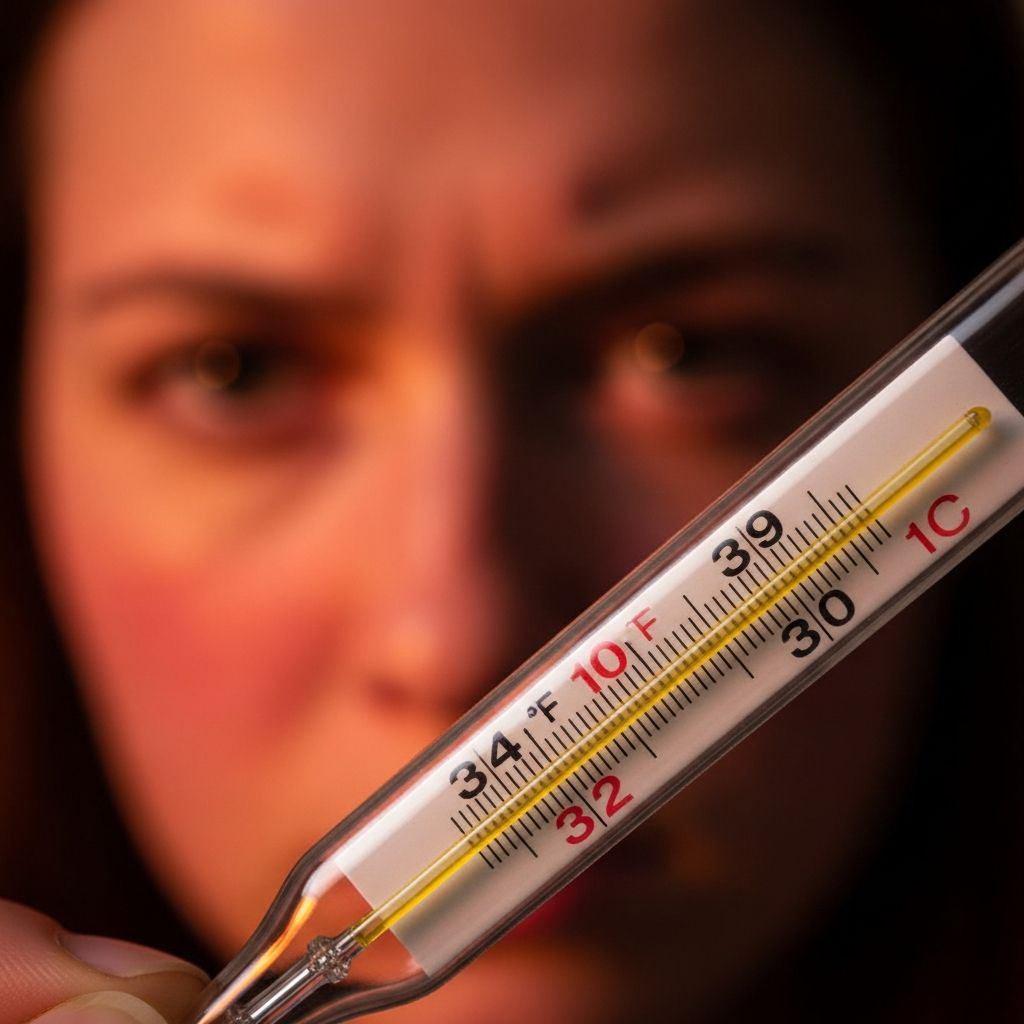
A fever is one of the most common health symptoms you’ll experience, yet many people misunderstand what it truly means. Medically speaking, a fever is defined as a body temperature of 100.4 degrees Fahrenheit (38 degrees Celsius) or higher. While fevers are often viewed negatively and something to immediately treat, they’re actually your body’s natural defensive mechanism working to fight off infection and illness.
When a virus or bacteria invades your system and appears in your bloodstream, your immune system recognizes it as a threat. In response, your body releases inflammatory chemicals that increase your core temperature. This elevated temperature creates an inhospitable environment for the invading pathogen, essentially allowing your body to “cook out” the infection. Think of a fever as a fire alarm that sounds when your immune system detects danger.
Understanding what happens during a fever and recognizing when it requires medical attention can help you manage this common symptom more effectively and know when to seek professional care.
What Causes Fever?
Fevers can result from various underlying causes, ranging from minor viral infections to more serious bacterial infections and inflammatory conditions. The most common causes include:
Infections: Viral infections such as the common cold, flu, and COVID-19 frequently cause fevers. Bacterial infections including strep throat, ear infections, and urinary tract infections also trigger fever responses. In children, ear infections and stomach bugs are common fever culprits.
Inflammatory Conditions: Systemic autoinflammatory diseases (SAIDs) cause recurring fevers without infectious causes. These are distinct from typical infection-related fevers and require specific medical evaluation.
Serious Infections: More severe conditions like pneumonia, influenza, and disseminated infections can produce high-grade fevers. Travel-related illnesses and fungal infections may also present with persistent fever patterns.
Most fevers resolve naturally as your immune system successfully fights off the infection, typically lasting anywhere from a few days to a week depending on the underlying cause.
Recognizing Fever Symptoms
Fevers present with a range of symptoms that vary based on the fever’s severity. Understanding these symptoms helps you assess whether your fever is mild and manageable or requires immediate medical attention.
Low-Grade Fever Symptoms
Low-grade fevers, typically between 100.4°F and 102.3°F, usually produce mild symptoms. You may experience:
- Slight fatigue and tiredness
- Mild headache
- Chills or slight shivering
- Minimal body discomfort
Low-grade fevers often accompany common illnesses like colds and minor viral infections. Many people can continue their daily activities with a low-grade fever, though rest is recommended for faster recovery.
High-Grade Fever Symptoms
High-grade fevers of 103°F (39.4°C) or higher signal more serious infections or inflammatory conditions. Symptoms become significantly more pronounced and may include:
- Severe chills and body shaking
- Intense body aches and muscle pain
- Confusion or difficulty concentrating
- Rapid breathing and increased heart rate
- Severe headache
- Sweating and flushed skin
- Weakness and fatigue
- Restlessness or difficulty sleeping
Related Stories



High-grade fevers are typically associated with serious infections like influenza, pneumonia, or COVID-19. These fevers require prompt medical evaluation, especially if they persist longer than 24-48 hours.
Fever Temperature Ranges and Classifications
Healthcare providers classify fevers into different categories based on temperature readings:
| Fever Classification | Temperature Range | Description |
|---|---|---|
| Normal Body Temperature | Around 98.6°F (37°C) | Baseline healthy temperature |
| Mild Fever | 100.4°F – 102.3°F (38°C – 39.1°C) | Often manageable with rest and fluids |
| Moderate Fever | 102.4°F – 103.9°F (39.1°C – 39.9°C) | Requires monitoring and potential treatment |
| High-Grade Fever | 104°F and above (40°C and above) | Medical emergency requiring immediate attention |
Any temperature at or above 104°F (40°C) is considered a medical emergency and requires immediate medical attention.
When to Seek Medical Care
Knowing when to contact a healthcare provider is crucial for managing fevers appropriately. While many fevers resolve on their own, certain situations warrant professional medical evaluation.
Situations Requiring Doctor Contact
You should contact a healthcare provider if you experience:
- Temperature of 104°F (40°C) or higher (medical emergency)
- Fever lasting more than 24-48 hours
- Severe headache accompanied by stiff neck
- Confusion or altered mental status
- Difficulty breathing or shortness of breath
- Chest pain or pressure
- Severe abdominal pain
- Flat, small, purplish-red spots on the skin (signs of bleeding)
- Rapid heartbeat or abnormal breathing patterns
- Low blood pressure
- Persistent vomiting or inability to keep fluids down
For cancer patients, any fever of 100.5°F or higher should trigger immediate contact with an oncologist, and may require an emergency room visit.
When Lower Fevers Are Acceptable
If your temperature remains below 100.4°F, you’re generally okay and don’t need immediate medical attention. Many healthcare providers adopt a “wait and see” approach for mild fevers in children that last fewer than five days and don’t significantly affect daily activities.
Managing and Treating Fevers
While fevers are your body’s natural healing response, they can make you extremely uncomfortable. Treatment aims to reduce discomfort and help you rest and recover more effectively rather than stopping the fever entirely.
Self-Care Strategies
Several effective approaches can help manage fever symptoms at home:
- Rest: Allow your body adequate sleep and relaxation to direct energy toward fighting infection
- Hydration: Drink plenty of water, herbal tea, broth, and electrolyte beverages to prevent dehydration
- Cool Compress: Apply cool, damp cloths to your forehead, wrists, or neck
- Light Clothing: Wear lightweight, breathable fabrics to help regulate body temperature
- Lukewarm Bath: Sponge baths or lukewarm showers can provide comfort
- Monitor Intake: Eat light, nutritious foods when appetite permits
Over-the-Counter Medications
Common fever-reducing medications include acetaminophen (Tylenol) and ibuprofen (Motrin, Advil). These medications can help reduce fever and alleviate associated aches and pains. Always follow package directions and consult healthcare providers before giving medications to children.
The goal of treatment is to help you feel more comfortable so you can rest, maintain fluid intake, and recover faster rather than to eliminate the fever entirely.
Fever in Children vs. Adults
While fever management principles are similar, age affects how fevers are evaluated and treated. Children’s normal body temperature baseline can vary, and fever thresholds differ from adults. Any fever in infants under three months old requires immediate medical evaluation, as young babies have immature immune systems.
In older children, mild fevers lasting fewer than five days without affecting daily activities typically don’t require intervention. However, any fever accompanied by unusual behavior, difficulty breathing, or other concerning symptoms warrants prompt medical evaluation.
Understanding Your Body’s Fever Response
Your body carefully regulates temperature through a complex system. When your immune system detects infection, it raises your body’s temperature set point upward. This is why you feel cold even though your body is warming up—your body is trying to reach the newly elevated temperature target. As the infection clears and your immune system reduces inflammatory signals, your temperature set point returns to normal, and you’ll begin sweating as your body cools down.
This natural process, while uncomfortable, is highly effective at fighting many infections. The elevated temperature makes it difficult for many pathogens to survive and reproduce.
Frequently Asked Questions About Fevers
Q: Is it always necessary to treat a fever?
A: Not necessarily. If your fever is mild and you’re comfortable, allowing your body to fight the infection naturally can be beneficial. Treatment becomes important when fever causes significant discomfort, prevents rest or fluid intake, or reaches dangerous levels.
Q: How long do fevers typically last?
A: Most fevers last between a few days to a week, depending on the underlying infection or condition. Fevers lasting more than 24-48 hours warrant medical evaluation.
Q: Can a fever cause brain damage?
A: Febrile seizures can occur in young children during rapid temperature increases, but fevers from infections typically don’t cause brain damage. Seek medical attention for any concerning symptoms.
Q: Should I bundle up or cool down during a fever?
A: This depends on your stage of fever. When your temperature is rising and you feel chilled, light covering helps your body reach its elevated temperature set point. Once at peak fever, light clothing and cool compresses promote comfort.
Q: What’s the difference between a fever and hypothermia?
A: Fever is an elevated body temperature caused by immune response to infection. Hypothermia is dangerously low body temperature from excessive cold exposure. These are opposite conditions requiring different treatments.
Q: Can dehydration worsen a fever?
A: Yes. Fever increases fluid loss through sweating. Dehydration can prolong illness and worsen symptoms, making hydration crucial during fever management.
Q: When should I go to the emergency room for a fever?
A: Seek emergency care for temperatures at or above 104°F, high fevers with severe symptoms like difficulty breathing or confusion, or any fever in infants under three months old.
References
- What Happens When Your Body Has a Fever? — Cleveland Clinic. 2024. https://health.clevelandclinic.org/whats-happening-in-my-body-when-i-have-a-fever
- How to Break a Fever and Manage Fever Symptoms — Motrin. 2024. https://www.motrin.com/adults/cold-flu/managing-fever
- Fever after Recent Travel — Cleveland Clinic Journal of Medicine. 2016. https://www.ccjm.org/content/84/11/840
- Fevers in Adults: Causes, Symptoms, Treatment & Relief — Tylenol. 2024. https://www.tylenol.com/adult-relief/cold-flu/fevers-in-adults
- Flu (Influenza): Causes, Symptoms, Types & Treatment — Cleveland Clinic. 2024. https://my.clevelandclinic.org/health/diseases/4335-influenza-flu
- How To Break a Fever Fast — Cleveland Clinic Health. 2024. https://health.clevelandclinic.org/breaking-a-fever
- When Should You Worry About Your Child’s Fever? — Cleveland Clinic. 2024. https://health.clevelandclinic.org/kids-fevers-when-to-worry-when-to-relax
Similar Articles








Read full bio of Sneha Tete