Feverfew: Uses, Benefits, and Medical Properties
Discover feverfew's anti-inflammatory properties and traditional medicinal uses for migraines and arthritis.
Introduction to Feverfew
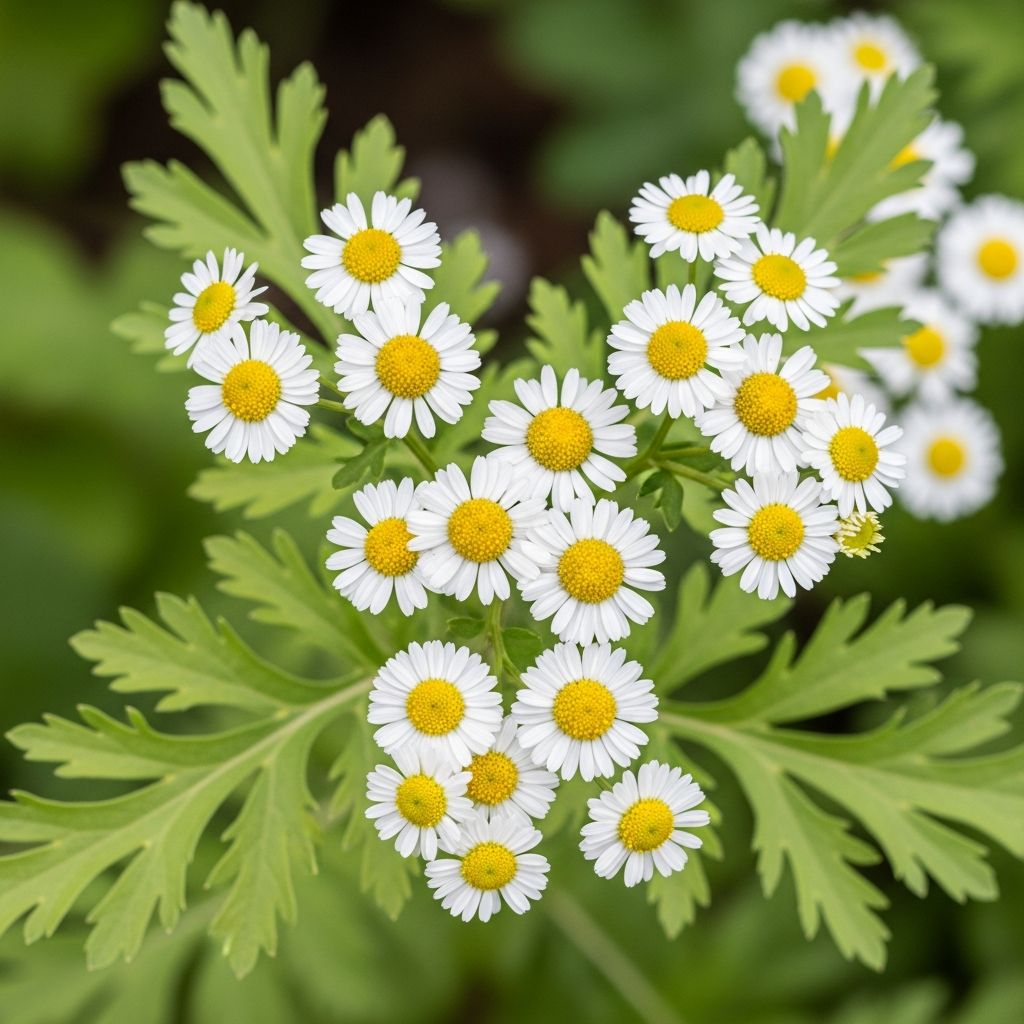
Feverfew (Tanacetum parthenium) is a flowering plant belonging to the Asteraceae family, which includes daisies and sunflowers. The plant has been utilized in traditional medicine for centuries, earning its straightforward name from its historical use as a febrifuge—a substance intended to reduce fevers. Today, feverfew is widely recognized for its diverse medicinal applications, extending far beyond its original fever-reducing purpose to encompass anti-inflammatory, pain-relieving, and headache-management properties. The plant’s feathery, aromatic leaves contain multiple bioactive compounds that have garnered significant scientific interest in recent decades.
Botanical Information and Plant Description
Feverfew is a small herbaceous plant characterized by its delicate, finely divided foliage and small daisy-like flowers. The plant thrives in temperate climates and is relatively easy to cultivate in home gardens. Multiple cultivars have been developed, with some bred specifically for ornamental appeal rather than medicinal potency. The parts used medicinally are the leaves and flowers, which are harvested and prepared in various forms including capsules, tinctures, teas, and extracts. The potency of feverfew diminishes over time after harvesting, with dried herb forms degrading more rapidly than preparations preserved in stable mediums such as alcohol or glycerin.
Active Compounds and Chemical Composition
Feverfew contains several biologically active components responsible for its medicinal properties. The most significant of these compounds is parthenolide, a sesquiterpene lactone that has been extensively studied for its therapeutic potential. Research has demonstrated that parthenolide blocks the formation of inflammatory proteins and inhibits the contraction of vascular smooth muscle normally caused by serotonin and phenylephrine.
Beyond parthenolide, feverfew extracts contain additional beneficial constituents with diverse physiological effects:
- Eudesamanolides with antimicrobial properties
- Essential oils with bactericidal and fungicidal activity
- Free radical-scavenging compounds providing antioxidant protection
- Compounds that inhibit platelet aggregation and allergic mediator secretion
- Antiprotozoal and antibacterial agents
Notably, even parthenolide-free extracts of feverfew demonstrate significant biological activity, suggesting that multiple compounds contribute to the plant’s therapeutic effects.
Mechanisms of Action
Anti-inflammatory Properties
The anti-inflammatory activity of feverfew is well-documented and represents its most validated therapeutic mechanism. Experimental studies confirm that feverfew extracts inhibit the synthesis of pro-inflammatory compounds, including inflammatory prostaglandins, leukotrienes, and thromboxanes—effects comparable to non-steroidal anti-inflammatory agents such as aspirin. Additionally, feverfew appears to inhibit multiple pro-inflammatory cytokines and impairs prostaglandin production. This extensive anti-inflammatory profile makes feverfew particularly useful for chronic inflammatory conditions.
Vascular and Neurological Effects
Beyond inflammation reduction, feverfew exerts specific effects on blood vessel function and neural signaling. The plant produces a tonic effect on vascular smooth muscle, potentially reducing the vascular constriction associated with migraine onset. Research indicates that feverfew demonstrates anti-spasmodic properties and acts as a blood vessel relaxant, mechanisms thought to contribute to its migraine-prevention capability.
Additional Physiological Effects
Feverfew exhibits several supplementary biological activities that enhance its therapeutic profile:
- Inhibition of platelet aggregation
- Suppression of histamine release and allergic mediator secretion
- Antimicrobial activity against various bacteria, yeasts, and fungi
- Immune-supporting effects
- Antioxidant and free radical-scavenging capabilities
Traditional and Modern Medicinal Uses
Migraine Prevention and Treatment
Migraine headache prevention and treatment is the primary condition for which feverfew has the most consistent scientific documentation. Traditional medicine has long employed feverfew for headache relief, and modern clinical studies have provided supporting evidence. In a landmark study conducted at the University of Nottingham, 59 patients with migraines received either a daily 82 mg capsule of dried feverfew leaves or a placebo for alternating four-month periods. Results demonstrated that feverfew treatment significantly reduced both the number and severity of migraine attacks and decreased associated vomiting; however, the duration of individual attacks remained unchanged. A feverfew extract was also shown to reduce the frequency of migraine attacks and alleviate the mild headache that precedes migraine onset.
Related Stories



Arthritis and Joint Pain
Feverfew has a long-established history of use for rheumatoid arthritis and various forms of joint pain. Its potent anti-inflammatory properties make it well-suited for chronic joint conditions, including arthritis resulting from Lyme disease infection. Clinical practitioners report finding feverfew helpful for managing persistent joint inflammation and associated discomfort.
Fever Reduction
Though its name suggests fever reduction as the primary use, feverfew functions more effectively as an anti-inflammatory agent that may secondarily reduce fevers by inhibiting the inflammatory molecules (pyrogens) that initiate fever responses. Historically, feverfew was used as a febrifuge to treat colds and febrile diseases, roles that remain part of traditional medicine practice.
Additional Traditional Applications
Beyond its primary uses, feverfew has been traditionally employed for multiple conditions, though scientific validation varies:
- Menstrual irregularities and cramps
- Psoriasis and inflammatory skin conditions
- Allergies and asthma
- Digestive complaints including indigestion, dyspepsia, and flatulence
- Intestinal parasites and worm infestations
- Respiratory inflammation
- Toothache and dental discomfort
- Insect bites and repellent properties
- General pain syndromes including fibromyalgia and neuropathic pain
Historically, feverfew was administered in high doses during the Middle Ages to induce abortion, though modern use focuses on lower therapeutic doses for safer applications.
External Applications
Beyond internal consumption, feverfew offers therapeutic benefits when applied externally. As a liniment or concentrated tea, feverfew can help cleanse and support skin health. The plant’s antimicrobial properties make it valuable as an insect repellent, as insects are deterred by its characteristic odor. Additionally, feverfew has been used as a traditional hair conditioner and treatment for head lice infestations.
Medicinal Preparations and Dosage Forms
Feverfew can be prepared in various forms, each with distinct advantages and stability characteristics:
| Preparation Form | Method | Advantages | Considerations |
|---|---|---|---|
| Capsules | Dried leaves and flowers encapsulated | Convenient, standardized dosing | Potency decreases over time |
| Tincture (Alcohol-based) | Fresh or dried plant material in alcohol menstruum | Excellent stability, concentrated potency, longer shelf life | Contains alcohol; requires careful storage |
| Glycerite | Plant material macerated in vegetable glycerin | Alcohol-free, pleasant taste, good stability | Requires proper preparation time |
| Tea (Infusion) | Dried leaves and flowers steeped in hot water | Traditional preparation, accessible, affordable | Rapid potency degradation, shorter shelf life |
| Powder | Dried plant material ground finely | Flexible dosing, can be mixed into beverages | Potency decreases relatively quickly |
| Liniment | Infused in oil for external application | Suitable for topical use, direct application | Limited to external use only |
For optimal therapeutic benefit, preparations should be used relatively soon after preparation. Tinctures and glycerites, as stable mediums, preserve feverfew’s active compounds far longer than dried herb forms like capsules, powders, and teas. Typical tincture preparations include fresh flower and leaf at a 1:4 ratio in 80% alcohol, dried flower and leaf at a 1:5 ratio in 50% alcohol, or freshly dried flower and leaf at a 1:7 ratio in vegetable glycerin with a one-and-a-half hour hot water bath.
Current Scientific Evidence and Research Status
While feverfew has an extensive folk history spanning centuries, the scientific evidence supporting its use remains mixed and limited in scope. Migraine prevention represents the only condition for which confirmed scientific documentation exists at present. Multiple in vitro and animal studies suggest potential benefits for various conditions, though rigorous, large-scale human clinical trials are largely absent.
Laboratory studies have demonstrated anticancer effects in controlled settings, though human studies are necessary to establish clinical relevance. Similarly, antimicrobial, antioxidant, and immune-supporting properties have been identified in experimental research but have not consistently translated to significant beneficial effects when feverfew is used by patients in clinical settings.
The National Center for Complementary and Integrative Health acknowledges insufficient clinical evidence to support feverfew as a definitive pharmacological treatment, emphasizing that further research and human studies are necessary to establish safety and efficacy for most proposed applications.
Safety Considerations and Side Effects
Feverfew is generally considered safe when used at therapeutic doses, though certain precautions and potential side effects warrant awareness. Practitioners report not encountering significant adverse effects in clinical practice, yet documented safety considerations exist.
Potential side effects may include:
- Gastrointestinal upset or digestive discomfort
- Allergic reactions, particularly in individuals sensitive to plants in the Asteraceae family
- Mouth ulcers or oral irritation from fresh plant material
- Interaction with anticoagulant medications due to platelet-aggregation inhibition
- Potential interactions with certain pharmaceutical drugs
Individuals taking blood-thinning medications or those scheduled for surgery should consult healthcare professionals before using feverfew, as the plant’s antiplatelet properties may potentiate anticoagulant effects. Pregnant and nursing women should avoid feverfew, particularly given its historical use to induce abortion at high doses. As with any herbal supplement, individuals should discuss feverfew use with qualified healthcare providers before initiating treatment, especially when concurrent medications are involved.
Frequently Asked Questions
Q: Does feverfew actually prevent migraines?
A: Clinical research provides the strongest evidence for feverfew’s migraine-preventive properties. The University of Nottingham study demonstrated significant reduction in migraine frequency and severity, though individual results vary. Feverfew appears most effective when taken regularly as a preventive measure rather than as acute migraine treatment.
Q: Is feverfew effective for arthritis?
A: Feverfew has a long traditional history for arthritis and joint pain, supported by its potent anti-inflammatory mechanisms. However, large-scale human clinical trials specifically for arthritis are limited. Many practitioners report clinical success using feverfew for chronic joint conditions.
Q: Can feverfew raise blood pressure?
A: Research does not indicate that feverfew significantly raises blood pressure. In fact, its blood vessel-relaxant properties suggest potential benefits for vascular function, though individuals with hypertension should consult healthcare providers before use.
Q: How long does it take for feverfew to work?
A: For migraine prevention, feverfew typically requires consistent use over several weeks to months to demonstrate effectiveness. Unlike acute pain relievers, feverfew functions as a preventive agent that works best with regular, sustained application.
Q: Are there side effects from long-term feverfew use?
A: Feverfew is generally well-tolerated during long-term use when taken at appropriate therapeutic doses. However, individuals should monitor for allergic reactions and maintain awareness of potential drug interactions, particularly with anticoagulant medications.
Q: Can I use fresh feverfew leaves directly?
A: While fresh feverfew leaves can be used to prepare teas or tinctures, direct consumption of fresh leaves may cause mouth ulcers in some individuals. Most practitioners recommend processed forms such as tinctures, glycerites, or capsules for safer application.
References
- 7Song Herbal Medicine — 7Song. Accessed 2026. https://7song.com/feverfew-tanacetum-parthenium/
- Feverfew: Uses and Side Effects — Medical News Today. 2024. https://www.medicalnewstoday.com/articles/feverfew
- Feverfew Monograph — Restorative Medicine. Accessed 2026. https://restorativemedicine.org/library/monographs/feverfew/
- Feverfew — Memorial Sloan Kettering Cancer Center. Accessed 2026. https://www.mskcc.org/cancer-care/integrative-medicine/herbs/feverfew
- Feverfew: Usefulness and Safety — National Center for Complementary and Integrative Health (NCCIH). Accessed 2026. https://www.nccih.nih.gov/health/feverfew
Similar Articles








Read full bio of medha deb