Fexofenadine (Allegra): Uses, Dosage & Side Effects
Learn about fexofenadine (Allegra), its uses, dosage, side effects, and important safety information.
What Is Fexofenadine (Allegra)?
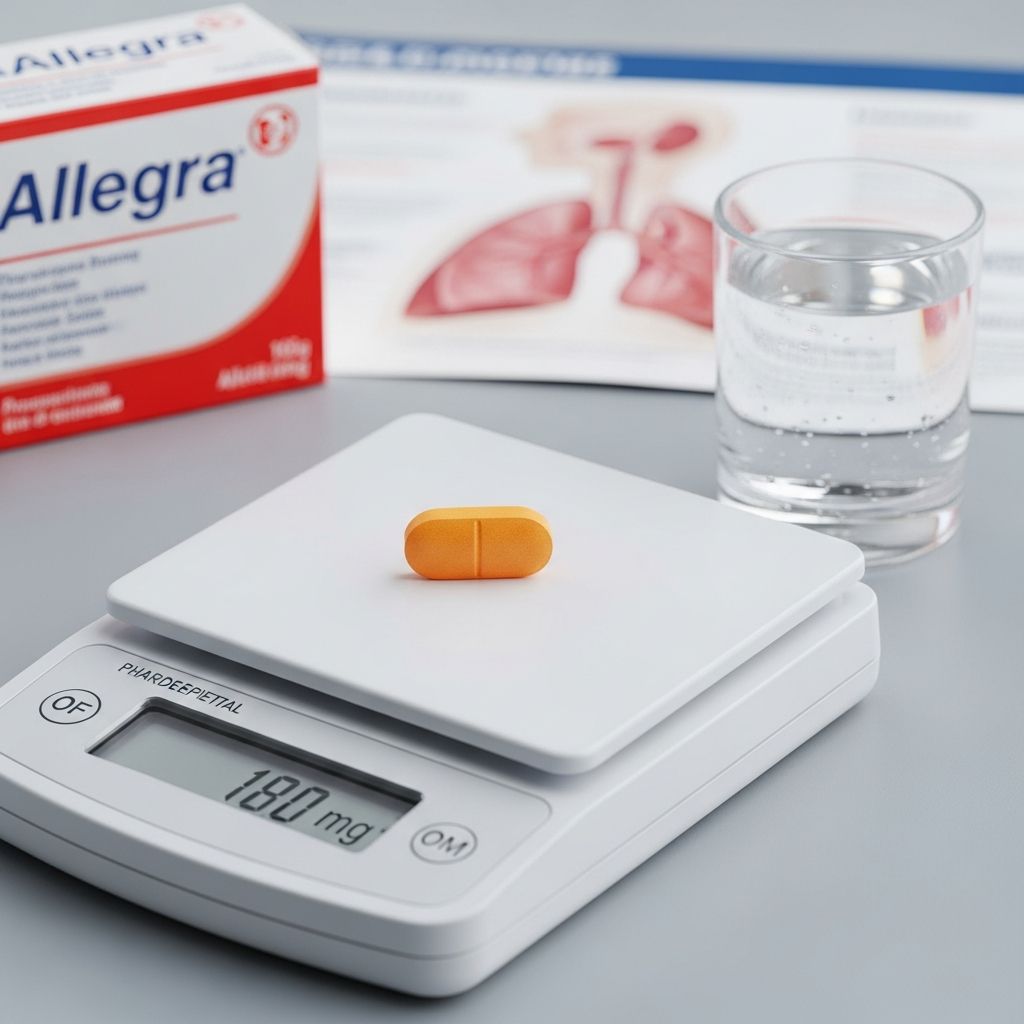
Fexofenadine, commonly known by the brand name Allegra®, is an antihistamine medication used to treat and prevent allergy symptoms. It is available in capsule and tablet forms and is widely prescribed for both adults and children. Fexofenadine works by blocking histamine, a substance released by the body during an allergic reaction, which helps reduce symptoms such as sneezing, itchy eyes, and hives.
How Does Fexofenadine Work?
Fexofenadine belongs to a group of medications called antihistamines. When your body encounters an allergen, it releases histamine, which causes symptoms like sneezing, runny nose, itchy eyes, and hives. Fexofenadine blocks the action of histamine, thereby reducing or preventing these symptoms. Unlike some older antihistamines, fexofenadine is considered non-sedating, meaning it is less likely to cause drowsiness.
Uses of Fexofenadine
- Treatment of seasonal allergic rhinitis (hay fever)
- Relief of chronic idiopathic urticaria (hives)
- Reduction of symptoms such as sneezing, itchy eyes, runny or stuffy nose, and hives
Dosage and Administration
Fexofenadine is available in different strengths and forms, including capsules and tablets. The dosage depends on the age of the patient and the condition being treated.
Adults and Children 12 Years and Older
- For hay fever: 60 mg twice daily or 180 mg once daily
- For chronic hives: 60 mg twice daily or 180 mg once daily
Children 6 to 11 Years Old
- For hay fever: 30 mg twice daily
- For chronic hives: 30 mg twice daily
Children 4 to 6 Years Old
- Dosage must be determined by a doctor
Children Under 4 Years Old
- Not recommended
Administration Tips
- Take fexofenadine by mouth with a full glass of water
- Follow the directions on the prescription label
- Can be taken with or without food
- Take at regular intervals and do not exceed the recommended dose
- It may take several days for symptoms to improve
Side Effects
Fexofenadine is generally well-tolerated, but like all medications, it can cause side effects. Most side effects are mild and do not require medical attention unless they persist or become bothersome.
Common Side Effects
- Headache
- Drowsiness (rare)
- Nausea
- Stomach upset
- Dizziness
- Menstrual pain
Rare Side Effects
- Chest tightness
- Feeling of warmth or redness of the face, neck, arms, or upper chest
- Large, hive-like swelling on the face, eyelids, lips, tongue, throat, hands, legs, feet, or sex organs
- Shortness of breath or difficult breathing
- Pain in arms or legs
- Pain or tenderness around eyes or cheekbones
- Redness or swelling in the ear
- Ringing or buzzing in the ears
- Sore throat
- Swollen joints
- Unusual feeling of tiredness or weakness
- Viral infection (such as cold and flu)
Precautions and Warnings
Before taking fexofenadine, inform your healthcare provider if you have any of the following conditions:
Related Stories



- Kidney disease
- Liver disease
- Heart disease
- High blood pressure
- Diabetes
- Thyroid problems
- Glaucoma
- Enlarged prostate
- Urinary retention
Special Populations
- Children: Fexofenadine may be prescribed for children as young as 6 years old for selected conditions, but precautions apply. For children under 6, use should be determined by a doctor.
- Older Adults: People 65 years and older may have a stronger reaction and may need a smaller dose.
- Pregnancy and Breastfeeding: Consult your healthcare provider before using fexofenadine if you are pregnant or breastfeeding.
Drug Interactions
Fexofenadine may interact with other medications, including:
- Antacids
- Antibiotics
- Antifungals
- Other antihistamines
- Medications for heart disease
- Medications for high blood pressure
- Medications for diabetes
- Medications for thyroid problems
- Medications for glaucoma
- Medications for enlarged prostate
- Medications for urinary retention
Always inform your healthcare provider about all the medications you are taking to avoid potential interactions.
Overdose
If you think you have taken too much fexofenadine, contact a poison control center or emergency room immediately. Symptoms of overdose may include:
- Drowsiness
- Dizziness
- Nausea
- Vomiting
- Stomach pain
- Diarrhea
- Headache
- Confusion
- Seizures
Storage and Disposal
- Store fexofenadine at room temperature, away from moisture and heat
- Keep out of reach of children
- Do not share this medication with others
- Dispose of unused medication according to local regulations
Frequently Asked Questions (FAQs)
Q: Can fexofenadine be taken with food?
A: Yes, fexofenadine can be taken with or without food. However, taking it with food may help reduce stomach upset.
Q: How long does it take for fexofenadine to start working?
A: It may take several days for symptoms to improve. If your symptoms do not start to get better or if they get worse, contact your healthcare provider.
Q: Is fexofenadine safe for children?
A: Fexofenadine may be prescribed for children as young as 6 years old for selected conditions, but precautions apply. For children under 6, use should be determined by a doctor.
Q: Can fexofenadine cause drowsiness?
A: Fexofenadine is considered non-sedating, but some people may experience mild drowsiness.
Q: What should I do if I miss a dose?
A: If you miss a dose, take it as soon as you remember. If it is almost time for your next dose, skip the missed dose and continue with your regular schedule. Do not take a double dose to make up for a missed one.
Q: Can fexofenadine be used for chronic hives?
A: Yes, fexofenadine is approved for the treatment of chronic idiopathic urticaria (hives).
References
- Fexofenadine (Allegra): Uses & Side Effects — Cleveland Clinic. 2023. https://my.clevelandclinic.org/health/drugs/20104-fexofenadine-capsules-or-tablets
- Fexofenadine (oral route) – Side effects & dosage — Mayo Clinic. 2023. https://www.mayoclinic.org/drugs-supplements/fexofenadine-oral-route/description/drg-20067082
- Appropriate use of second-generation antihistamines — Cleveland Clinic Journal of Medicine. 2000. https://www.ccjm.org/content/ccjom/67/5/372.full.pdf
Similar Articles








Read full bio of medha deb