Fexofenadine Tablets: Uses, Dosage & Side Effects
Complete guide to fexofenadine: how it works, dosage, side effects, and safety information.
About Fexofenadine
Fexofenadine is a
non-drowsy antihistamine
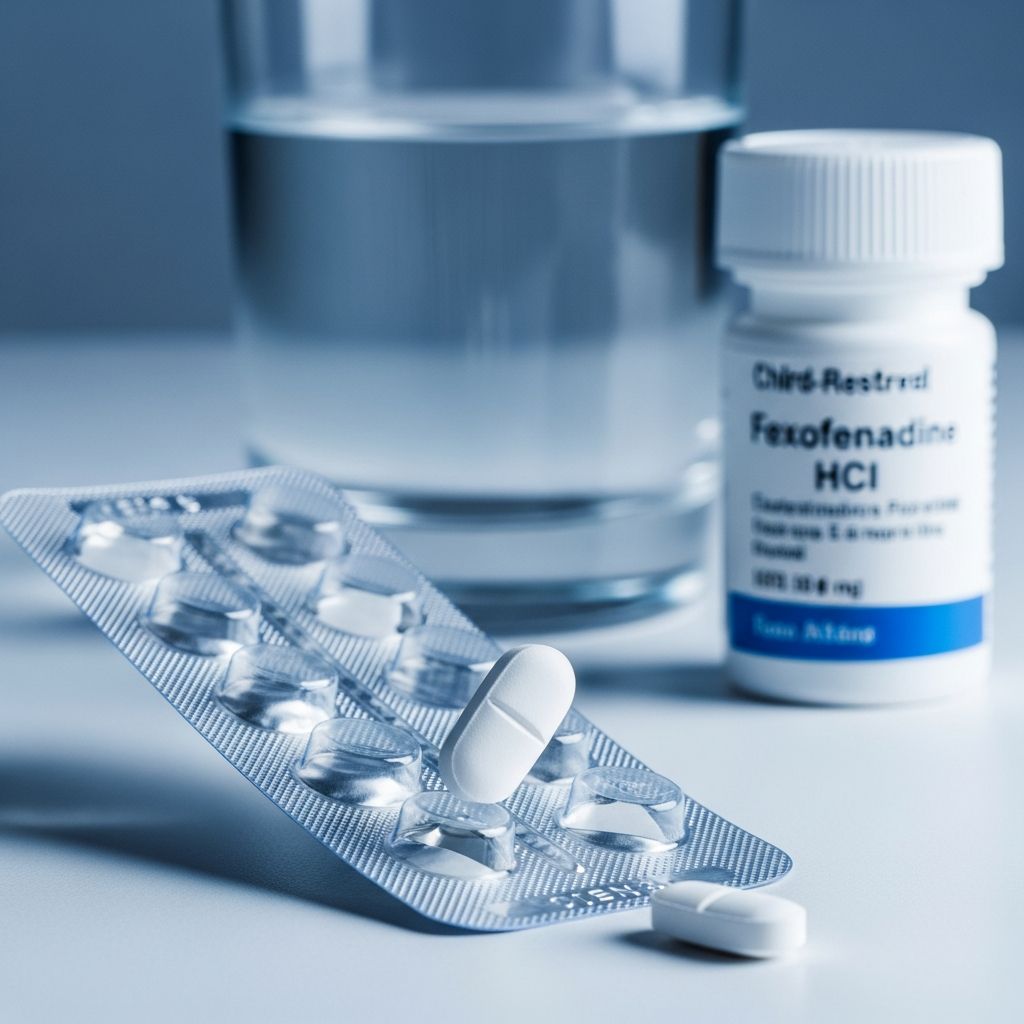
medication used to treat allergic conditions affecting millions of people worldwide. This medication is available under several brand names, including Telfast and Allevia in the United Kingdom, and Allegra in the United States. Unlike earlier antihistamine generations, fexofenadine is specifically designed to minimize sedation while effectively managing allergy symptoms.Fexofenadine belongs to a class of medications known as
second-generation antihistamines
, which means it provides targeted relief by attaching to histamine receptors in the body without causing significant drowsiness or cognitive interference. The medication is available in multiple formulations and strengths to accommodate different patient needs, from children to adults.| Type of Medicine | Primary Uses | Brand Names (UK) | Brand Names (USA) | Available Formats |
|---|---|---|---|---|
| Non-drowsy antihistamine | Seasonal allergic rhinitis (hay fever); chronic urticaria (hives) | Telfast; Allevia | Allegra; Mucinex Allergy; Wal-Fex | Tablets; oral liquid; melt-in-mouth tablets (USA) |
How Fexofenadine Works
When you are exposed to allergens such as pollen, your body initiates an allergic response. Cells in the linings of your nose and eyes release a chemical called
histamine
when they come into contact with these allergens. This histamine triggers inflammation of the nasal passages, technically called rhinitis, which produces characteristic symptoms including sneezing, a runny nose, and nasal congestion.Histamine also affects the eyes, causing them to become red, watery, and itchy—a condition known as allergic conjunctivitis. Fexofenadine operates by blocking the effects of histamine, preventing these uncomfortable symptoms from developing or worsening. As a
selective H1-antagonist
, it specifically targets the H1 histamine receptors responsible for allergy symptoms, providing relief without interfering with other bodily functions.The medication’s onset of action is relatively quick. Studies show that fexofenadine begins to produce an antihistamine effect within 1 hour of administration, reaches maximum effect between 2 to 3 hours, and maintains its beneficial effects for up to 12 hours. This extended duration of action allows for convenient once-daily or twice-daily dosing schedules, depending on the specific condition being treated.
Conditions Treated by Fexofenadine
Fexofenadine is primarily used to treat two main allergic conditions:
Seasonal Allergic Rhinitis (Hay Fever)
Hay fever, medically termed
seasonal allergic rhinitis
, occurs when exposure to environmental allergens such as pollen triggers an allergic response in the nasal passages and eyes. This condition causes sneezing, nasal congestion, runny nose, and itchy or watery eyes. Fexofenadine effectively reduces these symptoms, allowing patients to maintain their normal daily activities during high pollen seasons.Chronic Urticaria (Hives)
**Chronic urticaria** is a condition characterized by the development of an itchy skin rash, commonly known as hives. While the rash may be triggered by an allergy, it can also result from other factors that may not be immediately identifiable. When the rash persists for longer than six weeks, it is classified as chronic urticaria. Fexofenadine is used to ease the symptoms of this rash, providing relief from itching and discomfort in people with this persistent condition.
Available Strengths and Their Uses
Fexofenadine is available in three tablet strengths, each designed for specific patient populations and conditions:
Related Stories



- 30 mg tablets are formulated specifically for treating hay fever in children aged 6 to 12 years
- 120 mg tablets are the standard strength for treating adults with hay fever and seasonal allergic rhinitis
- 180 mg tablets are prescribed for managing chronic urticaria in adults
The 120 mg strength for treating hay fever can be purchased from pharmacies without a prescription in many countries. However, the pharmacist will need to ask relevant questions to ensure this medication is appropriate for your specific situation.
Before Taking Fexofenadine
Before starting fexofenadine, it is crucial that your healthcare provider has important information about your medical history and current circumstances. Inform your doctor or pharmacist if:
- You are pregnant, trying to conceive, or breastfeeding
- You are taking or using any other medications, including those available without prescription
- You are using herbal or complementary medicines
- You have previously experienced an allergic reaction to another antihistamine or any other medication
This information ensures that fexofenadine is safe and appropriate for your individual circumstances and will not interact negatively with other treatments or conditions.
How to Take Fexofenadine
Before beginning treatment, carefully read the manufacturer’s printed information leaflet included in your medication package. This leaflet provides detailed information about the medication and a comprehensive list of potential side effects you may experience.
Recommended Dosage
The following dosing recommendations apply for different patient populations:
- Adults with seasonal allergic rhinitis (hay fever): 120 mg taken once a day
- Children aged 6-12 years with seasonal allergic rhinitis: 30 mg taken twice daily, in the morning and evening
- Adults with chronic urticaria: 180 mg taken once a day
Administration Tips
Whenever possible,
take fexofenadine before meals
to optimize absorption and effectiveness. Some people find it helpful to swallow the tablet with a drink of water. To maximize the benefits of your treatment and aid in remembering to take your medication, try to take the tablets at the same time each day. Consistency in timing helps maintain stable medication levels in your system.Getting the Most From Your Treatment
Many people only need to take an antihistamine when they experience allergy symptoms. Unless your doctor specifically directs otherwise, you should discontinue fexofenadine once your symptoms have improved or resolved completely. This approach minimizes unnecessary medication use while still providing effective symptom relief during allergy season.
Important Safety Consideration: Drowsiness
Although fexofenadine is classified as a
non-drowsy antihistamine
, it can still cause drowsiness in some individuals. If drowsiness occurs,do not drive and do not operate tools or machines
until you feel completely alert and back to normal. Before driving or operating potentially dangerous equipment, make sure your reactions are normal and unaffected by the medication.Common Side Effects and Management
While fexofenadine is generally well-tolerated, some people may experience side effects. The following table outlines common side effects and practical management strategies:
| Side Effect | Management Strategy |
|---|---|
| Headache | Drink plenty of water and ask your pharmacist to recommend a suitable painkiller. If headaches persist, inform your doctor |
| Feeling tired or dizzy | Do not drive and do not operate tools or machines until you feel better. Avoid alcohol consumption |
| Feeling sick (nausea) | Stick to simple, bland meals and avoid spicy foods that may trigger nausea |
If you experience any other symptoms you believe may be caused by the medication, discuss them promptly with your doctor or pharmacist. They can assess whether these effects are related to fexofenadine and recommend appropriate management strategies.
Important Drug Interactions and Precautions
**Do not take indigestion remedies during the two hours before or the two hours after you take a fexofenadine tablet.** Indigestion medications can interfere with fexofenadine absorption and reduce its effectiveness. Maintaining proper spacing between these medications ensures optimal therapeutic benefit from your fexofenadine treatment.
Clinical studies have demonstrated that fexofenadine shows no significant differences in adverse events or heart rhythm effects (QTc interval) when administered alone or in combination with certain other medications such as erythromycin or ketoconazole. However, always inform your healthcare provider about all medications you are taking to ensure safe co-administration.
Clinical Efficacy
Research demonstrates that fexofenadine at doses of 60 mg twice daily provides statistically significant reductions in total symptom scores compared to placebo. Symptom reduction is greater and maintained consistently over extended treatment periods with fexofenadine doses of 60 mg twice daily or higher. However, additional benefits are not observed when increasing doses beyond 60 mg twice daily, suggesting an optimal dosing plateau.
In pediatric populations, studies in children aged 7 to 12 years showed that following a single dose of 30 or 60 mg, antihistamine effects were observed at 1 hour and reached maximum by 3 hours. Greater than 49% inhibition of wheal area and 74% inhibition of flare area were maintained for 8 hours following the 30 and 60 mg doses.
Frequently Asked Questions About Fexofenadine
Q: Can fexofenadine cause drowsiness?
A: Fexofenadine is classified as a non-drowsy antihistamine; however, it can still cause drowsiness in some individuals. If this occurs, avoid driving and operating machinery until you feel completely alert.
Q: How quickly does fexofenadine work?
A: Fexofenadine begins working within 1 hour of administration, reaches maximum effectiveness between 2 to 3 hours, and maintains its effects for up to 12 hours.
Q: Can I take fexofenadine with food?
A: You should take fexofenadine before a meal where possible to optimize absorption and effectiveness. Avoid taking indigestion remedies within 2 hours before or after your dose.
Q: What should I do if I miss a dose?
A: If you miss a dose, take it as soon as you remember unless it is nearly time for your next scheduled dose. Never double-dose to make up for a missed dose.
Q: Is fexofenadine safe during pregnancy?
A: Inform your doctor immediately if you are pregnant, trying to conceive, or breastfeeding before taking fexofenadine. Your healthcare provider will assess whether the benefits outweigh any potential risks in your specific situation.
Q: Can children take fexofenadine?
A: Yes, fexofenadine is safe for children aged 6 years and older. The 30 mg strength is specifically formulated for children aged 6-12 years with hay fever, typically dosed twice daily.
Q: What should I avoid while taking fexofenadine?
A: Avoid driving or operating machinery if you experience drowsiness. Do not take indigestion remedies within 2 hours of your fexofenadine dose, and inform your doctor about all other medications you are taking.
References
- Fexofenadine tablets (Telfast, Allevia, Allegra) uses and side effects — Patient.info. https://patient.info/medicine/fexofenadine-tablets-telfast-allevia-allegra
- ALLEGRA (fexofenadine hydrochloride) Capsules and Tablets — U.S. Food and Drug Administration. 2003. https://www.accessdata.fda.gov/drugsatfda_docs/label/2003/20872se8-003,20625se8-010_allegra_lbl.pdf
- Allergy Medicines: Fexofenadine Hydrochloride — Allegra. https://www.allegra.com/en-us/understanding-allergies/what-is-fexofenadine
- Fexofenadine (Allegra): Uses, Side Effects, Interactions — WebMD. https://www.webmd.com/drugs/2/drug-13823-2204/fexofenadine-oral/fexofenadine-oral/details
- Fexofenadine: Uses, Interactions, Mechanism of Action — DrugBank. https://go.drugbank.com/drugs/DB00950
- Fexofenadine – StatPearls — National Center for Biotechnology Information, National Institutes of Health. https://www.ncbi.nlm.nih.gov/books/NBK556104/
- Fexofenadine: antihistamine medicine that relieves allergy symptoms — National Health Service (NHS). https://www.nhs.uk/medicines/fexofenadine/
Similar Articles








Read full bio of medha deb