Fiber vs. Protein: Which Is Better for Breakfast?
Discover whether prioritizing fiber or protein at breakfast leads to better satiety, diet quality, and long-term health outcomes.
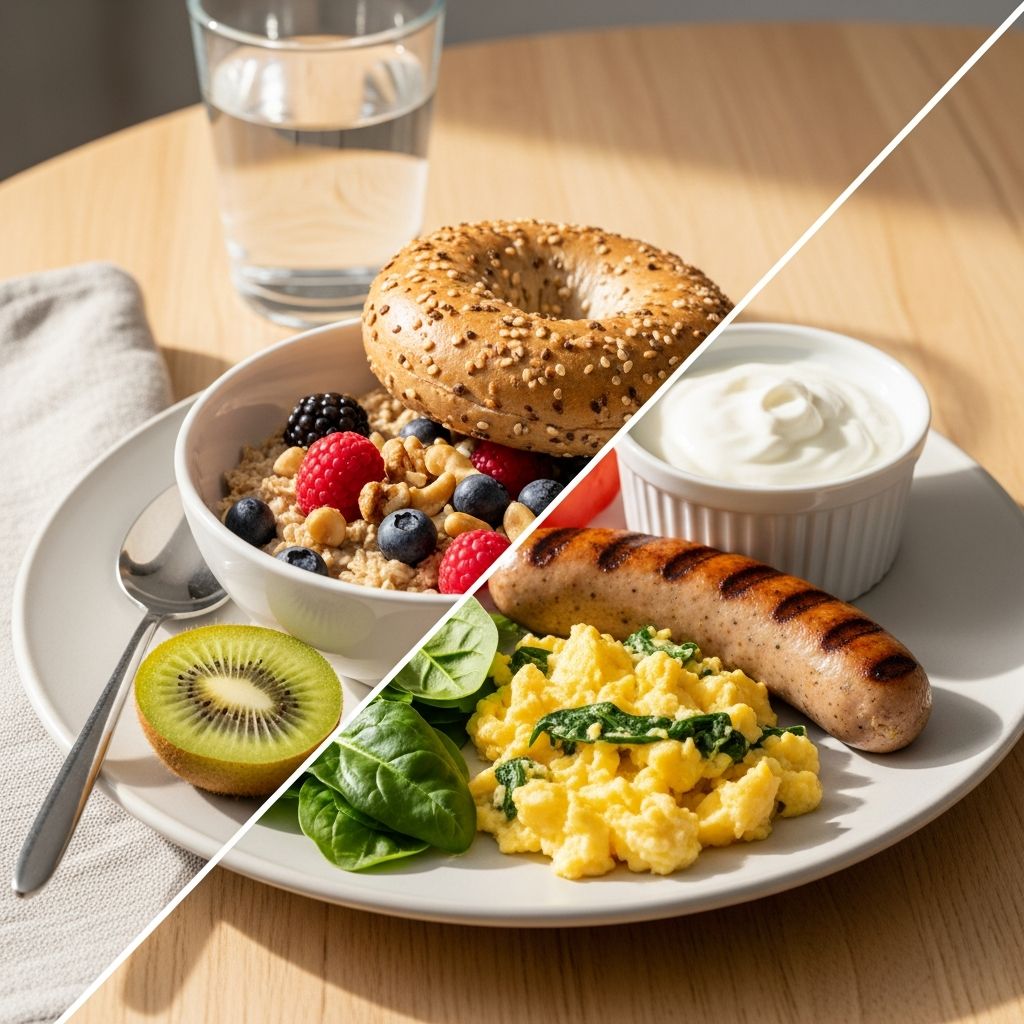
Starting your day with a nutrient-dense breakfast can set the tone for healthy eating habits, sustained energy, and better weight management. But when it comes to macronutrients, should you prioritize
protein
orfiber
? Both have unique benefits for satiety, digestion, and metabolic health, yet research suggests they may work best in different ways—or even together.This comprehensive guide breaks down the science behind high-protein (HP) and high-fiber (HF) breakfasts, drawing from clinical studies on children and adults. We’ll explore their effects on fullness, subsequent calorie intake, diet quality, blood sugar control, and more, helping you decide which is superior for your morning meal.
What Makes a Breakfast ‘High-Protein’ or ‘High-Fiber’?
A
high-protein breakfast
typically provides 20-30 grams of protein per serving, sourced from eggs, Greek yogurt, cottage cheese, or plant-based options like tofu and legumes. Protein is renowned for its satiating effects, as it stimulates hormones like peptide YY and GLP-1 that signal fullness to the brain.In contrast, a
high-fiber breakfast
delivers at least 8-10 grams of fiber, often from oats, berries, chia seeds, or whole grains. Fiber slows gastric emptying, adds bulk to meals, and promotes beneficial gut bacteria.Studies match these breakfasts for calorie content (around 300 kcal) to fairly compare their impacts. For example, one trial used child-friendly HP breakfasts with 19.8g protein and 3.6g fiber, HF options with 9.9g protein and 10.5g fiber, and a combined high-protein high-fiber (HPHF) version.
How Protein and Fiber Affect Fullness and Hunger
Fullness after breakfast is crucial for preventing mid-morning snacking. Protein excels here: it activates stretch receptors in the stomach and delays hunger hormones like ghrelin.
- HP breakfasts increased post-breakfast fullness ratings by over 1 point on visual analog scales in preschoolers.
- HF breakfasts matched this effect, with no significant difference between HP, HF, or HPHF versus controls.
- Pre-lunch fullness remained elevated, suggesting both nutrients sustain satiety without spontaneous compensation at later meals.
Adult studies echo this. High-protein meals reduce hunger by 25% more than carb-heavy ones, while fiber’s viscous types (e.g., beta-glucan in oats) form gels that prolong fullness. No ceiling effect was seen when combining them, though diet quality benefits plateaued.
Impact on Calorie Intake and Weight Management
Does a satiating breakfast lead to fewer calories later? In a controlled trial, children ate 65 kcal less at intervention breakfasts (HP, HF, HPHF) than controls, without increasing intake at lunch or snacks. Total daily energy remained stable, indicating no compensatory overeating.
| Breakfast Type | Energy Intake (Day 3, kcal) | Protein (g) | Fiber (g) |
|---|---|---|---|
| Control | 194 | 7 | ~2-3 |
| HP | Lower by ~15 kcal | 19.8 | 3.6 |
| HF | Lower by ~10 kcal | 9.9 | 10.5 |
| HPHF | Comparable | 20.5 | 11.0 |
Related Stories



Over weeks, protein density (g/100 kcal) rose significantly with HP and HPHF, while fiber density increased across all interventions. For weight loss, protein may edge out due to its thermic effect (burning 20-30% of calories during digestion vs. 5-10% for carbs).
Diet Quality and Nutrient Density
Beyond satiety, breakfast choice influences overall nutrition. HP and HF breakfasts improved diet quality scores by 12% via the Relative Child Diet Quality Index (RCDQI), reflecting better macronutrient balance and micronutrient intake.
- Protein boosts intake of essential amino acids, B vitamins, and minerals like iron from meats or legumes.
- Fiber enhances phytonutrients, antioxidants, and prebiotics from fruits/veggies.
- Combined HPHF showed no additive gain, possibly due to overlapping mechanisms or formulation limits.
Long-term, fiber-rich starts correlate with higher vegetable/fruit consumption throughout the day.
Blood Sugar Control and Metabolic Health
Stable blood glucose prevents energy crashes. Soluble fiber blunts glycemic spikes by 20-30%, ideal for diabetes management. Protein similarly slows carb absorption.
In trials, both HP and HF reduced postprandial glucose vs. carb-only meals. Fiber shines for insulin sensitivity, with 10g extra daily fiber lowering type 2 diabetes risk by 10% per meta-analyses.
Examples of High-Protein and High-Fiber Breakfasts
High-Protein Options (20g+ protein):
- Greek yogurt parfait with nuts (25g protein, 300 kcal).
- Egg veggie scramble (22g protein).
- Cottage cheese with berries (28g protein).
High-Fiber Options (10g+ fiber):
- Oatmeal with chia and fruit (12g fiber).
- Smoothie with spinach, flax, avocado (11g fiber).
- Whole-grain toast with avocado and eggs (10g fiber).
HPHF Combos: Overnight oats with protein powder and seeds (20g protein, 11g fiber).
Potential Downsides and Who Should Choose What
Protein: Excess (over 30% calories) may strain kidneys in those with issues; opt plant-based if cholesterol-conscious.
Fiber: Sudden increases cause bloating—ramp up gradually with water.
- Athletes/weight trainers: Prioritize protein for muscle repair.
- Diabetes/endurance seekers: Lean fiber for steady energy.
- Families: HF or HPHF for kid-friendly satiety without taste rejection.
Expert Recommendations
Registered dietitians advocate 20-30g protein or 10g fiber minimum. USDA guidelines suggest 25-30g fiber daily, with breakfast contributing 25%. Combining yields synergistic benefits without trade-offs.
Frequently Asked Questions (FAQs)
What is more satiating: protein or fiber at breakfast?
Both equally boost fullness ratings post-breakfast and pre-lunch, with no differences in controlled studies.
Can high-fiber breakfasts aid weight loss?
Yes, by reducing subsequent energy intake without compensation, improving diet quality by 12%.
Is there benefit to high-protein high-fiber breakfasts?
Diet quality improves, but no additive satiety over solo versions; still valuable for balance.
How much protein/fiber for an optimal breakfast?
Aim for 20g protein or 10g fiber in 300 kcal, matched to needs.
Are these effects similar in adults and children?
Trials confirm parallels, though kids show robust responses without overeating later.
In conclusion, neither fiber nor protein is definitively ‘better’—both enhance breakfast’s power for satiety and health. Experiment based on goals: protein for muscle/weight loss, fiber for gut/metabolism, or both for versatility.
References
- High-Protein and High–Dietary Fiber Breakfasts Result in Equal Feelings of Fullness and Satiation in Preschool Children Compared with Their Usual Breakfast — Foy JM, et al. Journal of the Academy of Nutrition and Dietetics (PMC). 2016-06-15. https://pmc.ncbi.nlm.nih.gov/articles/PMC5320397/
Similar Articles








Read full bio of Sneha Tete