Fibreglass Dermatitis: Causes, Symptoms, Treatment, Prevention
Understanding the causes, symptoms, diagnosis, and management of skin irritation from fibreglass exposure.
Fibreglass dermatitis is a form of irritant contact dermatitis resulting from mechanical irritation caused by sharp fibreglass spicules penetrating the stratum corneum of the skin. It commonly affects individuals handling fibreglass materials, such as insulation installers, construction workers, and manufacturers, leading to acute pruritic eruptions on exposed areas. Who is at risk of fibreglass dermatitis? Workers in industries involving fibreglass insulation, boat building, automotive parts, and piping are primarily affected due to frequent direct or airborne exposure to these tiny, sharp glass fibres. What is fibreglass dermatitis? Fibreglass, also spelled fibreglass, consists of thin strands of glass used in reinforced plastics and insulation; when fragmented, these spicules cause physical trauma rather than a true allergic response, though secondary sensitisation to resins may occur.
What is fibreglass?
Fibreglass refers to a composite material made from fine glass fibres, often combined with plastic resins to create durable products like insulation batts, pipes, boat hulls, and automotive components. The fibres, typically 3–20 micrometres in diameter, have sharp, needle-like ends capable of piercing skin easily. During manufacturing, cutting, or installation, these fibres become airborne or adhere to clothing and skin, facilitating widespread exposure. High concentrations of airborne particles can also irritate mucous membranes, causing conjunctivitis, sore throat, or cough alongside cutaneous symptoms.
Clinical features
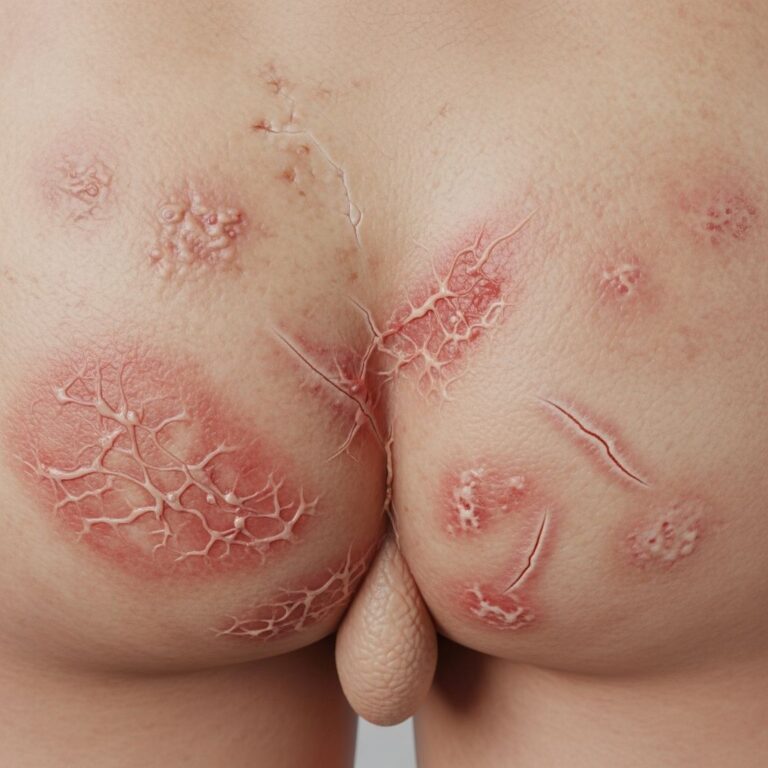
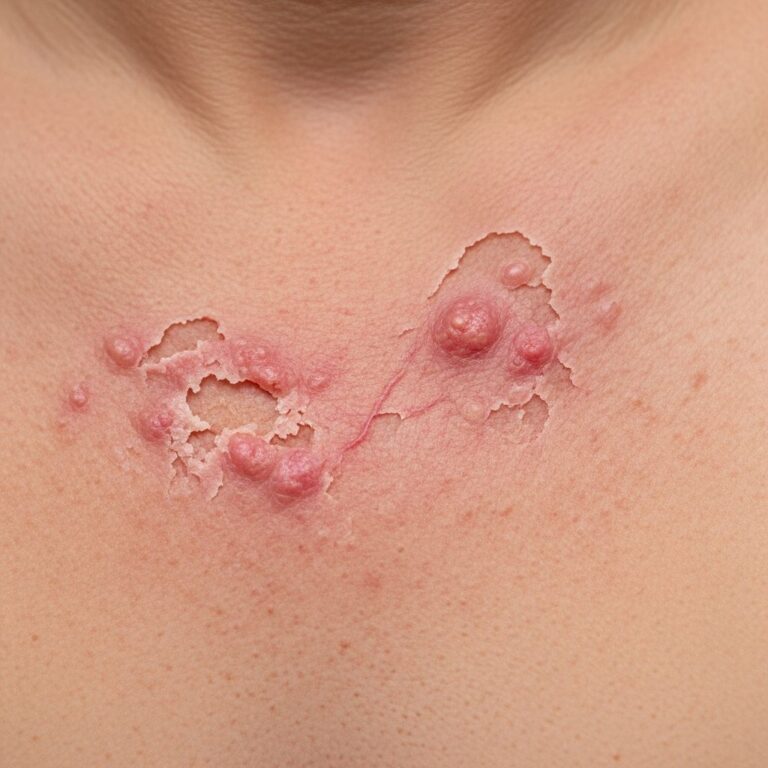
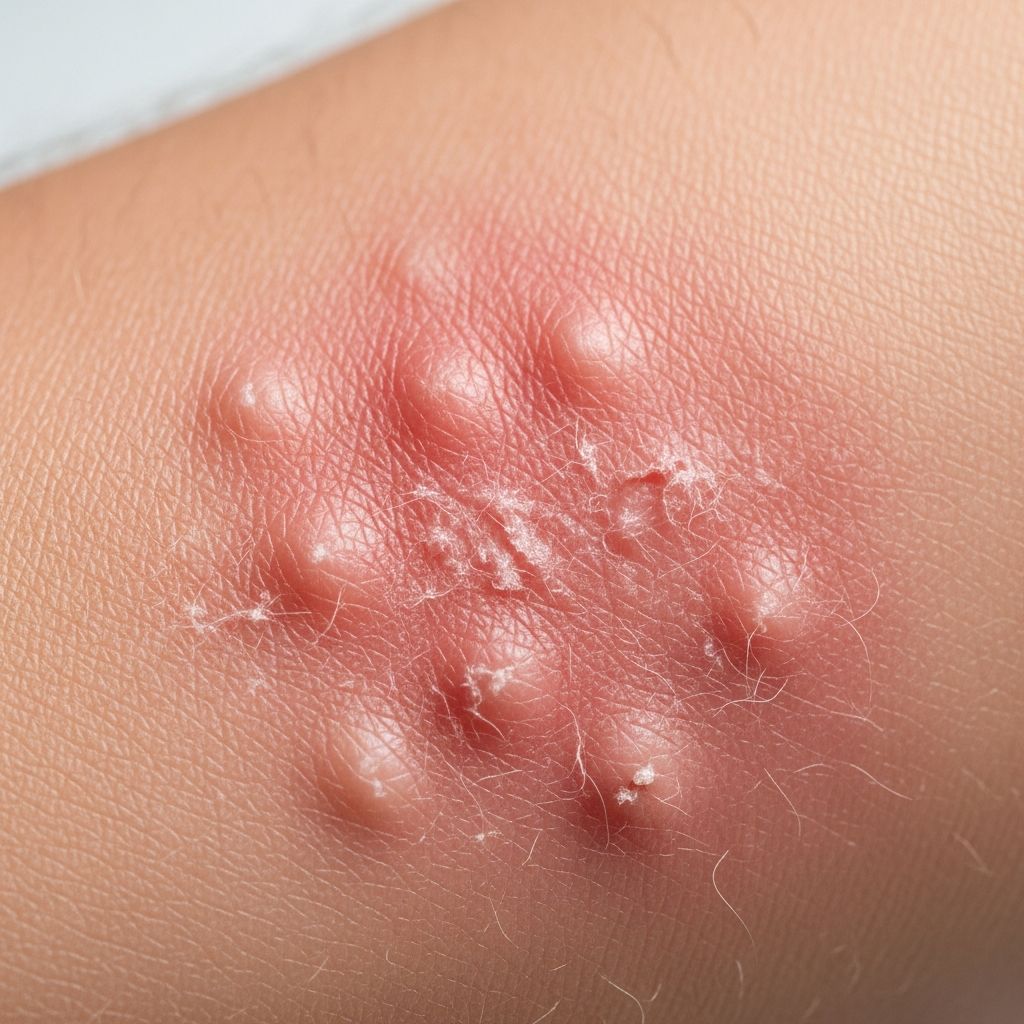
Fibreglass dermatitis presents acutely with severe pruritus as the hallmark symptom, often described as intensely itchy within hours of exposure. The rash primarily affects exposed sites: face, neck, forearms, hands, and flexural areas like antecubital fossae and wrists, where sweat, friction, and fibre accumulation exacerbate symptoms. Characteristic lesions include discrete erythematous papules (1–2 mm), occasionally topped with a white scale-on-shearing-off sign, linear excoriations from scratching, and vesicles in severe cases. Paronychia (nail fold inflammation) is common due to fibre trapping under nails. Airborne exposure may cause uniform dermatitis on upper body and face, sometimes mimicking airborne allergic contact dermatitis. Systemic symptoms like burning eyes, sore throat, and cough occur with heavy airborne exposure. Chronic exposure rarely leads to persistent dermatitis as tolerance develops over time. Symptoms typically resolve spontaneously in 3–7 days but recur rapidly upon re-exposure.
Diagnosis
Diagnosis relies on a classic history of recent fibreglass exposure and characteristic clinical morphology, particularly the scale-on-shearing-off sign on papules. Dermoscopy reveals shiny, linear, needle-like spicules protruding from papular lesions, aiding rapid bedside diagnosis. Patch testing is negative for delayed hypersensitivity but may show irritant reactions if fresh fibreglass is applied; it primarily rules out allergic mimics. Reflectance confocal microscopy or skin biopsy confirms diagnosis by identifying refractile, linear fibreglass fragments within the epidermis. Biopsy shows spongiotic dermatitis with embedded foreign material, granulomatous inflammation in chronic cases, or pseudoepitheliomatous hyperplasia. Differential diagnoses include scabies, cheiropodopodi dermatitis, papular urticaria, and allergic contact dermatitis to resins or airborne allergens.
Management
Immediate decontamination is crucial: remove clothing, wash skin thoroughly with warm water and mild soap using a soft cloth or sticky tape to lift embedded fibres—avoid rubbing to prevent deeper penetration. Cool compresses, emollients (e.g., Eucerin), and topical corticosteroids (potent for 1–2 weeks) alleviate pruritus and inflammation. Oral antihistamines (sedating types like diphenhydramine for severe itch) provide symptomatic relief. Secondary infection requires antibiotics if pustules, oozing, or fever develop. Symptoms resolve in 3–4 days without intervention, but re-exposure triggers rapid relapse. Severe cases may need oral corticosteroids briefly.
Prevention
Prevention hinges on barrier protection and exposure minimisation. Wear long-sleeved shirts, trousers, gloves (cotton-lined nitrile preferred over leather), hats, and close-weaving fabrics; cover face with hoods or goggles. Use P2 respirators for airborne particles and ensure wet-cutting methods or local exhaust ventilation. Change clothes immediately post-exposure, launder separately in hot water, and shower thoroughly. Skin barriers like hydrated lanolin or petroleum ointment prior to work reduce penetration. Employers should provide PPE, training, and engineering controls like ventilation. Tolerance develops with chronic low-level exposure, reducing incidence over time.
Related Stories



Occupational issues
Fibreglass dermatitis constitutes a significant occupational health concern in construction, insulation, manufacturing, and composites industries, classified as irritant contact dermatitis (ICD-70.0 in ICD-11). High-risk tasks include insulation installation/removal, grinding, and sanding. Compensation claims are valid under occupational dermatosis provisions; notification to safety authorities is required for clusters. Engineering controls (ventilation, enclosures) and PPE compliance are legally mandated in many jurisdictions. Regular health surveillance identifies at-risk workers with sensitive skin or atopy.
Types of Fibreglass Dermatitis
- Acute irritant contact dermatitis: Immediate redness, itching, burning from direct fibre contact.
- Allergic contact dermatitis: Rare, due to resins or formaldehyde; presents with swelling, vesicles.
- Chronic dermatitis: Persistent irritation from repeated exposure, leading to lichenification.
- Granulomatous dermatitis: Rare granuloma formation around embedded fibres.
- Vesicular dermatitis: Blisters from severe allergic or irritant responses.
Risk Factors
- Prolonged or repeated skin contact with fibreglass.
- Poor ventilation increasing airborne exposure.
- Sensitive skin, atopy, or pre-existing dermatitis.
- Inadequate PPE like missing gloves or long sleeves.
- Delayed decontamination post-exposure.
Frequently Asked Questions
What does fibreglass dermatitis look like?
It appears as clusters of small (1–2 mm) erythematous pruritic papules on exposed skin, often with excoriations and paronychia; dermoscopy shows white spicules.
How long does fibreglass rash last?
Typically resolves in 3–7 days with removal and symptomatic care, but recurs quickly on re-exposure.
Can fibreglass dermatitis be allergic?
Primarily mechanical irritant; true allergy to resins is uncommon but possible.
Is fibreglass dermatitis dangerous?
Not usually; it is self-limiting but can lead to secondary infection if embedded fibres cause folliculitis.
How to remove fibreglass from skin?
Wash with soap/water, use tape for surface fibres; avoid scratching.
References
- Fiberglass Dermatitis: Causes, Symptoms And Treatment — Medicover Hospitals. 2023-06-15. https://www.medicoverhospitals.in/diseases/fiberglass-dermatitis/
- Fibreglass dermatitis — DermNet NZ. 2024-01-10. https://dermnetnz.org/topics/fibreglass-dermatitis
- Fiberglass dermatitis: clinical presentations, prevention, and treatment — International Journal of Dermatology (PubMed). 2019-03-01. https://pubmed.ncbi.nlm.nih.gov/30816574/
- Fiberglass in the skin: Symptoms, removal, and risks — Medical News Today. 2023-11-20. https://www.medicalnewstoday.com/articles/fiberglass-in-skin
- Pain In The Glass: If You Get Fiberglass Rash On Your Skin, Do This — Dermeleve. 2024-05-12. https://dermeleve.com/blogs/news/fiberglass-rash
Similar Articles








Read full bio of Sneha Tete