Fibromatosis: Types, Symptoms, and Treatment
Comprehensive guide to fibromatosis: Understanding benign fibrous tissue growths and management options.
What is Fibromatosis?
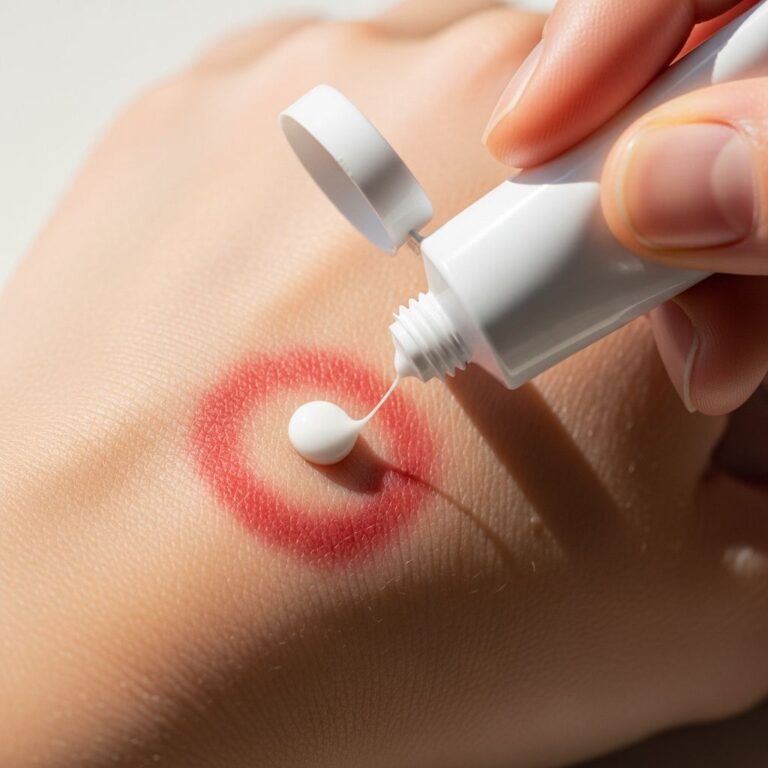
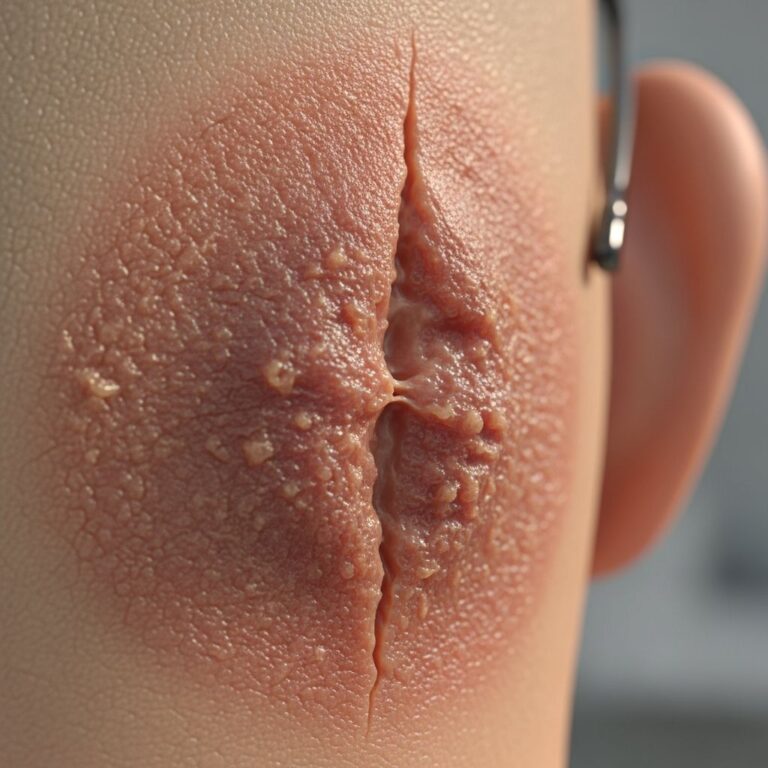
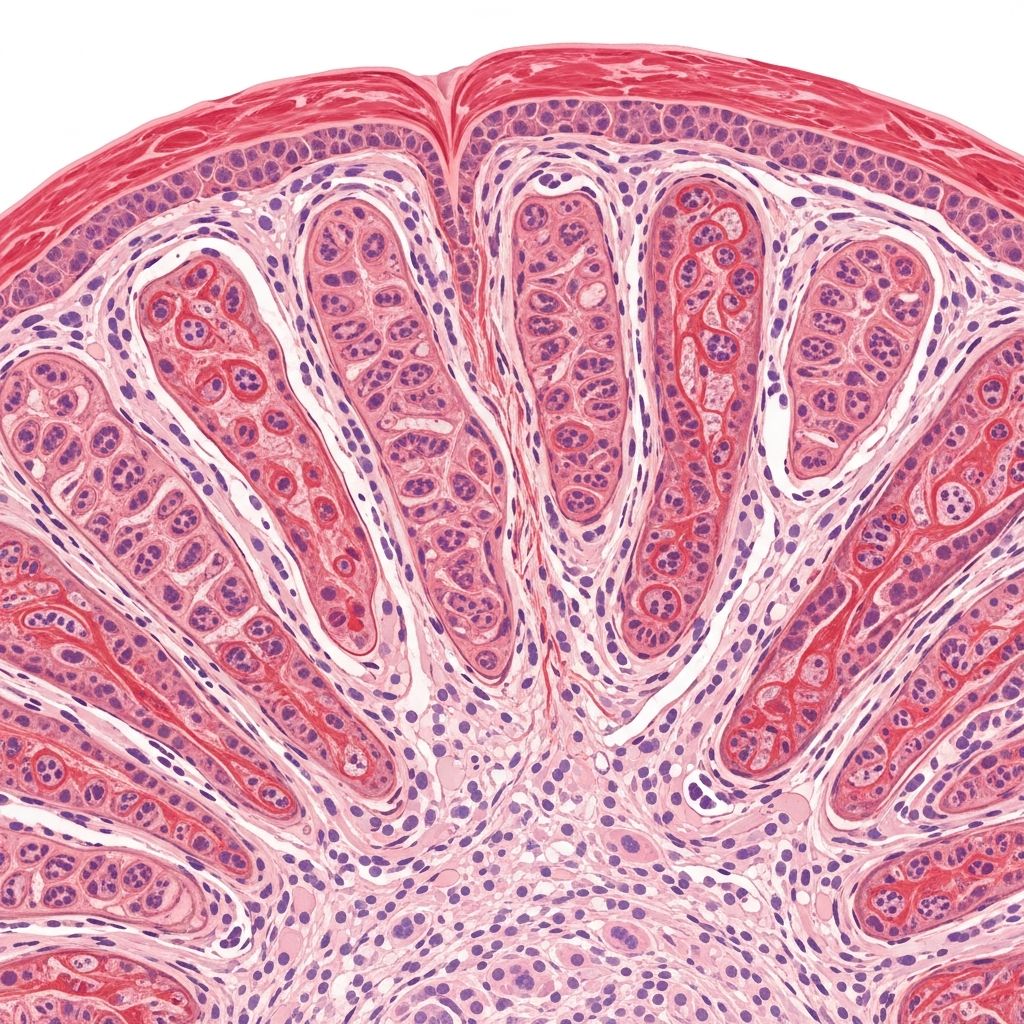
Fibromatosis is a medical condition characterized by the development of benign fibrous overgrowths in dermal and subcutaneous connective tissue. These growths, known as fibromas, are non-cancerous tumors composed of fibrous or connective tissue that can develop in various locations throughout the body. While fibromas are generally harmless, they can sometimes cause discomfort, cosmetic concerns, or functional impairment depending on their size, location, and rate of growth.
The condition is fundamentally benign in nature, meaning fibromas do not transform into cancer or pose a direct threat to overall health. However, certain types of fibromatosis, such as plantar fibromatosis and desmoid-type fibromatosis, may cause significant symptoms that warrant medical attention and intervention.
Types of Fibromatosis
Fibromatosis manifests in several distinct forms, each affecting different body regions and presenting unique clinical characteristics:
Plantar Fibromatosis
Plantar fibromatosis, also known as Ledderhose disease, is a rare benign hyperproliferative fibrous tissue disorder resulting in the formation of nodules along the plantar fascia of the foot. This condition can be locally aggressive and often results in pain, functional disability, and significantly decreased quality of life for affected individuals. The primary symptom most patients experience is a slow-growing lump along the medial longitudinal arch of the foot. While the mass is initially painless, it becomes painful as it enlarges.
Multiple fibromas may develop over time and can contribute to exacerbation of symptoms. Restrictive shoes, direct pressure on the mass, walking barefoot, and standing for prolonged periods may intensify discomfort associated with plantar fibromatosis.
Desmoid-Type Fibromatosis
Desmoid-type fibromatosis (DF) represents a more aggressive form of fibromatosis that can develop in various body locations. This type may occur independently or in association with familial adenomatous polyposis (FAP). Desmoid-type fibromatosis presents as a palpable lump that individuals may discover and subsequently seek medical evaluation for. The condition requires careful assessment and monitoring due to its potentially aggressive growth characteristics.
Breast Fibromatosis
Fibromatosis of the breast is a benign breast condition that can mimic breast cancer on mammographic imaging. On a mammogram, fibromatosis appears identical to breast cancer, making accurate diagnosis through biopsy essential to differentiate it from malignant disease. Breast fibromatosis requires specific diagnostic confirmation to ensure appropriate management and patient reassurance regarding its benign nature.
Other Fibromas
Additional types of fibromas can develop on the skin and in subcutaneous tissues throughout the body. These may include cutaneous fibromas and other fibrous tissue overgrowths that develop in various anatomical locations. Each type may present with different clinical features and symptom severity.
Signs and Symptoms
Fibromatosis presents with varied clinical manifestations depending on the type, location, and size of the fibrous growths:
- Palpable lumps: Most commonly, patients discover firm or soft lumps with a raised surface beneath the skin or in affected tissues
- Pain and tenderness: While many fibromas begin as painless growths, they often become tender or painful as they enlarge, particularly with applied pressure
- Itching: Some fibromas may cause itching sensations in the affected area
- Swelling: Tissue edema and swelling may develop around the fibroma, particularly in plantar fibromatosis
- Pressure sensations: Larger fibromas can create feelings of pressure or fullness in the affected region
- Changes in appearance: Fibromas may have coloring that changes over time, appearing the same color as surrounding skin or presenting with dark, red, or purple hues
- Surface characteristics: Some fibromas develop smooth surfaces, while others may appear rough or have raised features
- Bleeding: If injured, fibromas may bleed due to their vascular nature
- Progressive enlargement: Most fibromas enlarge slowly over time, though some may remain static
- Functional impairment: Fibromas in weight-bearing areas like the plantar fascia can cause walking difficulties and functional disability
Related Stories



Diagnosis of Fibromatosis
Accurate diagnosis of fibromatosis involves a systematic clinical and investigative approach:
Clinical Examination
Physical examination represents the paramount first step in diagnosing fibromatosis. Healthcare providers perform visual assessment of the affected area, identifying swelling, skin breakdown, bruising, or deformity. For plantar fibromatosis specifically, practitioners must palpate bony prominences along with tendinous insertions along the heel and midfoot. Specialized tests, such as the squeeze test for identifying calcaneal stress fractures in the foot, may be performed during clinical evaluation.
Imaging Studies
Multiple imaging modalities assist in confirming fibromatosis diagnosis and differentiating it from other pathological conditions:
- Ultrasound: Uses soundwaves to create detailed images from within the body, particularly useful for soft tissue evaluation
- Magnetic Resonance Imaging (MRI): The most commonly used imaging modality for diagnosing fibromatosis. On MRI, plantar fibromas appear as focal, oval-shaped areas of disorganization embedded in the plantar fascia. Larger, more lobulated lesions continuous with affected fascia are also recognized, often demonstrating low signal intensity due to their fibrous nature, though signal isointense with muscle may be observed
- Computed Tomography (CT): Takes multiple x-rays to create three-dimensional images of affected areas, providing detailed anatomical information
Biopsy
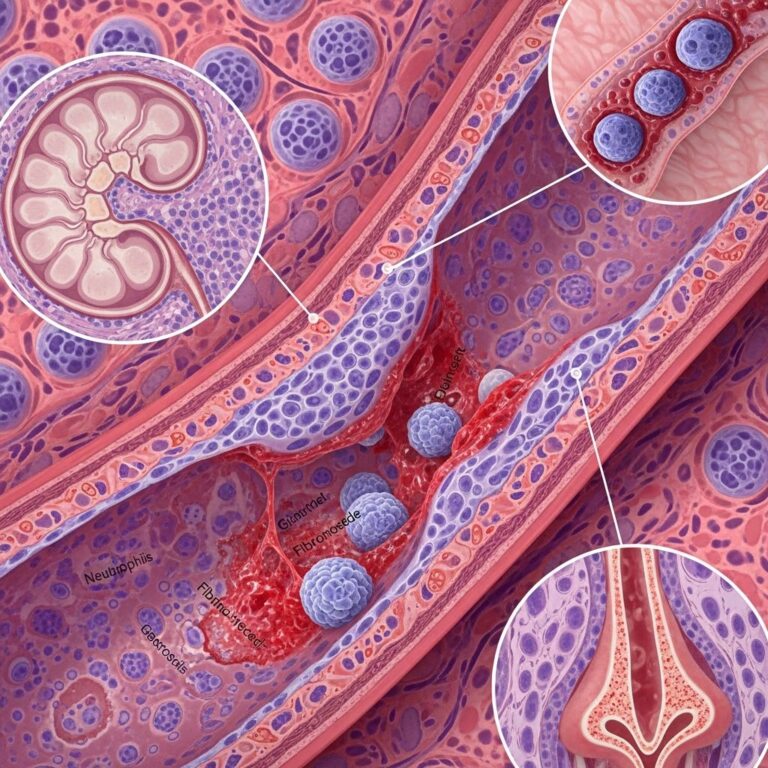
Biopsy may be indicated to rule out malignancies and confirm diagnosis when imaging findings are inconclusive. Core needle biopsy uses a hollow needle to remove tissue samples, typically performed under local anesthesia. The tissue sample is then examined microscopically to confirm the benign fibrous nature of the growth and exclude malignant pathology.
Treatment Options
Management of fibromatosis depends on the type, size, location, symptoms, and growth rate of the fibromas. Several evidence-based and emerging treatment strategies exist:
Conservative Management
Given the benign nature of fibromatosis, conservative therapies remain first-line treatment options for symptomatic management:
- Active Surveillance: For newly diagnosed fibromatosis without significant symptoms, “watch and wait” or active monitoring approaches are typically recommended. This involves regular clinical examination without immediate intervention
- Supportive Footwear: For plantar fibromatosis, wearing supportive shoes that distribute pressure evenly can significantly reduce symptoms and prevent fibroma enlargement
- Physical Therapy: Stretching exercises and physical therapy can help maintain function and prevent symptom progression
- Orthotic Inserts: Custom or over-the-counter orthotic inserts can reduce pressure on foot fibromas and alleviate pain during ambulation
Pharmacological Interventions
- Steroid Injections: Commonly used as an initial treatment strategy, steroid injections aim to shrink nodule size and decrease associated pain with ambulation. Steroid injections work by decreasing expression of VCAM1 and altering production of pro-inflammatory cytokines TGF-β and bFGF
- Verapamil: This calcium channel blocker has been studied for managing plantar fibromatosis with varying levels of evidence
- Tamoxifen: An estrogen receptor antagonist that has demonstrated efficacy in some fibromatosis cases
- Collagenase: Enzymatic therapy targeting collagen breakdown within fibromas
Minimally Invasive Procedures
- Extracorporeal Shock Wave Therapy (ESWT): Non-invasive treatment using shock waves to disrupt fibroma tissue
- Cryotherapy: Uses freezing temperatures to destroy fibroma tissue
- Radiation Therapy: High-energy radiation beams destroy fibroma cells. Studies demonstrate that approximately one-third of patients with plantar fibromatosis experienced complete remission of nodules following radiation treatment, with slightly more than half experiencing partial remission. Nearly two-thirds of patients reported pain remission and gait improvement. Approximately 94% of patients reported minimal toxicity and high satisfaction with radiation treatment
Surgical Intervention
When conservative measures fail or fibromas significantly impair function, surgical removal becomes necessary:
- Wide Local Excision: Surgical removal of the growth along with a margin of normal tissue to reduce recurrence risk
- Myomectomy: For uterine fibromas, surgical removal of individual fibroids to preserve the uterus
- Hysterectomy: Surgical removal of the uterus, commonly performed for patients with debilitating symptoms from uterine fibroids who do not plan future pregnancies
It is important to note that surgical removal can be associated with recurrence of fibromas, particularly in plantar fibromatosis. However, surgery remains an option for recalcitrant or particularly aggressive cases causing significant functional impairment.
Prognosis and Management Considerations
Most fibromas remain benign throughout life and do not require treatment if asymptomatic. Many individuals with fibromatosis experience no symptoms or only mild symptoms, allowing conservative management approaches to suffice. However, optimal management of fibromatosis continues to evolve as multiple standard conservative therapies and emerging treatment options are studied with varying degrees of efficacy.
Further research is needed to determine optimal treatment algorithms for fibromatosis. Convincing, long-term research surrounding the use of conservative therapies does not yet exist, highlighting the importance of individualized treatment planning based on patient symptoms, fibroma characteristics, and patient preferences regarding intervention.
When to Seek Medical Attention
Individuals should contact their healthcare provider if they notice:
- A new lump that continues to grow larger over time
- Increasing pain or tenderness associated with a fibroma
- Signs of infection, including increased warmth, redness, or drainage
- Functional impairment affecting daily activities
- Cosmetic concerns regarding fibroma appearance
- Bleeding from a fibroma after minor injury
Frequently Asked Questions
Q: Are fibromas cancerous?
A: No, fibromas are benign (non-cancerous) tumors. They do not develop into cancer and do not pose a direct threat to overall health, though they may cause symptoms requiring management.
Q: Can fibromas disappear on their own?
A: Most fibromas do not disappear spontaneously. They typically remain stable or enlarge slowly over time. However, conservative management can effectively control symptoms and prevent progression.
Q: Do all fibromas require treatment?
A: No. Many asymptomatic fibromas do not require treatment. Active surveillance or “watch and wait” approaches are appropriate for most individuals with fibromatosis causing no symptoms or functional impairment.
Q: What is the success rate of surgical removal?
A: While surgical removal can be effective for symptomatic fibromas, recurrence is possible, particularly in plantar fibromatosis. Wide local excision techniques that remove surrounding normal tissue margins reduce but do not eliminate recurrence risk.
Q: Are there lifestyle modifications that help manage plantar fibromatosis?
A: Yes. Wearing supportive footwear, using orthotic inserts, avoiding prolonged standing or walking barefoot, and performing stretching exercises can significantly reduce symptoms and prevent progression of plantar fibromatosis.
Q: How is breast fibromatosis differentiated from breast cancer?
A: Fibromatosis appears identical to breast cancer on mammograms, making biopsy essential for definitive diagnosis. A tissue sample examined under a microscope confirms the benign fibrous nature of the growth.
References
- The etiology, evaluation, and management of plantar fibromatosis — National Center for Biotechnology Information (NCBI). 2019. https://www.ncbi.nlm.nih.gov/pmc/articles/PMC6367723/
- Desmoid-type fibromatosis — Sarcoma UK. 2024. https://sarcoma.org.uk/about-sarcoma/what-is-sarcoma/types-of-sarcoma/desmoid-type-fibromatosis/
- Fibroma: Symptoms, Causes & Treatment — Cleveland Clinic. 2024. https://my.clevelandclinic.org/health/diseases/23991-fibroma
- Fibromatosis – Breast Cancer.org — Breast Cancer.org. 2024. https://www.breastcancer.org/benign-breast-conditions/fibromatosis
- Fibroma Symptoms and Treatment — Brigham and Women’s Hospital. 2024. https://www.brighamandwomens.org/obgyn/resources/fibroma
- Fibromas Explained: Diagnosis, Risks, Treatment, and More — Healthgrades. 2024. https://resources.healthgrades.com/right-care/symptoms-and-conditions/fibroma
- What is desmoid fibromatosis? — Nicklaus Children’s Hospital. 2024. https://www.nicklauschildrens.org/conditions-we-treat/desmoid-fibromatosis
Similar Articles








Read full bio of medha deb