Fibromuscular Dysplasia (FMD): Causes, Symptoms, and Treatment
Understanding FMD: A rare vascular disease affecting arteries and blood vessels throughout the body.
What is Fibromuscular Dysplasia?
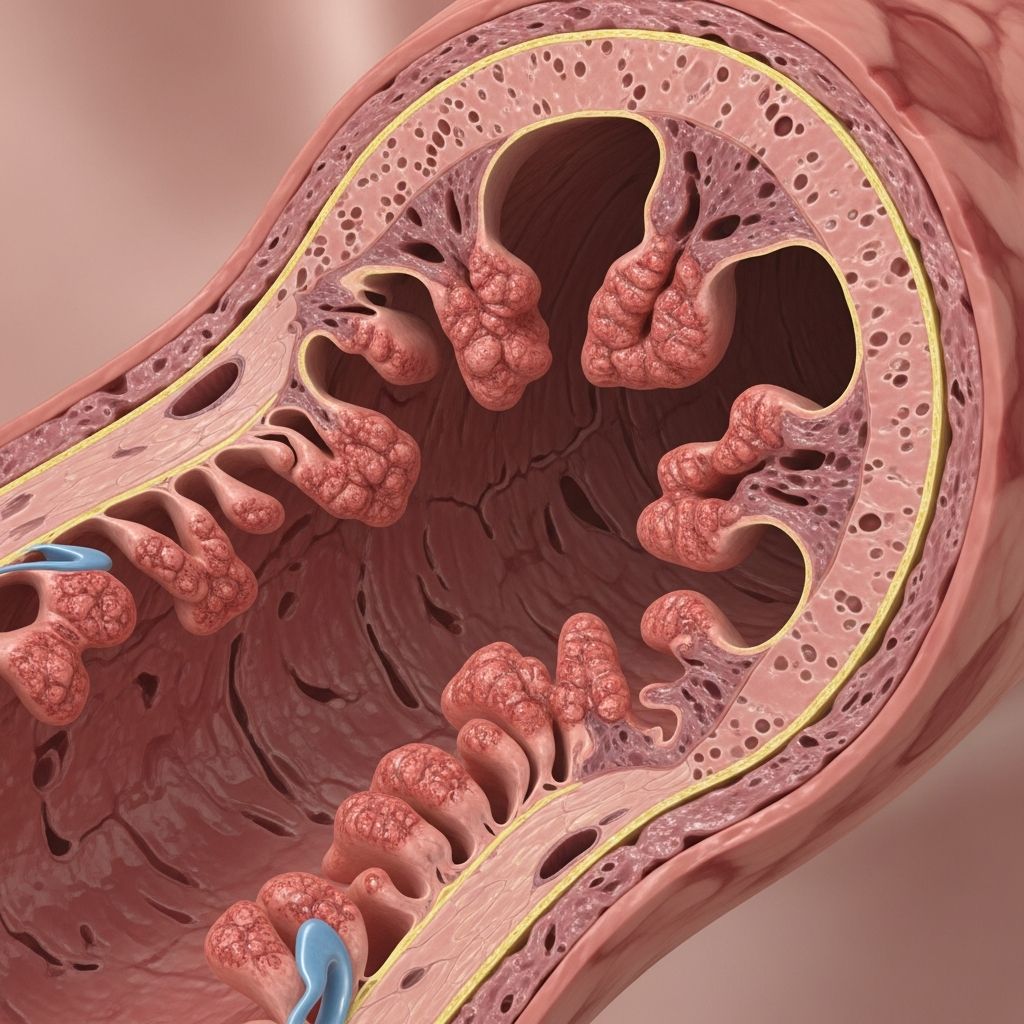
Fibromuscular dysplasia (FMD) is a rare vascular disease characterized by abnormal cell growth within the walls of arteries, causing them to narrow or bulge and restricting blood flow to vital organs. Unlike conditions caused by inflammation or plaque buildup, FMD represents a distinct pathology affecting medium-sized arteries throughout the body. This condition most commonly impacts arteries supplying blood to the kidneys and brain, though it can affect multiple vascular systems simultaneously. The disease accounts for 10% to 20% of renal artery stenosis cases and predominantly affects younger women, with approximately 80-90% of FMD patients being female.
FMD occurs when clusters of cells develop abnormally within blood vessel walls, creating fibrous lesions that compromise arterial integrity and function. This progressive narrowing or weakening of arteries can lead to serious complications, including aneurysms, dissection, and thrombosis. Early recognition and appropriate management are essential to prevent life-threatening outcomes such as stroke, kidney failure, and cardiovascular events.
Causes and Risk Factors
The exact cause of fibromuscular dysplasia remains poorly understood, though researchers have identified several contributing factors and associations that may increase disease development and progression. Understanding these risk factors is crucial for patient counseling and identifying individuals who may benefit from enhanced monitoring or preventive interventions.
Key Risk Factors Include:
Hormonal Influences: Most individuals diagnosed with FMD are women, suggesting a significant hormonal component in disease pathogenesis. Estrogen exposure has been identified as a known link to FMD development and may influence disease progression.
Genetic Predisposition: While FMD can run in families, many patients present with no documented family history, indicating both hereditary and sporadic patterns of disease occurrence. FMD has been associated with certain genetic conditions, particularly Ehlers-Danlos syndrome type IV, a connective tissue disorder that can increase susceptibility to vascular abnormalities.
Mechanical Stress: Trauma and mechanical stress on arteries may trigger or accelerate FMD development. Physical strain on blood vessels can predispose individuals to arterial remodeling and fibrous tissue formation.
Vascular Oxygen Deprivation: A lack of oxygen supply to blood vessel walls causes cells to form abnormal fibrous lesions characteristic of FMD. This hypoxic environment promotes pathological cellular proliferation and differentiation.
Environmental Factors: Smoking and environmental exposures have known associations with FMD development and may accelerate disease progression. These modifiable risk factors present opportunities for disease prevention through lifestyle modifications.
Symptoms and Clinical Manifestations
Fibromuscular dysplasia presents with highly variable symptoms depending on which arteries are affected and the severity of narrowing or dissection. Importantly, many individuals with FMD remain asymptomatic and are discovered incidentally during imaging studies or when physicians detect abnormal sounds over affected arteries. When symptoms do occur, they are directly related to reduced blood flow to specific organs and tissues.
Renal Artery FMD Symptoms
When FMD affects kidney arteries, patients commonly experience:
Related Stories



High Blood Pressure: Narrowing of renal arteries triggers increased pressure on artery walls and activates the renin-angiotensin-aldosterone system, leading to secondary hypertension.
Kidney-Related Symptoms: Abnormal kidney function, flank pain, and hematuria may occur due to reduced blood flow to renal tissues. Patients may experience an abnormal sound (bruit) heard with a stethoscope over the abdomen or neck.
Associated Symptoms: Headaches, especially migraines, whooshing sounds or ringing in the ears (tinnitus), neck pain, lightheadedness, and dizziness may accompany renal artery involvement.
Cranio-Cervical FMD Symptoms
FMD affecting carotid and vertebral arteries presents with neurological manifestations including persistent headaches, pulsatile tinnitus, dizziness, sudden neck pain, and potentially serious complications such as stroke or transient ischemic attack (TIA). Some patients experience Horner syndrome symptoms or suffer subarachnoid hemorrhage when aneurysms rupture. Carotid bruits may be detected during physical examination.
Mesenteric Artery FMD Symptoms
When FMD involves arteries supplying the intestines, liver, and spleen, patients report postprandial abdominal pain (pain after eating), unexplained weight loss, and fatigue. An epigastric bruit may be detected on examination.
Coronary Artery FMD Symptoms
FMD affecting heart arteries causes chest pain, shortness of breath, and can lead to acute coronary syndrome or spontaneous coronary artery dissection (SCAD). These symptoms require immediate medical evaluation.
Peripheral Artery FMD Symptoms
FMD in arm and leg arteries presents with pain during exercise, diminished blood flow (limb ischemia), discoloration of fingertips, upper arm weakness, paresthesias, claudication, cold legs, and ischemic feet depending on location and severity.
Complications of Fibromuscular Dysplasia
Even without initial symptoms, FMD can progress to severe, life-threatening complications requiring urgent intervention. The disease’s tendency to weaken arterial walls and compromise blood flow creates multiple potential adverse outcomes.
| Complication | Description | Clinical Impact |
|---|---|---|
| Arterial Aneurysm | Bulges or weak spots in artery walls caused by cell changes that weaken structural integrity | Risk of rupture causing bleeding and potentially fatal hemorrhage |
| Arterial Dissection | Tears in artery walls caused by fibrous cell proliferation making arteries more prone to splitting | Sudden blockage of blood flow, stroke, or arterial occlusion |
| Stroke or TIA | When FMD affects carotid or vertebral arteries causing mini-strokes or stroke-like symptoms | Neurological damage, permanent disability, or death |
| Hypertension | Increased blood pressure from arterial narrowing and activation of renin-angiotensin system | Cardiovascular damage, organ dysfunction |
| Kidney Damage | Reduced blood flow from narrowed renal arteries causing kidney dysfunction and chronic kidney disease | Flank pain, progressive renal failure, end-stage renal disease |
| Thrombosis | Blood clot formation within narrowed arteries | Complete arterial obstruction and tissue ischemia |
| Intracranial Hemorrhage | Bleeding in the brain from ruptured intracranial aneurysms | Severe neurological injury or death |
Diagnosis of Fibromuscular Dysplasia
Diagnosis of FMD typically occurs through imaging studies revealing characteristic arterial changes. Several diagnostic modalities are employed depending on clinical presentation and suspected artery involvement.
Ultrasound: Doppler ultrasound can detect flow disturbances and measure arterial narrowing, making it a useful initial screening tool for accessible vessels.
Computed Tomography (CT) Angiography: CT imaging provides detailed visualization of arterial structure and can identify dissection, aneurysms, and severity of stenosis.
Magnetic Resonance Imaging (MRI): MRI offers excellent soft tissue visualization and can assess arterial wall characteristics without radiation exposure.
Conventional Angiography: Digital subtraction angiography remains the gold standard for FMD diagnosis, revealing characteristic “string of beads” appearance of affected arteries and allowing simultaneous therapeutic intervention.
It is essential to screen for associated lesions when FMD is diagnosed in one vascular bed. For example, diagnosis of renal artery FMD should prompt screening for carotid artery involvement to prevent catastrophic complications.
Treatment Approaches
Treatment of fibromuscular dysplasia depends on symptom severity, location of arterial involvement, and presence of complications. Asymptomatic patients with FMD found incidentally typically require no treatment or specific follow-up imaging, as the disease remains stable in many cases.
Conservative Management: Patients without significant symptoms or hemodynamic compromise benefit from lifestyle modifications including smoking cessation, blood pressure control, and regular monitoring. Antihypertensive medications manage secondary hypertension from renal artery involvement.
Interventional Procedures: Patients with significant arterial narrowing, recurrent dissection, aneurysms, or progressive symptoms may require angioplasty or other endovascular interventions to restore adequate blood flow. Stent placement may be necessary in selected cases.
Surgical Intervention: Severe or recurrent dissections, large aneurysms, or failed endovascular approaches may require surgical reconstruction or other operative management.
When to Seek Medical Care
Patients should contact their healthcare provider if they develop symptoms related to affected arteries, including unexplained high blood pressure, kidney problems, new headaches or migraines, dizziness, tinnitus, chest pain, or limb discomfort with activity.
Seek emergency care immediately (call 911) if experiencing signs of stroke, including:
– Sudden confusion or difficulty understanding others
– Severe dizziness or loss of balance
– Sudden vision changes in one or both eyes
– Sudden weakness or numbness in face, arm, or leg
– Trouble speaking or slurred speech
– Sudden severe headache
Frequently Asked Questions
Q: Is fibromuscular dysplasia hereditary?
A: FMD can run in families, though many individuals with FMD have no family history. Genetic predisposition combined with environmental factors likely influences disease development. Genetic testing and family screening may be recommended in familial cases.
Q: Can fibromuscular dysplasia be cured?
A: FMD is a chronic vascular condition without a definitive cure. However, appropriate management can control symptoms, manage complications, and improve outcomes. Many asymptomatic patients require no specific treatment.
Q: Who is most at risk for fibromuscular dysplasia?
A: Women represent 80-90% of FMD patients, particularly younger women. Other risk factors include hormonal influences, genetic predisposition, trauma, smoking, and certain connective tissue disorders like Ehlers-Danlos syndrome type IV.
Q: What is the prognosis for patients with FMD?
A: Prognosis varies depending on arterial location, disease severity, and complication presence. Many asymptomatic patients have excellent prognoses with no disease progression. Symptomatic patients with appropriate management typically achieve good outcomes, though serious complications like stroke and aneurysm rupture can occur.
Q: Does fibromuscular dysplasia always cause symptoms?
A: No, many individuals with FMD are asymptomatic and discovered incidentally during imaging for other reasons. Symptoms depend entirely on which arteries are affected and disease severity.
Q: How is fibromuscular dysplasia monitored?
A: Asymptomatic FMD typically requires minimal follow-up. Symptomatic patients may need periodic imaging and clinical evaluation. Regular blood pressure monitoring is important for all patients, especially those with renal artery involvement.
References
- Fibromuscular Dysplasia Causes, Symptoms, and Treatment — UPMC. 2025. https://www.upmc.com/services/heart-vascular/conditions/fibromuscular-dysplasia
- Fibromuscular Dysplasia: Symptoms and Causes — Mayo Clinic. 2025. https://www.mayoclinic.org/diseases-conditions/fibromuscular-dysplasia/symptoms-causes/syc-20352144
- Fibromuscular Dysplasia — National Center for Biotechnology Information, StatPearls, NIH Bookshelf. 2023. https://www.ncbi.nlm.nih.gov/books/NBK493204/
- Fibromuscular Dysplasia (FMD): Symptoms & Treatment — Cleveland Clinic. 2025. https://my.clevelandclinic.org/health/diseases/17001-fibromuscular-dysplasia-fmd
- Fibromuscular Dysplasia: Symptoms, Causes, Treatment — National Organization for Rare Disorders. 2025. https://rarediseases.org/rare-diseases/fibromuscular-dysplasia/
- Fibromuscular Dysplasia — UVA Health. 2025. https://www.uvahealth.com/conditions/fibromuscular-dysplasia
Similar Articles








Read full bio of Sneha Tete