Fibula (Calf Bone): Anatomy, Function & Common Conditions
Complete guide to fibula anatomy, its functions in your leg, and common conditions affecting this crucial calf bone.
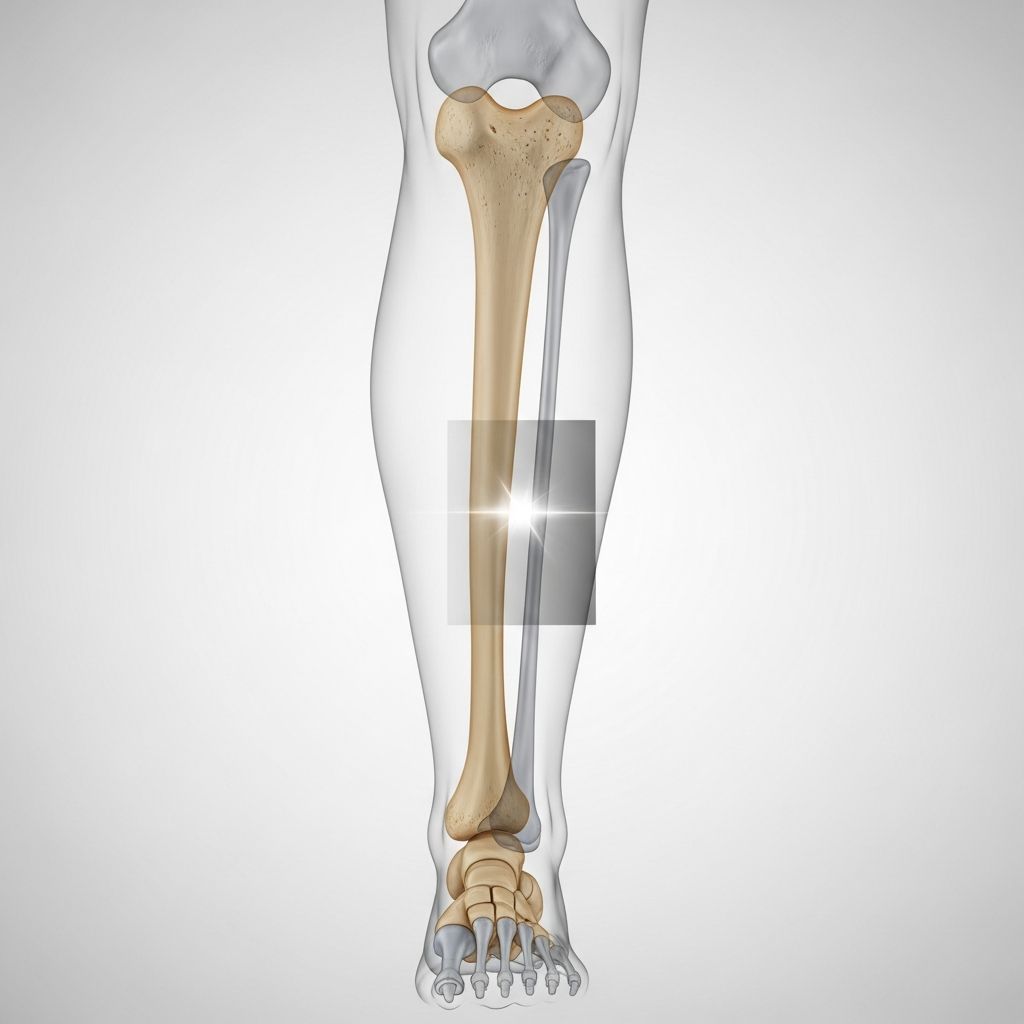
Understanding the Fibula: Your Calf Bone
The fibula is your calf bone and represents one of the most important structural components of your lower leg. As the smaller of the two bones in your lower leg, the fibula plays a crucial role in providing structure, stability, and support to your entire calf region. Located on the outer side of your leg, closer to the lateral surface of your body, the fibula works in conjunction with the tibia (shin bone) to form the foundational skeletal structure of your lower leg.
Despite being thinner and lighter than its counterpart, the fibula is the third longest bone in your entire body. Most adult fibulae measure approximately 14 inches in length, extending from just beneath your knee all the way down to your ankle. While it may not bear as much weight as the tibia, the fibula performs essential functions that make it indispensable for proper leg function, stability, and movement.
Fibula Anatomy: Detailed Structure and Components
Understanding the anatomy of the fibula helps healthcare providers and patients alike comprehend how this bone contributes to overall leg function. The fibula has a distinctive structure composed of several distinct parts, each serving specific purposes in your lower leg’s framework.
The Proximal End (Upper End)
The upper or proximal end of your fibula features a distinctive wedge-shaped structure that meets the tibia just below your knee. This articulation point is crucial because it allows the fibula to move in coordination with the tibia when you move your knee joint. The head of the fibula is connected to the tibia through ligaments, creating a stable yet flexible joint that accommodates the complex movements required during walking, running, and other physical activities.
The Shaft
The shaft represents the longest portion of the fibula and forms the primary structural component of your calf. Characterized by its three-sided prism shape, the shaft provides the framework upon which important muscles, tendons, and ligaments attach. This elongated middle section is relatively slim compared to the tibia, contributing to the fibula’s lighter weight while still maintaining sufficient strength for its supportive functions.
The Distal End (Lower End)
At your ankle, the fibula’s lower or distal end forms the top of your ankle joint in a distinctive notch configuration. This end meets both your tibia and your calcaneus (ankle bone), creating an important junction point that forms the lateral ankle structure. The distal fibula is particularly important for ankle stability and forms the outer ankle bone that you can feel protruding on the outside of your ankle.
Key Functions and Roles of the Fibula
Although the fibula is not weight-bearing in the same manner as the tibia, it performs numerous critical functions that are essential for proper leg function and movement:
Structural Support
The fibula provides essential structural support to your entire lower leg and calf region. It creates the framework that gives your calf its distinctive shape and prevents your leg from collapsing inward. This structural role is maintained through the fibula’s connection to the tibia via the interosseous membrane—a strong fibrous tissue that runs between the two bones throughout their length.
Muscular and Soft Tissue Support
Related Stories



Your fibula serves as an attachment point for numerous important muscles, tendons, nerves, and ligaments throughout your lower leg. These soft tissue structures rely on the fibula’s solid framework for proper function. The muscles attached to the fibula include those responsible for foot and ankle movement, as well as muscles that stabilize your lower leg during various activities.
Ankle Stability and Joint Formation
The fibula plays a vital role in forming your ankle joint by providing the lateral malleolus—the bony prominence on the outside of your ankle. This structure is essential for ankle stability and helps prevent excessive inversion (turning inward) of your foot. The fibula’s articulation with the talus bone creates a stable ankle joint that allows for proper weight distribution and movement.
Ligament and Tendon Attachment
Numerous ligaments and tendons throughout your ankle and lower leg attach directly to the fibula. These include important lateral ankle ligaments that prevent ankle sprains and movements that could cause injury. The fibula’s design provides multiple attachment points for these crucial soft tissue structures.
The Fibula and Tibia: A Cooperative Relationship
While the fibula and tibia are separate bones, they work together as an integrated system. The tibia, as the larger and weight-bearing bone, supports your body when you stand and move. The fibula, though not weight-bearing, provides critical lateral support and stability that allows the tibia to function optimally. Together, these two bones create a structure that is both strong enough to withstand significant forces and flexible enough to accommodate the complex movements required in daily activities.
The tibia runs along the medial (inner) side of your leg, while the fibula runs along the lateral (outer) side. This arrangement creates a stable framework that can withstand forces from multiple directions. The interosseous membrane connecting them provides additional stability and serves as an attachment point for muscles that control foot and ankle movement.
Common Conditions Affecting the Fibula
Fibular Fractures
The most common issue affecting the fibula is a fracture or break. Because the fibula is not as thick or strong as the femur (thigh bone) or tibia (shin bone), it is more susceptible to fractures. Fibular fractures can occur through various mechanisms and may present with different symptoms depending on severity and location.
Common symptoms of a fibular fracture include pain, swelling, bruising, difficulty walking or bearing weight, and visible deformity in some cases. The fibula can be broken in various patterns, including a specific type called an avulsion fracture, which occurs when muscles or ligaments attached to the fibula are suddenly jerked or forcefully used. Avulsion fractures can also result from hyperextended knees where excessive force is applied through the knee joint.
Treatment of fibular fractures depends on the type and severity. Many fibular fractures require immobilization through splints or casts to allow the bone to heal properly. More severe fractures or those that affect your ankle joint may require surgical intervention to realign the bone and secure it in proper position using plates, screws, or other fixation devices. Following surgery or immobilization, physical therapy is typically necessary to restore strength, range of motion, and normal function.
Osteoporosis
Like all bones in your body, the fibula can be affected by osteoporosis—a condition where bone density decreases and bones become more fragile and prone to breaking. People with osteoporosis have significantly increased risk of fibular fractures and may experience breaks even from minor trauma or falls that normally would not cause injury. Osteoporosis-related fibular fractures may go undiagnosed initially because symptoms can be subtle, and people may not realize they have sustained an injury.
When to Seek Medical Attention
If you experience trauma to your lower leg or suspect you may have a fibular fracture, it is important to seek emergency medical attention right away. Visit the emergency room immediately if you experience severe pain, significant swelling, visible deformity, inability to bear weight, or if you’ve been involved in trauma that could cause bone injury.
Fibular Fracture Treatment Options
Treatment approaches for fibular fractures vary based on the specific type of fracture and the underlying cause:
Conservative Treatment
Many uncomplicated fibular fractures can be treated conservatively with immobilization using a splint or cast. This approach allows the bone to heal naturally over several weeks while preventing movement that could disrupt healing. During this period, you may need to use crutches to avoid bearing weight on the affected leg.
Surgical Treatment
More complex fractures, particularly those affecting the ankle joint or those where bone fragments have displaced significantly, require surgical intervention. Surgery involves realigning the bone fragments to their anatomically correct position and securing them with internal fixation devices such as plates and screws. This approach is often necessary when the fracture involves the ankle joint to ensure proper alignment and prevent long-term complications like arthritis.
Rehabilitation and Physical Therapy
Following either conservative or surgical treatment, physical therapy plays an essential role in recovery. Therapy helps restore strength to the muscles surrounding the fibula, improve range of motion in your ankle and knee, and gradually return you to normal activities. The timeline for recovery depends on fracture severity and treatment approach but typically ranges from several weeks to several months.
Prevention and Bone Health
While you cannot completely prevent accidents that might cause fibular fractures, several measures can help maintain strong bones and reduce fracture risk:
Calcium and Vitamin D Intake
Ensuring adequate intake of calcium and vitamin D through diet or supplementation supports bone density and strength. These nutrients are essential for maintaining healthy bones throughout your life.
Regular Exercise
Weight-bearing exercise and resistance training help maintain bone density and strength. Regular physical activity also improves balance and coordination, which can help prevent falls that might result in fractures.
Bone Density Screening
If you have risk factors for osteoporosis such as age, family history, or certain medical conditions, talk to your healthcare provider about bone density screening to identify potential problems early.
Frequently Asked Questions (FAQs)
Q: What is the primary function of the fibula?
A: While not weight-bearing like the tibia, the fibula provides crucial structural support to your lower leg and calf. It serves as an attachment point for muscles, tendons, and ligaments, and helps form your ankle joint, contributing significantly to leg stability and function.
Q: How long is the average fibula?
A: The fibula is the third longest bone in your body, with most adults’ fibulae measuring approximately 14 inches in length, extending from just below your knee to your ankle.
Q: Can you walk with a broken fibula?
A: Walking with a broken fibula is not typically recommended, as it can worsen the injury and interfere with healing. Most people with fibular fractures require temporary use of crutches and immobilization to protect the bone while it heals.
Q: How is a fibular fracture diagnosed?
A: Fibular fractures are typically diagnosed through physical examination and imaging studies such as X-rays. Your healthcare provider will assess your symptoms, examine the injured leg, and order appropriate imaging to confirm the diagnosis and determine fracture severity.
Q: What is the difference between the fibula and tibia?
A: The tibia is the larger, weight-bearing bone on the inside (medial) of your leg, while the fibula is the smaller, non-weight-bearing bone on the outside (lateral) of your leg. Both bones work together to provide structure and stability to your lower leg.
Q: How long does it take for a fibular fracture to heal?
A: Recovery time varies depending on fracture severity and treatment approach, but most fibular fractures heal within 6 to 8 weeks with proper immobilization. More complex fractures requiring surgery may take longer to heal completely.
Q: Can osteoporosis affect the fibula?
A: Yes, like all bones in your body, the fibula can be affected by osteoporosis. People with osteoporosis have significantly increased risk of fibular fractures and may sustain breaks from minor trauma that would not normally cause injury.
References
- Fibula (Calf Bone): Anatomy, Function & Common Conditions — Cleveland Clinic. 2024. https://my.clevelandclinic.org/health/body/23122-fibula-calf-bone
- Fibula: Definition, Anatomy, Function, & Facts — Britannica. 2024. https://www.britannica.com/science/fibula-bone
- What Are Fibular Fractures? Everything You Need to Know — WebMD. 2024. https://www.webmd.com/a-to-z-guides/what-to-know-about-fibular-fractures
- Tibia & Fibula Fracture (Broken Shinbone/Calf Bone) — Cleveland Clinic. 2024. https://my.clevelandclinic.org/health/diseases/25043-tibia-and-fibula-fracture
- Ankle: Anatomy & How It Works — Cleveland Clinic. 2024. https://my.clevelandclinic.org/health/body/24909-ankle-joint
Similar Articles








Read full bio of Sneha Tete