Fifth Disease: Causes, Symptoms, and Treatment Guide
Complete guide to fifth disease: Understanding parvovirus B19, symptoms, and management.
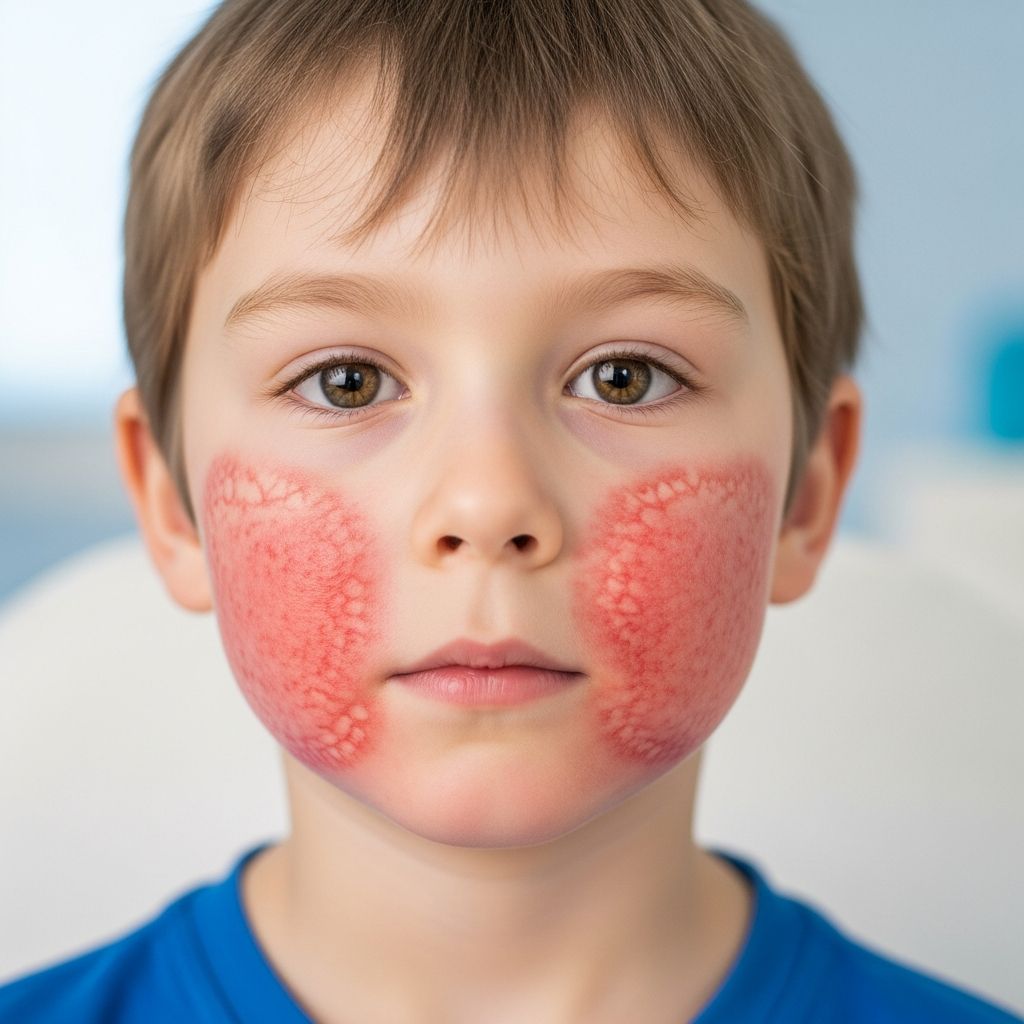
Fifth Disease (Erythema Infectiosum): A Comprehensive Guide
Fifth disease, medically known as erythema infectiosum, is a common viral infection that primarily affects children between the ages of 5 and 15 years. This contagious illness is caused by human parvovirus B19, a virus distinct from the parvovirus that affects dogs and cats. The disease earned its nickname “slapped cheek disease” due to the characteristic bright red rash that appears on the cheeks, resembling as if the child has been slapped. While fifth disease is generally mild and self-limiting, understanding its symptoms, transmission, and management is important for parents and caregivers.
What Causes Fifth Disease?
Fifth disease is caused by human parvovirus B19, a nonenveloped, single-stranded DNA virus belonging to the Parvoviridae family. This virus exhibits a strong preference for infecting erythroid progenitor cells, which are cells in the bone marrow responsible for producing red blood cells. The virus is remarkably common and highly contagious, particularly during late winter, spring, and early summer months. In the United States, minor outbreaks of fifth disease typically occur approximately every 3 to 4 years.
The virus is fundamentally different from canine and feline parvovirus, so humans cannot catch fifth disease from infected pets, and pets cannot contract it from infected humans. This distinction is crucial for families with both children and animals, as there is no cross-species transmission.
How Does Fifth Disease Spread?
Fifth disease spreads from person to person through multiple transmission routes. The primary method of transmission is through respiratory droplets expelled when an infected person coughs, sneezes, or talks. These viral particles can travelthrough the air or land on surfaces, where they remain contagious and can be transmitted through direct contact or touching contaminated surfaces. Additionally, the virus can spread through exposure to infected blood or blood products, and vertical transmission from a pregnant parent to the fetus during pregnancy is also possible.
One important aspect of fifth disease transmission is that infected individuals are most contagious during the early stages of illness, typically before the characteristic rash appears, when symptoms resemble a common cold. By the time the distinctive “slapped cheek” rash develops, the body has already been fighting the infection for several days, and the person’s contagiousness has significantly decreased. In fact, children are generally not contagious once the rash appears, which is an important distinction from many other childhood illnesses.
Symptoms and Clinical Presentation
Early Symptoms
The initial symptoms of fifth disease develop 5 to 10 days after exposure to the virus, during the viremia phase when the virus is actively multiplying in the bloodstream. Early symptoms typically include fever, malaise, myalgias (muscle aches), headache, cough, sore throat, diarrhea, and vomiting. These early symptoms often mimic a common cold or mild flu, which is why many cases go initially unrecognized as fifth disease.
It is important to note that approximately 20% of people infected with parvovirus B19 remain completely asymptomatic and show no signs of illness at all. These asymptomatic individuals may still transmit the virus to others, making disease spread possible even when infected people feel perfectly well.
The Characteristic Rash
The hallmark feature of fifth disease is the distinctive facial rash that develops several days after the initial symptoms appear. This rash is classically described as a “slapped cheek” rash because it appears as a bright red discoloration on the cheeks with surrounding oral pallor (paleness around the mouth). The rash is vivid red on lighter skin tones but appears purplish and may be more difficult to observe on darker skin tones.
Related Stories



Following the facial rash, a secondary rash typically develops on the arms, legs, chest, back, and buttocks. This secondary rash appears pink or purple, has a lacy or net-like pattern, and may be slightly raised and itchy, particularly on the soles of the feet. The rash typically lasts 2 to 4 days before gradually fading. Unlike many rashes, the fifth disease rash does not indicate ongoing contagiousness and typically indicates that the immune system has begun controlling the infection.
Symptoms in Adults
While fifth disease predominantly affects children, adults can also contract parvovirus B19 infections. However, adults frequently present with a different symptom profile compared to children. Adults infected with parvovirus B19 often develop flu-like symptoms without the characteristic facial rash. Instead, approximately 80% of infected adults develop significant joint pain and swelling, particularly in the wrists, hands, and knees, a condition known as polyarthropathy syndrome. Additionally, about 10% of adults who develop parvovirus B19 infection can develop chronic, long-term parvovirus-associated arthritis affecting multiple joints, with women being at higher risk for this complication than men.
Risk Factors and Vulnerable Populations
While fifth disease is generally mild in immunocompetent children, certain populations face increased risk of serious complications. Individuals with sickle cell disease or other chronic hemolytic anemias face substantially increased susceptibility to severe outcomes. Parvovirus B19 specifically targets and destroys reticulocytes (immature red blood cells), which in these patients can lead to transient aplastic crisis—a sudden, severe drop in red blood cell production that results in significant anemia. Patients experiencing aplastic crisis may appear acutely ill with symptoms including fever, malaise, lethargy, pallor, tachycardia (rapid heartbeat), and tachypnea (rapid breathing).
Immunocompromised individuals, including those with HIV/AIDS, cancer patients undergoing chemotherapy, and transplant recipients, typically do not develop the typical rash or joint symptoms characteristic of fifth disease because these manifestations are immune-mediated responses. Instead, these patients may develop chronic parvovirus B19 infection, potentially leading to neutropenia (low white blood cell count), thrombocytopenia (low platelet count), or complete bone marrow suppression.
Pregnant individuals require special consideration, as parvovirus B19 infection during pregnancy can lead to complications such as transient aplastic crisis or hydrops fetalis (severe fetal fluid accumulation). Pregnant individuals who suspect they have been exposed to fifth disease or who develop symptoms should contact their healthcare provider immediately.
Diagnosis and Evaluation
Diagnosis of fifth disease is primarily clinical, based on the characteristic presentation of fever followed by the distinctive “slapped cheek” rash. The classic progression of symptoms—initial flu-like illness followed by the appearance of the facial rash—is usually sufficient for diagnosis without requiring laboratory confirmation.
However, in cases where diagnosis is uncertain, healthcare providers can order specific tests to confirm parvovirus B19 infection. These tests may include serological testing to detect antibodies against parvovirus B19 or polymerase chain reaction (PCR) testing to detect viral DNA. PCR testing is particularly useful in immunocompromised patients who may not mount a typical immune response.
Treatment and Management
There is no specific antiviral treatment for fifth disease in immunocompetent individuals. Instead, management is supportive and focused on symptom relief and comfort measures. Treatment recommendations include:
- Adequate rest to allow the body to fight the infection
- Maintaining proper hydration by drinking plenty of fluids
- Using over-the-counter fever reducers such as acetaminophen or ibuprofen to manage fever and discomfort
- Applying cool compresses to the rash if the child experiences itching or discomfort
- Keeping the affected child home from school until the rash appears, as this is when infectiousness has substantially decreased
In most cases, fifth disease resolves completely within several days to a few weeks without any lasting effects. The infection typically confers lifetime immunity, meaning that individuals who have had fifth disease are unlikely to contract it again.
Prevention and Infection Control
Because fifth disease spreads through respiratory droplets and is most contagious before the rash appears, prevention focuses on standard infection control measures. These include:
- Frequent handwashing with soap and water, especially after coughing or sneezing
- Covering the mouth and nose when coughing or sneezing
- Avoiding touching the face, eyes, and mouth
- Disinfecting frequently touched surfaces such as doorknobs and light switches
- Maintaining adequate distance from individuals showing symptoms of respiratory illness
Currently, there is no vaccine available to prevent fifth disease. Pregnant individuals should take particular care to avoid exposure, as parvovirus B19 infection during pregnancy carries potential risks to the developing fetus.
Complications and Serious Concerns
While fifth disease is typically mild and self-limiting in healthy children, certain complications can occur in specific populations. In individuals with underlying blood disorders such as anemia, hemophilia, or sickle cell disease, parvovirus B19 infection can precipitate transient aplastic crisis, which requires medical attention and possibly blood transfusions.
In pregnant individuals, the virus can potentially cause hydrops fetalis, a serious condition characterized by excessive fluid accumulation in fetal tissues and body cavities. Pregnant individuals who believe they have been exposed to fifth disease or who develop symptoms should contact their healthcare provider promptly for evaluation and monitoring.
Immunocompromised individuals with chronic parvovirus B19 infection may require specific antiviral therapy or other medical interventions to manage the infection and its complications.
When to Contact a Healthcare Provider
While fifth disease is generally harmless in healthy children, certain situations warrant medical evaluation. Contact a healthcare provider if your child:
- Has severe or persistent fever that does not respond to fever-reducing medications
- Shows signs of severe dehydration
- Has difficulty breathing or severe respiratory symptoms
- Develops additional complications such as severe joint pain and swelling
- Has an underlying condition such as sickle cell disease, hemophilia, or immunocompromise
- Is unusually lethargic or difficult to arouse
Additionally, pregnant individuals who show signs of fifth disease or believe they have been exposed should contact their healthcare provider as soon as possible for appropriate evaluation and monitoring.
Frequently Asked Questions
Q: Is fifth disease dangerous?
A: Fifth disease is generally mild and self-limiting in healthy children. However, it can cause serious complications in pregnant individuals, people with chronic hemolytic anemias, and immunocompromised individuals. If you fall into one of these categories, consult your healthcare provider if exposed or symptomatic.
Q: Can adults get fifth disease?
A: Yes, adults can contract parvovirus B19 infection. Adults typically develop flu-like symptoms with joint pain and swelling rather than the characteristic facial rash seen in children.
Q: How long does the rash last?
A: The characteristic “slapped cheek” facial rash typically lasts 2 to 4 days. The secondary body rash may persist slightly longer but generally resolves within one to two weeks.
Q: Is there a vaccine for fifth disease?
A: Currently, no vaccine is available to prevent fifth disease. Prevention relies on standard infection control measures such as handwashing and respiratory hygiene.
Q: Can my child attend school with fifth disease?
A: Children are most contagious before the rash appears. Once the rash develops, the child is generally not contagious and may return to school if they feel well enough. Check with your school’s specific policies regarding illness and attendance.
Q: Is fifth disease the same as the parvovirus dogs and cats get?
A: No. Human parvovirus B19 is different from the parvovirus that affects dogs and cats. These viruses do not cross species, so humans cannot contract fifth disease from pets, and pets cannot get it from infected humans.
References
- Erythema Infectiosum – StatPearls — National Center for Biotechnology Information (NCBI). 2024. https://www.ncbi.nlm.nih.gov/books/NBK513309/
- Fifth Disease — Nemours KidsHealth. 2024. https://kidshealth.org/en/parents/fifth.html
- Fifth Disease (Erythema Infectiosum): Symptoms, Causes & Treatment — Cleveland Clinic. 2024. https://my.clevelandclinic.org/health/diseases/15774-fifth-disease
- Fifth Disease | Erythema infectiosum — MedlinePlus. 2024. https://medlineplus.gov/fifthdisease.html
- Parvovirus Infection — Symptoms & Causes — Mayo Clinic. 2024. https://www.mayoclinic.org/diseases-conditions/parvovirus-infection/symptoms-causes/syc-20376085
- About Parvovirus B19 — Centers for Disease Control and Prevention (CDC). 2024. https://www.cdc.gov/parvovirus-b19/about/index.html
Similar Articles








Read full bio of medha deb