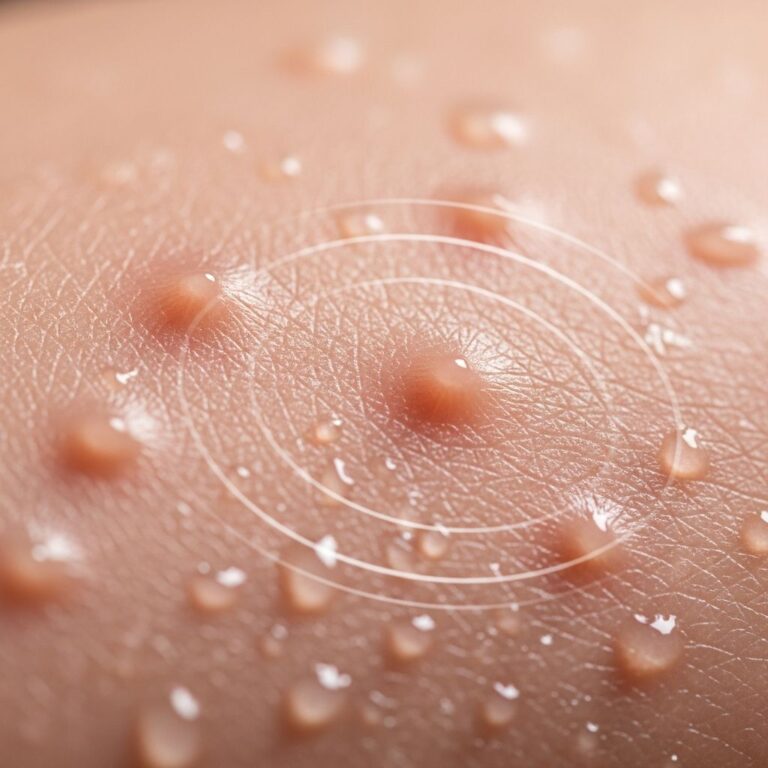
Fifth Disease Symptoms: Slapped Cheek Signs & Care
Recognize the slapped cheek rash and other signs of fifth disease, a common viral illness in children.
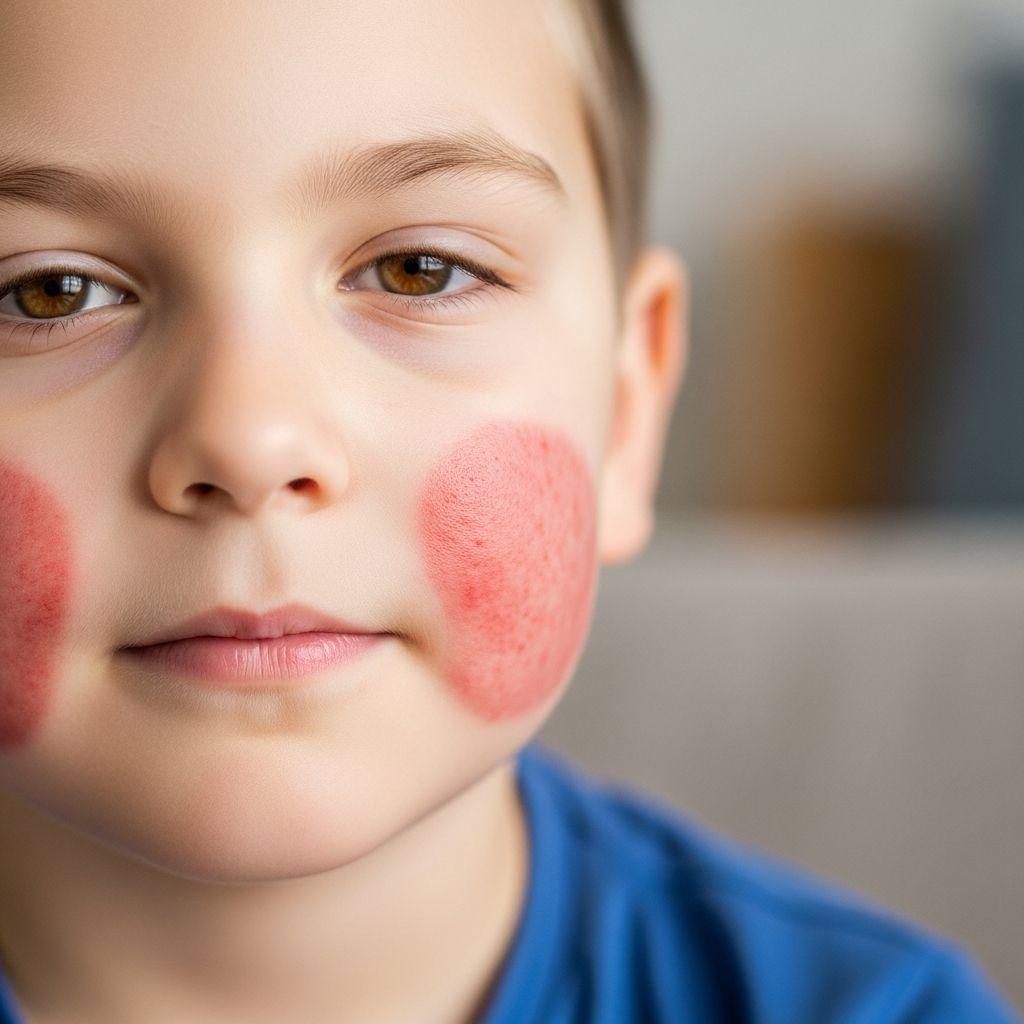
Fifth disease, also known as erythema infectiosum or slapped cheek disease, is a common viral infection primarily affecting children caused by parvovirus B19. It produces a distinctive bright red rash on the cheeks, followed by a lacy pattern on the body, but often starts with mild flu-like symptoms.
What Is Fifth Disease?
Fifth disease earned its name as the fifth in a historical list of common childhood rashes, including measles and rubella. Caused by human parvovirus B19—a virus distinct from the canine parvovirus—it spreads seasonally in late winter to early summer, with outbreaks every 3-4 years in the U.S. While 20% of infections are asymptomatic, most children experience a characteristic rash after an incubation period of 4-21 days. Adults may have subtler symptoms like joint pain. The illness is usually mild and self-limiting, resolving in 1-3 weeks without specific treatment.
Parvovirus B19 targets red blood cell precursors in bone marrow, temporarily slowing blood cell production, which explains rare complications in vulnerable groups. Globally common, it infects up to 50-80% of people by adulthood, conferring lifelong immunity post-infection.
Symptoms of Fifth Disease
Symptoms unfold in stages. The first phase (7-14 days post-exposure) involves nonspecific, mild signs when the virus is most contagious. The rash appears later, after contagiousness wanes.
Early Symptoms (Prodrome Phase)
- Low-grade fever (often under 102°F/39°C)
- Headache and fatigue
- Runny or stuffy nose, sore throat, cough
- Mild nausea, vomiting, diarrhea, or itching (less common)
- Muscle aches or slight joint pain, especially in older children
These mimic a common cold; parents often overlook them until the rash emerges 2-3 weeks later. About 10% of children skip noticeable prodrome.
The Classic Rash
The hallmark is the
slapped cheek rash
: bright red, flat erythema on bilateral cheeks, sparing the nose and mouth area, resembling slapped skin. On darker skin tones, it appears purplish.- Appears 2-3 weeks post-exposure, lasting 5-10 days on the face
- Spreads to trunk, arms, legs, buttocks as
lacy, reticular rash
—pink/purple, blotchy, net-like pattern - Rash is non-pruritic (not raised/feelable) but may itch mildly
The body rash lasts 1-3 weeks, fluctuating with triggers like sunlight, heat/cold exposure, exercise, or skin trauma. It fades without scarring.
Symptoms in Adults
Adults, especially women, often lack the facial rash (80% asymptomatic rash-wise) but develop
polyarthropathy
: symmetric joint pain/swelling in hands, wrists, knees, ankles lasting 1-3 weeks or chronic in 10%. Flu-like symptoms dominate.Causes and Transmission
**Cause**: Human parvovirus B19, a small DNA virus infecting erythroid progenitor cells. Not related to pet parvoviruses.
How It Spreads
- Respiratory droplets: Coughing/sneezing in close contact (most common)
- Contaminated hands touching nose/mouth
- Bloodborne: Rarely via transfusions or needle-sharing (screened in U.S. blood supply)
- From mother to fetus (5-10% risk if mom infected first time in pregnancy)
Highest contagiousness pre-rash (prodrome); child is no longer contagious once rash appears. Incubation: 4-21 days (average 14-17). Shedding continues 2-6 weeks in nasopharynx. Outbreaks cluster in schools/daycares.
Related Stories



Diagnosis
Usually clinical, based on characteristic rash in a well child. No routine testing for healthy kids, as it resolves spontaneously.
- Blood tests (IgM antibodies) confirm recent infection if complications suspected
- PCR for viremia in immunocompromised/pregnant cases
- Rule out rubella, measles, scarlet fever, or drug reactions via history/exam
See a pediatrician if rash + fever >3 days, severe symptoms, or high-risk conditions.
Treatment for Fifth Disease
No antiviral cure; supportive care only, as it’s self-limited. Goals: symptom relief, hydration.
Home Care
- Rest and fluids: Prevent dehydration
- Fever/pain relief: Acetaminophen (Tylenol) or ibuprofen (Advil/Motrin). Never aspirin (Reye syndrome risk)
- Itch relief: OTC antihistamines (e.g., diphenhydramine), calamine lotion, cool baths
- Avoid rash triggers (sun, heat)
Most recover fully in 2-4 weeks. Hospitalization rare, for severe anemia.
Treatment in Complications
- Immunocompromised: IVIG, transfusions
- Pregnancy: Monitor fetal ultrasound for hydrops/anemia
When to See a Doctor
Seek care if:
- High fever (>102°F), persistent >3 days
- Severe headache, stiff neck, breathing issues
- Rash with bruising, petechiae, or not improving
- Joint pain >3 weeks or limiting movement
- Child has sickle cell, hemolytic anemia, or weakened immunity
- Pregnant exposure/contact
Who’s at Risk? Complications of Fifth Disease
Healthy children: Benign. Risks in:
| Group | Risks |
|---|---|
| Immunocompromised | Chronic anemia, pure red cell aplasia |
| Hemolytic disorders (sickle cell) | Acute severe anemia |
| Pregnant women (first infection) | Fetal loss (5-10%), hydrops fetalis (3%), anemia |
| Adults (esp. women) | Chronic arthritis (10%) |
Pregnant women: Test immunity (80-90% seropositive); exposed non-immune should consult OB. No exclusion from work/school once rash appears.
Prevention and Contagion Facts
- Hygiene: Handwashing, cover coughs
- No vaccine
- Exclude from school before rash (if ill); return once rash starts
- Inform pregnant contacts
Immunity lifelong post-infection; reinfection rare.
Frequently Asked Questions (FAQs)
Is fifth disease contagious?
Yes, most contagious before rash via respiratory droplets; not after rash appears.
How long does the fifth disease rash last?
Facial: 5-10 days; body lacy rash: 1-3 weeks, may recur with triggers.
Can adults get fifth disease?
Yes, often joint-focused without rash; more arthritis in women.
Is fifth disease dangerous in pregnancy?
Potential fetal risks if first infection; consult doctor.
Can I give my child aspirin for fifth disease fever?
No—aspirin risks Reye syndrome; use acetaminophen/ibuprofen.
References
- Fifth Disease — Children’s Hospital of Philadelphia. Accessed 2026. https://www.chop.edu/conditions-diseases/fifth-disease
- Fifth Disease — St. Louis Children’s Hospital. Accessed 2026. https://www.stlouischildrens.org/conditions-treatments/fifth-disease
- Fifth Disease — MedlinePlus (U.S. National Library of Medicine). Updated 2023-11-08. https://medlineplus.gov/fifthdisease.html
- Fifth Disease (Erythema Infectiosum): Symptoms, Causes & Treatment — Cleveland Clinic. Updated 2023-09-07. https://my.clevelandclinic.org/health/diseases/15774-fifth-disease
- Fifth Disease (Erythema Infectiosum) — Nationwide Children’s Hospital. Accessed 2026. https://www.nationwidechildrens.org/conditions/fifth-disease
- Parvovirus infection – Symptoms & causes — Mayo Clinic. Accessed 2026. https://www.mayoclinic.org/diseases-conditions/parvovirus-infection/symptoms-causes/syc-20376085
- Fifth disease (Human Parvovirus B19) — Colorado Department of Public Health & Environment. Accessed 2026. https://cdphe.colorado.gov/child-care-school-settings/fifth-disease
- About Parvovirus B19 — Centers for Disease Control and Prevention (CDC). Updated 2024-07-26. https://www.cdc.gov/parvovirus-b19/about/index.html
Similar Articles








Read full bio of medha deb