Fight, Flight, or Freeze: Understanding Your Stress Response
Learn how your brain and body react to threats and stress with the fight, flight, or freeze response.
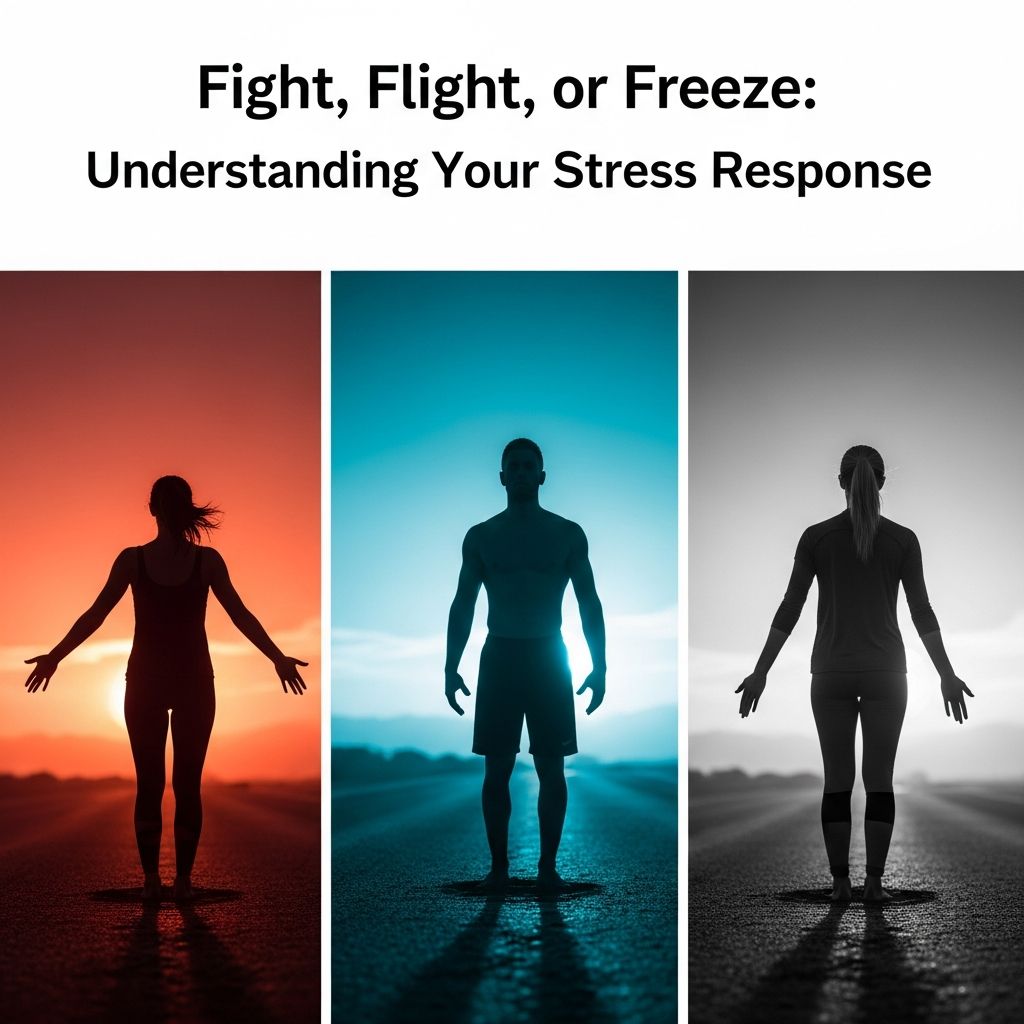
Understanding the Fight, Flight, or Freeze Response
Your body has an amazing built-in survival system that helps protect you when you face danger or feel threatened. This system is called the fight, flight, or freeze response, and it’s been helping humans survive for hundreds of thousands of years. When your brain senses a threat—whether it’s a real danger or just something that feels scary—your nervous system springs into action almost immediately, triggering a cascade of physical and mental changes designed to help you stay safe.
The fight, flight, or freeze response is not something you consciously decide to do. It happens automatically, without you having to think about it. Your brain evaluates the situation in milliseconds and decides the best way for you to respond. Understanding this response can help you recognize what’s happening in your body when you’re stressed or scared, and it can help you develop strategies to manage these reactions better.
What Happens During the Stress Response?
When your nervous system detects a threat, it activates what scientists call the acute stress response. This involves your autonomic nervous system (ANS), which is the part of your nervous system that controls rapid, unconscious responses like reflexes. The ANS has two main parts: the sympathetic nervous system, which drives the fight-or-flight response, and the parasympathetic nervous system, which helps your body relax and recover.
During a stress response, your body releases powerful hormones called adrenaline and cortisol. These hormones flood your system very quickly, causing a series of physical changes that prepare your body to face danger or escape from it. Here are the main physiological changes that occur:
Physical Changes During Fight, Flight, or Freeze
- Increased heart rate: Your heart beats faster to pump more oxygenated blood to your major muscles, preparing them for action.
- Rapid breathing: Your breathing speeds up to deliver more oxygen to your blood and muscles.
- Muscle tension: Your muscles tense up and prepare to move, which may cause shaking or trembling.
- Increased blood pressure: Blood vessels constrict, raising your blood pressure to enhance your body’s response capability.
- Dilated pupils: Your pupils expand to allow more light into your eyes, helping you see better and observe your surroundings more clearly.
- Sharper hearing: Your ears become more alert, and your hearing becomes sharper so you can detect potential threats.
- Reduced pain perception: Fight-or-flight temporarily reduces your perception of pain, allowing you to keep functioning even if you’re injured.
- Flushed or pale skin: Blood is redirected to your major muscles, which can make your face appear pale or alternate between pale and flushed.
- Dry mouth: Constriction of blood vessels around your mouth means your salivary glands temporarily stop producing saliva.
- Cold hands and feet: As blood flow increases to your major muscles, your hands and feet might feel cold.
- Increased sweating: Your body may produce more sweat as part of the stress response.
- Thickened blood: Your blood thickens, which increases clotting factors, preparing your body for potential injury.
The Three Main Responses to Threat
Fight: Standing Your Ground
The fight response is when you choose to confront the threat directly. This might involve defending yourself from an attack or standing up to a situation that feels threatening. During the fight response, you may feel extremely alert, agitated, confrontational, or ready to take action. Your body is primed for physical activity, with increased heart rate, muscle tension, and mental focus. The fight response is often accompanied by feelings of anger or determination. In this state, your body is fully prepared to engage with the threat and overcome it through direct action.
Flight: Running Away from Danger
The flight response, also called flee, is when you choose to escape or run away from the perceived threat. During flight, you might feel an urgent need to leave a room or location, or you may experience an overwhelming desire to escape the situation. Your body channels all its energy toward rapid movement and escape, with blood flowing to your legs and cardiovascular system operating at peak efficiency. The flight response is often accompanied by feelings of fear or panic. In severe cases, the fight or flight response can escalate into a full panic attack or even trigger asthma attacks in people with the condition.
Freeze: Staying Still and Alert
The freeze response is different from fight or flight. Freezing happens when your nervous system determines that you cannot safely fight or flee from the threat. In this case, your parasympathetic nervous system activates to put the “brakes” on your ability to act. During a freeze response, you become physically immobile—you stay completely still and remain ready for the next move. Interestingly, the physiological changes during freezing are somewhat different from fight or flight. Your heart rate might increase or decrease, you might hold your breath or restrict your breathing, and your muscles maintain tension even though you’re not moving.
Freezing serves an important purpose in your survival toolkit. Research suggests that freezing may function as a time for your brain to decide how best to respond to the threat. By staying still and continuing to scan the environment, your brain gathers more information about the danger and determines the most effective way to handle it. In animal studies, scientists have observed that freezing enables animals to continue observing their surroundings in order to decide what to do next.
Additional Responses: Fawning and Flopping
Beyond fight, flight, and freeze, there are two additional responses that can occur: Fawning involves appeasing or submitting to the threat, while flopping, also called tonic immobility, involves becoming completely physically or mentally unresponsive. Fainting in response to fear is an example of the “flop” response. These responses typically occur when active defense mechanisms have failed.
How Your Nervous System Controls These Responses
Your autonomic nervous system (ANS) plays a crucial role in determining which response you experience. The sympathetic nervous system drives the fight-or-flight response by activating your body’s resources and preparing you for action. The parasympathetic nervous system, on the other hand, drives the freezing response by slowing down certain body functions and keeping you still. Which response you have depends on which system dominates at any given moment, and this often depends on factors like your personality, past experiences, and the specific nature of the threat.
Recovery from the Stress Response
Usually, your body will return to its natural state after 20 to 30 minutes once the threat has passed. However, this recovery process depends on your parasympathetic nervous system successfully “calming” your body back down. Under normal circumstances, once you are out of harm’s way, your parasympathetic nervous system should help you recover and return back to your baseline state.
To help facilitate recovery from a stress response, consider these strategies:
Recovery Techniques
- Move to a safe place: If possible, go somewhere that feels less threatening or overwhelming, such as outside, a quiet room, or a less crowded area.
- Practice slow breathing: The stress response causes fast, shallow breathing. You can slow this down with breathing techniques such as diaphragmatic breathing, which can lead to a quieting or reversal of the stress response.
- Engage in physical activity: Gentle exercise or movement can help your body process the stress hormones and return to a calm state.
- Use grounding techniques: Focus on your five senses to bring yourself back to the present moment and away from the threat perception.
- Seek support: Talking with someone you trust can help you process the experience and feel safer.
When the Stress Response Gets Stuck
In some cases, your nervous system may get “stuck” in fight-flight-freeze mode. This is particularly common in people who experience chronic stress or have a history of trauma. When you’re faced with chronic stress, your nervous system may have trouble getting out of fight-or-flight mode, even when you’re no longer in actual danger. This can lead to a state of hypervigilance where your body remains constantly prepared for threat, even in safe situations.
When your nervous system is stuck in a prolonged stress response, you might experience:
Symptoms of Prolonged Stress Response
- Constant feelings of anxiety or fear
- Difficulty concentrating or focusing
- Sleep disturbances or nightmares
- Persistent muscle tension and pain
- Irritability or mood changes
- Difficulty trusting others or feeling safe
- Overwhelming sense of being on alert
If you find yourself stuck in this state, it’s important to seek help from a mental health professional. They can teach you techniques to help your nervous system return to a calm state and develop coping strategies tailored to your specific situation.
Stress Response and Trauma
People who have experienced trauma may be more prone to overreacting to nonthreatening situations with a fight, flight, or freeze response. This is because their nervous system has learned to perceive danger more readily and respond more intensely. If you have a history of trauma or anxiety, you might find yourself triggered by situations that don’t pose an actual threat. A mental health professional can help you find ways to cope and develop the most appropriate strategies for your situation.
Aftereffects of a Strong Stress Response
After experiencing a significant stress response or traumatic event, you might notice various emotional and physical aftereffects:
Common Aftereffects
- Feelings of shock, anger, sadness, or fear
- Disbelief or denial about what happened
- Emptiness or numbness
- Difficulty sleeping or experiencing nightmares
- Changes in appetite and energy levels
- Physical symptoms such as headaches, stomach problems, or body pains
- Worsening of existing mental or chronic health conditions
- Increased use of alcohol, tobacco, or other substances as coping mechanisms
These aftereffects are normal responses to stress or trauma, but if they persist for more than a few weeks or significantly interfere with your daily life, it’s important to seek professional support.
Understanding Your Personal Response Pattern
Your specific physiological reactions during a stress response depend on how you usually respond to stress. Some people naturally tend toward fight, others toward flight, and still others toward freeze. Additionally, you might shift between different responses depending on the situation, though this shifting is very difficult to control. Understanding your own stress response pattern can help you recognize when you’re activating your defensive systems and take steps to manage your reactions more effectively.
Frequently Asked Questions About Fight, Flight, or Freeze
Q: Can I control my fight, flight, or freeze response?
A: While you cannot directly control the automatic activation of your stress response, you can learn techniques to help manage it. Breathing exercises, mindfulness, and working with a mental health professional can help you develop better control over how you respond to stress and how quickly you recover.
Q: Is it normal to freeze when scared?
A: Yes, freezing is a completely normal and natural response to threat. It’s one of three primary ways your nervous system responds to danger. Freezing gives your brain time to assess the situation and decide on the best course of action.
Q: How long does the stress response last?
A: Typically, your body returns to its baseline state about 20 to 30 minutes after the threat has passed. However, if you’re stuck in chronic stress or if your nervous system has been sensitized by trauma, it may take longer to recover.
Q: Why do I have a strong stress response to minor threats?
A: People with anxiety, trauma history, or chronic stress may develop a more sensitive threat-detection system. Your nervous system has learned to perceive danger more readily. Working with a mental health professional can help you recalibrate your stress response system.
Q: What should I do if someone else is experiencing a strong stress response?
A: Help them move to a safer, calmer environment if possible. Encourage slow, deep breathing and speak in a calm, reassuring voice. If they’re not in the same household, stay on the phone with them until help arrives if needed.
References
- What Is the Fight-Flight-Freeze Response? – GoodRx — GoodRx Health. 2024. https://www.goodrx.com/health-topic/mental-health/what-is-fight-flight-response-with-examples
- Fight, Flight, or Freeze: How We Respond to Threats — Healthline. 2024. https://www.healthline.com/health/mental-health/fight-flight-freeze
- Fight, Flight, or Freeze Response: Signs, Causes, and Recovery — Medical News Today. 2024. https://www.medicalnewstoday.com/articles/fight-flight-or-freeze-response
- Fear and the Defense Cascade: Clinical Implications and Management — National Center for Biotechnology Information (NCBI). 2014. https://pmc.ncbi.nlm.nih.gov/articles/PMC4495877/
- Toxic Stress: What is Toxic Stress? — Center on the Developing Child at Harvard University. 2024. https://developingchild.harvard.edu/key-concept/toxic-stress/
Similar Articles







Read full bio of medha deb