Fimbriae: Anatomy, Function & Reproductive Health
Understanding fimbriae: The finger-like structures essential for egg capture and reproduction.
What Are Fimbriae?
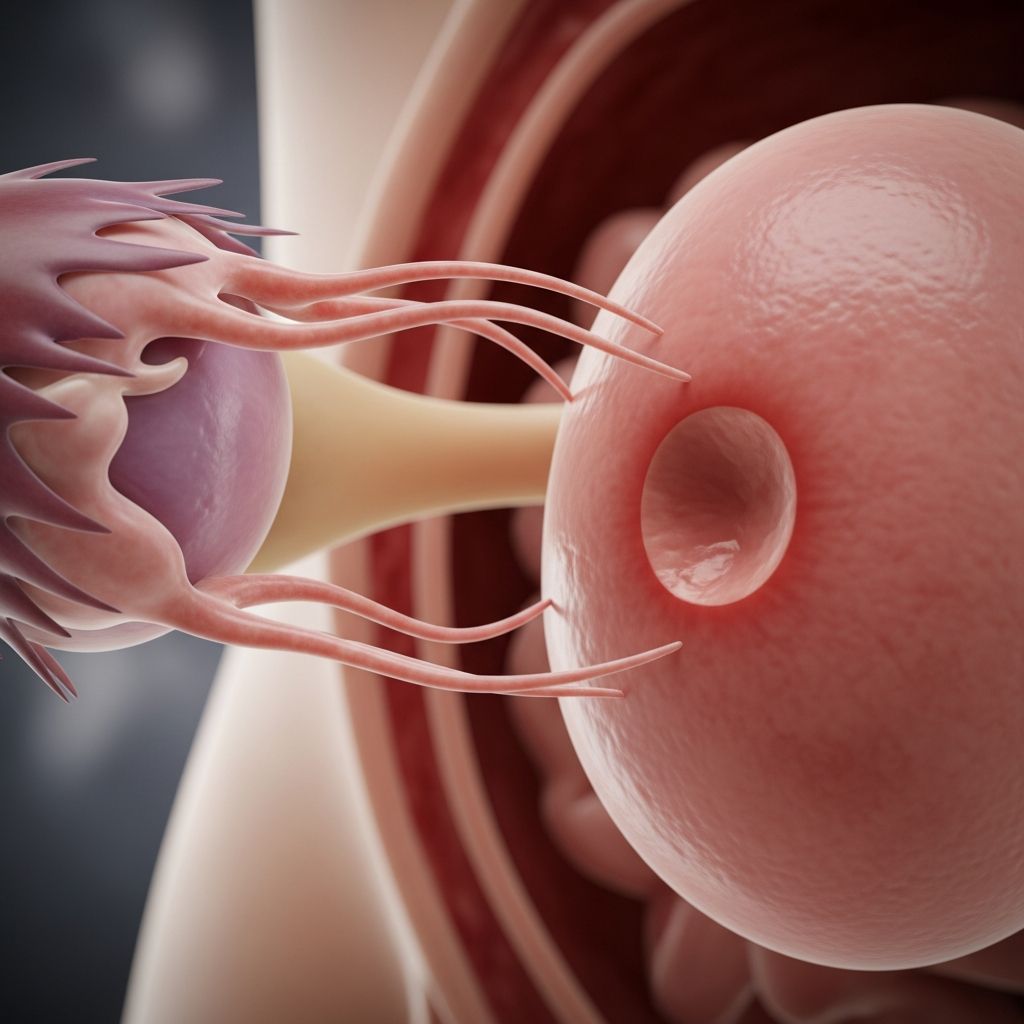
Fimbriae are delicate, finger-like projections located at the end of each fallopian tube, near the ovaries. These microscopic structures play a vital role in the female reproductive system by capturing and directing eggs from the ovaries into the fallopian tubes. The term “fimbriae” comes from the Latin word meaning “fringe” or “border,” which perfectly describes their appearance and location. These hair-like extensions are essential for successful fertilization and conception, making them one of the most important yet often overlooked components of reproductive anatomy.
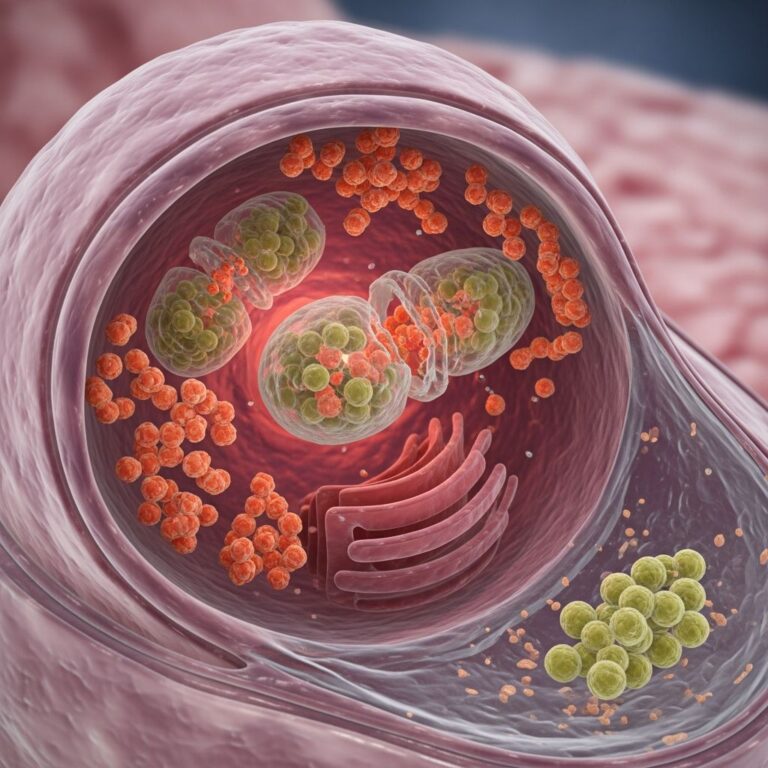
The fimbriae are composed of epithelial cells covered with cilia, which are tiny hair-like structures that beat in a coordinated wave-like motion. This movement helps guide the egg through the reproductive tract and facilitates the journey toward the uterus. Without healthy, functioning fimbriae, eggs cannot be properly captured and transported, which can significantly impact fertility and the ability to conceive naturally.
Anatomy and Structure of Fimbriae
Understanding the precise anatomy of fimbriae is crucial for comprehending how they function within the reproductive system. Fimbriae are not standalone structures but rather an integral part of the infundibulum, which is the funnel-shaped end of the fallopian tube. Each fallopian tube terminates in this specialized structure that contains multiple fimbriae branching outward.
Location Within the Fallopian Tube
The fimbriae are situated at the distal end of the fallopian tube, meaning they are located at the outermost portion farthest from the uterus. The fallopian tube itself consists of four distinct regions: the intramural part within the uterine wall, the isthmus which is narrow and muscular, the ampulla which is the widest section, and finally the infundibulum with its fimbriae. The fimbriae project outward from the infundibulum, creating a fringe-like appearance that allows them to sweep across the ovarian surface.
Cellular Composition
Fimbriae are lined with specialized ciliated epithelial cells that contain microscopic hair-like structures called cilia. Each cell contains hundreds of cilia that beat in a synchronized, wave-like pattern approximately 10-20 times per second. This coordinated ciliary action creates currents within the fallopian tube that help transport the egg toward the uterus. Additionally, the fimbriae contain smooth muscle fibers that can contract, further assisting in egg transport and providing additional movement patterns to guide the egg’s journey.
Size and Dimensions
The overall fallopian tube measures between 4 to 5 inches in length with a diameter of 0.2 to 0.6 inches. The fimbriae themselves are microscopic structures, with each finger-like projection being only a few millimeters in length. Despite their small size, these delicate structures are incredibly complex and sophisticated in their function.
Primary Functions of Fimbriae
The fimbriae perform several critical functions that are essential for reproduction and fertility. These functions work in concert with other components of the reproductive system to create the optimal environment for conception.
Egg Capture
The primary function of fimbriae is to capture eggs released from the ovary during ovulation. When an egg is released from the ovary, it does not automatically enter the fallopian tube. Instead, the fimbriae sweep across the ovarian surface in a coordinated motion, creating gentle currents that guide the egg into the infundibulum. This process must happen within 12-24 hours of ovulation, as this is the window during which an egg remains viable. The fimbriae’s sweeping motion is so precise and effective that it successfully captures approximately 90% of released eggs.
Related Stories



Directional Transport
Once the egg has been captured, the fimbriae and ciliated epithelial cells work together to move the egg through the fallopian tube toward the uterus. The coordinated beating of cilia creates currents that propel the egg forward, while muscular contractions of the tube wall provide additional propulsion. This transport system is gentle enough to avoid damaging the delicate egg while being effective enough to move it through the entire length of the fallopian tube in approximately 3-5 days.
Creating a Favorable Environment for Fertilization
The region near the fimbriae and throughout the fallopian tube provides an optimal environment for sperm and egg to meet. The fimbriae help position the egg in the ampulla, the widest section of the fallopian tube, where fertilization most commonly occurs. The secretions from the fallopian tube lining contain nutrients and chemicals that support both sperm viability and early embryo development. These secretions include glucose for energy, proteins to facilitate fertilization, and various electrolytes that maintain the proper chemical environment.
Embryo Nourishment
Beyond egg capture and transport, the fimbriae and fallopian tube provide crucial nourishment to the developing embryo as it travels toward the uterus. The specialized secretions from the fallopian tube epithelium supply essential nutrients during the critical early stages of embryo development. This nourishment is vital during the 3-5 day journey from ovulation to implantation in the uterus.
How Fimbriae Work in the Reproductive Process
The process by which fimbriae facilitate reproduction involves precise timing and coordination with the entire reproductive system. Understanding this process provides insight into how conception occurs naturally.
Ovulation and Fimbriae Response
During the menstrual cycle, hormonal signals trigger the release of a mature egg from the ovary in a process called ovulation. Simultaneously, the fimbriae become more active and vascularized, receiving increased blood flow. The fimbriae extend toward the ovary, positioning themselves optimally to capture the released egg. The increased contractility of the fimbriae and surrounding structures helps ensure successful egg capture.
Sperm Transport and Fertilization
While the fimbriae capture the egg, sperm make their way up through the vagina, cervix, and uterus toward the fallopian tube. The fimbriae and fallopian tube create an environment conducive to sperm survival and movement. Once in the fallopian tube, sperm are guided by chemical signals and the ciliary currents created by the epithelial cells lining the tube. Fertilization typically occurs in the ampulla, where the egg and sperm meet.
Early Embryo Development
After fertilization, the embryo begins dividing while still in the fallopian tube. During the 3-5 day journey to the uterus, the embryo progresses from a two-cell stage to a blastocyst, a structure with multiple cells that can successfully implant in the uterine lining. The fimbriae and fallopian tube continue to provide essential nutrients and maintain an optimal chemical environment throughout this critical period.
Conditions Affecting Fimbriae Function
Several conditions can impair fimbriae function or damage these delicate structures, potentially affecting fertility and the ability to conceive naturally.
Pelvic Inflammatory Disease (PID)
Pelvic inflammatory disease is an infection of the reproductive organs that can cause scarring and damage to the fimbriae. This condition can result from sexually transmitted infections and may lead to permanent damage to fimbriae structure and function, affecting egg capture and transport.
Endometriosis
Endometriosis occurs when tissue similar to the uterine lining grows in areas outside the uterus, including around the fallopian tubes and fimbriae. This abnormal tissue growth can cause adhesions that distort the fimbriae, preventing proper egg capture and transport.
Scarring and Adhesions
Previous pelvic surgeries, ectopic pregnancy, or other trauma to the reproductive organs can result in scarring and adhesion formation around the fimbriae. These adhesions can pull the fimbriae away from the ovary or distort their structure, compromising their ability to capture eggs effectively.
Tubal Factor Infertility
When fimbriae damage or dysfunction contributes to infertility, the condition is termed tubal factor infertility. Research indicates that 20 to 30% of infertility cases involve problems associated with the fallopian tubes, including fimbriae dysfunction. This can range from partial impairment of fimbriae function to complete loss of egg capture ability.
Diagnosis and Assessment of Fimbriae Health
Various diagnostic procedures can evaluate fimbriae function and fallopian tube patency to identify potential reproductive issues.
Hysterosalpingography (HSG)
This imaging procedure involves injecting contrast dye through the cervix and observing its movement through the fallopian tubes using X-ray imaging. While HSG provides information about tube patency, it offers limited visualization of fimbriae structure.
Laparoscopy
Laparoscopic surgery allows direct visual examination of the fimbriae and fallopian tubes. During this minimally invasive procedure, a small camera is inserted into the abdomen, enabling the physician to directly observe fimbriae structure and function. This procedure can also be used therapeutically to remove adhesions or scar tissue.
Transvaginal Ultrasound
Ultrasound imaging can provide information about ovarian follicle development and fallopian tube structure, offering clues about fimbriae function during the ovulatory process.
Treatment Options for Fimbriae-Related Issues
When fimbriae dysfunction or damage contributes to infertility, several treatment approaches may be considered based on the specific diagnosis and severity of the condition.
Surgical Repair
Surgical procedures such as fimbriolysis (removal of adhesions around fimbriae) or fimbrioplasty (reconstruction of damaged fimbriae) may be performed to restore fimbriae function. These procedures are typically performed laparoscopically and can help restore egg capture ability in some cases.
Assisted Reproductive Technologies
When fimbriae damage is extensive or irreparable, in vitro fertilization (IVF) may be recommended. IVF bypasses the need for functional fimbriae by collecting eggs directly from the ovary and fertilizing them in the laboratory before transferring embryos to the uterus.
Lifestyle and Preventive Measures
Maintaining reproductive health through safe sexual practices to prevent sexually transmitted infections, maintaining a healthy weight, managing stress, and avoiding unnecessary pelvic surgeries can help protect fimbriae from damage.
Frequently Asked Questions
Q: What is the difference between fimbriae and the infundibulum?
A: The infundibulum is the funnel-shaped end of the fallopian tube, while fimbriae are the finger-like projections that extend from the infundibulum. The fimbriae are part of the infundibulum structure.
Q: Can fimbriae regenerate if they are damaged?
A: Fimbriae have limited regenerative capacity. While minor damage may recover with time, extensive scarring or structural damage is typically permanent, which is why prevention through safe practices is important.
Q: How do I know if my fimbriae are functioning properly?
A: If you are having difficulty conceiving, your healthcare provider may recommend diagnostic procedures such as hysterosalpingography or laparoscopy to assess fimbriae function and fallopian tube patency.
Q: Can polycystic ovary syndrome (PCOS) affect fimbriae function?
A: PCOS does not directly damage fimbriae, but it can affect ovulation patterns and hormone levels, which may impact the overall reproductive process.
Q: Are there supplements or medications that can improve fimbriae function?
A: While no specific medications directly improve fimbriae function, maintaining overall reproductive health through proper nutrition, stress management, and regular exercise supports optimal reproductive function.
References
- Fallopian Tube: Location, Function & Health Conditions — Metropolis Healthcare. 2024. https://www.metropolisindia.com/blog/preventive-healthcare/fallopian-tubes-anatomy-function-conditions
- Fimbria of the Fallopian Tube — Encyclopaedia Britannica. 2025-09-23. https://www.britannica.com/science/fimbria-of-the-fallopian-tube
- Fallopian Tubes: Location, Anatomy, Function & Conditions — Cleveland Clinic. 2024. https://my.clevelandclinic.org/health/body/23184-fallopian-tubes
- Female Reproductive System: Structure & Function — Cleveland Clinic. 2024. https://my.clevelandclinic.org/health/articles/9118-female-reproductive-system
- Ovaries: Anatomy, Function, Location & Conditions — Cleveland Clinic. 2024. https://my.clevelandclinic.org/health/body/22999-ovaries
Similar Articles








Read full bio of Sneha Tete