Finasteride for Prostate Gland Enlargement (Proscar)
Comprehensive guide to finasteride (Proscar) for treating benign prostatic hyperplasia symptoms, usage, benefits, and risks.
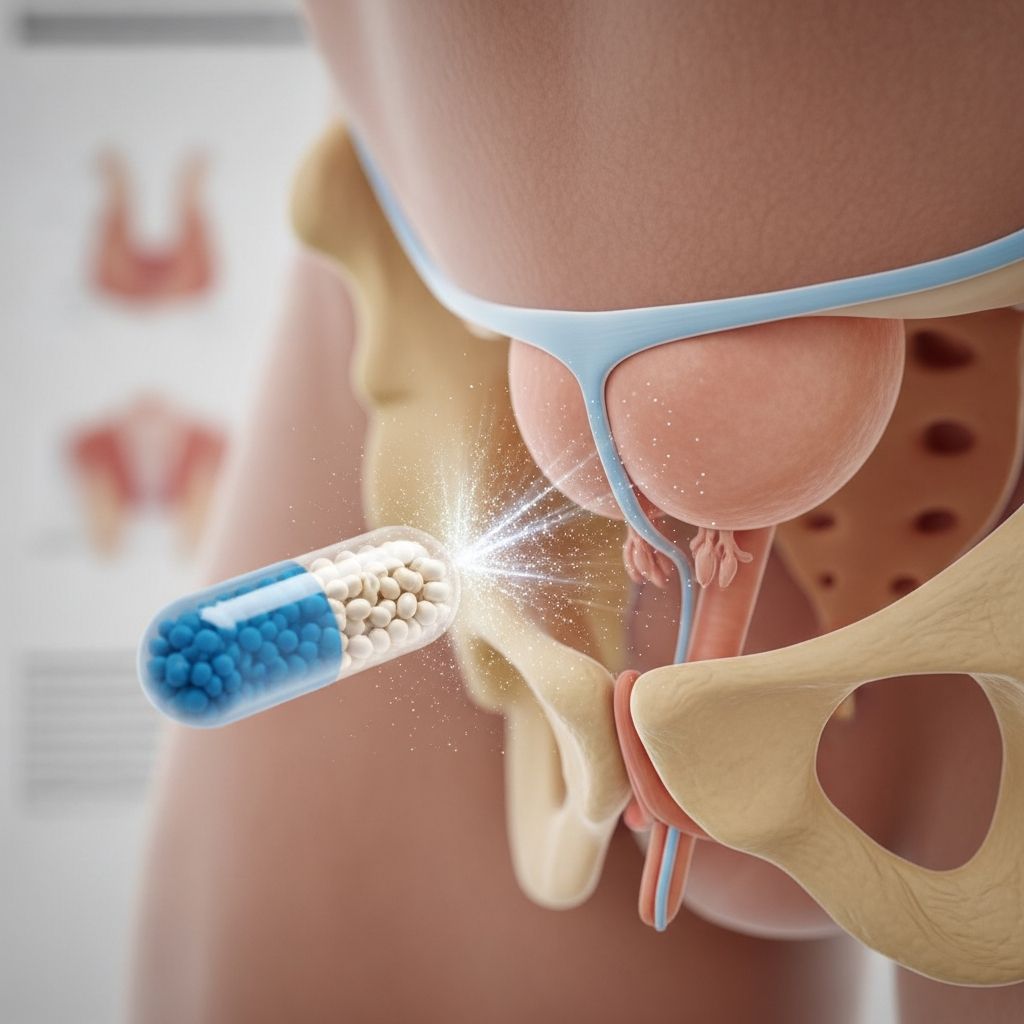
Finasteride, commonly known by the brand name
Proscar
, is a prescription medication specifically designed to treat symptoms of an enlarged prostate gland, a condition medically termedbenign prostatic hyperplasia (BPH)
. This non-cancerous enlargement affects many men over the age of 50, leading to urinary difficulties such as weak stream, frequent urination, and incomplete bladder emptying. By inhibiting the enzyme 5-alpha reductase, finasteride reduces levels of dihydrotestosterone (DHT), the hormone responsible for prostate growth, thereby shrinking the prostate and alleviating symptoms over time.About finasteride tablets for an enlarged prostate gland
Finasteride belongs to a class of drugs called
5-alpha reductase inhibitors
. In men with BPH, the prostate gland enlarges due to elevated DHT levels, which compresses the urethra and obstructs urine flow. Finasteride works by blocking the conversion of testosterone to DHT, leading to a reduction in prostate volume by approximately 20-30% within 6-12 months of consistent use. Clinical evidence shows it improves urinary symptom scores, such as the International Prostate Symptom Score (IPSS), and lowers the risk of acute urinary retention and the need for surgery.Unlike alpha-blockers that provide rapid symptom relief by relaxing prostate muscles, finasteride offers gradual, long-term benefits by addressing the root cause—prostate enlargement. It is often used alone or in combination with other therapies for optimal results. Studies confirm its efficacy in trials lasting over one year, with significant improvements versus placebo.
Key facts about finasteride
- Finasteride is taken as a
5 mg tablet once daily
, with or without food. - It may take
up to 6 months
to notice full benefits, as prostate shrinkage occurs gradually. - Common side effects include
reduced libido
,erectile dysfunction
, andejaculation disorders
, which often improve over time. - Rare but serious effects include
mood changes
like depression; seek medical advice if experienced. - Finasteride
lowers PSA levels
by about 50%, which can affect prostate cancer screening—inform your doctor before PSA tests. - Not recommended for women, especially those pregnant or planning pregnancy, due to birth defect risks.
- Long-term use is typically required to maintain benefits; stopping may lead to prostate regrowth.
How does finasteride work?
Benign prostatic hyperplasia develops as men age, with the prostate gland surrounding the urethra growing larger due to DHT accumulation. DHT, produced by 5-alpha reductase converting testosterone, promotes prostate cell proliferation. Finasteride selectively inhibits
type II 5-alpha reductase
, predominant in the prostate, reducing serum DHT by up to 70% and prostate DHT by 80-90%. This halts further enlargement and shrinks the gland, relieving urethral pressure and improving urine flow.Meta-analyses of randomized controlled trials demonstrate finasteride significantly reduces prostate volume compared to placebo, with mean decreases of 20-30% over 6-12 months. For instance, in long-term studies up to 4 years, finasteride prevented BPH progression (e.g., ≥4-point IPSS increase) in 8.5% of patients versus 13.2% on placebo.
When will I feel better?
Improvements are not immediate. Initial changes in urine flow may appear within weeks, but maximal symptom relief typically occurs after
3-6 months
of daily use. Clinical trials report IPSS reductions of 4-6 points by 6 months, with sustained benefits over years. If symptoms persist beyond 6 months, consult your doctor for dosage adjustments or combination therapy.Patient factors like prostate size (>40g benefits more) and baseline symptom severity influence response time. Continued therapy prevents symptom recurrence, as DHT levels rebound upon discontinuation, potentially enlarging the prostate again.
Common questions about finasteride
How long should I take finasteride?
Finasteride is intended for
long-term use
to sustain prostate shrinkage and symptom control. Studies up to 4 years show ongoing efficacy without tolerance development. Discontinuing often reverses benefits within 12 months.Related Stories



Can I take finasteride with other medicines?
Generally safe with most medications, but discuss with your doctor if taking alpha-blockers (e.g., doxazosin), antihypertensives, or CYP3A4 inhibitors. Combination with doxazosin enhances symptom relief beyond monotherapy.
Can pregnant women touch finasteride tablets?
No. Finasteride can be absorbed through skin and cause
birth defects in male fetuses
. Women who are pregnant or may become pregnant must avoid handling crushed or broken tablets. Use gloves if necessary.Dosage
The standard dose for BPH is
one 5 mg tablet daily
, swallowed whole with water, at the same time each day. No dose adjustment needed for age or mild kidney issues, but use caution in severe liver impairment. Missed dose: take as soon as remembered unless near next dose; do not double up.| Condition | Dosage | Frequency |
|---|---|---|
| BPH | 5 mg | Once daily |
| Combination therapy | 5 mg + alpha-blocker | Once daily each |
Getting the most from your treatment
Take finasteride consistently for best results. Lifestyle measures enhance efficacy:
- Limit caffeine and alcohol to reduce bladder irritation.
- Practice double voiding (urinate, wait, try again).
- Avoid fluids before bedtime.
- Monitor symptoms with a bladder diary.
Regular check-ups assess prostate size, PSA, and side effects. Report persistent issues promptly.
Side-effects
Most side effects are mild and resolve with time. Incidence: 5-15%.
| Common (>1%) | Rare/Serious |
|---|---|
| Impotence (8%), decreased libido (6%), ejaculation disorder (4%) | Breast tenderness/enlargement, depression, allergic reactions |
| These often improve within months | Seek immediate help for chest pain, lumps |
Finasteride slightly increases high-grade prostate cancer risk in some studies, but overall reduces detection due to PSA lowering. Annual screening recommended.
Pregnancy and breastfeeding
Finasteride is
contraindicated in women
, particularly during pregnancy, as it disrupts male fetal genital development. Men should not donate blood for 6 months post-discontinuation to avoid exposure. No breastfeeding data; avoid.Other things to know
Finasteride halves PSA levels within 6 months, potentially masking prostate cancer. Adjust PSA thresholds (double values for interpretation). Not for prostate cancer treatment or women. Store at room temperature.
Health information and warnings
While finasteride effectively manages BPH, it does not cure it. Persistent symptoms or blood in urine warrant urologist evaluation to rule out cancer or other issues. Long-term therapy requires monitoring for side effects and cancer risk.
Frequently Asked Questions (FAQs)
Does finasteride shrink the prostate?
Yes, finasteride reduces prostate volume by 20-30% over 6-12 months by lowering DHT levels.
How effective is finasteride for BPH?
It improves symptoms long-term versus placebo and reduces surgery risk by 3-5%, though slower than alpha-blockers.
Will side effects go away?
Sexual side effects often resolve as the body adjusts; persistence requires medical review.
Can finasteride cause prostate cancer?
It may increase high-grade cancer detection risk slightly; regular PSA monitoring essential.
Is generic finasteride the same as Proscar?
Yes, generics contain identical 5 mg finasteride with proven bioequivalence.
References
- Finasteride (Proscar): Treatment for Enlarged Prostate — Cleveland Clinic. 2023. https://my.clevelandclinic.org/health/drugs/20804-finasteride-tablets-bph
- Finasteride (Proscar): Uses, Side Effects, Dosage & Reviews — GoodRx. 2024-01-10. https://www.goodrx.com/proscar/what-is
- Finasteride for benign prostatic hyperplasia — PMC (PubMed Central), Cochrane Review. 2022-03-04. https://pmc.ncbi.nlm.nih.gov/articles/PMC8908761/
- PROSCAR® (finasteride) Tablets Patient Information — Organon (Merck). 2023. https://www.organon.com/product/usa/pi_circulars/p/proscar/proscar_ppi.pdf
- About finasteride — NHS. 2024. https://www.nhs.uk/medicines/finasteride/about-finasteride/
Similar Articles








Read full bio of Sneha Tete