Finasteride for Male Pattern Baldness: Complete Guide
Everything you need to know about finasteride (Propecia) for treating male pattern baldness effectively.
Understanding Male Pattern Baldness
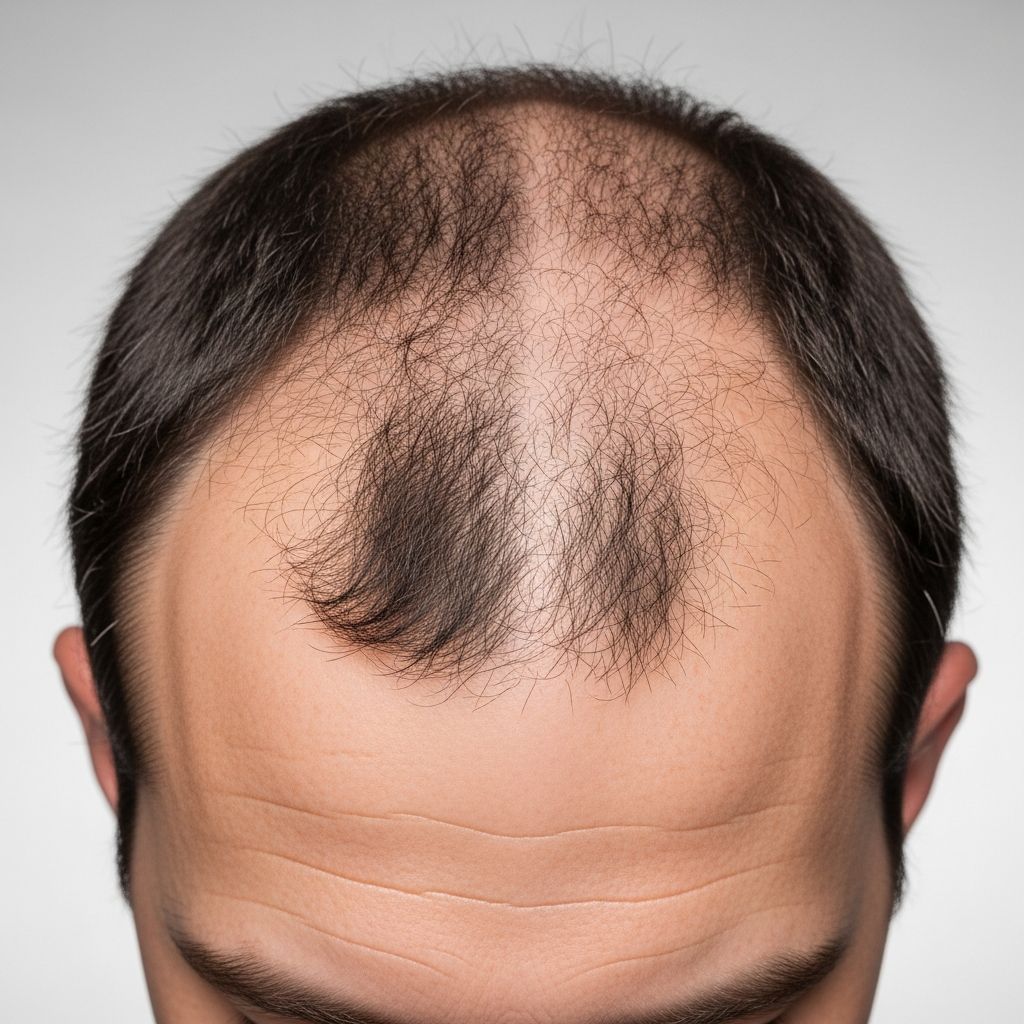
Male pattern baldness (androgenetic alopecia) is the most common form of hair loss affecting millions of men worldwide. It is characterized by a receding hairline, thinning hair on the crown, and progressive hair loss that follows a predictable pattern. This condition results from a combination of genetic predisposition and hormonal factors, particularly sensitivity to dihydrotestosterone (DHT), a derivative of testosterone.
The condition typically progresses through distinct stages, often beginning with a receding hairline at the forehead or thinning at the crown. As hair loss advances, men may eventually develop the characteristic “horseshoe” pattern, with hair remaining only on the sides and back of the head. Understanding this progression is important for determining the optimal timing for treatment intervention.
What is Finasteride (Propecia)?
Finasteride is an oral prescription medication marketed under the brand name Propecia for treating male pattern baldness. It is a 5-alpha-reductase inhibitor, the first medication of its kind approved by the FDA specifically for combating androgenetic alopecia. The drug works by targeting the biological mechanisms that drive hair loss, making it one of the most effective pharmacological treatments available.
Originally developed to treat benign prostatic hyperplasia (BPH), or prostate enlargement, finasteride was later approved for hair loss treatment at a lower dose. The medication is taken as a daily oral tablet and requires a prescription from a healthcare provider.
How Does Finasteride Work?
The mechanism of action of finasteride is straightforward yet highly effective. Finasteride blocks the enzyme 5-alpha-reductase, which is responsible for converting testosterone into dihydrotestosterone (DHT). DHT is the primary hormonal culprit behind male pattern baldness in genetically predisposed men.
In men with androgenetic alopecia, hair follicles on the scalp are sensitive to DHT. When DHT attaches to receptors in these follicles, it causes them to shrink in a process called miniaturization. As the follicles shrink, the hairs they produce become thinner, shorter, and less visible. Eventually, these follicles may stop producing hair altogether.
By reducing DHT levels by approximately 70%, finasteride essentially eliminates the cause of hair loss in genetically susceptible individuals. The drug works specifically on the type II isoform of 5-alpha-reductase, which is expressed in hair follicles and the prostate gland. This targeted approach means finasteride can treat both male pattern baldness and prostate-related conditions.
Dosage and Administration
The standard recommended dose of finasteride for male pattern baldness is 1 mg taken orally once daily. This daily regimen is crucial for maintaining consistent DHT suppression and ensuring ongoing treatment effectiveness.
For comparison, a 5 mg dose is used to treat benign prostatic hyperplasia (BPH) in men with prostate enlargement. Some patients seeking to reduce costs may quarter a 5 mg tablet using a pill cutter and take one-quarter daily, though this should only be done under medical guidance.
Consistency is essential with finasteride therapy. The medication must be taken continuously to maintain its beneficial effects, as discontinuing treatment results in DHT levels returning to pretreatment levels and reversal of any hair regrowth achieved.
Related Stories



Effectiveness of Finasteride
Clinical evidence strongly supports the efficacy of finasteride for treating male pattern baldness. Large, multi-year clinical studies have demonstrated that finasteride is highly effective in the majority of men who take it.
Clinical Trial Results
- Hair Loss Prevention: Clinical trials showed that progression of hair loss stopped in 86% of participants. This means the majority of men taking finasteride successfully halted further hair loss.
- Hair Regrowth: Approximately 65% of participants experienced substantial increases in hair growth. Five-year studies confirmed that 65% of men with mild to moderate male pattern hair loss achieved positive results through reduced hair loss and/or stimulated regrowth.
- Improvement Over Time: Evidence suggests that improvement continues over extended treatment periods. At one year, global photographs showed improvement in hair growth in 48% of finasteride recipients compared to 7% of placebo recipients. At two years, improvement was observed in 66% of finasteride recipients compared to 7% of placebo recipients.
- Long-term Efficacy: There is evidence suggesting finasteride may be more effective in year five of use than in year one, indicating sustained or improving results with continued treatment.
Who Benefits Most?
Finasteride is most effective in men with mild to moderate hair loss. Patients who begin treatment earlier in the hair loss process see the most noticeable results because there is more ground to cover—more hair follicles to preserve and potentially regrow. Men who have already experienced significant hair loss may see less dramatic visible improvement, though the medication can still help prevent further loss.
Because of its proven efficacy in such a large proportion of patients, finasteride is often the first treatment recommendation doctors give to men interested in addressing male pattern baldness, even before suggesting over-the-counter treatments like minoxidil.
Side Effects and Safety Profile
Finasteride generally has a good tolerability profile, making it suitable for long-term treatment in most men. Large-scale safety studies provide reassuring data regarding side effects.
Sexual Side Effects
One of the most commonly discussed potential side effects is the possibility of sexual dysfunction. However, the data regarding sexual side effects differs depending on the condition being treated:
- Male Pattern Baldness Treatment: Studies specifically examining men taking finasteride for hair loss have shown no statistically significant sexual problems with the drug.
- Prostate Treatment: Large studies reviewing patients treated with finasteride for benign prostatic hyperplasia showed a statistical increase in sexual adverse events.
- Overall Incidence: A 2017 study of 3,177 men showed only a 0.7% incidence of side effects while hair growth continued to improve with negligible problems.
Other Potential Side Effects
While finasteride is well-tolerated overall, some men may experience other side effects. These can include decreased libido, erectile dysfunction, or ejaculation problems in a small percentage of users. Breast tissue enlargement or tenderness has also been reported rarely. Most side effects are mild and reversible upon discontinuation of the medication.
Comparing Finasteride with Other Treatment Options
Several treatment options exist for male pattern baldness, and finasteride may be used alone or in combination with other therapies:
| Treatment | Type | Administration | Effectiveness |
|---|---|---|---|
| Finasteride (Propecia) | Oral medication | 1 mg daily tablet | 65% show positive results; stops hair loss in 86% |
| Minoxidil (Rogaine) | Topical application | Apply twice daily to scalp | Comparable efficacy; FDA approved at 2% and 5% |
| Combination Therapy | Both oral and topical | Finasteride + Minoxidil | May provide optimal results; often recommended for enhanced outcomes |
| Dutasteride (Avodart) | Oral medication | Off-label use | Comparable effects to finasteride; not FDA approved for hair loss |
| Hair Transplant | Surgical procedure | Single or multiple procedures | Permanent results; can be combined with medical therapy |
Physician hair restoration specialists often recommend combining finasteride with minoxidil to achieve optimal results in selected patients. Medical therapy may also be combined with surgical hair restoration to achieve and maintain the best long-term outcomes.
Long-term Treatment Considerations
Finasteride requires long-term, continuous use to maintain its benefits. Studies have shown that discontinuing the medication results in reversal of hair growth and DHT levels returning to pretreatment levels. This means that men must commit to ongoing treatment if they wish to preserve the hair regrowth achieved and continue preventing further loss.
The need for sustained treatment reflects the chronic nature of male pattern baldness. As long as genetic predisposition and DHT sensitivity remain, the underlying cause of hair loss persists. Finasteride must be taken indefinitely to counteract this ongoing process.
Is Finasteride Right for You?
Before starting finasteride treatment, it is important to discuss the risks and benefits with your healthcare provider. Consider the following factors:
- You are experiencing male pattern baldness rather than other forms of hair loss
- You have mild to moderate hair loss for best results
- You are willing to take medication daily for an extended period
- You understand that treatment must be continued indefinitely to maintain results
- You are comfortable with the potential side effects, though they are generally rare
- You have no contraindications or drug interactions with your current medications
Getting Finasteride: Prescription and Access
Finasteride is a prescription-only medication and cannot be purchased over the counter. You will need to consult with a healthcare provider—such as a dermatologist, primary care physician, or hair restoration specialist—who can evaluate your condition and determine whether finasteride is appropriate for you.
In some regions, finasteride for hair loss may only be available through private prescription rather than on the public health system. Check with your local healthcare provider about availability and cost options in your area.
Frequently Asked Questions
Q: How long does it take to see results from finasteride?
A: Results vary by individual, but most men begin to notice improvements within 3-6 months of consistent daily use. Maximum benefits typically appear after 12-24 months of treatment. Patience and consistent use are essential, as hair growth occurs gradually.
Q: Can women take finasteride for hair loss?
A: Finasteride is not approved for use in women and is contraindicated in pregnant women due to potential effects on male fetal development. Women experiencing hair loss should consult their healthcare provider about alternative treatment options.
Q: What happens if I stop taking finasteride?
A: Discontinuing finasteride results in reversal of hair regrowth and DHT levels returning to pretreatment levels. Hair loss typically resumes within several months of stopping the medication. For this reason, finasteride requires long-term continuous use.
Q: Can finasteride completely cure male pattern baldness?
A: Finasteride does not cure male pattern baldness; it slows or stops progression and can regrow some hair. Because the genetic predisposition and hormonal factors driving hair loss remain, treatment must be continued indefinitely to maintain results.
Q: Is finasteride better than minoxidil?
A: Clinical studies suggest finasteride and minoxidil have approximately equivalent effects on mean change in hair count. Many specialists recommend combining both medications for optimal results rather than choosing one over the other.
Q: What is the cost of finasteride treatment?
A: Cost varies depending on your location, insurance coverage, and whether you obtain a brand-name Propecia or generic finasteride. Some patients reduce costs by using a pill cutter to quarter 5 mg tablets intended for prostate treatment, though this should only be done under medical supervision.
Q: Are there any drug interactions with finasteride?
A: Discuss all current medications with your healthcare provider before starting finasteride. While major drug interactions are rare, your doctor should review your complete medication list to ensure safety.
References
- Finasteride (Propecia) for Hair Loss – Efficacy and Side Effects — Hair Physician. 2025. https://www.hairphysician.com/finasteride-propecia/
- Finasteride: a review of its use in male pattern hair loss — PubMed/National Center for Biotechnology Information. 1999. https://pubmed.ncbi.nlm.nih.gov/9951956/
- Does Propecia Cause More Harms than Good: Assessing Reproductive and Non-reproductive Effects of Finasteride on Male Health — Global Medical Research. 2024. https://gmr.scholasticahq.com/article/117947-does-propecia-cause-more-harms-than-good-assessing-reproductive-and-non-reproductive-effects-of-finasteride-on-male-health
- Finasteride: Doses, Side Effects & Uses for Hair Loss — International Society of Hair Restoration Surgery (ISHRS). 2025. https://ishrs.org/patients/treatments-for-hair-loss/medications/finasteride/
- Finasteride (oral route) – Side effects & dosage — Mayo Clinic. 2024. https://www.mayoclinic.org/drugs-supplements/finasteride-oral-route/description/drg-20063819
- About finasteride — National Health Service (NHS). 2025. https://www.nhs.uk/medicines/finasteride/about-finasteride/
Similar Articles








Read full bio of medha deb