Finasteride: Uses, Dosage, and Side Effects Guide
Complete guide to finasteride treatment for prostate and hair loss conditions
Finasteride is an oral medication that addresses two distinct male health conditions through a single mechanism of action. This medication has gained significant recognition in clinical practice for its effectiveness in managing symptoms associated with prostate enlargement and progressive hair loss. The medication operates by modulating hormone levels in the body, providing relief for men experiencing these common health challenges.
What Finasteride Is and How It Functions
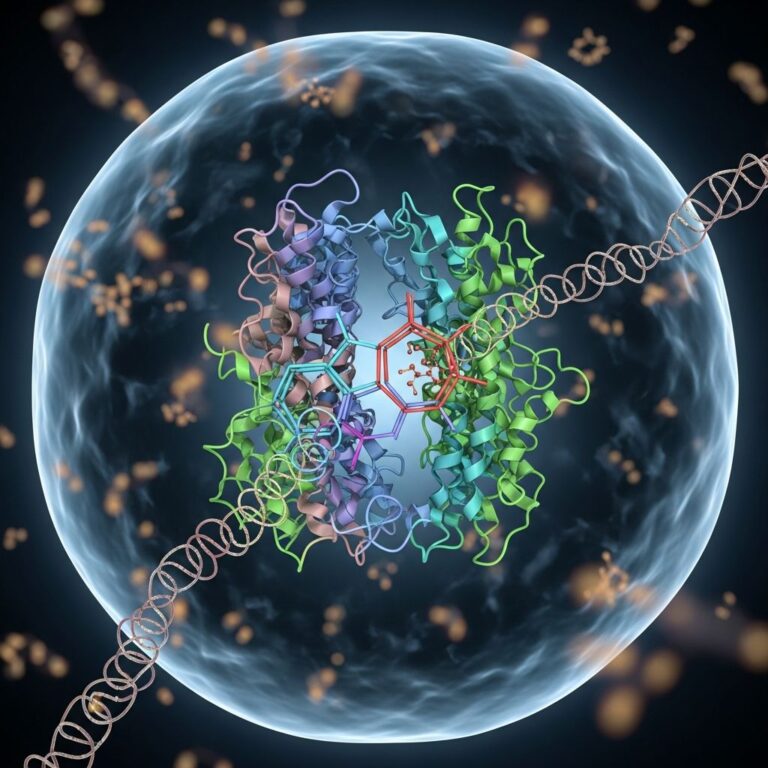
Finasteride works by inhibiting Type II 5-alpha reductase, an enzyme responsible for converting testosterone into dihydrotestosterone (DHT). DHT is a potent hormone derivative that plays a central role in both prostate enlargement and androgenetic alopecia. By reducing DHT production, finasteride addresses the underlying biological processes driving both conditions.
The medication effectively lowers tissue DHT levels by approximately 66%, with a half-life of 6-8 hours. While finasteride reduces DHT, it simultaneously increases circulating testosterone levels by 15-25%, demonstrating the complex hormonal adjustments the medication facilitates. This increase in testosterone does not produce androgenic effects typically associated with the hormone, as the primary concern in both target conditions relates to DHT activity rather than testosterone itself.
Primary Medical Applications
Benign Prostatic Hyperplasia Treatment
Benign prostatic hyperplasia (BPH) represents a common condition in aging men, characterized by prostate gland enlargement unrelated to cancer. Men experiencing BPH typically suffer from a constellation of urinary symptoms that significantly impact quality of life. These symptoms include difficulty initiating urination, reduced urinary flow rate, frequent urination throughout the day, and nocturia—the need to urinate multiple times during nighttime hours.
Finasteride addresses these symptoms by shrinking the enlarged prostate tissue. Clinical evidence demonstrates that finasteride produces a 19-28% reduction in prostate size within six months of therapy at the standard BPH dose. This reduction in prostate volume directly alleviates the mechanical obstruction responsible for urinary difficulties.
Beyond symptomatic relief, finasteride significantly reduces the likelihood that patients will require surgical intervention. The medication may be used as monotherapy or in combination with other agents, such as alpha-blockers like doxazosin, to optimize symptom management.
Androgenetic Alopecia Management
Male pattern hair loss, or androgenetic alopecia, represents the most common form of hair loss in men. This condition results from the progressive miniaturization of hair follicles in genetically predisposed individuals exposed to DHT. As DHT damages these follicles, they produce progressively shorter and finer hairs, eventually ceasing productive hair growth altogether.
At the hair loss dosage, finasteride halts this miniaturization process and promotes recovery of affected follicles. Men taking finasteride for androgenetic alopecia typically experience decreased hair shedding and increased scalp hair growth. Notably, finasteride does not affect body hair growth, as the enzyme it inhibits functions differently in body hair follicles compared to scalp follicles.
Dosage Specifications and Administration
Finasteride comes in two distinct formulations designed for its two primary uses, with dosing requirements differing significantly between indications:
- BPH Treatment (Proscar formulation): 5 milligrams taken once daily
- Androgenetic Alopecia Treatment (Propecia formulation): 1 milligram taken once daily
These dosages represent the standard recommendations for adult male patients. The medication demonstrates similar effects on DHT and testosterone levels regardless of whether the 5 mg or 1 mg dose is used, suggesting that both formulations achieve comparable hormonal modifications.
Related Stories



Finasteride is not recommended for use in children or women. For women, particularly those who are pregnant or planning pregnancy, finasteride poses significant teratogenic risks and must be avoided entirely.
Common Side Effects and Their Management
Like all medications, finasteride produces side effects in a proportion of treated patients. The most frequently reported adverse effects relate to sexual function and secondary sexual characteristics:
Sexual Function Effects
Sexual dysfunction represents the most commonly reported side effect category, occurring more frequently in BPH patients than those treated for hair loss. Reported manifestations include:
- Decreased sexual interest and libido
- Erectile dysfunction or inability to maintain erections
- Ejaculatory disorders
- Reduced semen volume
A significant finding from large clinical trials provides reassurance regarding these effects. In a comprehensive analysis of over 3,000 BPH patients followed for four years, mild to moderate erectile dysfunction resolved in approximately half of patients even after discontinuing the medication. This observation suggests that sexual dysfunction often reflects natural aging processes and placebo effects rather than medication-specific mechanisms.
Notably, a 2017 study examining 3,177 men found only a 0.7% incidence of side effects in hair loss patients, with hair growth improvements continuing substantially. This discrepancy between BPH and hair loss populations warrants further investigation and suggests that BPH patients—typically older—may experience more pronounced sexual effects due to age-related factors rather than finasteride itself.
Breast-Related Effects
Finasteride can produce breast tissue changes in both frequency and severity. Reported effects include breast enlargement, tenderness, and soreness. While these effects typically resolve following medication discontinuation, they may persist for variable periods in some patients.
Other Common Adverse Effects
Additional commonly reported side effects include:
- Skin rashes and hives
- Facial or peripheral edema (swelling)
- Weight gain or rapid weight gain
- Headaches
- Gastrointestinal symptoms including stomach pain and diarrhea
- Dizziness
- Nasal symptoms including rhinorrhea and congestion
Most commonly occurring side effects are mild and resolve spontaneously within several weeks of continued therapy or following medication discontinuation.
Serious and Rare Adverse Effects
While uncommon, finasteride can produce serious adverse reactions requiring immediate medical attention. These include:
- Hypersensitivity reactions including anaphylaxis, manifesting as facial swelling, lip swelling, throat swelling, and urticaria
- Priapism—painful, prolonged penile erection requiring emergency treatment
- Severe myopathy affecting muscle function and structure
- Visual disturbances and eye pain
- Cardiac manifestations including irregular heartbeat and increased blood pressure
- Testicular pain
Patients experiencing any of these serious reactions must seek immediate medical evaluation and discontinue the medication.
Post-Finasteride Syndrome: An Emerging Consideration
An important and controversial topic involves post-finasteride syndrome, wherein certain sexual and psychological side effects persist following medication discontinuation. While some patients report ongoing sexual dysfunction and depression after stopping finasteride, the true incidence and mechanisms remain subjects of ongoing investigation. Most hair surgeons report this phenomenon as rare in their patient populations, though prevalence rates remain controversial.
Effectiveness and Long-Term Outcomes
Clinical efficacy depends critically on continuous medication use. The effects of finasteride persist only while the medication is actively taken. Upon discontinuation, prostate size returns to baseline dimensions and hair loss resumes within months. This characteristic necessitates long-term commitment for sustained therapeutic benefit.
For BPH, finasteride demonstrates substantial effectiveness in reducing prostate volume and associated urinary symptoms. The medication also significantly reduces prostate-specific antigen (PSA) levels by approximately 50% after six months of therapy, which may facilitate early detection of high-grade prostate cancer when adjusted baseline values are established.
For androgenetic alopecia, finasteride effectively halts progression in the majority of treated men and produces visible hair regrowth in many patients. The medication’s success depends on administration before extensive, permanent follicle damage occurs, as severely atrophied follicles cannot be rescued.
Drug Interactions and Contraindications
Finasteride may be safely combined with other medications commonly used in male patients. For BPH, combination therapy with alpha-blockers like doxazosin enhances symptom relief by addressing different pathophysiologic mechanisms. However, patients taking multiple medications should inform healthcare providers of finasteride use to ensure appropriate monitoring.
The medication is absolutely contraindicated in women and children due to teratogenic effects and lack of indicated uses in these populations.
Monitoring and Patient Expectations
Patients beginning finasteride should understand realistic timelines for therapeutic benefit. For BPH, symptom improvement typically develops gradually over weeks to months, with maximum benefit emerging at approximately six-month timepoints. For androgenetic alopecia, visible hair regrowth may require 3-6 months of consistent therapy, with continued improvement often extending beyond this initial period.
Regular follow-up with healthcare providers allows for side effect monitoring, assessment of therapeutic response, and adjustment of treatment strategies if needed. PSA monitoring becomes important in BPH patients, as the medication lowers baseline PSA levels, potentially masking elevations that might indicate prostate cancer development.
Making Informed Treatment Decisions
The decision to initiate finasteride therapy requires careful consideration of potential benefits and risks in context of individual patient circumstances. For BPH patients, the medication offers substantial benefits in symptom relief and reduction of surgical necessity. For hair loss patients, finasteride provides effective hair preservation and some regrowth potential. However, the sexual side effect profile warrants thorough discussion between patients and healthcare providers prior to treatment initiation.
Patients experiencing concerning side effects should contact their healthcare provider rather than independently discontinuing therapy, as medical guidance may lead to dose adjustment, temporary cessation with reinitiation, or alternative treatment strategies. The reversible nature of most finasteride-related side effects provides reassurance that discontinuation resolves adverse effects in most affected patients.
References
- Finasteride and Tadalafil (Oral Route) – Side Effects & Dosage — Mayo Clinic. https://www.mayoclinic.org/drugs-supplements/finasteride-and-tadalafil-oral-route/description/drg-20528252
- Finasteride (Oral Route) – Side Effects & Dosage — Mayo Clinic. https://www.mayoclinic.org/drugs-supplements/finasteride-oral-route/description/drg-20063819
- Finasteride—Its Impact on Sexual Function and Prostate Cancer — National Center for Biotechnology Information (NCBI). https://pmc.ncbi.nlm.nih.gov/articles/PMC2840927/
- Finasteride: MedlinePlus Drug Information — U.S. National Library of Medicine. https://medlineplus.gov/druginfo/meds/a698016.html
- Finasteride: Side Effects, Dosage, Uses, and More — Healthline. https://www.healthline.com/health/finasteride-oral-tablet
- Finasteride: Doses, Side Effects & Uses for Hair Loss — International Society of Hair Restoration Surgery (ISHRS). https://ishrs.org/patients/treatments-for-hair-loss/medications/finasteride/
Similar Articles








Read full bio of Sneha Tete