Finding Balance: 3 Simple Exercises to Steady Your Steps
Master essential balance exercises to improve stability and prevent falls at any age.
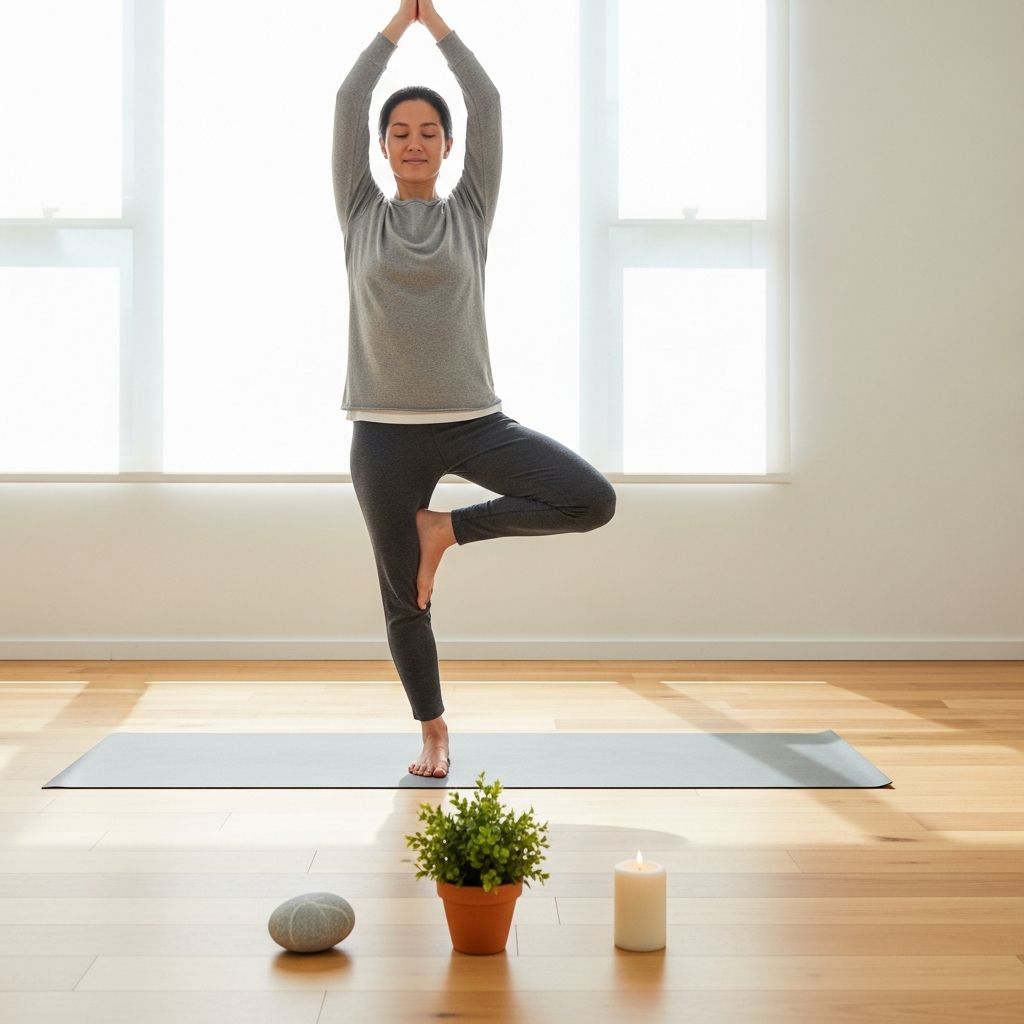
Balance is a fundamental aspect of physical fitness that often gets overlooked in fitness routines, yet it plays a critical role in maintaining independence, preventing injuries, and enhancing overall quality of life. Whether you’re a young adult, middle-aged, or a senior, having good balance helps you navigate daily activities with confidence and reduces your risk of dangerous falls. Harvard Medical School experts have identified three simple yet remarkably effective exercises that can significantly improve your balance and stability. These exercises require minimal equipment, can be performed at home, and are accessible to individuals of varying fitness levels.
Falls represent one of the leading causes of injury among older adults, often resulting in serious consequences that can diminish independence and quality of life. However, the good news is that balance can be improved through consistent, targeted exercise. The three exercises featured in this guide are scientifically-backed, easy to learn, and can be incorporated into your daily routine to help you maintain steady steps and prevent falls.
Why Balance Matters: Understanding the Foundation
Balance is the body’s ability to maintain its center of gravity over its base of support, whether standing, walking, or performing dynamic movements. This complex system involves coordination between your vision, vestibular system (inner ear), and proprioception (body awareness). When these systems work together effectively, you can move confidently through your environment without fear of falling.
Core muscles play an essential role in maintaining balance. Your core includes not just your abdominal muscles, but also your back muscles, hip stabilizers, and pelvic floor muscles. A strong core provides the stability needed for every movement you make, from standing on one leg to walking across an uneven surface. Additionally, leg strength is crucial for balance because your legs must be strong enough to support your body weight and adjust quickly when you lose your footing.
Several factors can compromise balance as we age, including reduced muscle mass, decreased flexibility, vision changes, and certain medical conditions. The good news is that these factors are largely modifiable through regular exercise and proper training.
Exercise 1: Tandem Balance – Building Your Foundation
How Tandem Balance Works
Tandem balance is an excellent starting point for anyone looking to improve their stability. This exercise challenges your balance by narrowing your base of support while keeping both feet on the ground, making it more secure than standing on a single leg. This progression allows you to build confidence and strength before attempting more advanced balance challenges.
Step-by-Step Instructions
Starting Position:
– Stand with your feet a comfortable distance apart- Place your hands on your hips for balance and proprioceptive feedback- Maintain an upright posture with your shoulders relaxed
Execution:
– Slowly place one foot directly in front of the other, positioning your heel against the toes of your back foot- Keep your weight distributed evenly between both feet, though you can shift slightly more weight to your front foot if needed- Hold this position for 20-30 seconds initially- Breathe steadily throughout the hold
Progression:
– Step your feet apart to return to the starting position- Repeat the exercise 8-10 times on each side- As you become more confident, try closing your eyes while maintaining the tandem position- You can also try extending your arms in different directions to challenge your balance further
Benefits of Tandem Balance
Tandem balance strengthens your stabilizing muscles, particularly in your ankles and lower legs. It also improves proprioception, helping your body understand where it is in space. This exercise mimics the stance you might naturally adopt when reaching for something on a shelf or standing in line, making it highly functional for daily activities.
Exercise 2: Single Leg Balance – Challenging Your Stability
Understanding Single Leg Balance
Single leg balance is a more advanced exercise that significantly challenges your stabilizing muscles and builds your ability to stay upright in challenging situations. This exercise is particularly effective because it forces your body to make constant micro-adjustments to maintain equilibrium, strengthening the small muscles often overlooked in traditional exercise routines.
Step-by-Step Instructions
Basic Position:
– Stand in a comfortable, upright position with your feet hip-width apart- Look at a fixed point on the wall at eye level to help maintain balance- Bend one leg to lift your foot off the floor, bringing your heel toward your buttocks
Hand Positioning:
– Grasp your lifted foot with your hand to maintain control- Extend your other arm out to your side for counterbalance- Keep your supporting leg straight but not locked
Holding the Position:
– Maintain this position for 20-30 seconds initially- Keep your core engaged and your standing knee slightly soft- Focus on steady breathing rather than holding your breath
Progression Options:
– As this becomes easier, place a pillow under your standing foot to create a more unstable surface- Try holding the position with your eyes closed for a few seconds- Extend your arms overhead while balancing on one leg- Stand on a foam surface or balance pad to increase the challenge
Why Single Leg Balance Is Effective
Single leg balance exercises improve proprioception dramatically and strengthen the stabilizing muscles in your hips, knees, and ankles. These muscles are critical for preventing falls, especially when stepping over obstacles or navigating uneven terrain. Regular practice of single leg balance has been shown to reduce fall risk in older adults by up to 40 percent.
Exercise 3: Core Balance with Supported Movement
The Importance of Core Stability
Your core is the foundation for all movement and balance. A weak core forces your body to compensate with other muscles, leading to poor posture, reduced balance, and increased fall risk. Core balance exercises combine stability challenges with dynamic movement, creating a comprehensive workout that improves both strength and balance simultaneously.
Step-by-Step Instructions
Starting Position:
– Stand with your feet about shoulder-width apart- Place your hands on a sturdy surface like a table, counter, or chair back for support- Maintain an upright posture with your core engaged
The Movement:
– Lift one foot off the floor slightly, shifting your weight to the standing leg- Hinge slightly at your hips, leaning your chest forward while keeping your back straight- Bend your supporting knee into a shallow squat position- Focus intensely on maintaining your balance throughout the movement- Hold this position for 2-3 seconds
Return to Starting Position:
– Straighten your supporting leg slowly and deliberately- Bring your lifted foot back to the floor- Return to the upright standing position- Rest briefly before repeating on the other side
Progression Variations:
– Reduce hand support as you gain confidence, using only fingertips on the surface- Eventually try the movement with no hand support- Increase the range of the squat as your strength improves- Add arm movements, such as reaching forward or out to the side
Benefits of Core Balance Exercise
This exercise simultaneously strengthens your core muscles, improves balance, and builds leg strength. The combination of these benefits makes core balance particularly effective for fall prevention. Additionally, this exercise improves hip mobility and coordination, both essential for functional movement in daily life.
Creating an Effective Balance Training Program
Frequency and Duration
For optimal results, practice these three balance exercises at least three to four times per week. Each session should take approximately 15-20 minutes, making it easy to incorporate into your daily routine. Consistency is more important than intensity when it comes to balance training, as regular practice produces the most significant improvements.
Progression Timeline
Most people notice improvements in their balance within 2-3 weeks of consistent practice. However, significant improvements typically become evident after 6-8 weeks of regular training. Don’t be discouraged if progress feels slow; your body is making important neurological adaptations that lay the foundation for better balance and fall prevention.
Safety Considerations
Always perform balance exercises in a safe environment free from obstacles. Have a sturdy chair, table, or wall nearby for support. Wear comfortable, supportive shoes with good grip, and avoid balance training when you’re fatigued or taking medications that cause dizziness. If you have any existing medical conditions or concerns, consult your healthcare provider before beginning a new exercise program.
Integrating Balance Training Into Your Lifestyle
Daily Movement Habits
Beyond formal exercise sessions, you can improve your balance throughout the day by making simple lifestyle changes. Practice standing on one leg while brushing your teeth, walk heel-to-toe across your kitchen while waiting for water to boil, or practice tandem walking when moving through your home. These micro-movements accumulate and contribute significantly to balance improvement.
Combining Balance with Other Exercises
Balance training works synergistically with other forms of exercise. Combine your balance routine with flexibility training, such as gentle yoga or tai chi, and strength training to build a comprehensive fitness program. This holistic approach addresses multiple aspects of fitness while keeping your routine interesting and engaging.
Frequently Asked Questions
Q: At what age should I start balance training?
A: Balance training is beneficial at any age. While it becomes increasingly important as we age, younger adults benefit from improved balance and reduced injury risk. Starting balance training early helps establish habits that pay dividends throughout life.
Q: How long before I see improvements in my balance?
A: Many people notice improvements within 2-3 weeks of consistent practice. More significant improvements typically become evident after 6-8 weeks of regular training, though individual results vary.
Q: Can I do balance exercises if I have arthritis or joint pain?
A: Yes, these exercises can be adapted for people with arthritis or joint pain. Start with the supported versions of these exercises, use a chair or wall for additional stability, and move slowly through each exercise. However, consult your healthcare provider or physical therapist for personalized modifications.
Q: Do I need any special equipment for these exercises?
A: No special equipment is required. A sturdy chair or table for support is helpful, and a pillow can be used to increase the challenge of single leg balance, but these are optional. Most balance exercises require only your body weight.
Q: Is it normal to feel unsteady when starting balance training?
A: Yes, feeling unsteady initially is completely normal. Your body is developing new neural pathways and strengthening stabilizing muscles. This feeling improves quickly with consistent practice, typically within 2-3 weeks.
Q: Can balance exercises help prevent falls in older adults?
A: Research strongly supports that regular balance training reduces fall risk in older adults. Studies show that individuals who practice balance exercises consistently can reduce their fall risk by up to 40 percent.
Q: Should I perform balance exercises on both sides of my body?
A: Yes, practice all exercises on both sides to ensure balanced strength and coordination. Most people are stronger on one side, so practicing on both sides helps correct imbalances and improves overall stability.
Conclusion: Taking Steps Toward Better Balance
The three balance exercises outlined in this guide—tandem balance, single leg balance, and core balance—represent a scientifically-backed, accessible approach to improving your stability and reducing fall risk. These exercises, endorsed by Harvard Medical School experts, require minimal time and equipment while delivering significant benefits for people of all ages and fitness levels.
The key to success lies in consistency and patience. Starting with these foundational exercises and progressing gradually ensures that you build strength safely while maintaining motivation. As your balance improves, you’ll notice enhanced confidence in your daily movements, reduced fear of falling, and improved overall functional fitness.
Remember that balance is a skill that can be improved at any age. Whether you’re recovering from an injury, looking to enhance your athletic performance, or aiming to maintain independence in your senior years, these three simple exercises provide a practical, effective path forward. Begin today, practice consistently, and enjoy the confidence and stability that comes with improved balance.
References
- Better Balance: Simple Exercises to Improve Stability — Harvard Medical School. 2021. https://www.health.harvard.edu/
- 10 Best Balance Exercises for Seniors to Prevent Falls — Hinge Health. 2024. https://www.hingehealth.com/resources/articles/balance-exercises/
- Core Exercises For Balance – Harvard Medical School Series — Harvard Medical School. 2021. https://www.youtube.com/watch?v=wuE2AMrLDDQ
- Falls Among Older Adults: Prevention Tips — Centers for Disease Control and Prevention (CDC). 2024. https://www.cdc.gov/falls/
- Physical Activity and Health: The Benefits of Exercise for Older Adults — National Institutes of Health (NIH). 2023. https://www.nia.nih.gov/
Similar Articles







Read full bio of Sneha Tete