Fingernail Ridges: Causes, Diagnosis, And Treatment Guide
What fingernail ridges reveal about your health, from harmless aging signs to serious medical warnings.
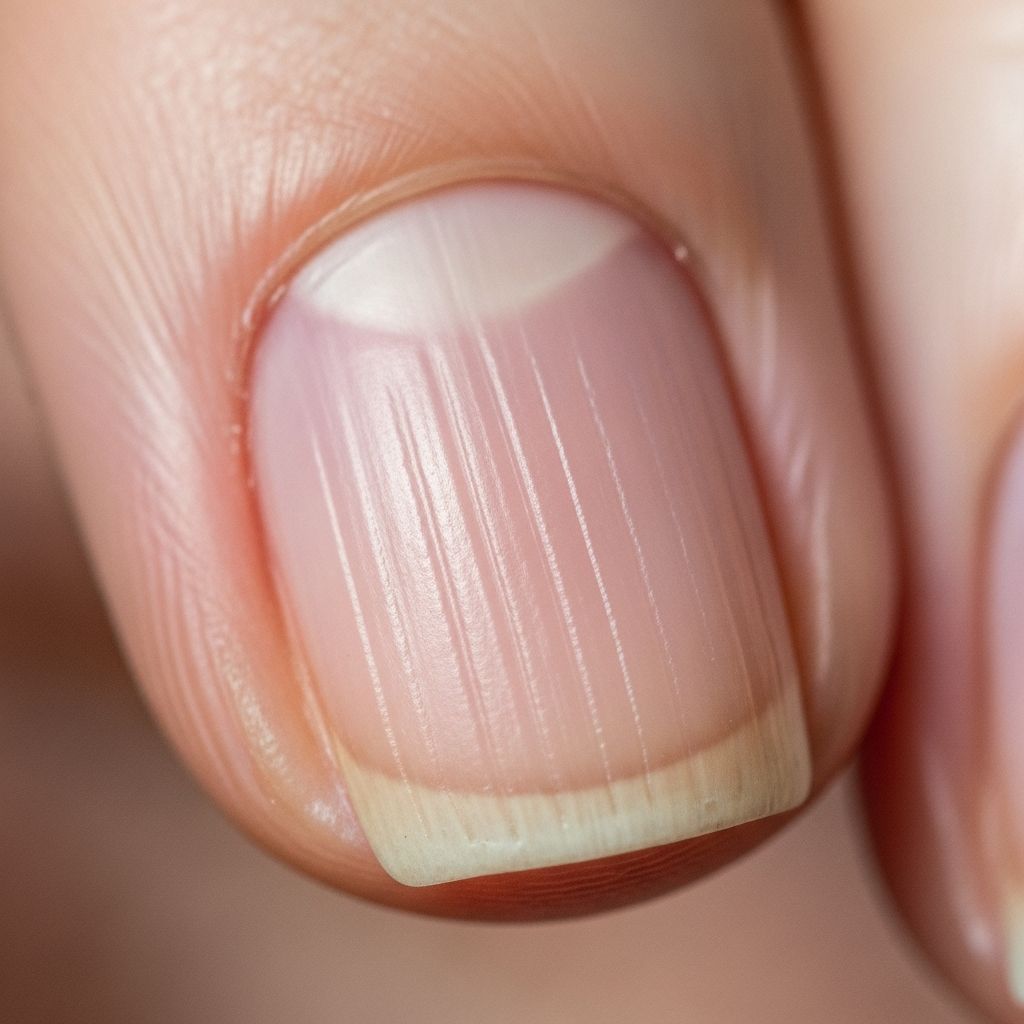
Fingernail ridges are common nail changes that can appear as vertical lines running from the cuticle to the tip or horizontal grooves across the nail. Vertical ridges are typically benign and linked to aging, while horizontal ridges, known as Beau’s lines, often signal underlying health issues requiring medical attention.
What Are Fingernail Ridges?
Fingernail ridges refer to raised or grooved lines on the nail surface.
Vertical ridges
(longitudinal ridges) extend from the base to the free edge, resembling furrows or striations. They are the most prevalent type and usually harmless.**Horizontal ridges**, or Beau’s lines, traverse the nail perpendicular to its growth direction. These deep grooves indicate temporary halts in nail growth due to acute stress on the body.
Nails grow from the matrix under the cuticle, reflecting overall health. Changes in texture, like ridges, can stem from local trauma, nutritional deficits, or systemic conditions.
Vertical Ridges in Fingernails
Vertical ridges develop as nails age, mirroring skin changes. Nails may thicken, thin, split, or fissure, with ridges forming due to slowed cell turnover in the nail matrix.
According to research, these ridges appear in many older adults from reduced keratin production and drier nail beds. They rarely cause pain but can affect appearance.
- Common in people over 50
- Run parallel to the nail’s length
- May deepen with severe dryness or brittleness
Other causes include trachyonychia (twenty-nail dystrophy), where nails appear rough and shiny; peripheral vascular disease reducing blood flow; and rheumatoid arthritis causing inflammation.
Iron deficiency anemia can produce vertical ridges alongside spoon-shaped (koilonychia) nails. If ridges accompany brittleness or discoloration, consult a dermatologist.
Horizontal Ridges (Beau’s Lines)
Beau’s lines are horizontal depressions signaling interrupted nail growth from systemic insults. The nail plate forms normally above the groove, with the line advancing as the nail grows (about 3 mm per month).
Causes include:
- High fever from infections (e.g., COVID-19, scarlet fever)
- Severe illness or surgery
- Chemotherapy or radiation
- Nutritional deficiencies (zinc, protein)
Multiple lines suggest repeated stressors. Unlike vertical ridges, Beau’s lines demand evaluation as they resolve only with new nail growth (3-6 months).
Causes of Fingernail Ridges
Beyond aging and acute illness, ridges link to diverse conditions.
Skin Conditions
Psoriasis affects up to 50% of patients’ nails, causing pitting, ridges, and oil-drop discoloration. Eczema leads to ridges, thickening, and separation from the bed (onycholysis).
Digestive Disorders
Malabsorption in Crohn’s disease, celiac disease, or ulcerative colitis impairs nutrient uptake, weakening nails and promoting ridges.
Nutritional Deficiencies
Zinc deficiency (common in vegans) causes horizontal ridges (Beau’s lines). Iron deficiency triggers vertical ridges and koilonychia. Vitamins A, C, D, and biotin support nail integrity, though evidence for biotin is anecdotal.
Related Stories



Other Systemic Issues
| Condition | Ridge Type | Associated Symptoms |
|---|---|---|
| Diabetes | Horizontal | Slow growth, infections |
| Thyroid disease | Horizontal/Vertical | Brittleness, separation |
| Kidney disease | Horizontal | Discoloration, half-and-half nails |
| Anemia | Vertical | Spoon-shaped nails |
Ridges may also follow trauma, where the matrix is injured, halting growth.
Pictures of Ridges in Fingernails
Vertical ridges appear as fine, parallel lines like wood grain. Beau’s lines look like deep transverse grooves, often single or multiple bands. Psoriatic ridges may include pits resembling icepick marks. (Descriptions based on common clinical images; consult a professional for personal assessment.)
Diagnosis
Doctors assess ridges via history, exam, and tests. They inquire about onset, trauma, diet, medications, and symptoms like fatigue or fever.
- Physical exam: Nail inspection for type, depth, color changes
- Blood tests: Check iron, zinc, thyroid function, kidney/liver panels
- Biopsy/clippings: Rule out infection or psoriasis
- Imaging: Rarely for vascular issues
For Beau’s lines, timing correlates stressors to line appearance.
Treatments and Home Remedies
Treatment targets the cause; ridges from aging need no intervention.
- Nutritional fixes: Balanced diet rich in biotin (eggs, nuts), zinc (meat, legumes), iron (spinach, red meat). Supplements only if deficient.
- Moisturize: Petroleum jelly or urea creams soften ridges.
- Skin conditions: Topical steroids for eczema/psoriasis.
- Systemic: Manage diabetes, thyroid with medications.
Avoid buffing ridges to prevent thinning. Biotin (2.5 mg) or silicon (10 mg) may help brittle nails per studies, but consult a doctor.
Prevention
No sure prevention for age-related ridges, but habits promote nail health:
- Eat nutrient-dense foods
- Protect hands from trauma/chemicals
- Moisturize cuticles daily
- Trim nails straight across
- Avoid harsh polishes
Monitor for sudden changes.
When to See a Doctor
Seek care for:
- Sudden horizontal ridges
- Ridges with pain, swelling, dark streaks
- Pitting, discoloration, separation
- Accompanying fatigue, weight loss, fever
Prompt evaluation prevents missing serious issues like diabetes or cancer.
Frequently Asked Questions (FAQs)
What deficiency causes ridges in nails?
Zinc deficiency often causes horizontal ridges; iron deficiency leads to vertical ones. Biotin may strengthen nails but lacks strong evidence.
What are fingernail ridges a symptom of?
Aging (vertical), illness, diabetes, thyroid/kidney disease, anemia (horizontal/vertical).
When should I worry about nail ridges?
Worry if horizontal, sudden, or with discoloration, pitting, swelling. See a dermatologist promptly.
Can vitamins help get rid of nail ridges?
Biotin and silicon show promise for brittle nails with ridges, but treat underlying causes first. More research needed.
Can you buff out ridges in nails?
Gentle buffing may smooth minor ridges, but moisturize and consult a dermatologist to avoid damage.
Ridges often reflect health status. While vertical ones are cosmetic, horizontal signal action. Maintain nutrition and monitor changes for optimal nail health.
References
- Ridges in fingernails: Types, causes, and treatment — Medical News Today. 2023-05-01. https://www.medicalnewstoday.com/articles/319867
- Ridges in Fingernails: Symptoms, Causes, and Treatments — Healthline. 2023-01-15. https://www.healthline.com/health/ridges-in-fingernails
- 7 fingernail problems not to ignore — Mayo Clinic. 2024-02-20. https://www.mayoclinic.org/healthy-lifestyle/adult-health/in-depth/7-fingernail-problems-not-to-ignore/art-20546860
- What is Longitudinal Ridging? — News-Medical.net. 2023-11-10. https://www.news-medical.net/health/Longitudinal-Ridging.aspx
Similar Articles








Read full bio of Sneha Tete