Fireworks Eye Injuries: Risks and Prevention
Discover the alarming rise in fireworks-related eye trauma and essential strategies to safeguard your vision during celebrations.
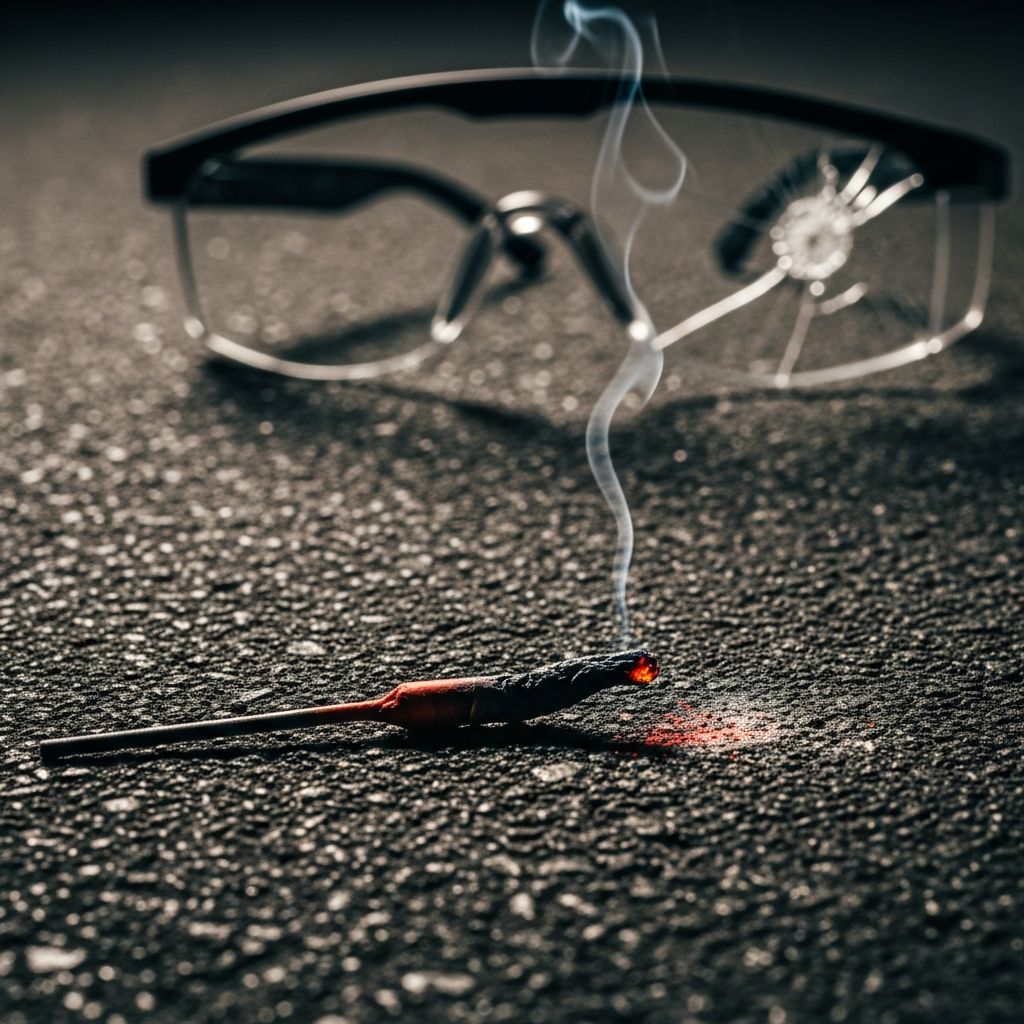
Every year, vibrant displays light up the sky during holidays like the Fourth of July and New Year’s Eve, bringing joy to millions. However, these celebrations come with a hidden danger: severe eye injuries from fireworks. Data from national health databases reveal that nearly 2,000 ocular injuries occur annually in the US alone, with burns being the most common type and bottle rockets posing the highest risk for devastating damage like ruptured globes. These incidents often strike young males and bystanders, underscoring the urgent need for awareness and protective measures.
The Hidden Dangers Behind the Sparkle
Fireworks may seem harmless from a distance, but up close, they pack explosive power capable of causing lifelong vision impairment. According to EyeWiki, 65.9% of firework-related eye injuries in the US affect individuals 18 or younger, with males comprising 71.9-89% of cases. Children frequently suffer as bystanders rather than users, highlighting how even passive observation can lead to tragedy. In 2019, fireworks contributed to over 10,000 emergency room visits nationwide, with eye trauma featuring prominently among burns, lacerations, and contusions.
The timing of these injuries clusters around major holidays. A comprehensive study spanning 1999-2017 found peaks in July and January, aligning with Independence Day and New Year’s festivities. This pattern persists despite public warnings, as consumer fireworks remain widely accessible across states with varying regulations. Regions enforcing stricter laws report up to 87% fewer ophthalmic injuries, proving that policy changes can dramatically reduce harm.
Who Is Most at Risk?
Certain groups face elevated dangers from firework mishaps. Young children, particularly those aged 0-4 and 10-14, show the highest emergency visit rates. Bystanders account for 65% of victims, often caught off-guard by stray projectiles or debris. Males dominate statistics, likely due to higher participation in handling fireworks.
- Children under 18: 65.9% of cases, often unsupervised or as spectators.
- Males: 71.9-89% prevalence.
- Bystanders: 65% of injuries, emphasizing distance as key.
- Holiday periods: July and January spikes.
Risk amplifies without safeguards like eyewear or supervision. Consumer-grade items, unlike professional displays (which cause just 1% of injuries), fuel most incidents due to unpredictable trajectories.
Common Types of Eye Injuries from Fireworks
Firework trauma ranges from mild irritation to permanent blindness. Ocular burns top the list, followed by lacerations, foreign bodies, hyphema (blood in the eye), and ruptured globes—the most severe, often requiring surgery.
| Injury Type | Frequency | Severity | Common Cause |
|---|---|---|---|
| Ocular Burns | Most Common | Mild to Moderate | Sparklers, Explosions |
| Lacerations/Contusions | High | Moderate | Debris, Shrapnel |
| Ruptured Globe | Less Common but Severe | High (Vision Loss) | Bottle Rockets |
| Hyphema | Moderate | Moderate to High | Impact Trauma |
| Foreign Body | Common | Mild | Ash, Particles |
Bottle rockets stand out, being nearly 7 times more likely to cause serious harm due to erratic paths. Sparklers, burning at 1,800°F, frequently injure toddlers with burns or irritation. Even legal fireworks like firecrackers and Roman candles contribute significantly.
Why Bottle Rockets and Sparklers Are Especially Perilous
Among fireworks, bottle rockets and sparklers demand special caution. Bottle rockets’ instability leads to 9.3 times higher severe trauma rates, disproportionately hitting kids aged 10-14. Sparklers cause numerous pediatric cases (8.1 times higher adjusted rate), mostly conjunctival irritation but with burn potential. These ‘safe’ options lure parents, yet data shows they drive high injury volumes.
Professional shows, by contrast, minimize risks through controlled environments, accounting for only 1% of cases. Debris from distant launches can still pose threats, so proximity matters even at events.
Related Stories



Immediate Response to Eye Injuries
If an eye injury occurs, swift, correct action is critical. Do not rub the eye or apply pressure, as this worsens damage. Skip ointments, painkillers like aspirin (which thins blood), or ibuprofen before medical care.
- Protect the eye from further contact—cover lightly if needed.
- Seek emergency care immediately; do not delay for medications.
- For hot ash, rinse gently with water only if safe.
- Keep the person calm and still.
Even minor-seeming irritation warrants professional evaluation, as hidden damage like retinal tears may lurk.
Proven Prevention Strategies
Prevention trumps treatment. The American Academy of Ophthalmology urges attending professional displays over handling consumer fireworks. Key tactics include:
- Wear ANSI Z87-rated eyewear: Essential for all participants; regular glasses may shatter.
- Supervise children strictly: Never allow play, even with ‘safe’ types.
- Maintain distance: Stay far from launches; bystanders are prime targets.
- Avoid misfires: Do not approach dud fireworks.
- Opt for pros: Safest viewing method.
Countries banning consumer sales or mandating eyewear see sharp declines—e.g., Norway’s bottle rocket ban halved injuries. US states with restrictions mirror this success.
Global Lessons: Regulations That Work
Nations with tight controls offer blueprints. Strict laws correlate with 87% lower eye injury rates. Bans on sales eliminate most trauma, while free eyewear distribution helps marginally. In the US, variable state policies create disparities; uniform federal rules could save thousands of eyes yearly.
Prevent Blindness advocates total bans on non-professional fireworks to curb social and economic costs.
Frequently Asked Questions (FAQs)
Are sparklers safe for kids?
No. They cause many burns and irritations in young children due to high heat (1,800°F).
What if fireworks are legal in my state?
Legality does not equal safety. Legal items drive most injuries.
Can professional shows cause injuries?
Rarely (1% of cases), but wear protection if close.
How effective is eye protection?
Highly; it slashes risk, though not mandated in the US.
What holidays see most injuries?
July (Fourth) and January (New Year’s).
Protecting Future Generations
Fireworks eye injuries have not declined significantly in decades, with rates stable despite awareness campaigns. By prioritizing professional viewing, eyewear, and supervision, individuals can enjoy spectacles safely. Policymakers must heed data: targeted bans on high-risk items like bottle rockets could prevent severe morbidity. Vision is irreplaceable—make safety the priority this season.
References
- Firework and Shrapnel Eye Injuries — EyeWiki (American Academy of Ophthalmology). 2023. https://eyewiki.org/Firework_and_Shrapnel_Eye_Injuries
- Assessment of Firework-Related Ocular Injury in the US — PMC – NIH. 2020-04-15. https://pmc.ncbi.nlm.nih.gov/articles/PMC7146523/
- Firework Eye Safety — Advanced Eyecare Professionals. Accessed 2026. https://aepeyecare.com/blog/1180523-firework-eye-safety
- Preventing Fireworks Eye Injuries — Prevent Blindness Ohio. 2023. https://ohio.preventblindness.org/prevent-eye-injuries-from-fireworks/
- Serious Eye Injuries Associated with Fireworks — CDC MMWR. 1999-06-25. https://www.cdc.gov/mmwr/preview/mmwrhtml/00037986.htm
Similar Articles








Read full bio of medha deb