First-Degree Burn: Treatment, Prevention & Care Guide
Complete guide to understanding, treating, and preventing first-degree burns safely.
Understanding First-Degree Burns
A first-degree burn, also known as a superficial burn, represents the mildest type of burn injury. This type of burn affects only the top layer of your skin, called the epidermis. First-degree burns are characterized by their relatively minor nature and typically resolve within seven to 14 days with appropriate home care. Sunburn is one of the most common examples of a first-degree burn, though these injuries can also result from direct contact with hot surfaces, hot liquids, or brief exposure to heat sources.
Despite being classified as “minor,” first-degree burns can cause significant discomfort and pain. However, the good news is that they rarely result in permanent scarring or serious complications when managed properly. Understanding the characteristics and proper treatment methods for first-degree burns is essential for anyone seeking to address this common injury effectively.
Identifying First-Degree Burns: Appearance and Symptoms
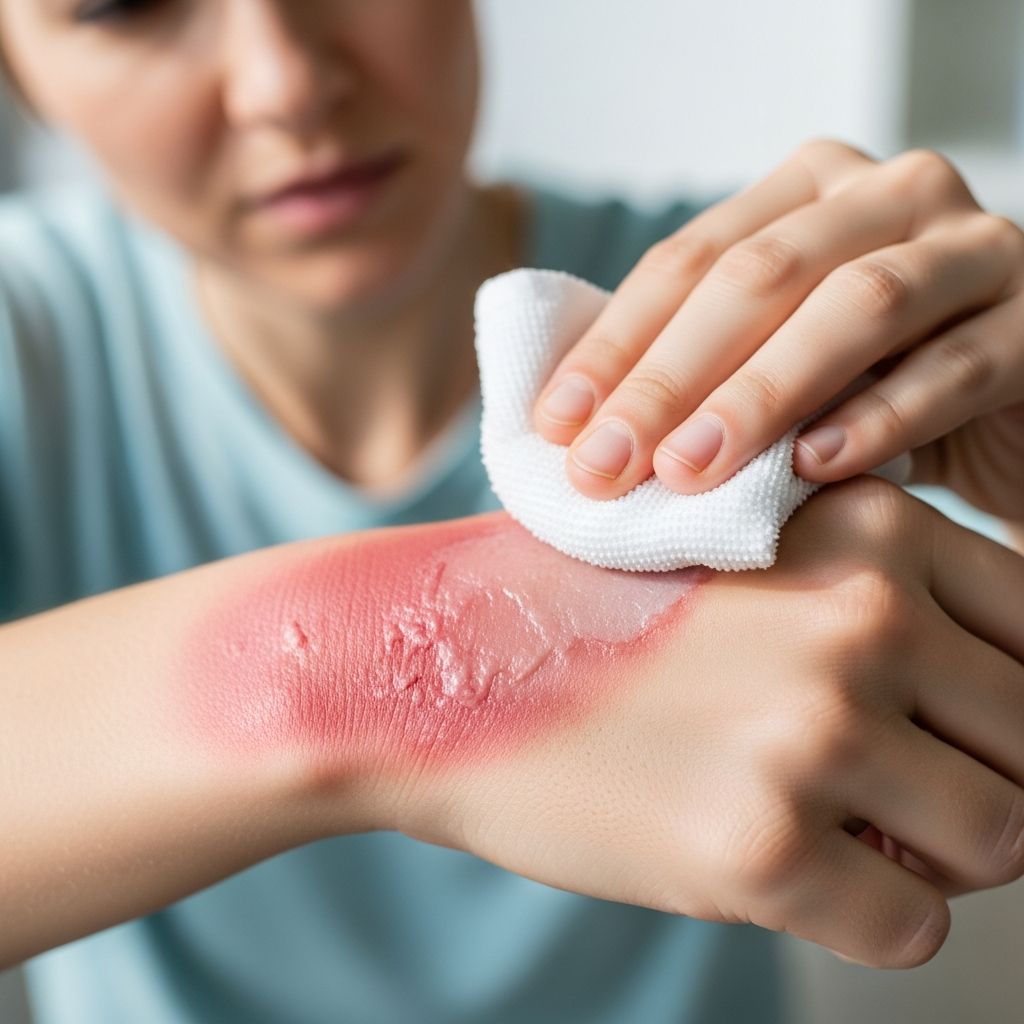
First-degree burns present distinctive visual and physical characteristics that can help you identify them correctly. The affected skin typically appears red or reddish-brown in color and feels warm to the touch. One of the defining features of a first-degree burn is that the skin remains dry without any blistering. When you press on the burned area with your finger, the skin may temporarily turn lighter in color, a response known as blanching.
Common symptoms associated with first-degree burns include:
- Redness and inflammation of the affected area
- Mild swelling
- Pain and stinging sensation
- Skin that feels warm to the touch
- Dry skin without blisters or breaks
It’s important to note that while first-degree burns can be quite painful, the absence of blisters and skin breaks is a key indicator that you’re dealing with a superficial burn rather than a more serious injury. However, if you’re uncertain about the severity of your burn, it’s always better to consult with a healthcare provider rather than attempt self-diagnosis.
Common Causes of First-Degree Burns
First-degree burns can occur in various situations and environments. Understanding these common causes can help you take preventive measures to protect yourself and your family. Some of the most frequent causes include:
- Sunburn from prolonged exposure to ultraviolet rays
- Contact with hot surfaces such as stovetops, ovens, or heating elements
- Splashes or spills from hot liquids like boiling water, coffee, or soup
- Brief contact with hot objects such as curling irons or hot pans
- Exposure to hot steam
- Thermal burns from bonfires or campfires
Understanding these causes allows you to implement appropriate safety measures in your home and workplace, particularly when caring for children or elderly individuals who may be more vulnerable to burn injuries.
Immediate First Aid for First-Degree Burns
When a first-degree burn occurs, taking immediate action can significantly reduce pain and prevent further damage. The first few minutes following a burn are crucial for effective treatment. Here’s what you should do immediately after sustaining a first-degree burn:
Related Stories



Cool the Burn: Place the affected area under cool—not cold—running water for approximately 10 to 15 minutes. This step is vital as it helps remove heat from the skin, reduce pain, and prevent the damage from becoming more severe. Avoid using ice or ice-cold water, as this can actually cause additional damage to the skin.
Remove Constrictive Items: If the burn is on your hand, arm, or any area where you wear jewelry or tight clothing, remove rings, bracelets, watches, and any other tight items immediately. Burned areas swell quickly, and removing these items prevents them from becoming embedded in your skin as swelling occurs.
Cover the Burn: Once you’ve cooled the burn, cover it loosely with a clean, sterile, nonstick bandage or clean cloth. This protects the area from infection and reduces exposure to air, which can increase pain.
Raise the Affected Area: If possible, lift the burned area above your heart level. This helps reduce swelling and promotes circulation away from the injury site.
At-Home Treatment and Pain Management
After providing initial first aid, you can manage a first-degree burn at home using several techniques and products to ease discomfort and support healing. Even though first-degree burns are minor, they can cause considerable pain that warrants appropriate management strategies.
Pain Relief Options: You can ease discomfort by taking over-the-counter pain medications such as ibuprofen or acetaminophen as directed on the package. Additionally, applying a cool, damp cloth to the area provides temporary relief, and using petroleum jelly or aloe vera cream helps reduce pain while promoting natural healing.
Skin Care During Healing: As your burn heals over the course of seven to 14 days, your skin may peel or flake. This is a completely normal part of the healing process and should not be a cause for concern. Avoid picking at peeling skin, as this can increase the risk of infection and scarring. Continue to keep the area clean and moisturized with gentle products.
First Aid Kit Essentials: Having the following items available can help you treat a burn quickly and effectively when it occurs:
- Cool running water source
- Sterile nonstick bandages
- Petroleum jelly or antibiotic ointment
- Aloe vera cream
- Over-the-counter pain relievers
- Clean cloth or gauze
When to Seek Medical Attention
While first-degree burns typically don’t require professional medical care, certain situations warrant immediate evaluation by a healthcare provider. It’s important to recognize when at-home treatment is insufficient and professional intervention is necessary.
Seek emergency care immediately if your burn:
- Covers a large area of your body (larger than three inches in diameter)
- Is located on your face, hands, feet, genitals, or joints
- Is caused by chemicals or electricity
- Involves inhalation of smoke
- Shows signs of infection, such as increased pain, redness, warmth, pus, or fever
Special Considerations for Vulnerable Populations: Infants and adults over age 65 should receive immediate medical care for any type of burn, regardless of severity. These age groups have more delicate skin and may experience complications more easily than other populations.
A good rule of thumb is that if you’re seriously considering going to the hospital for a burn, you probably should go. It’s far better to learn that your burn is minor than to delay care for something more serious. When in doubt, get your burn checked out by a healthcare professional.
Understanding Thermal Burns
A thermal burn is any burn caused by heat exposure. Thermal burns can range from very mild first-degree burns to severe or life-threatening third-degree burns. The severity of a thermal burn depends on several factors, including the temperature of the heat source, the duration of contact with your skin, and the thickness of the affected skin area.
Thermal burns can result from contact with hot liquids, hot surfaces, open flames, steam, or hot gases. Understanding how thermal burns develop helps explain why even brief contact with extremely hot materials can cause significant injury, while longer contact with moderately warm materials might result in only minor burns.
Preventing First-Degree Burns in Your Home
Prevention is always better than treatment when it comes to burn injuries. Implementing safety measures in your home can significantly reduce the risk of first-degree burns for you and your family members, particularly children and elderly individuals.
Kitchen Safety: Many first-degree burns occur in the kitchen due to contact with hot surfaces and liquids. Keep pot handles turned inward on the stove, use back burners when possible, and establish a “no-touch” zone around cooking areas for young children. Always use oven mitts or dry towels when handling hot cookware.
Bathroom Safety: Water temperature is a critical factor in preventing scald burns. When bathing children, always check the water temperature using a thermometer or by testing it with your wrist or elbow before placing your child in the water. The water should be no higher than 100°F (37.7°C) and should feel warm—not hot—to the touch. Consider installing temperature-limiting devices on showerheads and faucets.
Sun Protection: To prevent sunburn-related first-degree burns, apply broad-spectrum sunscreen with at least SPF 30 to exposed skin, reapply every two hours or after swimming, and seek shade during peak sun hours (10 a.m. to 4 p.m.). Protective clothing, hats, and sunglasses provide additional protection.
General Home Safety: Maintain working smoke detectors, establish safe practices around fireplaces and space heaters, and store hot appliances like curling irons and hair straighteners safely away from children’s reach.
The Healing Process and Timeline
Understanding the typical healing timeline for first-degree burns helps you monitor your recovery and recognize when something might be going wrong. Most first-degree burns heal completely within seven to 14 days without leaving any permanent scars.
During the healing process, you may notice your skin becoming slightly darker or lighter in the affected area initially, followed by gradual return to your normal skin tone. As mentioned earlier, peeling and flaking skin is a normal part of this process. Your skin is essentially shedding the damaged outer layer to reveal fresh, new skin underneath.
However, if your burn isn’t improving as expected, develops signs of infection, or causes concerns beyond the typical healing window, contact your healthcare provider. Early intervention for complications can prevent more serious issues from developing.
Distinguishing First-Degree from More Serious Burns
While this article focuses on first-degree burns, it’s important to understand how they differ from more serious burn injuries. It’s possible to have multiple types of burns at the same time—for example, a first-degree burn surrounding a second-degree burn. If you’re uncertain about the severity of your burn, consulting with a healthcare provider ensures you receive appropriate treatment.
The key difference between first-degree and second-degree burns is that second-degree burns involve blistering and penetrate deeper into the skin layers. Any burn that shows blisters, severe pain disproportionate to the size of the burn, or signs of infection requires professional medical evaluation.
Frequently Asked Questions About First-Degree Burns
Q: How long does a first-degree burn typically take to heal?
A: First-degree burns typically heal within seven to 14 days with appropriate home care. The exact timeline depends on the burn’s size, your age, and how well you care for the injury during recovery.
Q: Will a first-degree burn leave a scar?
A: No, first-degree burns typically do not leave scars. Because the burn only affects the epidermis and heals completely, normal skin appearance returns once healing is complete.
Q: Can I use ice directly on a first-degree burn?
A: No, avoid using ice or ice-cold water directly on burns. Instead, use cool—not cold—running water for about 10 to 15 minutes. Ice can actually cause additional damage to already-injured skin.
Q: Is it safe to pop blisters if they develop?
A: If blisters develop on your burn, this may indicate a second-degree burn rather than a first-degree burn. Do not pop blisters, as they protect the underlying skin and popping them increases infection risk. Seek medical evaluation if blisters develop.
Q: What should I apply to a first-degree burn for pain relief?
A: Aloe vera cream, petroleum jelly, and over-the-counter pain relievers like ibuprofen or acetaminophen can help manage pain. Cool, damp cloths also provide temporary relief.
Q: When should I see a doctor for a first-degree burn?
A: Seek medical attention if the burn covers a large area, is located on sensitive areas (face, hands, feet), shows signs of infection, or doesn’t improve within the expected timeframe. When in doubt, get it checked out.
Conclusion
First-degree burns are common injuries that most people experience at some point in their lives, whether from a kitchen mishap, sunburn, or other heat exposure. The positive news is that these superficial burns are minor and typically don’t cause lasting damage when properly managed. By understanding the characteristics of first-degree burns, knowing how to provide appropriate first aid, and implementing prevention strategies, you can effectively address these injuries and protect your family from burn-related harm. Remember, when in doubt about any burn injury, consulting with a healthcare provider is always the safest choice to ensure you receive appropriate care and guidance for optimal recovery.
References
- First-Degree Burn Treatment & Prevention — Cleveland Clinic. 2025. https://my.clevelandclinic.org/health/symptoms/first-degree-burn
- First Aid for First-, Second- and Third-Degree Burns — Cleveland Clinic. 2025. https://health.clevelandclinic.org/how-to-treat-a-burn
- Burns: First aid — Mayo Clinic. 2024. https://www.mayoclinic.org/first-aid/first-aid-burns/basics/art-20056649
- Minor burns – aftercare — MedlinePlus Medical Encyclopedia. National Library of Medicine. 2024. https://medlineplus.gov/ency/patientinstructions/000662.htm
- First-degree vs. second-degree burns: causes, symptoms and treatment — CVS Health. 2025. https://www.cvs.com/learn/health/skin-health-conditions/first-degree-vs-second-degree-burns
Similar Articles








Read full bio of medha deb