Fish Oil: Friend or Foe? A Balanced Health Perspective
Discover the truth about fish oil supplements: benefits, risks, and what the science really says.
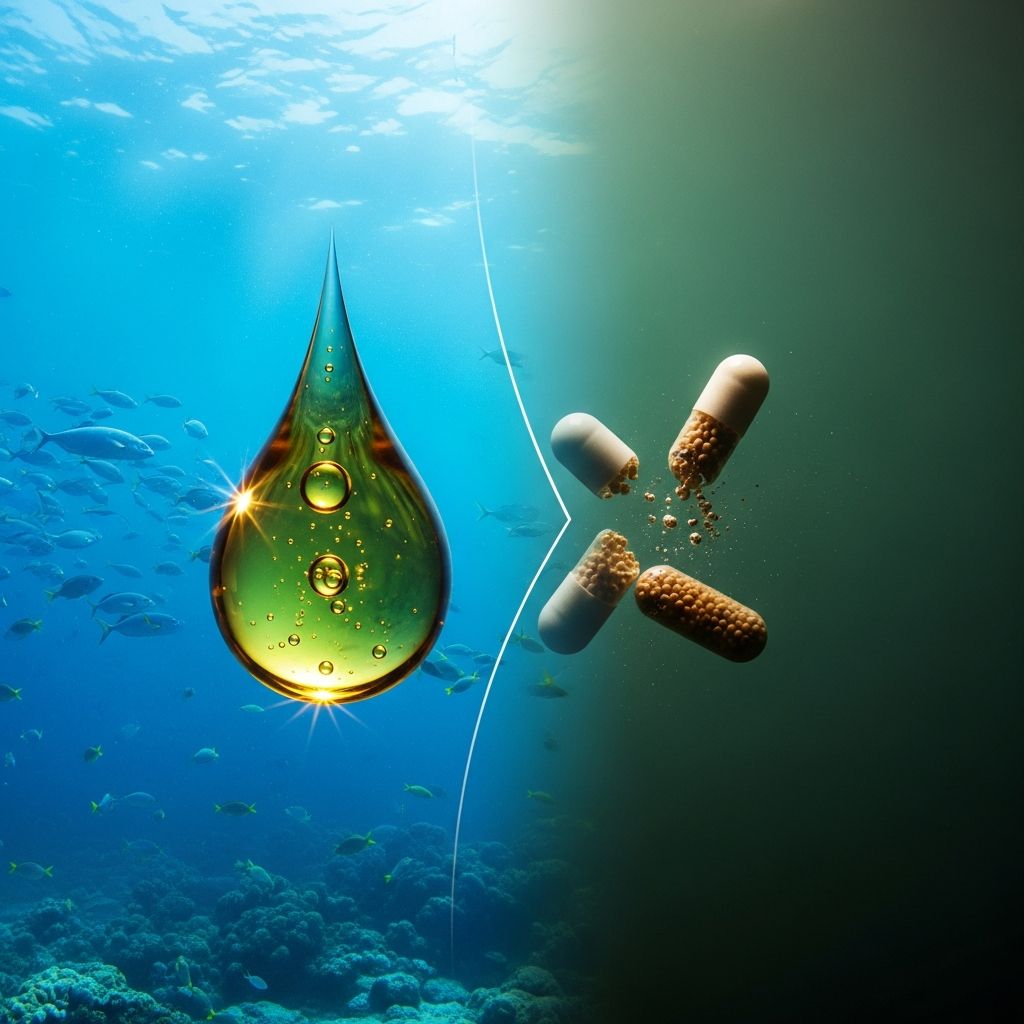
Fish Oil: Friend or Foe? Understanding the Evidence
Fish oil has become one of the most popular nutritional supplements on the market, with millions of Americans taking omega-3 supplements daily in hopes of improving their heart health and overall wellbeing. Yet despite decades of research and widespread use, the question remains: is fish oil truly beneficial, or is it more hype than help? The answer, as with many health questions, is nuanced and depends on understanding what the current scientific evidence actually tells us.
The Promise of Fish Oil and Omega-3 Fatty Acids
Fish oil contains two primary types of omega-3 polyunsaturated fatty acids: eicosapentaenoic acid (EPA) and docosahexaenoic acid (DHA). These compounds are found naturally in fatty fish such as salmon, mackerel, sardines, and herring. Research has suggested that omega-3 fatty acids play important roles in reducing inflammation, supporting brain function, and protecting cardiovascular health.
The enthusiasm for fish oil was bolstered by observational studies showing that populations consuming high amounts of fish—particularly in Nordic and Mediterranean countries—experienced lower rates of heart disease. This observation led researchers to hypothesize that fish oil supplements could replicate these benefits, sparking a multi-billion-dollar supplement industry.
Cardiovascular Benefits: What Recent Research Shows
In 2019, a comprehensive meta-analysis from Harvard T.H. Chan School of Public Health and Brigham and Women’s Hospital examined data from 13 randomized controlled trials involving more than 120,000 adults worldwide. The findings provided significant evidence supporting fish oil supplementation for cardiovascular protection. Researchers discovered that people taking daily omega-3 supplements showed an 8% reduced risk for heart attack and coronary heart disease death compared to those receiving placebo. Notably, higher doses of omega-3 fish oil appeared to provide even greater risk reduction in a dose-response manner.
This meta-analysis incorporated three recently completed large-scale trials that substantially increased the sample size and updated previous analyses. The inclusion of the VITAL trial, described as the largest randomized trial of omega-3s to date, strengthened the conclusions.
Dosage Recommendations
Research from Harvard School of Public Health suggests that the most significant health benefits occur when increasing intake from virtually no fish consumption to modest levels—approximately two servings of fatty fish per week or about 400 milligrams of omega-3 fatty acids daily. Beyond this threshold, additional increases in omega-3 intake produce only modest incremental benefits. This finding has important implications for supplement dosing strategies.
Mortality and Longevity Benefits
Perhaps most compelling are findings related to overall mortality. A landmark study by researchers at Harvard School of Public Health found that older adults with the highest blood levels of omega-3 fatty acids experienced a 27% lower risk of total mortality from all causes. Additionally, these fatty acids were associated with a 35% decrease in mortality risk specifically from cardiovascular causes.
The research identified three specific fatty acids as being particularly responsible for observed mortality reductions. This specificity suggests that not all omega-3 sources may be equally effective, and the type and quality of omega-3 supplementation matters significantly for health outcomes.
Related Stories



The Fish Oil Controversy: Mixed and Concerning Evidence
Despite the positive meta-analysis findings, the fish oil story is complicated by several significant research setbacks and concerning findings that have emerged in recent years.
Cardiovascular Prevention Failures
In 2013, the medical community experienced what some researchers described as major fish oil setbacks. The Risk and Prevention Study Collaborative Group in Italy released findings showing that fish oil failed to prevent cardiovascular disease in patients with high risk factors but no previous heart attack. The trial examined both primary prevention (preventing first heart attacks) and secondary prevention (preventing recurrent events) and found fish oil ineffective for both purposes.
Prostate Cancer Concerns
One of the most troubling findings emerged from the Selenium and Vitamin E Cancer Prevention Trial (SELECT). Analysis by Brasky and colleagues demonstrated that high blood levels of DHA—one of the primary components of fish oil supplements—were associated with significantly increased prostate cancer risk, particularly high-grade prostate cancer in men. This discovery contradicted the assumption that more omega-3 intake is universally beneficial and raised important questions about the safety profile of fish oil supplementation, particularly for certain populations.
Oxidative Stress and Cellular Damage
Scientific evidence indicates that fish oil supplementation, particularly at high doses, can increase lipid peroxidation—a form of cellular damage caused by oxidation. Fish oil ingestion has been shown to raise levels of malondialdehyde (MDA), a harmful oxidation product. Despite antioxidants added to supplements, the highly polyunsaturated nature of EPA and DHA makes these compounds susceptible to oxidation both in storage and within the body after ingestion. This oxidative stress may actually accelerate rather than prevent aging processes.
Fish Versus Fish Oil Supplements: An Important Distinction
A critical finding from research emerges when comparing whole fish consumption with fish oil supplements. Harvard researchers have noted that while eating fish appears to provide substantial health benefits, fish oil supplements do not seem to be as effective. This distinction suggests that the beneficial effects of fish may involve components beyond EPA and DHA, or that the whole-food matrix provides protective factors absent from isolated supplements.
Whole fish provides not only omega-3 fatty acids but also complete proteins, vitamins, minerals, and phytochemicals that work synergistically. The bioavailability and absorption characteristics of nutrients from whole foods often differ substantially from isolated supplements, potentially explaining differential health outcomes.
Practical Recommendations Based on Evidence
Optimal Fish Consumption
The strongest evidence supports consuming approximately two servings of fatty, oily fish per week rather than relying on supplements. Ideal choices include:
- Salmon
- Mackerel
- Sardines
- Herring
- Trout
Preparation Methods Matter
The way fish is prepared significantly impacts its health benefits. Fried fish should be avoided, as frying creates unhealthy trans-fatty acids and increases energy density while potentially negating omega-3 benefits. Among women, higher consumption of fried fish has been linked to increased cardiovascular mortality and respiratory disease mortality. Optimal preparation methods include baking, steaming, grilling, or poaching.
When Supplements May Be Appropriate
Fish oil supplements may be considered appropriate for individuals who cannot consume adequate amounts of fish due to allergies, dietary restrictions, or access limitations. However, supplementation should be undertaken with awareness of both potential benefits and risks, ideally under medical supervision.
Special Populations and Considerations
Aging Adults
Older adults appear to derive particular benefit from adequate omega-3 intake, showing reduced overall mortality and cardiovascular mortality risk with higher blood levels. However, supplementation should be individualized based on existing health conditions and medication interactions.
Cardiovascular Disease Risk
For individuals with established cardiovascular risk factors, evidence suggests modest benefits from omega-3 supplementation, particularly at moderate to higher doses. However, the magnitude of benefit should be weighed against other interventions including exercise, dietary changes, and medical management.
Prostate Cancer Risk
Men considering fish oil supplementation should be aware of the concerning association between high blood DHA levels and prostate cancer risk. This consideration should factor into individual risk-benefit assessments, particularly for men with family history of prostate cancer.
The Bottom Line: A Balanced Perspective
The evidence on fish oil presents a mixed picture that defies simple characterization as universally beneficial or harmful. The most recent comprehensive meta-analyses demonstrate modest cardiovascular benefits from omega-3 supplementation, particularly at higher doses. Yet these benefits must be weighed against concerning findings regarding oxidative stress, prostate cancer risk, and the observation that whole fish consumption appears more beneficial than isolated supplements.
Rather than viewing fish oil as a magic bullet supplement, it may be more accurate to position omega-3 fatty acids as one component of a comprehensive approach to health. This approach should emphasize whole fish consumption as the primary source of omega-3s, maintain appropriate dosing if supplements are used, and recognize that individual variation in response to supplementation is substantial.
Frequently Asked Questions
Q: How much fish oil should I take daily?
A: Research suggests that approximately 400 mg of omega-3 fatty acids daily (equivalent to two servings of fatty fish per week) provides substantial benefits. Higher doses may provide additional cardiovascular protection but should be discussed with your healthcare provider, particularly if you have bleeding disorders or take anticoagulant medications.
Q: Is fish oil safe for everyone?
A: Fish oil is generally safe for most people, but certain populations should exercise caution. Men should be aware of prostate cancer risks associated with very high DHA levels. Those taking blood-thinning medications should consult healthcare providers before supplementing, as fish oil has mild anticoagulant properties.
Q: Why is whole fish better than fish oil supplements?
A: Whole fish provides omega-3 fatty acids alongside proteins, vitamins, minerals, and phytochemicals that work synergistically. The complex nutrient profile and bioavailability characteristics of whole foods often provide superior health outcomes compared to isolated supplements.
Q: Should I choose fish oil supplements or eat fish?
A: Eating fish is preferred when possible. If supplementation is necessary due to dietary restrictions or allergies, choose supplements from reputable manufacturers and discuss dosing with your healthcare provider.
Q: How does preparation method affect fish’s health benefits?
A: Preparation method is critical. Fried fish should be avoided as frying creates unhealthy trans-fats and increases energy density while negating omega-3 benefits. Baking, steaming, grilling, or poaching are optimal preparation methods.
Q: Are all omega-3 supplements equally effective?
A: No. The type, dosage, and quality of omega-3 supplements vary considerably. Research suggests that the specific types of fatty acids matter, and higher-quality supplements from reputable manufacturers are preferable. Whole fish remains the most reliable source of beneficial omega-3s.
References
- Why Fish Oil Fails: A Comprehensive 21st Century Lipids-Based Perspective — National Center for Biotechnology Information. 2014. https://pmc.ncbi.nlm.nih.gov/articles/PMC3914521/
- Major Meta-Analysis: Omega-3 Fish Oil Supplements Linked With Lower Cardiovascular Disease — Harvard T.H. Chan School of Public Health & Brigham and Women’s Hospital. 2019-09-30. https://news.harvard.edu/gazette/story/2019/09/fish-oil-shown-to-reduce-heart-disease-risk/
- Eating Fish Gives Older Adults an Edge — Harvard Gazette. 2013-04. https://news.harvard.edu/gazette/story/2013/04/eating-fish-gives-older-adults-an-edge/
- Study Shows Omega-3 Fatty Acids Extend Life — The Harvard Crimson. 2013-04-09. https://www.thecrimson.com/article/2013/4/9/fish-omega-science-hsph/
- Fish and Omega 3: Are they Key to Longevity? — Dr. William Li. 2024. https://drwilliamli.com/fish-key-to-longevity/
Similar Articles








Read full bio of medha deb