Fish Oil and Vitamin D Supplements: Health Benefits
Discover evidence-based health benefits of fish oil and vitamin D supplements for heart and cancer protection.
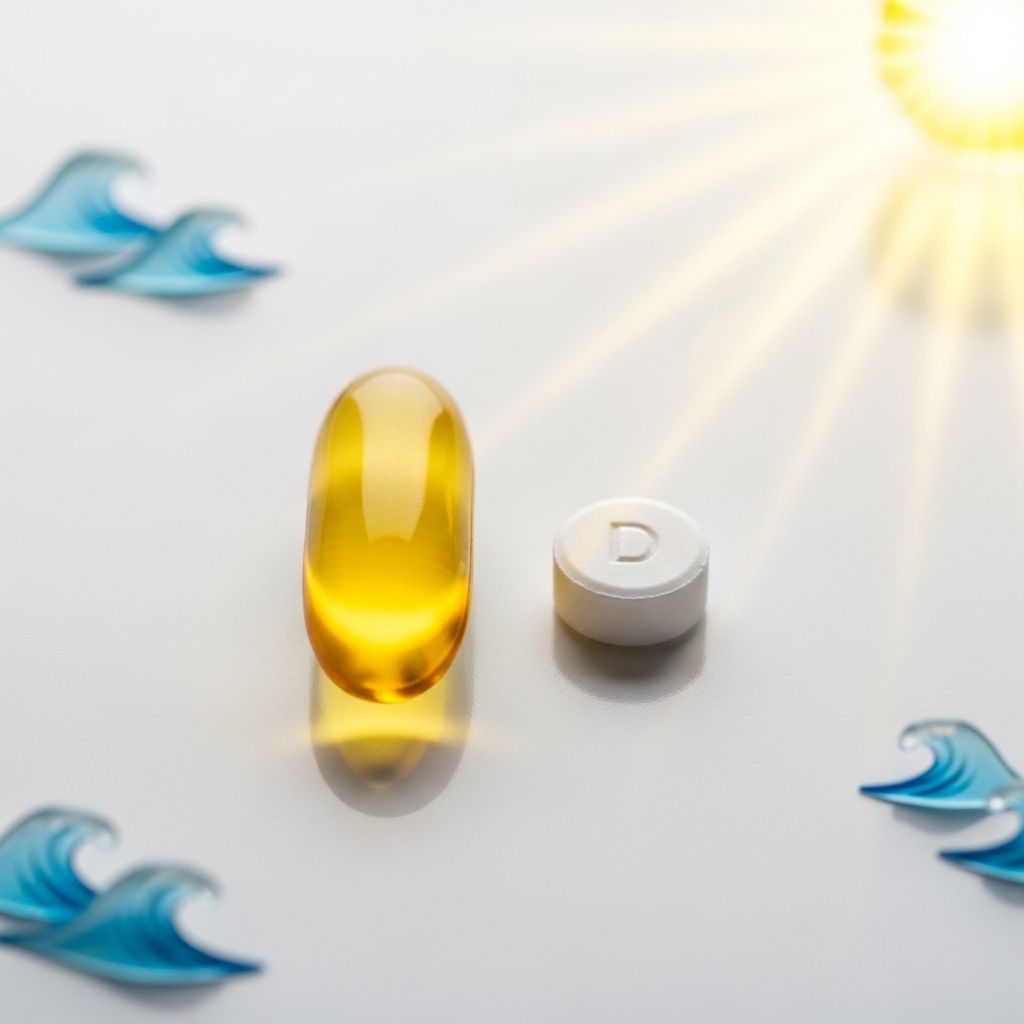
Fish Oil and Vitamin D Supplements: Separating Fact from Hype
For decades, health-conscious individuals have turned to dietary supplements in hopes of preventing serious illnesses like heart disease, stroke, and cancer. Among the most popular choices are fish oil supplements, which contain omega-3 fatty acids, and vitamin D supplements. But do these widely available and heavily marketed supplements actually deliver on their promises? Recent large-scale clinical research provides compelling evidence that while neither supplement is a miracle cure, each offers specific, meaningful health benefits worth understanding.
The question of whether high-dose vitamin D and omega-3 fatty acids from fish oil can meaningfully reduce disease risk remained largely unanswered until recently. While smaller studies offered hints of potential benefits, no large-scale randomized clinical trial of a general population—particularly a racially diverse one—had definitively addressed these questions. That changed with the VITamin D and OmegA-3 TriaL (VITAL), a groundbreaking study conducted by researchers at Harvard Medical School and Brigham and Women’s Hospital.
The VITAL Study: A Comprehensive Investigation
The VITAL study represents one of the most rigorous examinations of supplement efficacy ever conducted. Researchers followed 25,875 men and women across the United States over 5.3 years, investigating whether daily supplementation with vitamin D (2,000 IU) or omega-3 fatty acids (1 gram) could reduce the risk of cardiovascular disease and cancer in people without a prior history of these conditions. This massive, placebo-controlled trial provided the scientific community with unprecedented clarity about supplement benefits and limitations.
The study’s design was particularly noteworthy for its inclusion of a racially diverse population and its examination of multiple health outcomes. Researchers compared participants who received active supplements with those who received placebo, monitoring outcomes over the full course of treatment and examining various subgroups to identify which populations might benefit most from supplementation.
Omega-3 Fish Oil: Heart Protection Confirmed
The VITAL study delivered clear evidence supporting the cardiovascular benefits of omega-3 fish oil supplements, though with an important caveat: the benefits are most pronounced in specific populations. Researchers found that omega-3 fatty acid supplements produced a significant 28 percent reduction in heart attack risk among participants taking the supplements compared to those on placebo. This finding translated to real numbers: 145 cases of heart attack occurred in the omega-3 group compared to 200 in the placebo group after a median of five years.
Most notably, the protective effect was substantially stronger in people who consumed less fish in their regular diet. Among participants with lower fish intake (less than 1.5 servings per week), omega-3 supplementation reduced heart attack risk by an impressive 40 percent. This finding suggests that fish oil supplements may be particularly valuable for individuals who don’t regularly consume fatty fish like salmon, sardines, and mackerel.
However, the study also found that omega-3 supplements did not significantly reduce overall major adverse cardiovascular events, which combine heart attacks, strokes, and cardiovascular deaths. After five years, 386 participants in the omega-3 group and 419 in the placebo group experienced a major adverse cardiovascular event—a difference that was not statistically significant. Additionally, omega-3 supplementation showed no protective effect against stroke or cancer development.
Related Stories



Why Fish Intake Matters
The stronger protective effect seen in people with lower fish intake reveals an important principle: supplements work best when they address a deficiency. A striking 68 percent of American adults have circulating omega-3 levels below those recommended by the Dietary Guidelines for Americans, and the benefit of omega-3 supplementation on slowing biological aging was more pronounced in participants with lower baseline omega-3 levels. For these individuals, supplementation can meaningfully increase their omega-3 levels and provide cardiovascular protection.
Vitamin D: Cancer Protection with a Time Factor
While vitamin D did not significantly affect heart attack, stroke, or initial cancer incidence rates in the VITAL study, it produced one striking finding: a decrease in cancer deaths that began to emerge one to two years after participants started treatment. This delayed protective effect against cancer mortality suggests that vitamin D’s benefits may take time to manifest and may operate through different mechanisms than those affecting cardiovascular events.
During the study period, 1,617 participants were diagnosed with cancer overall, with 793 in the vitamin D group and 824 in the placebo group—a non-significant difference in cancer incidence. However, when researchers examined cancer death rates separately, they found that vitamin D supplementation was associated with reduced mortality from cancer, a finding with substantial potential public health implications if confirmed in additional studies.
Why Vitamin D Deficiency is Widespread
Understanding vitamin D’s potential benefits requires recognizing how common deficiency is. According to the National Institute of Health, approximately one in four people have low vitamin D levels. This widespread deficiency occurs despite vitamin D being an essential nutrient for bone, muscle, nervous system, and immune system health. While the body produces vitamin D when skin is exposed to sunlight, many people—particularly those in northern climates, those who spend limited time outdoors, or those with darker skin tones—cannot produce adequate vitamin D through sun exposure alone.
Safety Profile: Both Supplements Are Well-Tolerated
An important finding from VITAL was the excellent safety profile of both supplements. No serious side effects were observed with either omega-3 fish oil or vitamin D supplementation, including bleeding, high calcium levels, or gastrointestinal symptoms. This safety data is reassuring for individuals considering long-term supplementation and distinguishes these supplements from many medications that carry significant side effect risks.
The Additive Benefits: Combining Supplements with Lifestyle
While the VITAL study found that the two supplements did not interact with each other or produce synergistic effects, other research suggests that combining omega-3 and vitamin D supplementation with lifestyle modifications can produce remarkable benefits. A Harvard-led study examining biological aging found that when omega-3 supplementation (1 gram daily) was combined with vitamin D (2,000 IU daily) and strength training exercise (30 minutes three times per week), participants experienced additive reductions in biological aging.
The implications are substantial: participants using all three interventions together showed a combined effect that was greater than any single intervention alone. More provocatively, the combination of omega-3s, vitamin D, and exercise reduced vulnerability to premature death by 39 percent and decreased cancer risk by 61 percent—findings that suggest the power of combining nutritional and behavioral interventions.
Recommended Dosages and Dietary Sources
For individuals considering supplementation, understanding recommended dosages is essential. The American Heart Association recommends 1 gram per day of omega-3 fatty acids (containing EPA and DHA) for people with cardiovascular disease. For the general population, guidelines suggest consuming 1 to 1.6 grams of omega-3s daily, equivalent to two servings of fish per week (3 to 4 ounces per serving). The VITAL study used 2,000 IU of vitamin D daily, a dose higher than the 600 to 800 IU currently recommended by many guidelines.
However, supplementation should not completely replace dietary sources. Fatty fish like salmon, mackerel, and sardines provide both omega-3 fatty acids and vitamin D naturally. The Mediterranean diet, widely considered the world’s healthiest eating pattern, emphasizes these fatty fish and appears to reduce all-cause mortality partly through these nutrients.
Who Might Benefit Most from Supplementation
Based on available evidence, certain populations may benefit particularly from fish oil and vitamin D supplementation:
Fish Oil Supplements May Be Most Beneficial For:
– Individuals who consume less than 1.5 servings of fatty fish per week- Those with low baseline omega-3 levels- People with existing cardiovascular disease risk factors- Individuals unable or unwilling to eat fish regularly- Vegans and vegetarians who do not consume marine sources of omega-3s
Vitamin D Supplements May Be Most Beneficial For:
– People living in geographic regions with limited sunlight exposure- Individuals with darker skin tones who produce less vitamin D from sun exposure- Those who spend limited time outdoors- People with malabsorption conditions affecting vitamin D metabolism- Older adults with increased cancer risk
The Bottom Line: Evidence-Based Supplementation
The VITAL study and subsequent research provide evidence that fish oil and vitamin D supplements offer meaningful health benefits for specific populations, even if they’re not universal cure-alls. Omega-3 fish oil demonstrates clear cardiovascular protection, particularly for people with lower fish consumption. Vitamin D shows promise in reducing cancer mortality, an effect that may strengthen with longer-term follow-up. Neither supplement causes serious harm, making them reasonable options for appropriate candidates.
However, these supplements work best as part of comprehensive health strategies that include dietary improvements, regular exercise, and healthy lifestyle habits. The additive benefits seen when combining omega-3s and vitamin D with strength training demonstrate that supplementation is most effective when integrated into a broader wellness approach rather than viewed as a standalone solution.
Future Research Directions
Researchers continue to investigate additional health benefits of these supplements. The VITAL study team plans to publish findings on vitamin D and omega-3 effects on diabetes, cognitive function, autoimmune disease, respiratory infections, and depression in the coming months. These ongoing analyses may reveal additional benefits not yet captured in the primary cardiovascular and cancer analyses.
Additional vitamin D and omega-3 trials are underway worldwide. If these studies confirm VITAL’s findings, the clinical implications could be substantial. Vitamin D supplementation at 2,000 IU daily might become a standard recommendation for cardiovascular disease and cancer prevention, similar to folic acid supplementation during pregnancy. Population-level dietary strategies and food fortification policies could change based on robust evidence of supplement benefits.
Frequently Asked Questions
Q: Are fish oil supplements safe to take long-term?
A: Yes. The VITAL study found no serious side effects from five years of omega-3 supplementation, including no increased bleeding, gastrointestinal issues, or other complications. Fish oil supplements are generally well-tolerated for long-term use, though individuals taking blood thinners should consult their healthcare provider.
Q: Can I get enough omega-3s from fish instead of supplements?
A: Yes, if you eat enough fatty fish. Two servings of fatty fish per week (3 to 4 ounces per serving) provides recommended omega-3 levels. However, since 68 percent of American adults have inadequate omega-3 levels, many people benefit from supplementation.
Q: How long does it take for vitamin D supplements to work?
A: The VITAL study found that vitamin D’s protective effect against cancer mortality emerged one to two years after starting supplementation. This delayed benefit suggests vitamin D works through slow-acting biological mechanisms rather than providing immediate protection.
Q: Should I take both omega-3 and vitamin D supplements?
A: The two supplements do not interact negatively and may offer complementary benefits. However, the decision should be based on individual risk factors, dietary patterns, and sun exposure. Consulting a healthcare provider can help determine which supplements are appropriate for your specific situation.
Q: What dose of vitamin D should I take?
A: The VITAL study used 2,000 IU daily, which is higher than traditional recommendations of 600-800 IU. Current guidelines are evolving based on emerging evidence. Your healthcare provider can recommend an appropriate dose based on your baseline vitamin D levels and health status.
Q: Do fish oil and vitamin D supplements help prevent cancer?
A: Fish oil did not reduce cancer incidence in VITAL. Vitamin D did not affect initial cancer occurrence but was associated with reduced cancer deaths after one to two years. When combined with exercise and other lifestyle factors, the combination may reduce cancer risk by up to 61 percent.
References
- VITamin D and OmegA-3 TriaL (VITAL) — Brigham and Women’s Hospital & Harvard Medical School. 2024. https://www.brighamandwomens.org/medicine/endocrinology-diabetes-and-hypertension/advances-newsletters/vitamin-d-and-omega-3-vital-clinical-trial
- Harvard Study Reveals that Omega-3s, Vitamin D, and Exercise Additively Slow Biological Aging — National Academy of Distinguished Advisors. 2024. https://www.nad.com/news/harvard-study-reveals-that-omega-3s-vitamin-d-and-exercise-additively-slow-biological-aging
- Omega-3s for Heart Health: Exploring Potential Benefits and Risks — National Heart, Lung, and Blood Institute (NHLBI). 2024. https://www.nhlbi.nih.gov/news/2024/omega-3s-heart-health-exploring-potential-benefits-and-risks
Similar Articles








Read full bio of medha deb