Fish Oil Vs Omega-3: Complete Guide To Benefits & Sources
Unraveling the differences between fish oil supplements and omega-3 fatty acids for optimal health benefits.
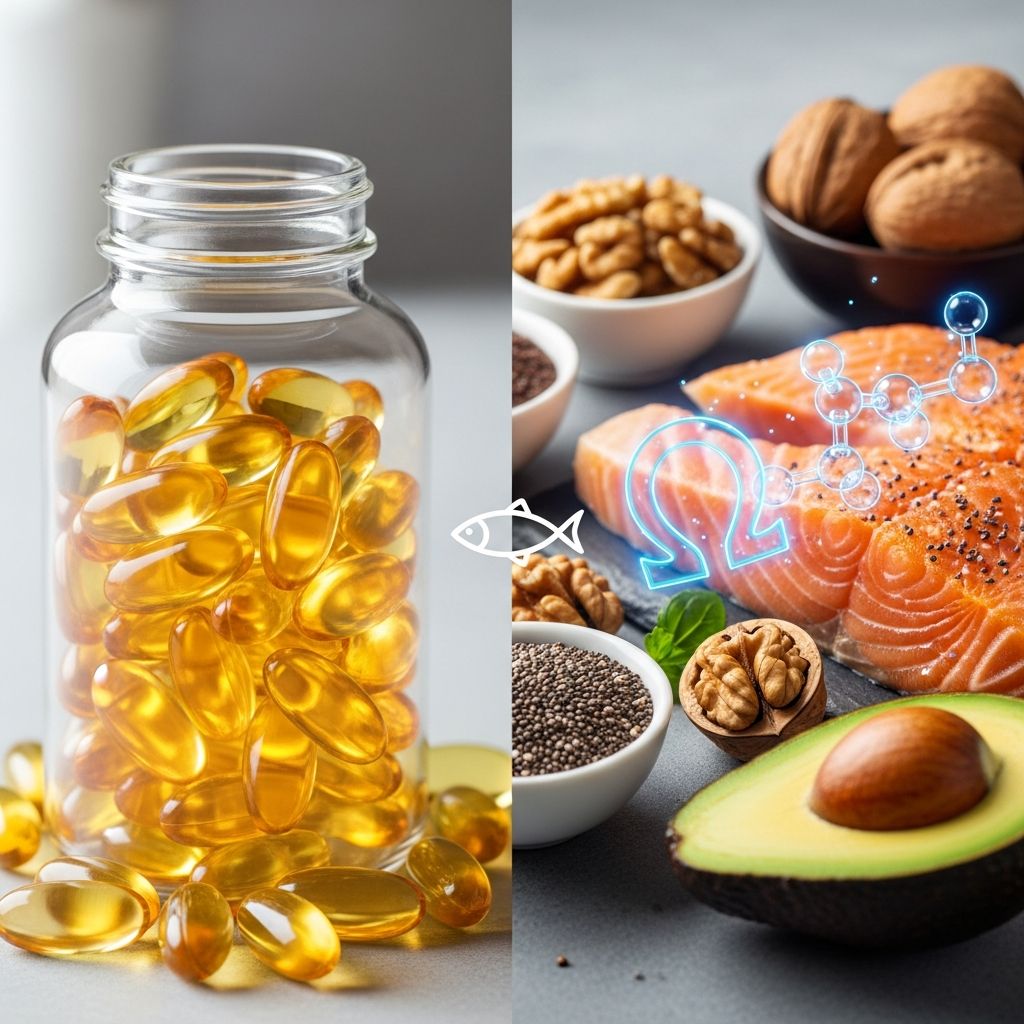
Fish oil and omega-3 fatty acids are frequently confused, but they serve distinct roles in nutrition. Fish oil is a dietary supplement extracted from fatty fish tissues, while omega-3s are the essential polyunsaturated fatty acids—primarily EPA (eicosapentaenoic acid) and DHA (docosahexaenoic acid)—that provide health benefits. All fish oil contains omega-3s, but not all omega-3 sources are fish oil, such as algal or plant-based options.
This article breaks down their differences, sources, benefits, and practical advice for supplementation to help you make informed choices for heart health, inflammation reduction, and more.
What Are Omega-3 Fatty Acids?
Omega-3 fatty acids are essential fats the body cannot produce on its own, requiring dietary intake. The three main types are:
- ALA (alpha-linolenic acid): Found in plant sources like flaxseeds, chia seeds, and walnuts. The body converts ALA to EPA and DHA inefficiently (only 5-10% conversion rate), making it less optimal for those needing higher EPA/DHA levels.
- EPA: Supports heart health, reduces inflammation, and aids mental well-being.
- DHA: Crucial for brain development, eye health, and cognitive function, especially in infants and pregnant individuals.
Omega-3s play vital roles in cell membrane structure, reducing inflammation, and supporting cardiovascular function. The FDA notes supportive evidence that EPA and DHA may reduce coronary heart disease risk when consumed from fatty fish or supplements.
What Is Fish Oil?
Fish oil is derived from the tissues of oily fish like salmon, mackerel, sardines, and anchovies. It is rich in EPA and DHA, the bioactive forms of omega-3s most easily used by the body. Unlike plant-based ALA, fish oil provides pre-formed EPA and DHA, bypassing inefficient conversion processes.
Fish oil supplements are processed into softgels or liquids, often concentrated for higher potency. They may include other fats but are valued primarily for their omega-3 content.
Fish Oil vs. Omega-3: Key Differences
The core distinction: Omega-3 is the nutrient; fish oil is a source. Here’s a comparison:
| Aspect | Fish Oil | Omega-3 Fatty Acids |
|---|---|---|
| Definition | Supplement from fish tissues | Essential polyunsaturated fats (EPA, DHA, ALA) |
| Sources | Fatty fish, supplements | Fish, algae, plants, krill |
| Forms | Typically TG or EE | TG, PL, FFA, ALA |
| Bioavailability | High for EPA/DHA | Varies; fish/algal best for EPA/DHA |
| Contaminants | Possible mercury (purified versions minimize) | Lower in algal oil |
Fish oil delivers omega-3s efficiently, but alternatives like algal oil offer vegan EPA/DHA without marine contaminants.
Types of Omega-3 Supplements
Beyond standard fish oil, several forms exist:
- Fish Liver Oil (e.g., Cod Liver Oil): Lower EPA/DHA but high in vitamins A and D, which protect against oxidation.
- Krill Oil: Omega-3s in phospholipid (PL) form for superior absorption; also contains astaxanthin antioxidant.
- Algal Oil: Plant-based DHA/EPA from microalgae, ideal for vegans and those avoiding fish contaminants.
Related Stories



Forms include natural triglycerides (TG, best absorbed), ethyl esters (EE, more concentrated but less bioavailable), phospholipids (PL, from krill), and free fatty acids (FFA, oxidation-prone).
Health Benefits of Omega-3s and Fish Oil
Omega-3s from fish oil support multiple systems, backed by research:
- Heart Health: Lowers triglycerides, blood pressure, and arrhythmia risk; slows plaque growth. Mayo Clinic reports significant triglyceride reduction and modest HDL improvement.
- Inflammation and Arthritis: Reduces joint pain, stiffness in rheumatoid arthritis; combats chronic inflammation.
- Brain and Mental Health: DHA supports cognitive function, brain development; may aid depression and mental function.
- Eye and Muscle Recovery: Protects retinal health; aids post-exercise recovery by curbing inflammation.
The NIH notes omega-3s from fish may reduce cardiac deaths and inflammatory diseases like rheumatoid arthritis.
How to Choose the Right Supplement
Select based on source, potency, purity:
- Total EPA + DHA: Aim for 250-500mg daily; higher (1-4g) for triglycerides under medical supervision.
- Form: Prefer TG over EE for absorption.
- Purity: Third-party tested for mercury, PCBs; look for IFOS 5-star rating.
- Sustainability: Wild-caught, molecularly distilled fish.
Enzymes like lipase in some formulas enhance digestion, reducing fishy burps.
Fish Oil vs. Eating Fish
Eating fatty fish 2x/week provides natural omega-3s plus protein and nutrients. Supplements bridge gaps for non-fish eaters but may not match whole food synergy. Krill oil shows better absorption in some studies.
Potential Side Effects and Precautions
Common issues: fishy aftertaste, GI upset, bleeding risk at high doses. Avoid if allergic to fish/shellfish. Consult a doctor if pregnant, on blood thinners, or pre-surgery.
Frequently Asked Questions (FAQs)
Are fish oil and omega-3 the same?
No. Fish oil is a source containing omega-3s (EPA/DHA); omega-3s are the active nutrients from various sources.
Which is better: fish oil or algal oil?
Fish oil for cost-effective EPA/DHA; algal for vegans and contaminant-free option.
Can omega-3s lower cholesterol?
They reduce triglycerides significantly and slightly boost HDL, per Mayo Clinic, but may mildly raise LDL.
How much fish oil should I take daily?
250-500mg EPA/DHA for general health; higher doses per doctor advice.
Is krill oil better than fish oil?
Krill’s PL form may absorb better, but both effective; choose based on needs.
References
- Fish Oil Vs. Omega-3: What’s the Difference? — iHerb Wellness Hub. 2023. https://www.iherb.com/blog/fish-oil-vs-omega-3/1595
- Omega-3 vs. Fish Oil: Differences and What to Look For — DaVinci Labs Blog. 2024. https://blog.davincilabs.com/blog/omega-3-vs.-fish-oil-differences-and-what-to-look-for
- Fish Oil vs. Omega-3, Explained — Nature Made Health Articles. 2024. https://www.naturemade.com/blogs/health-articles/fish-oil-vs-omega-3
- Omega-3 vs Fish Oil: The Key Differences You Should Know — Live Momentous Blog. 2024. https://www.livemomentous.com/blogs/all/omega-3-vs-fish-oil
- Fish oil and omega-3 fatty acids — PMC/NIH. 2007-11-19. https://pmc.ncbi.nlm.nih.gov/articles/PMC2174990/
- Fish Oil vs. Eating Fish: Which Has Better Benefits? — GoodRx. 2024. https://www.goodrx.com/well-being/diet-nutrition/fish-oil-vs-eating-fish
- Fish oil — Mayo Clinic. 2024. https://www.mayoclinic.org/drugs-supplements-fish-oil/art-20364810
Similar Articles








Read full bio of medha deb