Fish Poisoning: Causes, Symptoms, and Treatment
Learn about the different types of fish poisoning, their symptoms, and how to prevent and treat them.
What Is Fish Poisoning?
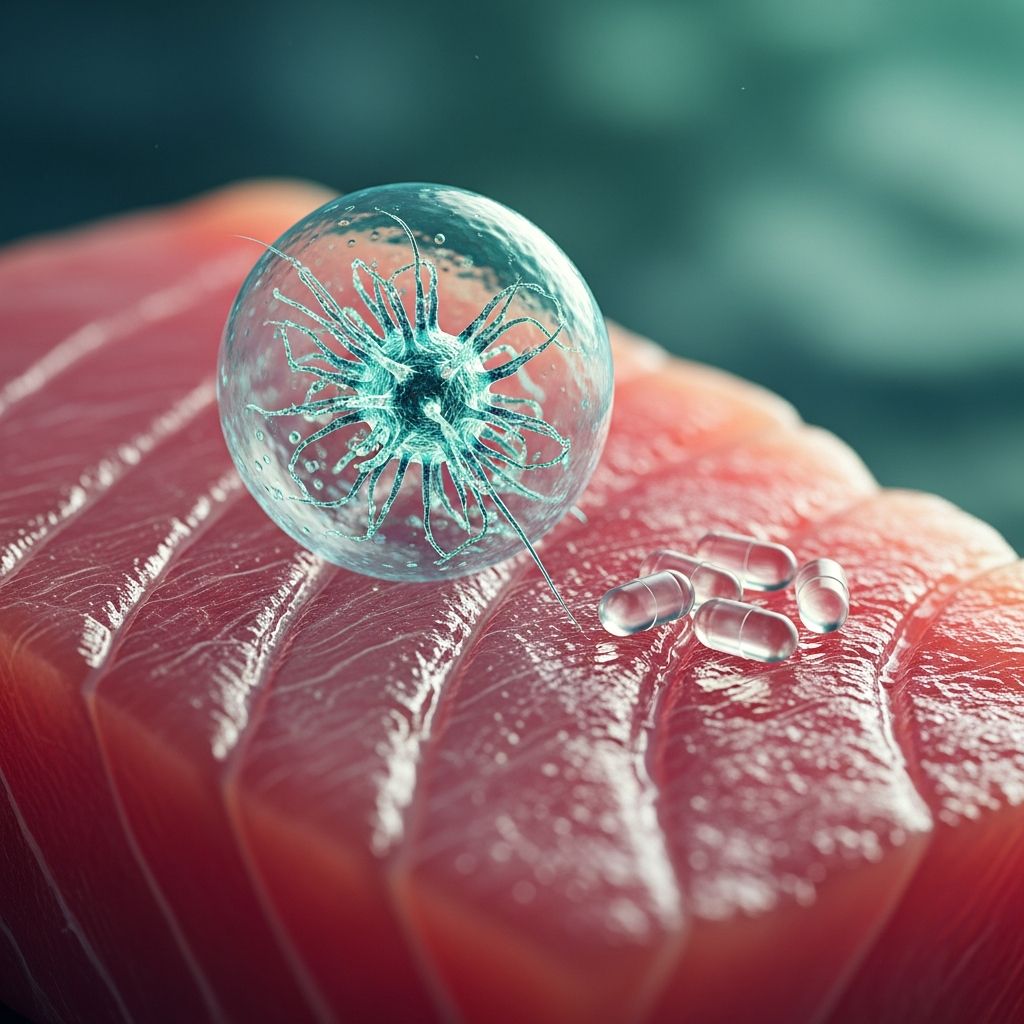
Fish poisoning refers to a group of illnesses caused by consuming contaminated seafood. These illnesses can result from toxins produced by marine organisms, bacteria, or improper food handling. The most common types of fish poisoning include ciguatera poisoning, scombroid poisoning, and various forms of shellfish poisoning. Each type has distinct causes, symptoms, and treatment approaches.
Types of Fish Poisoning
- Ciguatera Poisoning: Caused by eating reef fish contaminated with ciguatoxin, a toxin produced by microscopic algae.
- Scombroid Poisoning: Results from eating fish that has not been properly refrigerated, leading to the formation of histamine.
- Paralytic Shellfish Poisoning: Caused by consuming shellfish contaminated with saxitoxin.
- Neurotoxic Shellfish Poisoning: Caused by eating shellfish contaminated with brevetoxin.
- Amnesic Shellfish Poisoning: Caused by consuming shellfish contaminated with domoic acid.
Ciguatera Poisoning
Symptoms
Ciguatera poisoning symptoms typically appear within 6 to 24 hours after eating contaminated fish. Common symptoms include:
- Nausea and vomiting
- Watery diarrhea
- Abdominal pain
- Headache
- Numbness and tingling around the mouth, arms, and legs
- Tiredness (fatigue)
- Muscle pains
- Dizziness
- Sensations of temperature reversal (hot things feel cold and cold things feel hot)
- Irregular heart rhythms
- Low blood pressure
In severe cases, symptoms can last for weeks or even months. Some individuals may experience chronic fatigue, paresthesias, and headaches.
Causes
Ciguatera poisoning is caused by eating reef fish such as barracuda, grouper, snapper, and amberjack that have accumulated ciguatoxin. The toxin is produced by microscopic algae called dinoflagellates, which are consumed by small fish and then by larger predatory fish.
Treatment
There is no specific antidote for ciguatera poisoning. Treatment focuses on managing symptoms and preventing complications. Supportive care may include:
- IV fluid resuscitation for dehydration
- Medications to control nausea and vomiting
- Medications for pain and neurological symptoms
- Intravenous mannitol infusion, which may help reduce acute symptoms and prevent chronic neurological issues
Most people recover fully, but some may experience lingering symptoms for several months.
Scombroid Poisoning
Symptoms
Scombroid poisoning symptoms usually occur within minutes to several hours after eating contaminated fish. Common symptoms include:
- Tingling and burning sensations around the mouth
- Facial flushing
- Sweating
- Nausea and vomiting
- Headache
- Palpitations
- Dizziness
- Rash
- Peppery or metallic taste in the mouth
In severe cases, symptoms may include breathing difficulties, chest tightness, and a drop in blood pressure.
Causes
Scombroid poisoning is caused by eating fish that has not been properly refrigerated, leading to the formation of histamine. Fish commonly associated with scombroid poisoning include tuna, mackerel, mahi-mahi, and sardines.
Treatment
Scombroid poisoning is rarely life-threatening and symptoms often resolve within 12 to 48 hours. Treatment may include:
Related Stories



- Antihistamines (e.g., diphenhydramine, cimetidine)
- Medications to control nausea and vomiting
- Supportive care for severe allergic reactions
Shellfish Poisoning
Paralytic Shellfish Poisoning
Paralytic shellfish poisoning is caused by consuming shellfish contaminated with saxitoxin. Symptoms typically appear within 30 minutes of eating contaminated seafood and may include:
- Numbness or tingling in the mouth
- Abdominal cramps
- Diarrhea
- Nausea and vomiting
- Strange sensations (e.g., feeling that teeth are loose)
- Confusing hot and cold temperatures
- Headache
- Low heart rate and low blood pressure (in severe cases)
- Metallic taste in the mouth
Symptoms may worsen if alcohol is consumed with the meal.
Neurotoxic Shellfish Poisoning
Neurotoxic shellfish poisoning is caused by eating shellfish contaminated with brevetoxin. Symptoms are similar to ciguatera poisoning and may include:
- Nausea, vomiting, and diarrhea
- Numbness or tingling in the mouth
- Headache
- Dizziness
- Hot and cold temperature reversal
Amnesic Shellfish Poisoning
Amnesic shellfish poisoning is caused by consuming shellfish contaminated with domoic acid. Symptoms begin with nausea, vomiting, and diarrhea, followed by short-term memory loss and other nervous system symptoms.
Prevention of Fish Poisoning
- Buy seafood from reputable sources.
- Store seafood at proper temperatures to prevent bacterial growth.
- Cook seafood thoroughly.
- Avoid eating reef fish from areas known for ciguatera poisoning.
- Be cautious when consuming shellfish from areas with known algal blooms.
Diagnosis and When to Seek Medical Help
Diagnosis of fish poisoning is based on symptoms and a history of recent seafood consumption. If you experience severe symptoms such as difficulty breathing, chest pain, or neurological changes, seek medical attention immediately. Blood and urine tests, ECG, and other diagnostic tests may be performed to confirm the diagnosis and rule out other conditions.
Frequently Asked Questions (FAQs)
Q: Can fish poisoning be fatal?
A: Most cases of fish poisoning are not fatal, but severe cases can be life-threatening, especially if not treated promptly.
Q: How long do symptoms of fish poisoning last?
A: Symptoms can last from a few hours to several weeks, depending on the type of poisoning and the severity of the case.
Q: Can breastfeeding mothers pass fish poisoning to their infants?
A: Yes, some toxins can be transmitted through breast milk, so breastfeeding mothers with fish poisoning should avoid nursing until they have recovered.
Q: Are there any foods to avoid after recovering from fish poisoning?
A: Some foods can trigger a recurrence of symptoms in people who have recovered from ciguatera poisoning, so it is advisable to avoid these foods as recommended by a healthcare provider.
References
- Poisoning – Fish and Shellfish — MedlinePlus Medical Encyclopedia. 2023-08-15. https://medlineplus.gov/ency/article/002851.htm
- Scombroid Fish Poisoning — Minnesota Department of Health. 2023-05-10. https://www.health.state.mn.us/diseases/scombroid/index.html
- Fish and Shellfish Poisoning — University of Rochester Medical Center. 2023-07-01. https://www.urmc.rochester.edu/encyclopedia/content?ContentTypeID=85&ContentID=P01434
- Ciguatera Fish Poisoning: Treatment, Prevention and Management — PMC. 2008-11-01. https://pmc.ncbi.nlm.nih.gov/articles/PMC2579736/
- Ciguatera: What It Is, Symptoms, Treatment & Long-term Effects — Cleveland Clinic. 2023-06-15. https://my.clevelandclinic.org/health/diseases/ciguatera
- Scombroid Fish Poisoning — California Department of Public Health. 2023-04-20. https://www.cdph.ca.gov/Programs/CID/DCDC/Pages/ScombroidFish%20Poisoning.aspx
- Ciguatera Poisoning – Harmful Algal Blooms — Woods Hole Oceanographic Institution. 2023-03-10. https://hab.whoi.edu/impacts/impacts-human-health/human-health-ciguatera-poisoning/
Similar Articles








Read full bio of medha deb