Fissured Tongue: Comprehensive Guide To Causes, Symptoms & Care
Discover causes, symptoms, diagnosis, and management of fissured tongue, a common benign condition with grooves on the tongue surface.
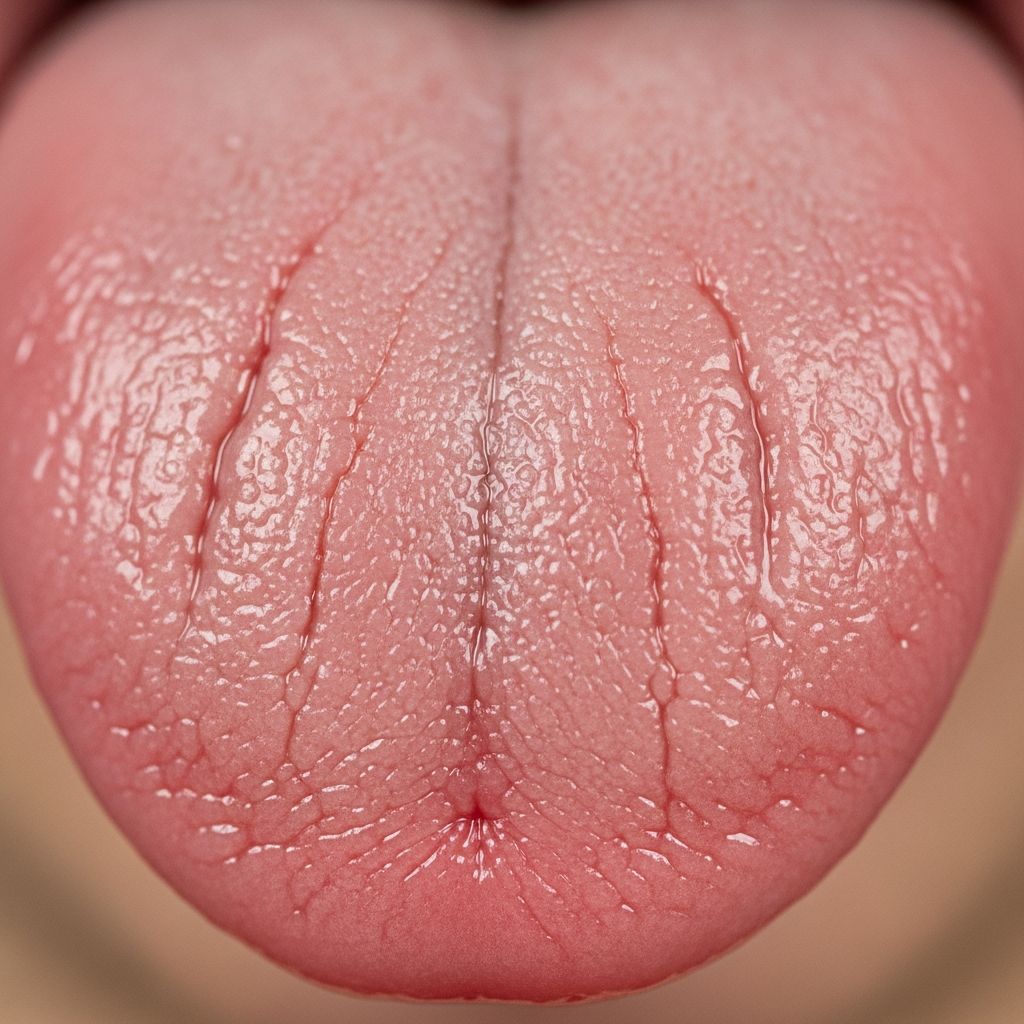
Fissured tongue is a common condition characterised by multiple grooves or fissures on the dorsal surface and sides of the tongue. These fissures may be shallow or deep, giving the dorsum of the tongue a wrinkled appearance.
What is the cause of a fissured tongue?
The cause of fissured tongue is unknown but is thought to be genetic in origin. Fissured tongue may be an inherited trait as it sometimes occurs in families. It is also associated with conditions such as:
- Geographic tongue (also called benign migratory glossitis)
- Down syndrome
- Melkersson-Rosenthal syndrome
Fissured tongue is more common as people age. Approximately 5% of the United States population has fissured tongue, with prevalence varying globally from 0.6% in South Africa to 30.6% in Israel, suggesting genetic factors.
Who gets fissured tongue?
Fissured tongue affects approximately 5% of Americans. It is more common in males and the prevalence increases with age. It can occur at any age but becomes more pronounced in older individuals. Males are more likely than females to develop it.
What are the clinical features of fissured tongue?
On examination, deep grooves are seen on the dorsal and sometimes lateral aspects of the tongue. The most prominent groove is in the centre (median sulcus) and extends laterally in a branching pattern. The grooves may be shallow or deep and vary in size and depth between individuals.
The tongue appears wrinkled or furrowed, sometimes likened to a cerebriform or scrotal appearance. Fissures can make the tongue look like distinct sections. In some cases, it coexists with geographic tongue, featuring smooth red patches without papillae.
How is fissured tongue diagnosed?
Fissured tongue is diagnosed clinically based on the characteristic appearance of multiple grooves on the tongue surface. No investigations are usually required. Differential diagnoses include:
- Geographic tongue
- Candidiasis
- Median rhomboid glossitis
- Black hairy tongue
- Oral psoriasis
- Nutritional deficiencies
If associated symptoms like burning sensation occur, tests for vitamin deficiencies (B2, B12, folic acid, iron, zinc) or candidal infection may be needed.
What is the treatment for fissured tongue?
No treatment is required for asymptomatic fissured tongue. Good oral hygiene is important to prevent accumulation of food debris, which can lead to:
- Bad breath (halitosis)
- Tooth decay
- Periodontal disease
- Localised bacterial or candidal infection
Patients should:
- Brush the tongue surface gently twice daily
- Use a tongue scraper if tolerated
- Avoid spicy/acidic foods if irritation occurs
- Maintain regular dental visits
In cases of deep fissures with candidal overgrowth, topical antifungals like clotrimazole are used. Nutritional supplements address deficiencies causing burning sensations.
What is the outcome for fissured tongue?
Fissured tongue is benign and does not cause symptoms in most people. Fissures may deepen with age but rarely cause problems if oral hygiene is maintained. Complications are uncommon but include irritation from trapped debris.
Prevention of fissured tongue complications
While fissured tongue cannot be prevented, complications can be minimised through:
Related Stories



- Daily tongue brushing or scraping to remove debris
- Saltwater rinses to reduce bacteria
- Balanced diet rich in vitamins to prevent deficiencies
- Regular dental check-ups for early detection of issues
Frequently asked questions
Is fissured tongue serious?
No, fissured tongue is a harmless, benign condition that rarely causes problems. Good oral hygiene prevents minor complications like bad breath or infection.
Does fissured tongue go away?
Fissured tongue is usually permanent but asymptomatic. Fissures may become less prominent with improved nutrition in deficiency cases, but typically persist lifelong.
Can fissured tongue cause pain?
Usually painless, but trapped food or infection can cause irritation, burning, or discomfort. Associated burning tongue may link to vitamin deficiencies.
Is fissured tongue contagious?
No, it is not contagious and has a likely genetic basis.
How do you get rid of fissured tongue?
No cure needed; manage with oral hygiene. Tongue scrapers, gentle brushing, and antifungals for infections help.
What causes fissured tongue suddenly?
Often present from birth or develops gradually. Sudden prominence may relate to aging, nutritional issues, or trauma.
Table: Conditions Associated with Fissured Tongue
| Condition | Description | Key Features |
|---|---|---|
| Geographic Tongue | Benign migratory glossitis | Smooth red patches with white borders on tongue |
| Down Syndrome | Genetic disorder | Increased prevalence of fissures |
| Melkersson-Rosenthal Syndrome | Neurological condition | Facial paralysis, lip swelling |
| Pustular Psoriasis | Skin disorder | Oral involvement with fissures |
| Orofacial Granulomatosis | Inflammatory condition | Facial swelling, granulomas |
This table summarises key associations, highlighting genetic and inflammatory links.
Detailed Clinical Insights
Fissured tongue, also known as lingua plicata, scrotal tongue, or cerebriform tongue, presents with varying groove depths. Primary median fissure branches laterally, potentially trapping debris leading to halitosis or candidiasis. Prevalence studies show ethnic variations, supporting heritability.
In clinical practice, incidental discovery during exams is common. For symptomatic cases, exclude nutritional glossitis; B-complex injections and antifungals resolve secondary burning. Long-term, fissures may shallow with dietary greens, improving tongue texture.
Management Strategies
Daily Care: Gentle tongue cleaning prevents bacterial overgrowth. Avoid aggressive scraping to prevent trauma.
Dietary Tips: Include leafy greens for B vitamins, folate; address potential deficiencies proactively.
When to Seek Care: Persistent pain, white plaques, or swelling warrants dental/medical evaluation for infection or systemic links.
Patient education emphasises hygiene; most remain symptom-free lifelong.
References
- Fissured tongue: Causes and treatment — Medical News Today. 2023-08-15. https://www.medicalnewstoday.com/articles/327089
- FISSURED AND BURNING TONGUE — PMC – NIH (National Center for Biotechnology Information). 2017-07-01. https://pmc.ncbi.nlm.nih.gov/articles/PMC5531982/
- Lingua Plicata (Cracked, Fissured, Grooved Tongue) | Causes, Complications, Treatment — JJ Medicine (YouTube, educational video by medical professional). 2024-12-20. https://www.youtube.com/watch?v=Y0TNkGn6lIs
- Fissured Tongue: Causes & Treatment — Cleveland Clinic. 2024-01-01. https://my.clevelandclinic.org/health/diseases/fissured-tongue
- What Is Fissured Tongue? — Colgate (oral health authority). 2023-01-01. https://www.colgate.com/en-us/oral-health/adult-oral-care/what-is-fissured-tongue
Similar Articles








Read full bio of medha deb