Fistulas: 5 Common Types, Causes, And Treatments
Comprehensive guide to understanding fistulas, their types, causes, and treatment options.
Understanding Fistulas: A Comprehensive Overview
A fistula is an abnormal connection or tunnel that forms between two parts of your body that normally don’t connect with each other. These passageways can develop between various organs, tissues, or body cavities and may create persistent drainage or discomfort. Fistulas can range from simple to complex, depending on their location, depth, and the structures they involve. Understanding what fistulas are, why they develop, and how they’re treated is essential for anyone experiencing symptoms or seeking medical guidance.
What Is a Fistula?
A fistula is fundamentally an abnormal opening or tunnel that allows communication between two internal structures or between an internal structure and the skin surface. These connections bypass the normal anatomical pathways and can cause various complications depending on their location and severity. Most fistulas develop as a secondary condition—they don’t typically form on their own but rather develop as a result of infection, inflammation, trauma, or surgical complications. The tunnel-like structure allows fluids, waste, or other materials to flow through an unintended pathway, which can lead to drainage, infection, or other health concerns.
Common Types of Fistulas
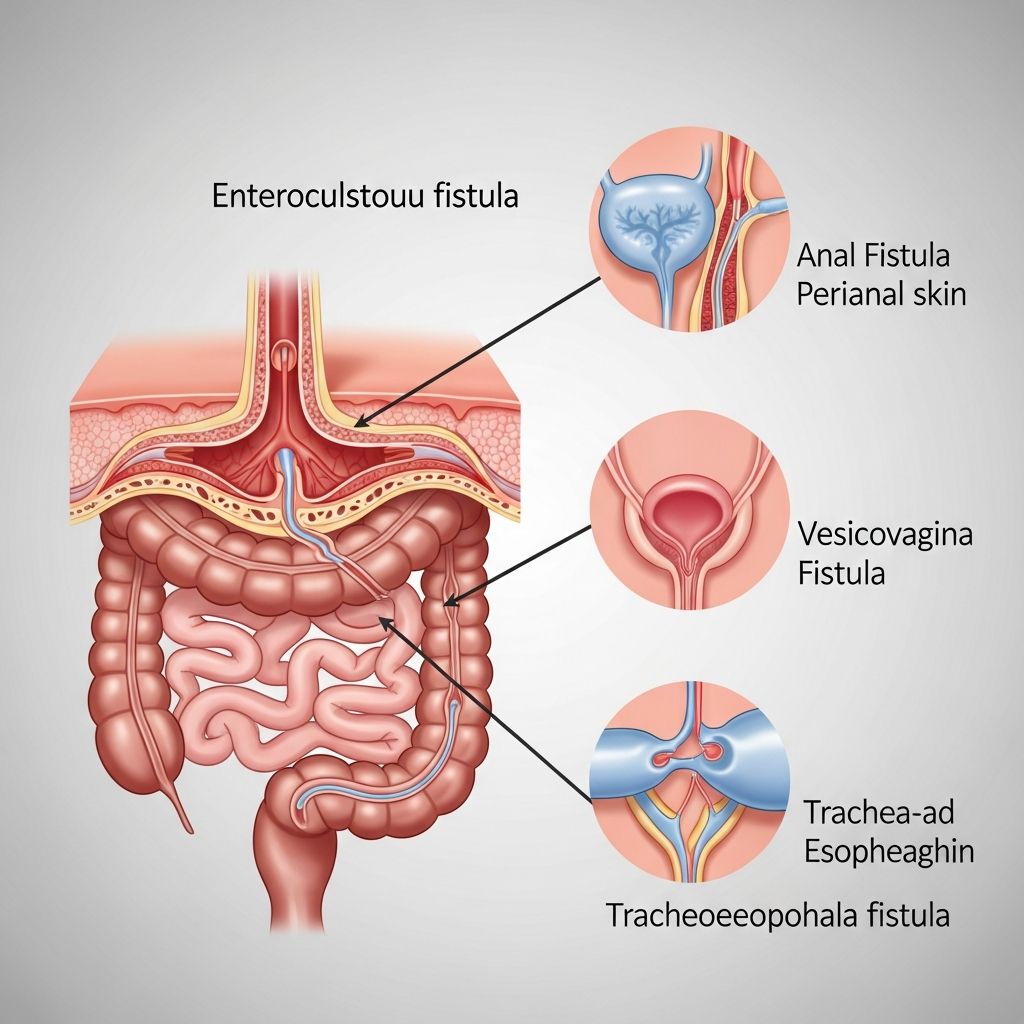
Fistulas can develop in many different parts of the body, and each type has distinct characteristics and treatment approaches. Healthcare providers classify fistulas based on their location and the structures they connect.
Anal Fistula
An anal fistula is typically a side effect of an anal abscess, which is an infected wound that drains pus from the anus. These fistulas are among the most common type and develop when an abscess ruptures or is drained, leaving behind a tunnel. Anal fistulas are classified based on their relationship to the anal sphincter muscles, which control bowel movements. Simple anal fistulas involve a minimal amount of muscle tissue and may be treated in a single surgical procedure. More complex anal fistulas may involve significant muscle tissue or multiple branches, requiring staged surgical approaches to protect bowel control and continence.
Vesicovaginal Fistula
A vesicovaginal fistula is an abnormal opening that forms between the bladder and the wall of the vagina. This type of fistula typically develops following childbirth complications, pelvic surgery, or gynecological procedures. Patients with vesicovaginal fistulas often experience involuntary urine leakage into the vagina, which can significantly impact quality of life. While some very small, newly formed fistulas may close with continuous bladder drainage using a Foley catheter for several weeks, most require surgical repair to close the opening permanently.
Rectovaginal Fistula
A rectovaginal fistula is a tunnel connecting the rectum to the vagina, allowing fecal material or gas to pass into the vaginal area. These fistulas can develop from childbirth trauma, inflammatory bowel disease, or surgical complications. They often cause significant discomfort and social distress due to symptoms of fecal incontinence and vaginal discharge.
Arteriovenous Fistula
An arteriovenous (AV) fistula is a direct connection between an artery and a vein that allows blood to flow directly from the artery to the vein, bypassing the capillary system. In many cases, surgeons intentionally create AV fistulas for patients who need hemodialysis for kidney disease. These artificial fistulas provide access for dialysis needles and improve blood flow rates necessary for effective treatment.
Dialysis Fistula
A dialysis fistula is a surgically created connection between an artery and a vein, designed specifically to facilitate hemodialysis treatment. By creating this direct connection, surgeons ensure adequate blood flow rates needed for the dialysis machine to filter waste and excess water from the blood effectively.
Related Stories



Causes of Fistula Development
Fistulas develop through various mechanisms, and understanding the underlying causes helps explain why certain populations are at higher risk. The primary causes include:
Infection and Abscess
One of the most common causes of fistula formation is infection resulting in abscess development. When an abscess ruptures or is surgically drained, it may leave behind a tunnel that becomes a fistula. This is particularly common with anal abscesses, which frequently evolve into anal fistulas if not properly managed.
Inflammatory Bowel Disease
Crohn’s disease and other inflammatory bowel conditions significantly increase the risk of fistula formation. The chronic inflammation associated with these diseases can lead to tissue breakdown and abnormal tunnel formation, particularly in the perianal region. Patients with Crohn’s disease require careful monitoring for fistula development and often need coordinated medical and surgical management.
Childbirth and Obstetric Trauma
Obstetric fistulas, particularly vesicovaginal and rectovaginal fistulas, develop as a result of prolonged labor, difficult deliveries, or surgical complications during childbirth. These injuries can result from tissue trauma sustained during the delivery process or from surgical interventions like episiotomy repair.
Surgical Complications
Fistulas may develop following various surgical procedures, including colorectal surgery, gynecological procedures, or urological interventions. Post-operative complications, anastomotic leaks, or inadequate healing can result in fistula formation.
Trauma and Injury
Severe trauma or penetrating injuries to the perineal or abdominal region can result in fistula formation as the body attempts to heal from the injury.
Radiation Therapy
Complex fistulas may develop as delayed complications of radiation therapy for cancer treatment. Radiation-induced tissue damage can lead to fistula formation months or even years after treatment completion.
Symptoms and Diagnosis
Symptoms of fistulas vary significantly depending on their type and location. Common symptoms may include persistent drainage from an opening in the skin, pain or discomfort in the affected area, recurrent infections or abscesses, and involuntary leakage of bodily fluids depending on the fistula type.
Diagnostic Approaches
Healthcare providers use various diagnostic tools to identify and characterize fistulas:
Physical Examination
A thorough physical examination, including visual inspection and palpation of the affected area, is typically the first step. For anal fistulas, a digital rectal examination helps identify the internal and external openings.
Imaging Studies
Imaging tests help visualize the fistula tract and plan appropriate treatment:
Examination Under Anesthesia
For many fistulas, examination under anesthesia provides superior visualization and characterization. A catheter can be introduced through the fistula tract with injected dye or hydrogen peroxide to delineate the internal opening, helping surgeons understand the complete anatomy of the fistula.
Endoscopy
Concomitant flexible sigmoidoscopy or colonoscopy provides important information about surrounding tissue quality, fistula size and location, and helps guide the type of repair and surgical approach. Biopsy may be performed if malignancy is suspected.
Treatment Options
Fistula treatment depends on the type, complexity, location, and underlying cause. Treatment approaches range from conservative management to surgical repair.
Conservative Management
For some fistulas, particularly very small, newly formed vesicovaginal fistulas, conservative management with continuous bladder drainage using a Foley catheter for several weeks may allow spontaneous closure. This approach works best when fistulas are small and identified early.
Seton Placement
A seton is a small suture or vessel loop placed in the fistula tract that allows the fistula to remain open for drainage while preventing abscess development. This technique helps the fistula heal over time and is often used as a bridge therapy or initial treatment for complex fistulas. A loose seton provides drainage and reduces the risk of recurrent abscess formation.
Surgical Repair
Most complex fistulas require surgical intervention. Surgical approaches vary based on fistula characteristics:
Fistulotomy
For simple fistulas, a colorectal surgeon may perform a fistulotomy, cutting through the roof of the fistula to allow it to fill in from the bottom up. Infected tissue is removed during this procedure. The surgeon carefully controls the amount of muscle tissue cut to avoid damaging bowel control.
Staged Surgical Approaches
Complex fistulas often require multiple surgeries performed in stages. Different approaches may be used, from local repairs to transperineal and transabdominal approaches. More complex fistulas, particularly those secondary to radiation, often require interposition of healthy, well-vascularized tissue. The gracilis muscle is the most commonly used flap for this purpose, with good outcomes reported.
Medical Management
For fistulas related to inflammatory bowel disease, controlling the underlying inflammation is essential. Patients may require medical therapy to induce remission of their IBD prior to any surgical repair, as this significantly improves healing outcomes.
Recovery and Self-Care
Most fistula procedures are outpatient procedures, allowing you to return home the same day, although some patients may need to return for additional surgery later. Post-operative care typically includes:
– Prescription pain medication to manage discomfort- Specific instructions for wound care and hygiene- Guidance on activity restrictions during healing- Dietary recommendations to promote healing and prevent complications- Follow-up appointments to monitor healing progress
Risk Factors and Prevention
While not all fistulas can be prevented, understanding risk factors may help reduce your risk. Risk factors include inflammatory bowel disease, recurrent anal infections or abscesses, prolonged labor during childbirth, and history of pelvic or rectal surgery. Proper management of underlying conditions, careful surgical technique during procedures, and prompt treatment of infections and abscesses may help prevent fistula development in some cases.
When to See a Healthcare Provider
You should seek medical attention if you experience persistent drainage from an opening in the skin, recurrent infections in the perianal region, unexplained pain or discomfort, involuntary leakage of urine or stool, or signs of infection including fever, increased pain, or spreading redness. Early diagnosis and treatment can prevent complications and improve outcomes.
Frequently Asked Questions
Q: How long does it take for a fistula to heal after surgery?
A: Healing time varies depending on fistula complexity, surgical approach, and individual healing factors. Simple fistulas may heal within 4-6 weeks, while complex fistulas requiring staged procedures may take several months.
Q: Can a fistula close on its own?
A: Some very small, newly formed fistulas may close spontaneously with conservative management and continuous drainage. However, most fistulas require surgical intervention to close permanently.
Q: What complications can occur if a fistula is left untreated?
A: Untreated fistulas can lead to recurrent infections, chronic drainage, abscess formation, spread of infection to surrounding tissues, and in some cases, malignancy.
Q: Will I lose bowel control after fistula surgery?
A: Surgeons take great care to preserve sphincter function during fistula surgery. Simple fistulas pose minimal risk to continence, while complex fistulas may require careful surgical planning to minimize muscle damage.
Q: Can fistulas recur after treatment?
A: While recurrence rates vary by fistula type and treatment approach, proper surgical technique and management of underlying conditions significantly reduce recurrence risk.
References
- Anal Fistula: What It Is, Symptoms, Treatment & Surgery — Cleveland Clinic. 2024. https://my.clevelandclinic.org/health/diseases/14466-anal-fistula
- Management of Complex Perineal Fistula Disease — National Institutes of Health, National Center for Biotechnology Information. 2015. https://pmc.ncbi.nlm.nih.gov/articles/PMC4882183/
- Vesicovaginal Fistula (VVF): Symptoms, Causes & Treatment — Cleveland Clinic. 2024. https://my.clevelandclinic.org/health/diseases/16442-vesicovaginal-fistula
- Arteriovenous (AV) Fistula: Types, Symptoms & Causes — Cleveland Clinic. 2024. https://my.clevelandclinic.org/health/diseases/23450-arteriovenous-fistula
- Dialysis Fistula: Purpose, Procedure, Risks & Results — Cleveland Clinic. 2024. https://my.clevelandclinic.org/health/procedures/dialysis-fistula
- Mesenchymal Stem Cells for the Treatment of Perianal Fistulizing Crohn’s Disease — Cleveland Clinic Center for Regenerative Medicine and Surgery. 2024. https://my.clevelandclinic.org/center-regenerative-medicine-surgery
Similar Articles








Read full bio of Sneha Tete