Fitness And Eczema: 5 Skin-Friendly Exercises To Try
Discover how to stay active with eczema without triggering flare-ups through smart strategies and skin-friendly routines.
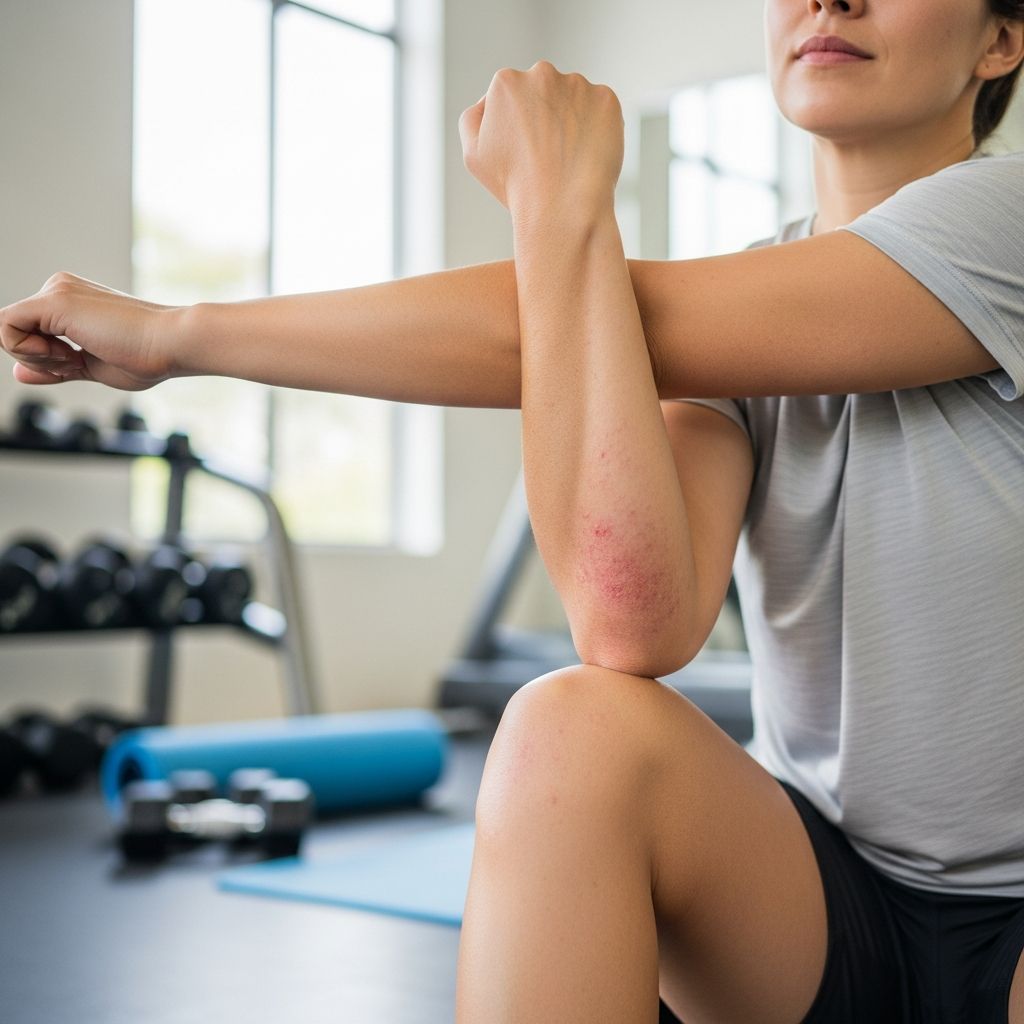
Physical activity offers numerous health advantages, including stronger cardiovascular function, improved mood, and enhanced immune response, which can indirectly benefit those managing eczema. However, for individuals with this chronic skin condition, exercise can sometimes provoke irritation due to factors like perspiration and temperature shifts. This guide outlines strategies to harness exercise benefits while minimizing risks, drawing from dermatological insights and patient experiences.
Why Physical Activity Matters for Eczema Management
Regular movement supports overall well-being, which is crucial for eczema sufferers. It reduces stress levels—a known flare-up trigger—by elevating endorphins and promoting better sleep. Studies indicate that sedentary lifestyles among eczema patients may increase risks for obesity and cardiovascular issues, underscoring the need for adapted fitness routines.
- Cardiovascular health: Activities like walking strengthen the heart without excessive strain.
- Mental boost: Exercise combats depression often linked to chronic skin conditions.
- Immune support: Moderate activity enhances circulation, aiding skin repair processes.
Despite these positives, 97% of surveyed eczema patients report sweating intensifies itching, highlighting the importance of tailored approaches.
Challenges Posed by Exercise to Sensitive Skin
Sweat, with its salt and acidity, disrupts the already compromised skin barrier in eczema, leading to dehydration and heightened sensitivity. Vigorous efforts, defined as over three metabolic equivalents (METs)—such as running—often exacerbate symptoms through profuse perspiration and friction from clothing.
| Factor | Impact on Eczema | Management Tip |
|---|---|---|
| Vigorous Exercise (>3 METs) | Aggravates itching and redness | Opt for low-intensity alternatives |
| Sweat | Dries and irritates skin | Shower promptly post-workout |
| Heat | Increases flare risk | Exercise in cool environments |
| Cold Air | May dry skin | Wear breathable layers |
| Pollutants | Triggers inflammation | Indoor workouts during high pollution |
Environmental elements like heat, cold, or urban pollution compound issues, particularly outdoors. For instance, warmer conditions amplify sweating, while chlorine in pools can sensitize skin for some.
Choosing Skin-Friendly Exercise Options
Low-intensity activities under three METs, like leisurely walking or gardening, pose minimal risk and may even correlate with fewer eczema incidences in regular practitioners.
Top Low-Impact Recommendations
- Walking: Adjustable pace, accessible anywhere, cools the body naturally.
- Yoga or Pilates: Builds strength and flexibility with controlled breathing to manage heat buildup.
- Swimming: Keeps skin cool; test pools first for chemical tolerance and apply barrier creams beforehand.
- Cycling: Steady cardio; use fans indoors to mimic breeze.
- Tai Chi: Gentle movements reduce stress without heavy perspiration.
For children, team sports require extra prep like moisture-wicking fabrics to avert rubbing in areas like thighs.
Pre-Workout Skin Preparation Essentials
Shielding the skin starts before activity. Apply a thick, fragrance-free emollient 15-30 minutes prior to create a protective layer against moisture loss and irritants.
Related Stories



- Choose cotton or bamboo fabrics over synthetics to reduce friction.
- Hydrate internally; carry water for longer sessions.
- For outdoor plans, check weather and pollution forecasts.
- During flares, scale back to restorative poses only.
Avoid tight spandex if it chafes; loose layers promote airflow.
Post-Exercise Recovery Routine
Immediate care prevents prolonged irritation. Rinse off sweat with lukewarm water within 10 minutes, using a gentle cleanser or emollient wash, then reapply moisturizer while skin is damp.
- Avoid hot showers: They strip natural oils.
- Pat dry: No rubbing to prevent micro-tears.
- Re-moisturize liberally: Focus on creases and high-friction zones.
- Monitor skin: Pause if burning or unusual redness appears.
For swimmers, a quick freshwater rinse neutralizes chlorine effects.
Adapting Routines During Flare-Ups
When symptoms peak, prioritize recovery. Substitute high-energy workouts with stretching or meditation. Gradually reintroduce intensity as skin stabilizes, tracking responses in a journal for patterns.
Severity varies; mild cases tolerate more vigor, while severe ones benefit from consistent low-impact habits.
Special Considerations for Different Groups
Children and Teens
Young athletes face social pressures alongside physical ones. Encourage breathable uniforms and post-game moisturizing to sustain participation without isolation.
Adults with Busy Schedules
Short home sessions like 20-minute yoga suffice for benefits. Fans or AC (with humidifiers) counter indoor dryness.
Long-Term Strategies for Sustainable Fitness
Build a personalized plan consulting dermatologists. Combine exercise with eczema therapies like topical treatments for synergy. Regular activity may lower overall flare frequency by bolstering resilience.
Frequently Asked Questions (FAQs)
Can swimming worsen eczema?
It cools the body but chemicals may irritate; pre-apply lotion and rinse after.
Is yoga safe during flares?
Yes, its gentle nature supports stress relief without sweat induction.
How soon after exercise should I moisturize?
Immediately post-shower, on damp skin for optimal absorption.
Does indoor vs. outdoor matter?
Indoors avoids pollutants; use ventilation to manage sweat.
Can exercise prevent eczema flares?
Indirectly via stress reduction, but precautions are key.
Embracing adapted fitness empowers eczema management, fostering vitality without compromising skin health.
References
- How Exercise Affects Sensitive Dry Skin in Eczema & Rosacea — LearnSkin. 2023. https://www.learnskin.com/articles/does-exercise-worsen-dry-skin/
- Tips for Exercising When You Have Eczema — WebMD. 2024. https://www.webmd.com/skin-problems-and-treatments/eczema/eczema-exercise-tips
- Eczema and Exercise — Allergy & Asthma Network. 2023. https://allergyasthmanetwork.org/news/eczema-and-exercise/
- Exercise and Eczema — National Eczema Society. 2024. https://eczema.org/information-and-advice/living-with-eczema/exercise-and-eczema/
- Eczema & Sports: How to Help Your Child Prevent Flare-Ups — American Academy of Pediatrics. 2023. https://www.healthychildren.org/English/health-issues/conditions/skin/Pages/sports-and-eczema-how-to-help-your-child-prevent-flare-ups.aspx
Similar Articles








Read full bio of Sneha Tete