Fitness For Seniors: Essential Guide To Safe Exercise
Discover how regular physical activity transforms health, mobility, and joy for adults over 65 with proven strategies and tips.
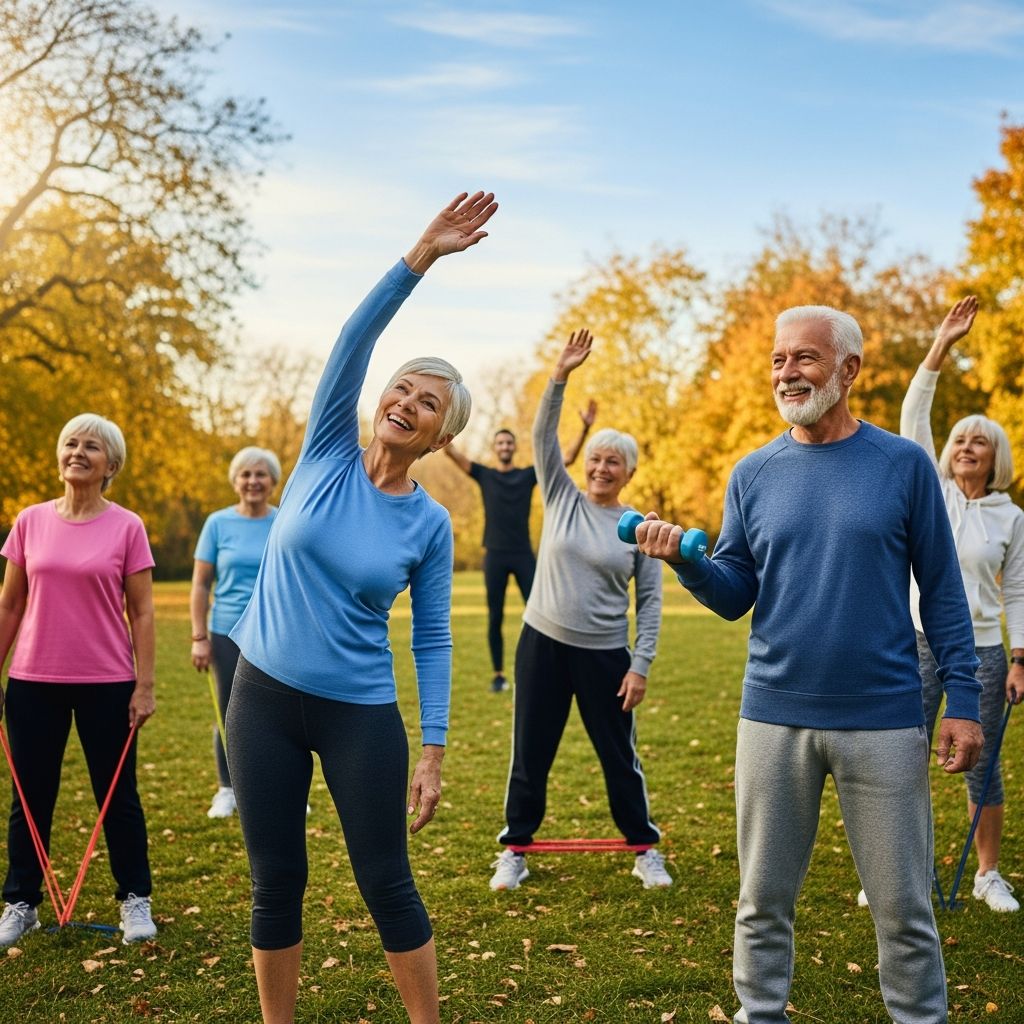
Regular physical activity stands as a cornerstone for older adults seeking to preserve vitality, independence, and overall well-being. For those aged 65 and beyond, incorporating movement into daily life yields profound benefits, from bolstering cardiovascular health to sharpening cognitive function.Exercise helps mitigate age-related declines, reducing risks of chronic diseases and enhancing quality of life, as supported by extensive health research.
Why Movement Matters: Core Advantages for Older Adults
Engaging in consistent exercise counters the natural physiological shifts of aging, such as muscle loss, reduced bone density, and diminished flexibility. It empowers seniors to navigate daily tasks with greater ease and confidence.
- Cardiovascular Protection: Activities like walking or cycling fortify the heart, regulate blood pressure, and lower stroke risk.
- Mental Health Boost: Physical exertion triggers endorphin release, alleviating anxiety and fostering better sleep patterns.
- Independence Preservation: Strength and balance training minimizes fall risks, enabling prolonged self-reliance.
These gains extend beyond the physical, weaving into emotional and social fabrics of life, making exercise a holistic wellness tool.
Enhancing Physical Resilience Through Targeted Training
Building strength combats sarcopenia—the gradual muscle wasting that accompanies aging. Resistance exercises, even with body weight or light weights, restore muscle mass and bone strength, crucial for warding off osteoporosis.
| Exercise Type | Primary Benefit | Example Activities | Frequency |
|---|---|---|---|
| Strength | Muscle & Bone Density | Chair squats, wall push-ups | 2-3 days/week |
| Balance | Fall Prevention | Single-leg stands, heel-to-toe walks | Daily |
| Flexibility | Mobility | Seated stretches, yoga poses | 2-3 days/week |
Flexibility routines maintain joint range of motion, easing arthritis symptoms and daily movements like reaching or bending. Balance work is particularly vital, as falls represent a leading injury cause among seniors.
Boosting Brain Power and Emotional Vitality
Beyond bodily gains, exercise nurtures the mind. Aerobic pursuits increase blood flow to the brain, potentially delaying dementia onset and curbing depression risks. Studies link regular activity to fewer Alzheimer’s biomarkers in those over 60.
Mood elevation stems from endorphins and reduced stress hormones, combating isolation often faced in later years. Group classes or park walks double as social outlets, strengthening community ties.
Physical activity not only fortifies the body but also sharpens cognition, with multitasking exercises showing marked improvements in daily functioning.
Official Guidelines: Crafting Your Weekly Routine
Health authorities provide clear benchmarks to guide seniors. The CDC recommends multifaceted activity: at least 150 minutes of moderate aerobic exercise weekly, alongside muscle-strengthening on two or more days.
NHS echoes this, advocating daily light movement, strength/balance work twice weekly, and minimizing sedentary time. Beginners might start with 10-minute sessions, progressing gradually.
Sample Weekly Plan for Beginners
- Monday: 20-min brisk walk + arm circles (aerobic/flexibility).
- Tuesday: Seated leg lifts + balance holds (strength/balance).
- Wednesday: Gentle yoga or stretching (flexibility).
- Thursday: 20-min swim or stationary bike (aerobic).
- Friday: Resistance bands for upper body (strength).
- Weekend: Gardening or light housework + social walk.
Adapt based on fitness level; even chair-based options suit limited mobility.
Related Stories



Safe Starting Points: Low-Impact Activities for All Abilities
Accessibility defines effective senior fitness. Water aerobics unloads joints while providing resistance, ideal for arthritis sufferers. Tai chi merges balance, strength, and mindfulness, proven to slash fall incidents.
- Walking: Free, versatile, and heart-pumping.
- Cycling: Stationary bikes offer low-impact cardio.
- Dancing: Fun, rhythmic movement for coordination.
Progress slowly to avoid injury; warm-ups prevent strains.
Navigating Health Conditions and Precautions
Many seniors manage chronic issues, yet exercise remains beneficial—and safe—with caveats. Those with heart conditions should monitor intensity; diabetics gain from activity’s blood sugar control.
Key precautions:
- Consult physicians before intensifying routines, especially post-surgery or with new symptoms.
- Stay hydrated; opt for breathable attire.
- Listen to your body—stop if dizzy or pained.
- Buddy up for accountability and safety.
For frail individuals, tailored programs post-cardiac events yield cardiac improvements and frailty reversal.
Overcoming Barriers: Making Fitness a Habit
Motivation wanes, but strategies help. Set micro-goals like “park farther,” pair exercise with podcasts, or join senior centers. Track progress in journals to celebrate wins.
Pain or fatigue? Opt for shorter, frequent bouts. Weather woes? Indoor marching or resistance bands suffice. Community programs foster consistency.
Frequently Asked Questions (FAQs)
Is it too late to start exercising after 70?
No—benefits accrue at any age. Even modest increases enhance strength and well-being.
How much exercise is enough for seniors?
Aim for 150 moderate minutes weekly plus strength twice weekly, per CDC and NHS.
What if I have arthritis or joint pain?
Low-impact options like swimming or cycling protect joints while building fitness.
Can exercise really prevent falls?
Yes—balance training significantly cuts risks, promoting safer mobility.
Does exercise help with sleep issues?
Absolutely; it regulates cycles and reduces anxiety for deeper rest.
In summary, fitness for seniors unlocks a vibrant, capable life. From fortified hearts to agile minds, movement’s rewards are undeniable and achievable.
References
- Physical Activity Benefits for Adults 65 or Older — CDC. 2023. https://www.cdc.gov/physical-activity-basics/health-benefits/older-adults.html
- The Importance of Physical Activity Exercise among Older People — PMC/NCBI. 2018-12-01. https://pmc.ncbi.nlm.nih.gov/articles/PMC6304477/
- 5 Benefits of Exercise for Seniors and Aging Adults — The GreenFields. 2023. https://thegreenfields.org/5-benefits-exercise-seniors-aging-adults/
- The Life-Changing Benefits of Exercise After 60 — NCOA. 2023. https://www.ncoa.org/article/the-life-changing-benefits-of-exercise-after-60/
- Physical activity guidelines for older adults — NHS. 2023. https://www.nhs.uk/live-well/exercise/physical-activity-guidelines-older-adults/
Similar Articles








Read full bio of Sneha Tete