Five Conditions Linked With Gout And How To Lower Your Risk
Discover the five key conditions associated with gout and how managing uric acid levels can reduce your risk of serious comorbidities.
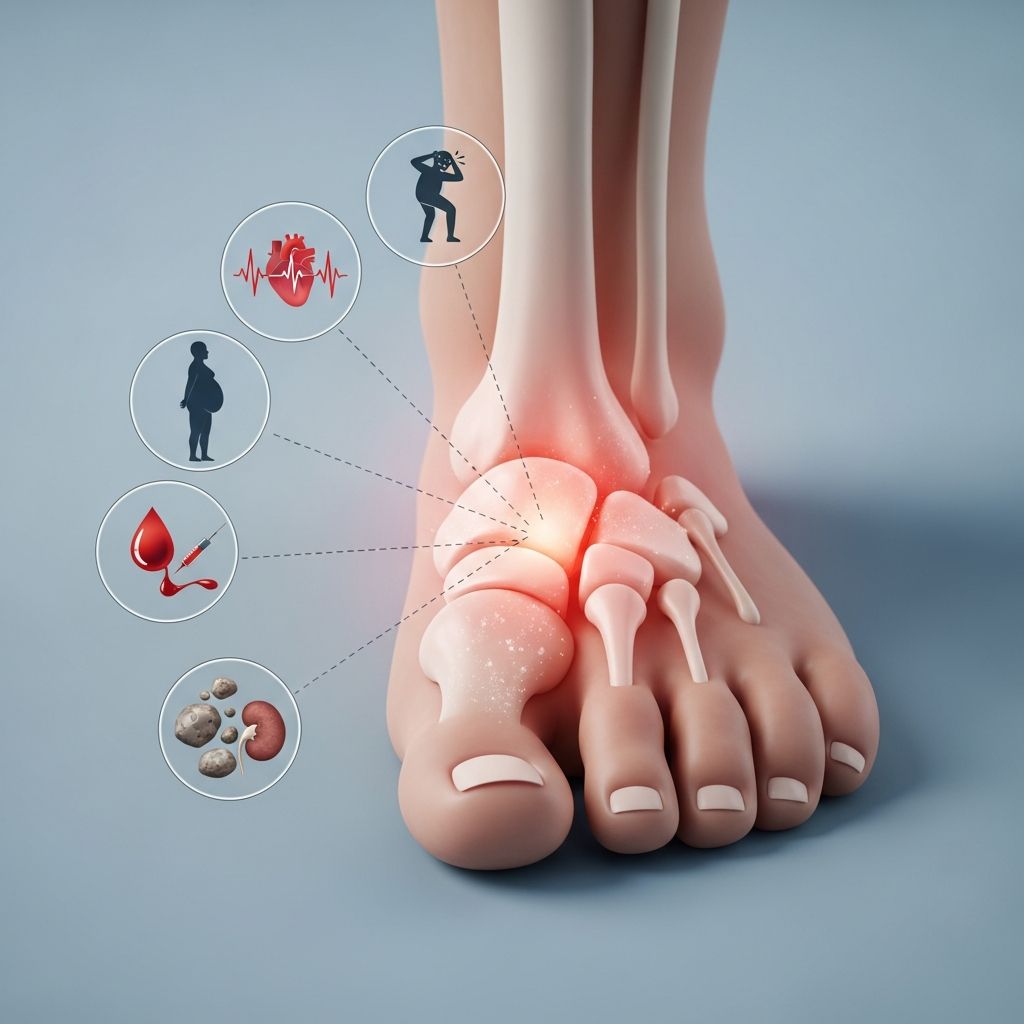
Gout, a painful form of inflammatory arthritis caused by uric acid crystal buildup in joints, significantly increases the risk of several serious health conditions beyond joint pain. Excess uric acid damages kidneys, blood vessels, and other organs, raising susceptibility to kidney disease, cardiovascular disorders, diabetes, depression, and sleep apnea.
Comorbid Conditions and Gout
People with gout face heightened risks for multiple disorders due to systemic effects of hyperuricemia (elevated uric acid levels). While gout flares cause intense big toe pain, swelling, and redness, the underlying uric acid excess contributes to widespread organ damage. Studies show these comorbidities can lead to poorer health outcomes if not addressed alongside gout management.
Maintaining uric acid below 6 mg/dL through medications like allopurinol, lifestyle changes, and diet is crucial for mitigating these risks. Early intervention prevents progression from acute attacks to chronic disease.
Kidney Disease
Gout strongly correlates with kidney damage, as uric acid crystals deposit in renal tissues. A study in Arthritis Research & Therapy found people with gout have a 78% higher risk of moderate chronic kidney disease (CKD), affecting about 1 in 4 patients often without early symptoms.
Kidney stones impact roughly 1 in 5 gout sufferers, formed when uric acid crystals block the urinary tract. A 2017 American Journal of Kidney Diseases study confirmed higher uric acid levels directly elevate stone risk in both gout patients and those with asymptomatic hyperuricemia.
Women with gout often experience even higher CKD rates, compounded by hypertension and cardiovascular issues, leading to severe flares and premature mortality risks. Management includes hydration, urine alkalization, and uric acid-lowering therapies to protect renal function.
- Key Risks: Moderate CKD (78% increased), kidney stones (20% prevalence).
- Prevention: Stay hydrated (at least 2-3 liters daily), limit purine-rich foods like red meat and shellfish.[10]
Heart Disease and Stroke
Gout doubles cardiovascular risks, including heart attack, heart failure, atrial fibrillation, stroke, and peripheral vascular disease. A 2018 Arthritis Care & Research study reported adults over 65 with gout have at least a twofold higher heart attack risk.
Mechanisms involve chronic inflammation from uric acid crystals damaging blood vessels, alongside shared risk factors like obesity, hypertension, and dyslipidemia. A 2017 BMC Medicine review highlighted ongoing systemic inflammation as a key driver. Post-flare periods see elevated acute myocardial infarction and stroke risks within 120 days.
In men, gout often coexists with hypertension and diabetes; women face amplified cardiovascular events. Comprehensive care includes statins (e.g., atorvastatin), blood pressure meds (e.g., losartan), and low-dose colchicine to curb flares and inflammation.
| Cardiovascular Risk | Increased Risk in Gout Patients | Source |
|---|---|---|
| Heart Attack (age 65+) | 2-fold | |
| Stroke | Elevated post-flare | |
| Atrial Fibrillation | Heightened |
Diabetes
Gout elevates type 2 diabetes risk, with women facing a 71% increase and men a 22% rise, per a 2016 Annals of the Rheumatic Diseases study. Shared factors include obesity, insulin resistance, hypertension, and high cholesterol; inflammation from uric acid exacerbates metabolic dysfunction.
Hyperuricemia independently predicts diabetes onset. Gout patients with diabetes have worse COVID-19 outcomes due to cardiometabolic burden. Semaglutide (GLP-1 agonists) and plant-based diets like DASH help control both conditions by lowering uric acid and improving insulin sensitivity.
Related Stories



- Gender Differences: Women: 71% risk increase; Men: 22%.
- Management Tips: Weight loss (5-10% body weight reduces flares by 50%), low-purine diet avoiding sugary drinks.[10]
Depression
Adults over 65 with gout have a 42% higher depression risk, according to a 2018 Psychiatry Research study. Chronic pain, recurrent flares, and systemic inflammation link the two; inflammation is increasingly tied to mood disorders.
Gout’s impact on quality of life, mobility limitations, and sleep disruption from pain contribute. Treating gout aggressively reduces flare frequency, potentially alleviating depressive symptoms. Holistic approaches include exercise, therapy, and monitoring mental health.
Sleep Apnea
Gout associates with obstructive sleep apnea (OSA), where breathing pauses during sleep due to airway collapse. Excess weight, a shared risk factor, promotes both via fat tissue compressing airways and elevating uric acid.
OSA worsens hyperuricemia by causing hypoxia, which impairs uric acid excretion. Studies indicate gout patients have higher OSA prevalence; CPAP therapy improves sleep and may lower uric acid levels. Weight management is pivotal.
Interconnections: Obesity fuels a cycle: fat increases uric acid production/retention, OSA from obesity hinders kidney function, amplifying gout severity.
Frequently Asked Questions (FAQs)
Q: Can gout lead to kidney failure?
A: Yes, untreated gout raises CKD risk by 78% and kidney stones by 20%; monitor uric acid and kidneys regularly.
Q: Does gout increase heart attack risk?
A: Absolutely, with a twofold risk in those over 65; manage with meds and lifestyle changes.
Q: Is diabetes more common in gout patients?
A: Yes, 71% higher in women, 22% in men; focus on weight loss and low-purine diet.
Q: How does gout relate to depression?
A: 42% increased risk in seniors due to inflammation and pain; treat gout to help mood.
Q: What’s the link between gout and sleep apnea?
A: Shared obesity risk; OSA worsens uric acid levels—use CPAP and lose weight.
Gout and Other Arthritides
Gout often coexists with osteoarthritis (OA), rheumatoid arthritis (RA), psoriatic arthritis (PsA), and ankylosing spondylitis (AS). Differentiating is vital as treatments differ.
- Gout + RA: 17% of RA patients have gout; older males with hypertension at higher risk.
- Gout + OA: Joint damage from OA may invite crystals; obesity links both—maintain healthy weight.
- Gout + PsA: dubbed ‘psout’; high uric acid may drive PsA symptoms; uric acid drugs potentially therapeutic.
- Gout + AS: 2% prevalence vs. 0.5% in controls, especially men aged 40-60.
Management Strategies for Comorbidities
Address gout holistically: urate-lowering therapy (allopurinol, febuxostat), flare prevention (colchicine, NSAIDs), and comorbidity screening. DASH diet, exercise, and weight loss cut risks across conditions.
Recent data emphasizes post-flare cardiovascular vigilance and integrated care to avert premature death.
References
- The Painful Truth About Gout: Causes, Symptoms, and Treatment — Arthritis Australia. 2023. https://www.arthritis.org.au/arthritis/arthritis-insights/living-well-with-arthritis/the-painful-truth-about-gout-causes-symptoms-and-treatment/
- Comorbid Conditions and Gout — Arthritis Foundation. 2023. https://www.arthritis.org/health-wellness/about-arthritis/related-conditions/other-diseases/five-conditions-linked-with-gout
- Gout May Be Your Second Arthritis — Arthritis Foundation. 2023. https://www.arthritis.org/diseases/more-about/gout-may-be-your-second-arthritis
- Gout-Related Conditions and Patient Disparities — Arthritis Foundation. 2023. https://www.arthritis.org/health-wellness/treatment/treatment-plan/disease-management/gout-comorbidities-and-disparities
- Gout Diet Dos and Don’ts — Arthritis Foundation. 2023. https://www.arthritis.org/health-wellness/healthy-living/nutrition/healthy-eating/gout-diet-dos-and-donts
Similar Articles








Read full bio of Sneha Tete