Trichiasis: 7 Effective Treatments For Inward-Growing Lashes
Discover effective treatments for trichiasis, the condition causing eyelashes to grow inward and irritate your eyes, from simple fixes to advanced surgery.
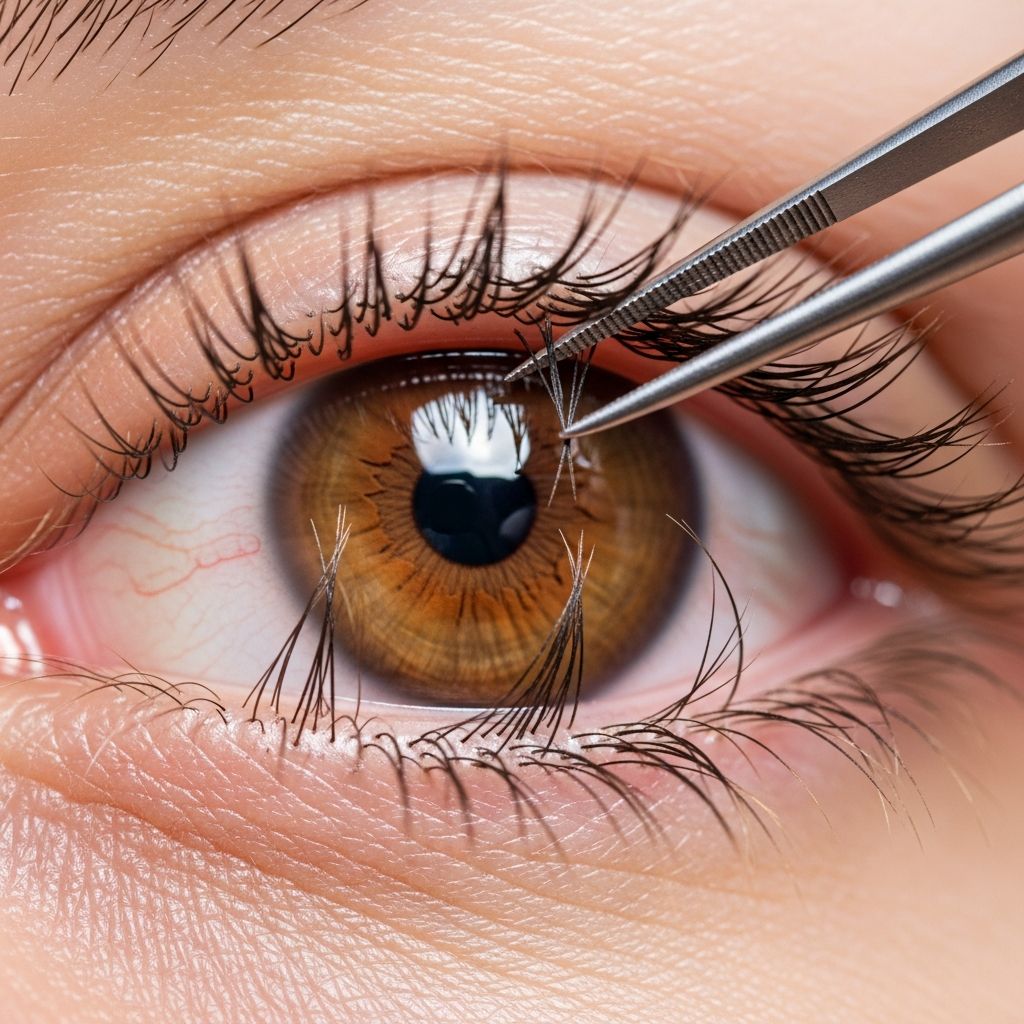
Inward-growing eyelashes, medically known as trichiasis, occur when one or more lashes turn toward the eye instead of outward, leading to irritation and potential damage to the cornea or conjunctiva. This condition affects people of all ages and can range from mild annoyance to severe vision-threatening complications if untreated.
Understanding the Basics of Trichiasis
Trichiasis disrupts the normal protective function of eyelashes, which are designed to shield the eyes from debris, dust, and excessive light. When lashes misdirect inward, they repeatedly scrape against the eye’s sensitive surface, causing ongoing discomfort and risking abrasions, infections, or scarring.
Unlike entropion, where the entire eyelid margin rolls inward, trichiasis specifically involves lash misalignment while the eyelid position remains normal. It most commonly impacts the lower eyelids but can affect the upper lids or even the inner corner (medial canthal trichiasis).
Common Signs and Symptoms
Recognizing trichiasis early is crucial for preventing escalation. Key indicators include:
- A persistent feeling of something stuck in the eye (foreign body sensation)
- Redness and inflammation of the eye or eyelid
- Excessive tearing or watery eyes
- Itchiness, burning, or sharp pain
- Light sensitivity (photophobia)
- Blurred vision or discharge
- Recurrent corneal scratches or infections
These symptoms can mimic other eye issues like dry eye or allergies, but the hallmark is lash contact confirmed by close inspection.
Root Causes Behind Misdirected Lashes
Trichiasis arises from various triggers that alter lash follicle orientation or eyelid structure. Primary causes include:
- Inflammatory conditions: Chronic blepharitis (eyelid inflammation), conjunctivitis, or trachoma—a bacterial infection prevalent in developing regions.
- Infections: Viral (e.g., herpes zoster), bacterial, or chlamydial infections that scar the lid margin.
- Trauma and injury: Scarring from burns, accidents, or prior surgeries pulling lashes inward.
- Autoimmune disorders: Conditions like Stevens-Johnson syndrome causing eyelid scarring.
- Congenital factors: Some individuals are born with misdirected lashes; aging reduces skin elasticity, exacerbating the issue.
Trachomatous trichiasis, linked to the Chlamydia trachomatis bacterium, remains a leading global cause of preventable blindness, especially in areas with poor sanitation.
How Eye Specialists Diagnose Trichiasis
Diagnosis begins with a detailed eye exam using tools like slit-lamp biomicroscopy to visualize lash positions and corneal damage. Doctors assess:
- Number and location of affected lashes
- Presence of scarring or entropion
- Underlying infections or inflammation
- Corneal abrasions via fluorescein staining
Advanced imaging or eyelid eversion may be used for subtle cases. Early detection via routine exams is vital, particularly for at-risk groups.
Treatment Options: From Temporary Relief to Permanent Solutions
Treatment escalates with severity. Initial approaches focus on symptom relief, progressing to corrective procedures.
Temporary Measures
- Epilation (plucking): Using sterile forceps to remove offending lashes. Effective short-term but regrowth occurs in 4-6 weeks.
- Lubricants and ointments: Artificial tears or antibiotic drops to soothe irritation and prevent infection.
Related Stories



Semi-Permanent Techniques
- Electrolysis: Electric current destroys follicle roots, minimizing regrowth. Ideal for isolated lashes.
- Cryotherapy: Freezing follicles to ablate them.
Advanced and Surgical Interventions
For widespread or recurrent trichiasis, surgery targets the root cause:
| Procedure | Description | Best For | Recovery Time |
|---|---|---|---|
| Micro-cauterization | Heat ablation of follicles | Few misdirected lashes | 1-2 days |
| Radiofrequency ablation | Precise RF energy to follicles | Moderate cases | 3-5 days |
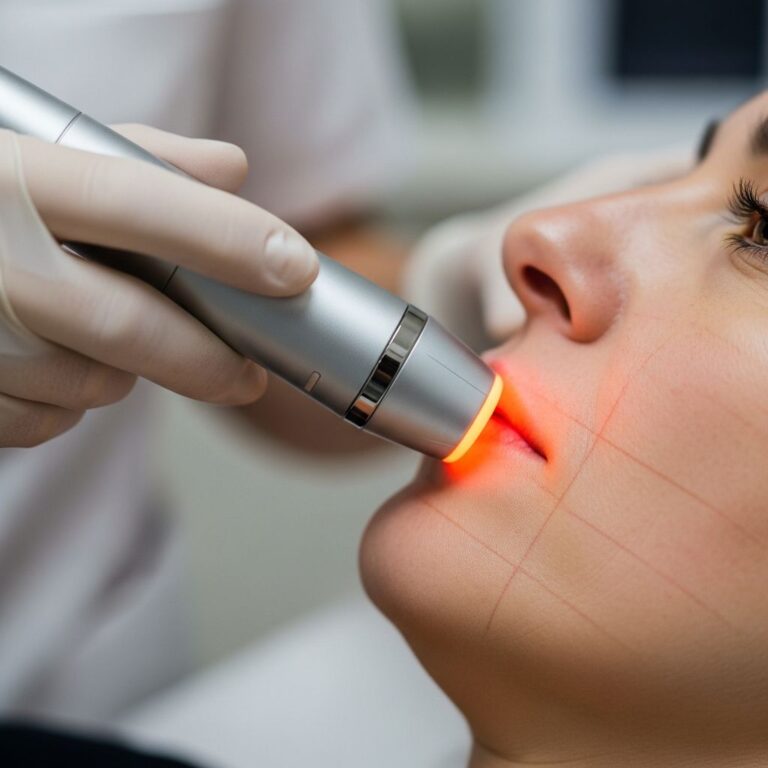
| Laser cauterization | Targeted laser destroys roots | Precise, minimal scarring | 1-3 days |
| Cryoablation | Cold probe freezes follicles | Multiple lashes | 1 week |
| Surgical excision | Removes lash-bearing tissue | Severe scarring | 1-2 weeks |
| Lid reconstruction | Corrects entropion/scars | Structural issues | 2-4 weeks |
Outpatient procedures under local anesthesia ensure quick recovery. Success rates exceed 90% for permanent fixes when tailored correctly.
Potential Complications of Untreated Trichiasis
Ignoring misdirected lashes invites serious risks:
- Corneal abrasions: Scratches leading to ulcers or scarring.
- Infections: Bacterial superinfections worsening damage.
- Vision loss: Chronic abrasion causes opacity or blindness, especially in trachoma-endemic areas.
- Chronic pain: Persistent discomfort affecting quality of life.
Prompt intervention halts progression, safeguarding long-term eye health.
Preventive Strategies and Daily Eye Care
While not all cases are preventable, these habits reduce risk:
- Maintain eyelid hygiene with warm compresses and gentle cleansing to combat blepharitis.
- Avoid eye rubbing and use protective eyewear during activities.
- Treat infections swiftly with prescribed antibiotics.
- Schedule regular optometrist visits, especially post-trauma or in high-risk regions.
- For trachoma-prone areas, promote facial cleanliness and sanitation per WHO guidelines.
When to Seek Immediate Medical Help
Consult an ophthalmologist if you notice persistent irritation, vision changes, or discharge. Urgent care is needed for signs of infection like pus, severe pain, or light intolerance.
FAQs on Inward-Growing Eyelashes
Q: Can trichiasis resolve on its own?
A: Rarely; without intervention, symptoms persist or worsen due to regrowth.
Q: Is plucking safe for trichiasis?
A: Temporary relief yes, but improper technique risks infection or follicle damage.
Q: How long does surgery recovery take?
A: Most patients resume normal activities in days, with full healing in 1-4 weeks.
Q: Does trichiasis affect children?
A: Yes, often congenitally or from rubbing; pediatric specialists handle these cases.
Q: Can contact lenses worsen it?
A: They may aggravate irritation; pause use until treated.
Living Comfortably After Treatment
Post-treatment, most enjoy symptom-free lives. Follow-up exams monitor regrowth, and hygiene routines prevent recurrence. Advanced options like custom prosthetics suit severe cases. With proper care, trichiasis need not impair vision or comfort.
References
- What Is Trichiasis | Treatment for Inward-Growing Eyelashes — Houston Dry Eye Clinic. 2023. https://www.houstondryeyeclinic.com/blog/what-is-trichiasis-and-is-it-fixable.html
- How to Manage Trichiasis Symptoms and Improve Eye Comfort — Remagin. 2023. https://www.remagin.com/blog/manage-trichiasis-symptoms-improve-eye-comfort
- Trichiasis (Misdirected Eyelashes): Causes & Treatment — Cleveland Clinic. 2023-10-25. https://my.clevelandclinic.org/health/diseases/24542-trichiasis
- Dealing with Trichiasis: Causes, Symptoms, and Treatments Available in Nashville — TNO Culoplastics. 2024-09-19. https://www.tnoculoplastics.com/2024/09/19/dealing-with-trichiasis-causes-symptoms-and-treatments-available-in-nashville/
- Trichiasis — Texas Children’s Hospital. 2023. https://www.texaschildrens.org/content/conditions/trichiasis
Similar Articles








Read full bio of Sneha Tete