Flail Chest: Causes, Symptoms, Diagnosis & Treatment
Understanding flail chest: a life-threatening chest injury from trauma and its management.
What Is Flail Chest?
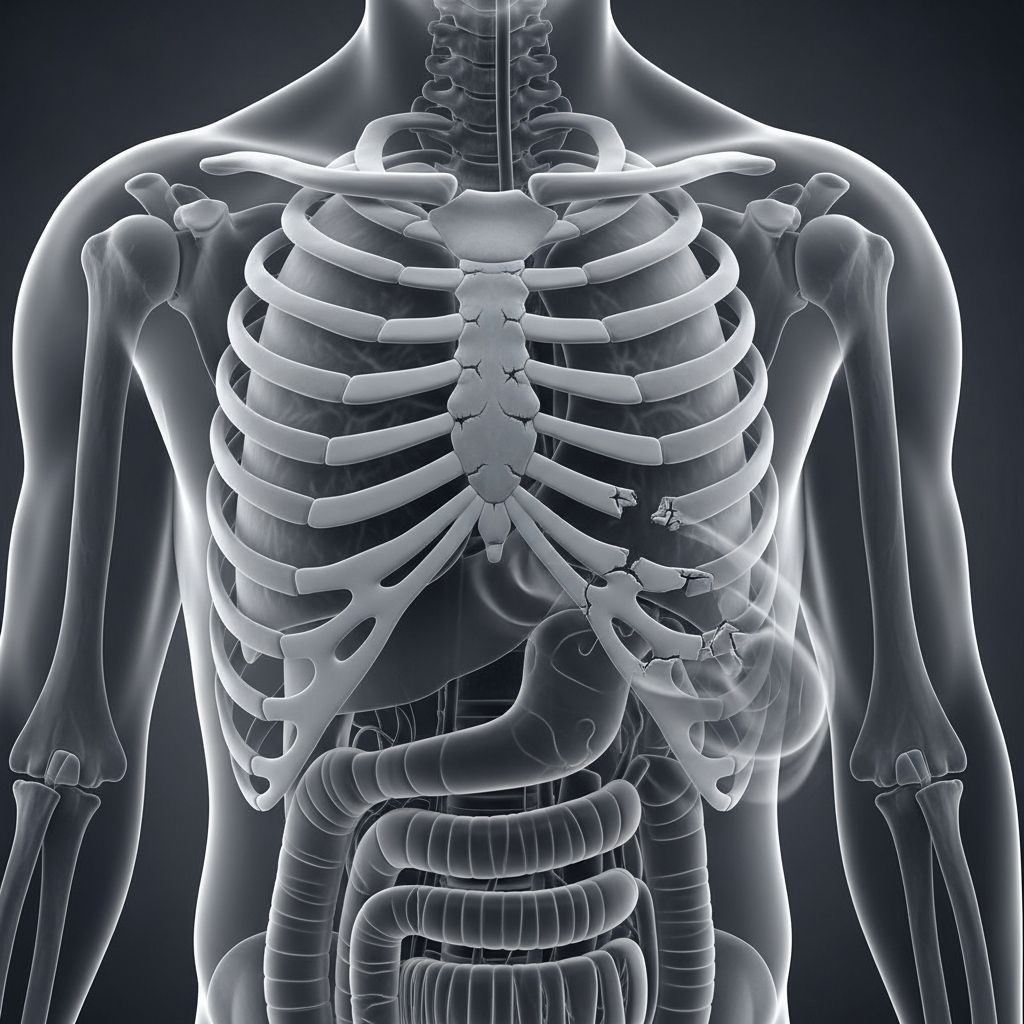
Flail chest is a serious and potentially life-threatening condition that results from severe trauma to the chest. It occurs when three or more adjacent ribs are broken in two or more places, causing a segment of the chest wall to become detached and unstable. This unstable segment moves in the opposite direction to the rest of the chest wall during breathing, a phenomenon known as paradoxical movement. This disrupts normal respiratory mechanics and can severely impair breathing.
Causes of Flail Chest
Flail chest is almost always caused by blunt trauma to the chest. The most common causes include:
- Motor vehicle accidents
- Falls, especially in older adults with osteoporosis
- Crush injuries
- Assault or physical trauma
People at higher risk for flail chest include those involved in high-impact accidents, the elderly, and individuals with weakened bones due to osteoporosis or other conditions.
Symptoms of Flail Chest
The symptoms of flail chest are often severe and require immediate medical attention. Common signs and symptoms include:
- Severe chest pain
- Difficulty breathing or shortness of breath
- Paradoxical chest wall movement (the injured segment moves inward during inhalation and outward during exhalation)
- Swelling, bruising, or deformity of the chest wall
- Tenderness or crepitus (crackling sensation) when touching the chest
- Rapid breathing (tachypnea)
- Low oxygen levels (hypoxemia)
- Coughing, sometimes with blood
Diagnosis of Flail Chest
Diagnosing flail chest involves a combination of clinical observation and imaging tests:
- Physical examination: Healthcare providers look for paradoxical chest wall movement, tenderness, and deformity. They may also listen for abnormal breath sounds.
- Chest X-ray: This imaging test can show rib fractures and may reveal lung injuries such as bruising or collapse.
- CT scan: In some cases, a CT scan may be used to get a more detailed view of the chest and identify associated injuries.
- Arterial blood gas test: This test measures oxygen and carbon dioxide levels in the blood to assess respiratory function.
Complications of Flail Chest
Flail chest can lead to several serious complications, including:
- Pulmonary contusion: Bruising of the lung tissue, which can impair gas exchange and lead to respiratory failure.
- Pneumothorax: Collapse of the lung due to air leaking into the chest cavity.
- Hemothorax: Accumulation of blood in the chest cavity.
- Infection: Increased risk of pneumonia due to impaired cough and secretion clearance.
- Respiratory failure: Severe impairment of breathing that may require mechanical ventilation.
Treatment of Flail Chest
Treatment for flail chest focuses on stabilizing the patient, relieving pain, and supporting breathing. The main goals are to prevent complications and promote healing. Treatment options include:
Pain Management
Effective pain control is crucial for patients with flail chest. Pain can make it difficult to breathe deeply, increasing the risk of complications. Pain management may include:
Related Stories



- Oral or intravenous pain medications
- Regional anesthesia, such as thoracic epidural or paravertebral blocks
- Multimodal analgesia to reduce opioid use and improve outcomes
Respiratory Support
Patients with flail chest often need help with breathing. Respiratory support may include:
- Oxygen therapy
- Non-invasive ventilation (such as CPAP or BiPAP)
- Mechanical ventilation for severe cases
Pulmonary Hygiene
Pulmonary hygiene, also known as chest physiotherapy, is essential to keep the lungs clear of secretions and prevent pneumonia. Techniques include:
- Deep breathing exercises
- Coughing and suctioning
- Postural drainage
- Use of incentive spirometry
Fluid Management
Proper fluid balance is important to avoid complications such as pulmonary edema. Healthcare providers carefully monitor and adjust fluid intake.
Surgical Intervention
In some cases, surgical fixation of the ribs may be considered, especially if there is severe pain, respiratory failure, or other complications. Surgery can help stabilize the chest wall and improve outcomes.
Recovery and Prognosis
Recovery from flail chest can be lengthy and may require a prolonged hospital stay. Patients may need to continue breathing exercises and physical therapy after discharge. The prognosis depends on the severity of the injury, the presence of complications, and the patient’s overall health. Most people recover fully, but some may have long-term breathing problems or chronic pain.
Prevention of Flail Chest
Preventing flail chest involves reducing the risk of chest trauma. Measures include:
- Wearing seat belts in vehicles
- Using protective gear in sports and high-risk activities
- Preventing falls, especially in older adults
- Addressing osteoporosis and other bone-weakening conditions
Frequently Asked Questions (FAQs)
Q: What is the main cause of flail chest?
A: The main cause of flail chest is blunt trauma to the chest, most commonly from motor vehicle accidents or falls.
Q: How is flail chest diagnosed?
A: Flail chest is diagnosed by observing paradoxical chest wall movement and confirmed with imaging tests such as chest X-rays or CT scans.
Q: What are the complications of flail chest?
A: Complications include pulmonary contusion, pneumothorax, hemothorax, infection, and respiratory failure.
Q: How is flail chest treated?
A: Treatment includes pain management, respiratory support, pulmonary hygiene, fluid management, and sometimes surgical intervention.
Q: What is the prognosis for flail chest?
A: Most people recover fully, but recovery can be lengthy and some may have long-term breathing problems or chronic pain.
References
- Flail Chest – StatPearls — NCBI Bookshelf. 2023. https://www.ncbi.nlm.nih.gov/books/NBK534090/
- Flail Chest | Clinical Keywords — Yale Medicine. 2023. https://www.yalemedicine.org/clinical-keywords/flail-chest
- Flail Chest: Causes, Symptoms, Diagnosis & Treatment — Cleveland Clinic. 2023. https://my.clevelandclinic.org/health/diseases/23994-flail-chest
Similar Articles








Read full bio of medha deb